The Americans with Disabilities Act (ADA), which was signed into law on July 26, 1990, is a civil rights law that prohibits discrimination based on disability. The comprehensive legislation has far-reaching implications for all public service sectors, from transportation and healthcare to education and recreational facilities. This act ensures that people with disabilities have the same rights and opportunities as everyone else, leading to more equitable treatment and increased accessibility in diverse areas of society.
The ADA’s impact on public services is monumental, thanks to its five titles (sections) that deal with different aspects of public life. These titles cover employment, state and local government services, public accommodations, telecommunications, and miscellaneous provisions. Implementing the ADA has been a transformative journey, pushing public and private sectors to re-evaluate and modify their infrastructures, policies, and attitudes toward inclusivity and accessibility.
This article aims to provide a comprehensive overview of how the ADA has reshaped public services over the past decades and continues to serve as a catalyst for broader inclusionary practices. By examining key areas impacted by this landmark legislation, we can better appreciate the strides made and recognize the ongoing challenges that need attention.
Public Transportation
Transportation is a critical component of daily life, influencing a person’s ability to work, enjoy leisure activities, and access essential services. Before the ADA, individuals with disabilities often faced significant barriers to using public transit systems. Buses, trains, and other forms of public transportation were typically not designed to accommodate those with mobility challenges or other disabilities.
The ADA mandated sweeping changes in this sector to ensure that transportation services are accessible to everyone. Public transit systems are now required to provide accessible vehicles, including buses equipped with lifts or ramps, and trains with accessible cars. Furthermore, transit facilities must be designed or altered to be accessible to individuals with disabilities, including features such as tactile warning strips for the visually impaired and audible announcements of stops for those with hearing disabilities.
The ADA also requires paratransit services, which are complementary forms of public transportation tailored to meet the needs of people with disabilities who cannot use regular transit systems. These services further ensure that transportation accessibility is not merely a theory but a practical reality. As a result, millions of Americans with disabilities can now travel more freely and independently.
Healthcare
Accessible healthcare services are vital for maintaining overall well-being and quality of life, making the ADA’s influence in this area enormously impactful. Before the ADA’s implementation, many healthcare facilities lacked the necessary accommodations for patients with disabilities, creating barriers to essential services.
The ADA mandates healthcare providers to ensure their facilities and services are accessible to individuals with disabilities. This includes having accessible examination rooms, medical equipment, and communication methods. For example, accessible examination tables and scales accommodate patients with mobility impairments, while TTY (Text Telephone) services and sign language interpreters aid those with hearing impairments.
Training healthcare staff to understand and meet the needs of patients with disabilities is another critical aspect of ADA compliance. Healthcare professionals are expected to provide equitable service and are prohibited from denying care based on one’s disability. The ADA thus ensures that healthcare services are more inclusive, creating a more equitable healthcare system overall.
Education
Education is a powerful tool for personal and societal growth. The ADA has revolutionized the educational landscape by advocating for the rights of students with disabilities. From elementary schools to colleges and universities, the Act ensures that educational institutions are accessible and accommodating.
The ADA requires schools to provide reasonable accommodations to students with disabilities, which may include the provision of modified course materials, assistive technologies, and other support services. These accommodations aim to create an inclusive learning environment where all students can thrive.
Furthermore, architectural accessibility is critical in educational settings. Schools must be equipped with ramps, elevators, and accessible restrooms, among other features, to ensure that all students can navigate the campus. This commitment to accessibility fosters an inclusive atmosphere that benefits not only students with disabilities but the entire academic community.
The ADA’s influence extends to teacher training programs, ensuring future educators are well-prepared to support students with disabilities. This holistic approach to educational inclusivity demonstrates the ADA’s profound and lasting impact on public education.
Employment
The workforce is a fundamental aspect of society, and the ADA’s Title I is dedicated to ensuring equal employment opportunities for individuals with disabilities. Before the ADA, many people with disabilities faced significant barriers to gaining and maintaining employment due to discriminatory practices and inaccessible workplaces.
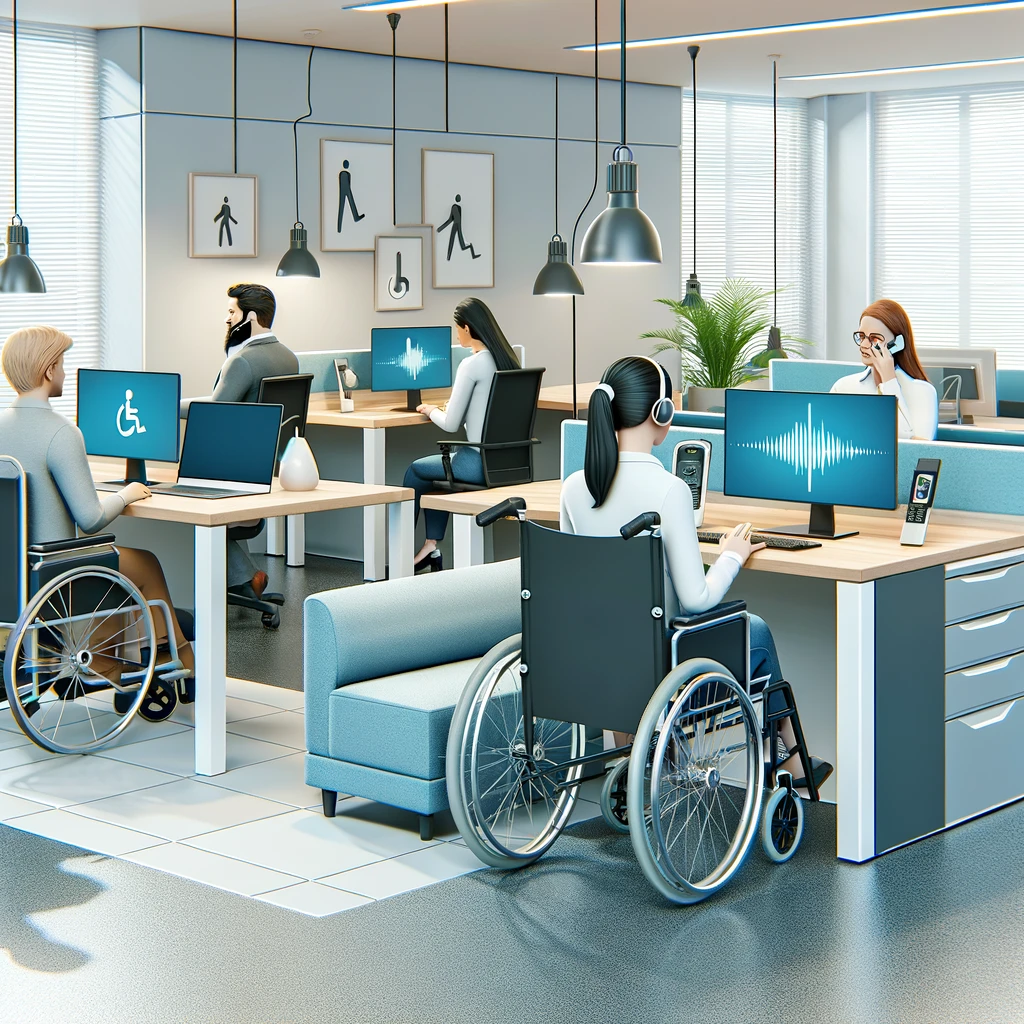
Title I of the ADA prohibits discrimination against qualified individuals with disabilities in job application procedures, hiring, firing, advancement, compensation, training, and other terms, conditions, and privileges of employment. Employers are required to provide reasonable accommodations to employees with disabilities, such as modifying work schedules, restructuring jobs, or providing assistive technologies.
This title applies to employers with 15 or more employees, including state and local governments. By mandating accessibility and fair treatment in the workplace, the ADA helps to reduce unemployment and underemployment among individuals with disabilities. This inclusivity strengthens the workforce, bringing diverse talents and perspectives to the job market.
Public Accommodations and Commercial Facilities
The ADA’s Title III addresses public accommodations and commercial facilities, ensuring that private entities that own, lease, or operate facilities open to the public do so in an accessible manner. This covers a broad range of establishments, including restaurants, hotels, theaters, stores, and places of recreation.
Title III prohibits the exclusion of individuals with disabilities from enjoying the services, goods, and benefits provided by these establishments. New buildings and facilities must be designed to be accessible, and when existing facilities undergo alterations, they must be made accessible to the maximum extent feasible.
Specific requirements include accessible routes, parking spaces, entranceways, restrooms, and seating areas. Communication must also be accessible, with provisions for Braille signage, assistive listening devices, and other communication aids. These measures ensure that individuals with disabilities can fully participate in society and enjoy the same opportunities as everyone else.
Conclusion
The Americans with Disabilities Act stands as one of the most significant pieces of civil rights legislation in the history of the United States. By integrating accessibility and inclusivity into public services, the ADA has not only enhanced the lives of individuals with disabilities but also enriched society as a whole. The changes brought about by the ADA reflect a societal shift toward greater equity, recognizing the value and potential of every individual.
While much progress has been made, challenges remain in fully realizing the ADA’s vision. Continuous efforts are needed to address remaining barriers and to adapt to new challenges, ensuring that the rights of individuals with disabilities are upheld. Public awareness, combined with proactive measures by private and public sectors, will be key to advancing this vital work.
As we look to the future, the ADA’s legacy serves as a powerful reminder of the importance of accessibility and inclusion. By upholding these principles, we pave the way for a more just and equitable society where everyone, regardless of ability, can thrive and contribute to the community.
Frequently Asked Questions
1. What is the purpose of the Americans with Disabilities Act (ADA)?
The Americans with Disabilities Act (ADA) is a crucial piece of civil rights legislation that was enacted to prohibit discrimination against individuals with disabilities. Signed into law on July 26, 1990, the ADA is all about promoting equal opportunities and ensuring that people with disabilities can engage in the everyday activities that many of us take for granted. This means that whether you’re talking about accessing public transport, attending a concert, or receiving quality healthcare, the ADA is in place to ensure that people with disabilities have the same rights and access as everyone else. It’s all about creating a level playing field, where disabilities don’t become a barrier to accessing the vital services and opportunities that contribute to the quality of life.
2. How does the ADA affect public transportation systems?
When we talk about public transportation, we’re referring to things like buses, trains, subways, and even intercity services like Amtrak. Under the ADA, public transportation agencies have specific requirements to accommodate people with disabilities. This means that new buses and rail cars must be accessible, and this includes features like lifts, ramps, designated seating areas, and audible stop announcements. Furthermore, transit agencies are obliged to provide complementary paratransit services. This is essentially a specialized public transport service for those who can’t use regular, fixed-route services due to their disabilities. So, you could think of the ADA as leveling the transportation playing field, ensuring there’s a ride available for everyone, regardless of physical or cognitive limitations.
3. In what ways does the ADA impact educational institutions?
Educational institutions are one of the many public service sectors profoundly influenced by the ADA. Under this act, schools, colleges, and universities are required to provide equal access to educational opportunities for all students, including those with disabilities. This involves making reasonable accommodations and modifications to policies, practices, and procedures so that students with disabilities can participate fully in educational programs and activities. Examples of this might include providing assistive technology, ensuring classrooms and facilities are physically accessible, offering personalized learning plans, and training staff to be responsive to students’ needs. Essentially, the ADA works to break down barriers within the education system, making it more inclusive and equitable, and ensuring that all students, irrespective of their physical or mental conditions, are provided with the resources and environment they need to succeed.
4. How does the ADA ensure accessibility in healthcare facilities?
Healthcare facilities, such as hospitals, clinics, and doctor’s offices, have a profound obligation under the ADA to be fully accessible to individuals with disabilities. This accessibility covers everything from physical access to effective communication. Physically, these facilities must have entrance ramps, elevators where necessary, suitable parking, and accessible restrooms and examination areas. But it doesn’t stop there. The ADA also requires that healthcare providers communicate effectively with patients who have vision, hearing, or speech disabilities. This might involve providing qualified interpreters, written materials in accessible formats, or communication devices. The goal is to ensure that no one is excluded from essential healthcare services due to a disability, providing comprehensive, compassionate, and barrier-free medical care for everyone.
5. What role does the ADA play in recreational facilities and services?
Recreational facilities span a wide array of settings, including parks, swimming pools, sports arenas, and even movie theaters. Under the ADA, these recreational venues are obligated to ensure accessibility to people with disabilities, promoting inclusivity in leisure activities. This means structural adaptations to make facilities accessible: think wider doorways, ramps instead of stairs, accessible seating arrangements, and accessible pathways. Importantly, it’s not just about physical spaces. The ADA also calls for accommodations that allow people with various types of disabilities to fully enjoy recreational services. So, sporting events, community classes, or concerts might offer sign language interpreters or provide assistive listening devices. The overarching objective of the ADA within this realm is ensuring that leisure and play are available to all, fostering a community where everyone can participate and enjoy what life has to offer without unnecessary hindrances.