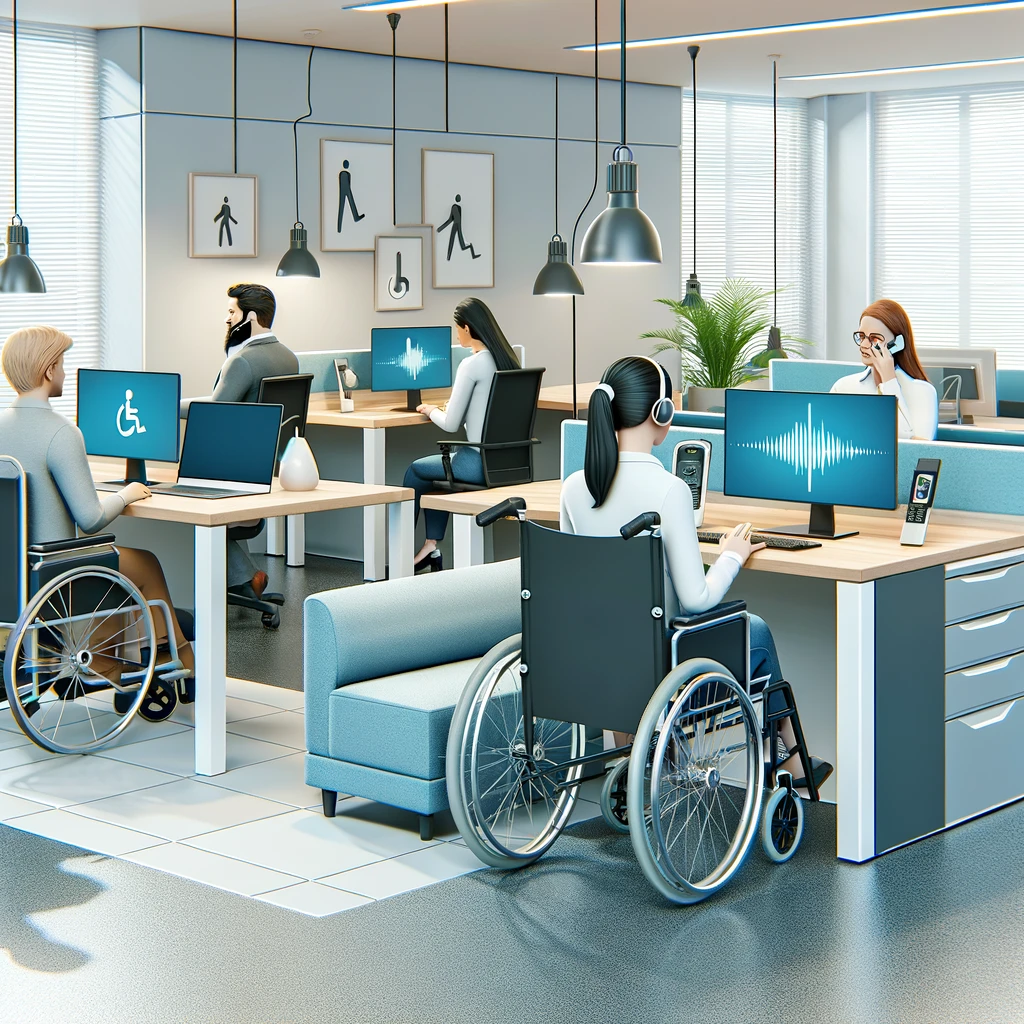
The American with Disabilities Act (ADA) is a comprehensive piece of legislation that aims to protect the rights of individuals with disabilities and ensure their full participation in society. Enacted in 1990, the ADA covers various aspects of everyday life, from employment and public services to transportation and telecommunications. It has significantly impacted diverse industries, transforming how businesses operate and ensuring better accessibility, inclusivity, and fairness.
The ADA consists of five titles, each addressing a specific area of concern for people with disabilities. Title I focuses on employment, prohibiting discrimination in the workplace. Title II covers public services and government activities, ensuring that all public programs and services are accessible to individuals with disabilities. Title III addresses public accommodations and commercial facilities, mandating that private entities provide equal access to goods and services. Title IV deals with telecommunications, requiring phone and internet companies to provide accessible communication options. Finally, Title V includes miscellaneous provisions that support the enforcement and implementation of the ADA.
This series aims to delve into how the ADA affects various industries, examining their unique challenges and how they have adapted to meet the requirements of the Act. By understanding its impact, we can appreciate the strides made toward inclusivity and the work still needed to ensure equal opportunities for all.
ADA Impact on the Employment Industry
Title I of the ADA has had a profound influence on the employment landscape in the United States. Employers with 15 or more employees are required to provide reasonable accommodations to qualified individuals with disabilities, ensuring they have an equal opportunity to apply for jobs, perform their duties, and benefit from employment opportunities.
Reasonable accommodations might include modifications to the work environment, job restructuring, flexible work schedules, or the provision of assistive technology. These adjustments enable employees with disabilities to carry out their responsibilities effectively and comfortably.
The ADA has also led to the development of more inclusive hiring practices, compelling employers to focus on the skills and qualifications of candidates rather than their disabilities. Job descriptions are now often designed to be clear and specific about the essential functions of a position, helping both employers and individuals with disabilities understand the requirements and determine the necessary accommodations.
Despite these advancements, challenges remain. Some employers still lack awareness of their obligations under the ADA or hold misconceptions about the cost and feasibility of accommodations. Continuous education and training for employers are essential to overcoming these barriers and promoting a truly inclusive workforce.
ADA Impact on Public Services and Government Activities
Title II of the ADA ensures that individuals with disabilities have equal access to public services and government activities. This title requires state and local governments to provide accessible transportation, public housing, voting, and emergency services, among others.
One significant area of impact has been public transportation. The ADA mandates that public transit agencies must provide services that are accessible to individuals with disabilities, including accessible buses, trains, and stations. Additionally, paratransit services must be available for those who cannot use regular public transportation due to their disabilities.
Voting accessibility has also seen improvements due to the ADA. Polling places are now required to be physically accessible, and alternative voting methods, such as absentee ballots and electronic voting systems, have been made available to ensure that all citizens can exercise their right to vote.
While progress has been made, there are still areas where public services fall short of full accessibility. Continued advocacy and implementation of best practices are crucial to ensuring that all government activities and services are truly inclusive and accessible to everyone.
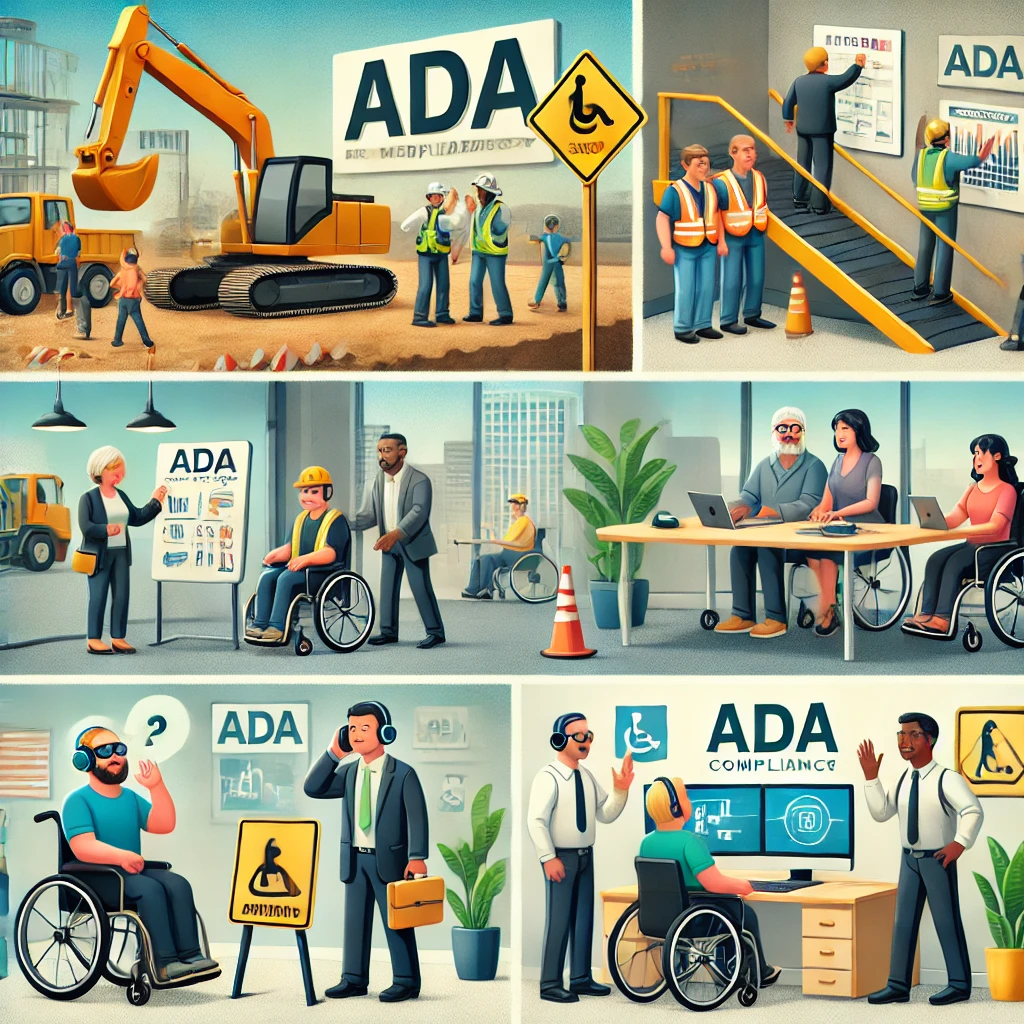
ADA Impact on Public Accommodations and Commercial Facilities
Title III of the ADA addresses public accommodations and commercial facilities, requiring businesses and non-profit organizations that serve the public to provide equal access to their goods and services. This includes restaurants, hotels, retail stores, theaters, and recreation facilities, among others.
Businesses must remove architectural barriers that impede access for individuals with disabilities, such as installing ramps, widening doorways, and providing accessible restrooms. New construction and renovations must also comply with ADA standards to ensure accessibility from the outset.
Service animals are another important aspect of Title III. Businesses must allow individuals with disabilities to bring their service animals into all areas where customers are normally permitted. This provision helps ensure that people with disabilities can navigate public spaces and enjoy equal access to services.
Despite these requirements, not all businesses are fully compliant with the ADA, often due to a lack of awareness or resources. Ongoing education and support for businesses are vital to achieving widespread compliance and ensuring that public accommodations are truly accessible to everyone.
ADA Impact on Telecommunications
Title IV of the ADA focuses on telecommunications, aiming to make communication services accessible to individuals with disabilities. This includes ensuring that people with hearing or speech impairments have equal access to telephone services.
A significant provision of Title IV is the requirement for telecommunication relay services (TRS). TRS allows individuals with hearing or speech impairments to communicate with others via phone by using a relay operator who facilitates the conversation. This service ensures that individuals with disabilities can engage in everyday communication activities, such as making appointments or staying in touch with family and friends.
Additionally, Title IV mandates that video programming distributors, such as cable companies, provide closed captioning for public service announcements and other televised content. This ensures that individuals with hearing impairments can access important information and entertainment.
The advent of digital communication technologies has presented both opportunities and challenges for ADA compliance. While new technologies offer enhanced accessibility features, they also require continuous adaptation to ensure compliance with ADA standards. As technology evolves, the commitment to accessible communication must remain steadfast.
ADA Impact on the Entertainment Industry
The ADA has also greatly influenced the entertainment industry, ensuring that individuals with disabilities can participate in and enjoy various forms of entertainment. This includes theaters, sports arenas, concert venues, and amusement parks.
Accessibility measures in entertainment venues often include seating arrangements that accommodate wheelchairs, providing assistive listening devices, and offering sign language interpreters or captioning for performances and events. These accommodations help ensure that individuals with disabilities can fully participate in and enjoy entertainment experiences.
The film and television industry has also made strides in terms of accessibility. Closed captioning and audio description services have become more widespread, enabling individuals with hearing or visual impairments to access and enjoy content. Additionally, the representation of individuals with disabilities in media has improved, promoting greater awareness and understanding of disability-related issues.
Challenges remain, particularly in ensuring that all entertainment venues and media content are fully accessible. Continued efforts to raise awareness, implement best practices, and promote inclusivity are crucial to achieving a truly accessible entertainment industry.
Conclusion
The Americans with Disabilities Act (ADA) has made significant strides in promoting accessibility and inclusivity across various industries. From employment and public services to telecommunications and entertainment, the ADA has transformed how businesses and organizations operate, ensuring that individuals with disabilities have equal opportunities to participate in all aspects of society.
Despite these advancements, challenges remain in achieving full compliance with ADA standards. Ongoing education, advocacy, and collaboration are essential to overcoming barriers and promoting a truly inclusive society. By understanding the impact of the ADA on different industries, we can appreciate the progress made and continue to work towards a future where accessibility and inclusivity are the norm.
As we move forward, it is important to remain vigilant in upholding the principles of the ADA and to continue pushing for improvements in accessibility and inclusivity. By doing so, we can ensure that all individuals, regardless of their abilities, have the opportunity to thrive and contribute to society.
The ADA’s impact on different industries is a testament to the power of legislation in driving positive change. It serves as a reminder of the importance of advocating for the rights of individuals with disabilities and the ongoing work needed to create a world where everyone can participate fully and equally.
Frequently Asked Questions
1. What industries are most impacted by the ADA and why?
The ADA has had a profound impact on a wide range of industries, fundamentally altering the way they operate. Key affected industries include:
Retail: Retail establishments have had to make their facilities accessible to all customers by implementing ramps, providing accessible entryways, and modifying restrooms to accommodate individuals with disabilities. Accessibility in retail ensures that everyone has the opportunity to enjoy shopping experiences without barriers.
Hospitality: Hotels, restaurants, and event venues have been required to adopt ADA standards to ensure that facilities are accessible to all guests. This includes making modifications such as installing elevators, creating accessible pathways, and offering assistive services for those with hearing and vision impairments.
Transportation: Public transportation systems like buses, trains, and airports have had to accommodate passengers with disabilities by providing wheelchair ramps, accessible seating, and audible announcements of stops to ensure independence and safety to all travelers.
Technology & Telecommunications: The ADA has pushed for the creation of accessible websites, mobile applications, and communication technologies that cater to individuals with disabilities. Service providers have implemented features such as closed captioning on video content and screen reader compatibility to ensure users have equal access to information and services.
Employment: Employers are required to provide reasonable accommodations that facilitate an inclusive work environment. This includes adjustments such as modified workstations, flexible work hours, and the implementation of assistive technologies that enforce inclusivity and equal employment opportunities.
2. How does the ADA influence the design of public spaces?
Public spaces have seen a transformative change due to the ADA’s influence. The initiatives focus on creating an accessible environment for individuals of all abilities. This encompasses:
Accessible Pathways: The design of public walkways includes smooth and even surfaces free from obstructions. These pathways are key to ensuring those who use wheelchairs or other mobility devices can navigate independently.
Entry Ramps and Doorways: Entry and exit points of public facilities, such as libraries, schools, and government buildings, have been equipped with ramp access and widened doorways, enabling smooth transit for all users.
Signage: Public spaces utilize clear and visible signage with tactile elements such as braille. This ensures that individuals with visual impairments can easily find their way through buildings and landscapes.
Restroom Accessibility: Public restrooms have been adapted with features such as grab bars, adequate turning space for wheelchairs, and low-mounted sinks to serve the needs of individuals with disabilities effectively.
3. What challenges do businesses face with ADA compliance?
Meeting ADA compliance presents various challenges for businesses, though crucial. Some of the hurdles include:
Financial Costs: Modifying existing structures to meet ADA standards can be costly, particularly for small businesses. Renovations such as installing elevators, acquiring new technology, or redesigning layouts can strain financial resources.
Understanding Complex Regulations: The intricate nature of ADA requirements sometimes causes confusion, making it difficult for businesses to determine what specific modifications are necessary, leading to potential legal ramifications if corrections aren’t made appropriately.
Employee Training: Ensuring that all staff are trained to acknowledge and accommodate the needs of individuals with disabilities requires ongoing effort and resources for adequate training programs.
Technological Adaptations: The rapid pace of technological evolution can sometimes outpace ADA regulations, thereby necessitating businesses to be proactive in implementing new compliant solutions to remain inclusive.
4. How is technology evolving under the ADA’s influence?
The obligations set forth by the ADA have spurred significant strides in technological advancements geared towards accessibility, including:
Web Accessibility: Modern websites are increasingly being designed with accessibility in mind, such as implementing alternative text for images, ensuring keyboard navigability, and providing descriptive link text for users utilizing screen readers.
Assistive Technology: Technological devices like screen readers, voice recognition software, and augmentative communication devices continue to improve, providing individuals with disabilities the tools to communicate and interact with technology effectively.
Smart Home Devices: Products like smart speakers and home automation systems are now being designed to allow voice control and hands-free operation, supporting individuals who may have mobility or dexterity impairments.
Telecommunication Accessibility: Advancements in telecommunications include real-time text and improved relay services ensuring individuals with hearing or speech disabilities can communicate seamlessly via digital networks.
5. In what ways has the ADA positively influenced the employment landscape?
The ADA has played a critical role in reshaping employment practices by emphasizing inclusivity and equal opportunities for individuals with disabilities. This influence is reflected in several key areas:
Reasonable Accommodations: Employers are mandated to make reasonable adjustments to work environments, allowing employees with disabilities the same opportunities as their peers. Accommodations may include alterations to physical workspaces or flexible work arrangements.
Diversity and Inclusion Initiatives: Organizations are motivated to cultivate diverse workforces that are reflective of different backgrounds and abilities, promoting a culture of inclusivity and respect for all employees.
Recruitment Practices: Employers are conducting outreach to underrepresented groups, utilizing inclusive job postings, and ensuring non-discriminatory hiring practices to attract talent from all sectors of society.
Employee Engagement and Retention: Engaged workplaces foster environments where employees with disabilities feel valued and supported, leading to increased job satisfaction and retention rates, benefiting both individuals and the organization as a whole.