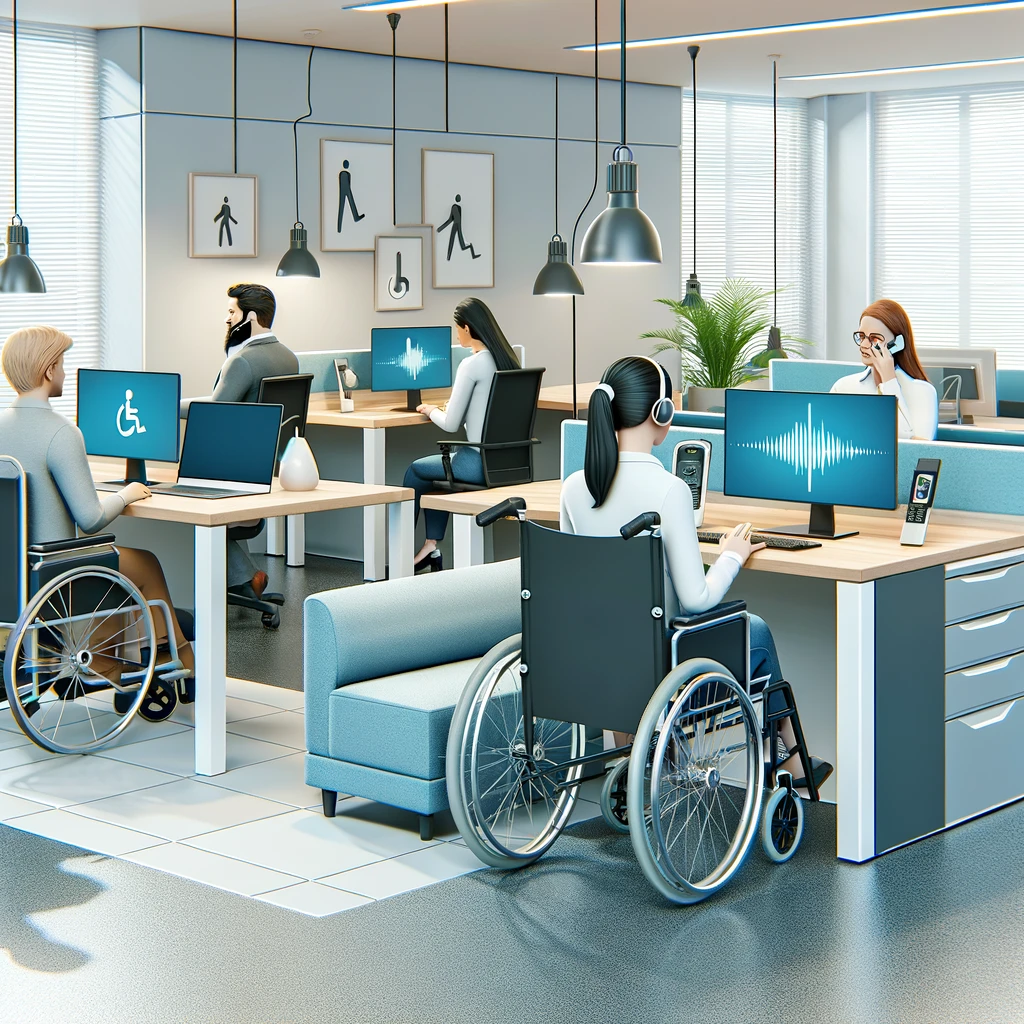
The Americans with Disabilities Act (ADA) is a cornerstone piece of legislation designed to ensure that individuals with disabilities have the same rights and opportunities as everyone else. While the ADA covers a broad spectrum of disabilities, it is especially pivotal when it comes to mental health. This is because mental health issues, often invisible and stigmatized, require robust legal protection and accommodation to ensure those affected can lead fulfilling lives.
Mental health disabilities include conditions such as depression, anxiety disorders, schizophrenia, bipolar disorder, and more. These conditions can profoundly impact a person’s ability to work, communicate, perform daily tasks, and interact socially, making ADA protections absolutely crucial. The ADA’s provisions not only safeguard against discrimination but also mandate reasonable accommodations in various settings—including employment, public services, and education—to help individuals manage their conditions effectively.
Despite the ADA’s comprehensive nature, many are still unaware of the specific ways it supports those with mental health disabilities. This article aims to shed light on how the ADA assists individuals with mental health conditions, helping them to navigate through their daily lives with confidence and dignity.
The Scope of ADA Coverage
The ADA encompasses several titles that collectively aim to protect and support individuals with disabilities, including those with mental health conditions. Title I focuses on employment, preventing discrimination in job application procedures, hiring, firing, promotions, compensation, and training. Employers must provide reasonable accommodations to qualified individuals, which may include flexible work hours, telecommuting options, or adjustments to work assignments to better suit the employee’s needs.
Title II addresses public services, ensuring that state and local government services are accessible to individuals with disabilities. This can include public transportation systems and public housing, which must accommodate the needs of those with mental health conditions by providing necessary modifications and supports.
Meanwhile, Title III covers public accommodations and commercial facilities. Private entities that own, lease, or operate places of public accommodation must comply with ADA standards. This can include businesses like restaurants, hotels, retail stores, and even privately-operated schools. For individuals with mental health disabilities, this means being able to access these services without discrimination and with accommodations that cater to their specific needs.
Finally, Title IV and Title V cover telecommunications and miscellaneous provisions, respectively. These ensure effective communication for individuals with disabilities (including those with mental health conditions) via telephone and internet services, and provide further legal protections and advocacy resources.
Understanding Reasonable Accommodations
Reasonable accommodations are adjustments made to a job or work environment that enable an individual with a disability to perform their job duties effectively. For those with mental health disabilities, these accommodations can vary widely depending on the specific condition and needs of the individual. The key is that these adjustments should not impose an undue hardship on the employer. Examples of reasonable accommodations for mental health conditions might include:
- Flexible Scheduling: Allowing flexible work hours to accommodate therapy sessions or varying energy levels.
- Extended Breaks: Providing additional breaks to help manage stress or anxiety.
- Telecommuting: Permitting remote work to reduce stress triggered by commuting or office environments.
- Modified Job Duties: Changing assignments that might trigger stress or exacerbate symptoms.
- Support Animals: Allowing emotional support animals in the workplace.
- Quiet Workspaces: Providing a private, quiet area to help minimize stress and distractions.
The process of requesting accommodations typically involves a conversation between the employee and employer, where the employee outlines their needs and the employer proposes potential solutions. This collaborative approach helps to identify the most effective accommodations while ensuring they are feasible for the employer to implement. Employers are also encouraged to provide ADA training to their staff to foster a more inclusive and understanding workplace environment.
Challenges in Implementing the ADA
While the ADA provides robust protection and support, implementing its provisions can sometimes be challenging. For mental health conditions, the primary obstacles often include stigma, lack of awareness, and the subjective nature of many mental health-related requests for accommodation.
Stigma surrounding mental health can make individuals hesitant to disclose their conditions or request accommodations. They might fear being judged, misunderstood, or treated differently by colleagues and supervisors. This is further complicated by a general lack of awareness and understanding of mental health issues in many workplace environments. To combat these issues, it’s essential for organizations to foster an open and supportive atmosphere where mental health is discussed openly and without judgment.
The subjective nature of mental health conditions also poses a challenge. Unlike many physical disabilities that are visible and straightforward to accommodate, mental health conditions can vary greatly in severity and manifestation from person to person. This requires a more nuanced, individualized approach to accommodations, which some employers might find difficult to navigate.
However, these challenges are not insurmountable. Education, empathy, and a willingness to engage in open dialogue can go a long way in effectively implementing the ADA’s provisions for mental health. Employers who invest in mental health training and support systems often find that these efforts pay off in the form of higher employee satisfaction, productivity, and overall morale.

Case Studies and Success Stories
Understanding how the ADA supports mental health disabilities can be enriched by looking at real-life examples. Many organizations have successfully implemented ADA guidelines to support employees with mental health disabilities, leading to positive outcomes for both the employee and the company.
For instance, a tech company adopted flexible working hours for an employee with bipolar disorder. This accommodation allowed the employee to manage their condition effectively, resulting in improved performance and reduced absenteeism. The company’s investment in creating a supportive environment fostered loyalty and increased job satisfaction.
In another example, a university provided extended testing times and quiet testing environments for students with anxiety disorders. This accommodation ensured that these students could demonstrate their true academic abilities, resulting in higher retention rates and academic success.
Additionally, a retail company allowed an emotional support animal in the workplace for an employee with severe anxiety. This small adjustment significantly reduced the employee’s anxiety levels, enabling them to interact more effectively with customers and colleagues.
These case studies highlight how the ADA’s provisions can be implemented creatively and compassionately, to the benefit of all parties involved. They serve as a testament to the law’s importance and the positive impact it can have on the lives of individuals with mental health disabilities.
Looking Ahead: Future of ADA and Mental Health
As awareness and understanding of mental health issues continue to grow, the future of the ADA looks promising. There is increasing recognition of the importance of mental health accommodations and the need to continually adapt and improve policies to better support individuals with these disabilities.
Technological advancements offer new ways to provide support and accommodations. Telemedicine, for example, allows individuals to access mental health services remotely, which can be crucial for those facing mobility or transportation barriers. Virtual reality (VR) is also being explored as a tool for treating certain mental health conditions, offering immersive therapy experiences that can be tailored to the individual’s needs.
Moreover, there is a growing movement towards creating more inclusive workplaces that prioritize mental health. Organizations are increasingly implementing comprehensive mental health programs, providing training for employees and managers, and fostering cultures that encourage open discussions about mental health. These proactive measures not only comply with the ADA but also contribute to a healthier, more productive workforce.
Legislation is also evolving to address gaps and emerging needs. Recent amendments and new laws continue to refine and expand the ADA’s reach, ensuring it remains relevant and effective in supporting individuals with mental health disabilities. These efforts reflect a broader societal shift towards recognizing and valuing mental health as a critical component of overall well-being.
Conclusion
The Americans with Disabilities Act remains a vital tool in supporting individuals with mental health disabilities, ensuring they have equal opportunities and access to necessary accommodations. By understanding its provisions, challenges, and successes, we can better advocate for and implement practices that promote mental health and inclusivity.
As we move into the future, the ongoing evolution of the ADA, combined with advancements in technology and increasing societal awareness, offers hope for even greater support and inclusion for individuals with mental health disabilities. It is incumbent upon employers, policymakers, and communities to continue striving for a more inclusive society where everyone, regardless of mental health status, can thrive.
In navigating the complexities of mental health and the ADA, it is crucial to remember that compassion and understanding form the bedrock of effective accommodation. By fostering a culture that embraces mental health and proactively supports individuals with these conditions, we can create a world that truly honors the spirit of the ADA – one that is inclusive, equitable, and empowering for all.
The path forward involves continuous learning, open dialogue, and a commitment to change. As we work towards these goals, the ADA will remain a guiding light, helping to ensure that mental health disabilities are neither a barrier nor a stigma, but simply one aspect of the diverse human experience.
Frequently Asked Questions
1. What does the Americans with Disabilities Act (ADA) say about mental health disabilities?
The ADA is a vital piece of legislation that safeguards the rights of individuals with disabilities, including mental health disabilities. It ensures they have equal access to employment, public services, accommodations, transportation, and telecommunications. The ADA recognizes mental health disabilities as legitimate disabilities requiring equal protection and accommodation as physical disabilities. This is crucial because mental health conditions, which can often be invisible, deserve equal consideration and resources to minimize undue burden and maximize opportunities.
The ADA does not specifically list mental health conditions that qualify; instead, any mental condition that substantially limits one or more major life activities can be considered a disability. This includes, but is not limited to, conditions such as depression, anxiety, post-traumatic stress disorder (PTSD), and others, demanding workplaces, public avenues, and the society at large to be inclusive and accommodating.
2. How does the ADA protect individuals with mental health issues in the workplace?
Under the ADA, employees with mental health disabilities are protected from discrimination at their workplace. Employers must provide reasonable accommodations to help these employees perform their job effectively. Accommodations may include flexible work schedules, providing a quiet workspace, allowing telework, or permitting breaks as needed to manage mental health symptoms. The law prohibits employers from firing, refusing to hire, or taking adverse employment actions against individuals because of their mental health condition.
Additionally, the ADA ensures that any information regarding an employee’s mental health status, or any accommodations requested, is kept confidential to encourage openness and foster a supportive work environment. Employees also have the right to request accommodations at any time and are encouraged to engage in an interactive process with their employer to identify necessary adjustments. The overarching aim here is to strike a balance that doesn’t put undue hardship on the business while enabling the individual to thrive at work.
3. What responsibilities do employers have under the ADA to foster an inclusive environment for employees with mental health disabilities?
Employers have a crucial role and several responsibilities under the ADA to create an inclusive environment for employees with mental health disabilities. These responsibilities include providing reasonable accommodations, as described, and fostering a non-discriminatory environment. Employers should ensure that their work policies do not inadvertently discriminate against those with mental health issues. For example, strict attendance policies should consider flexibility for those who might need time for mental health treatments or therapy sessions.
Furthermore, employers are encouraged to promote mental health awareness and cultivate a supportive atmosphere by providing training and resources to all employees. Training programs can help dismantle stigma and educate staff and management on recognizing and appropriately responding to mental health issues. Conducting regular reviews of workplace practices and policies is also essential to ensure ongoing compliance with the ADA and adapting to any changes in the organization’s environment or employee needs.
4. How does the ADA address stigma and ensure equal access to services for people with mental health disabilities?
The ADA plays a significant role in combatting stigma and ensuring equal access to services for individuals with mental health disabilities. By safeguarding rights to accommodation and protection from discrimination, the ADA helps level the playing field, allowing individuals to participate fully in all aspects of society. This legislative backing offers individuals with mental health disabilities the confidence to assert their rights and seek necessary accommodations without fearing judgment or retaliation.
Under the ADA, service providers, public accommodations, and institutions receiving federal funding must ensure their facilities and services are accessible to people with mental health disabilities. This can include making modifications to communication methods or physical environments to accommodate individuals’ needs. The law emphasizes that all sectors need to recognize the holistic view of disability, which encompasses the diverse challenges posed by mental health conditions, leading to an empowered and inclusive community.
5. What steps can individuals take if they believe their mental health rights under the ADA are being violated?
If an individual believes their rights under the ADA are being violated due to their mental health condition in any setting—including employment, education, or public services—they have several recourses. Initially, it’s advisable to address the issue directly with the organization or employer, bringing the matter to a supervisor, HR, or the relevant office, and citing specific ADA provisions if necessary.
If internal measures do not resolve the issue, individuals can file a complaint with the Equal Employment Opportunity Commission (EEOC) for workplace-related violations or with the Department of Justice (DOJ) for other types of complaints. Both agencies have procedures in place to handle claims and can guide individuals on the correct process to follow. Legal action is another avenue, though it often serves as a last resort given the complexities and potential time frames involved.
Knowing one’s rights is paramount, ensuring access to legal advice if needed, and utilizing available resources, like disability rights organizations, can strengthen an individual’s position. Persistently advocating for oneself, leveraging ADA protections, and seeking community support ultimately contributes to fostering a more equitable and understanding environment for all.