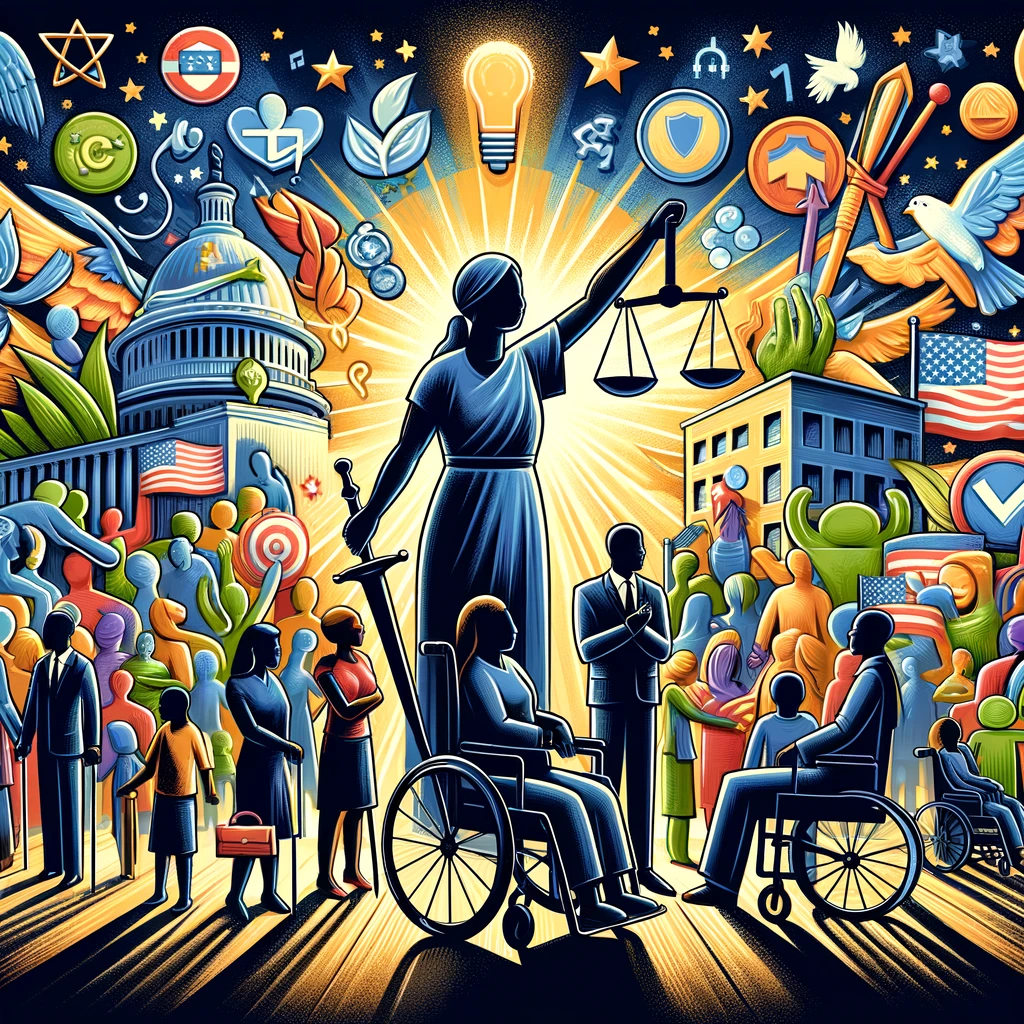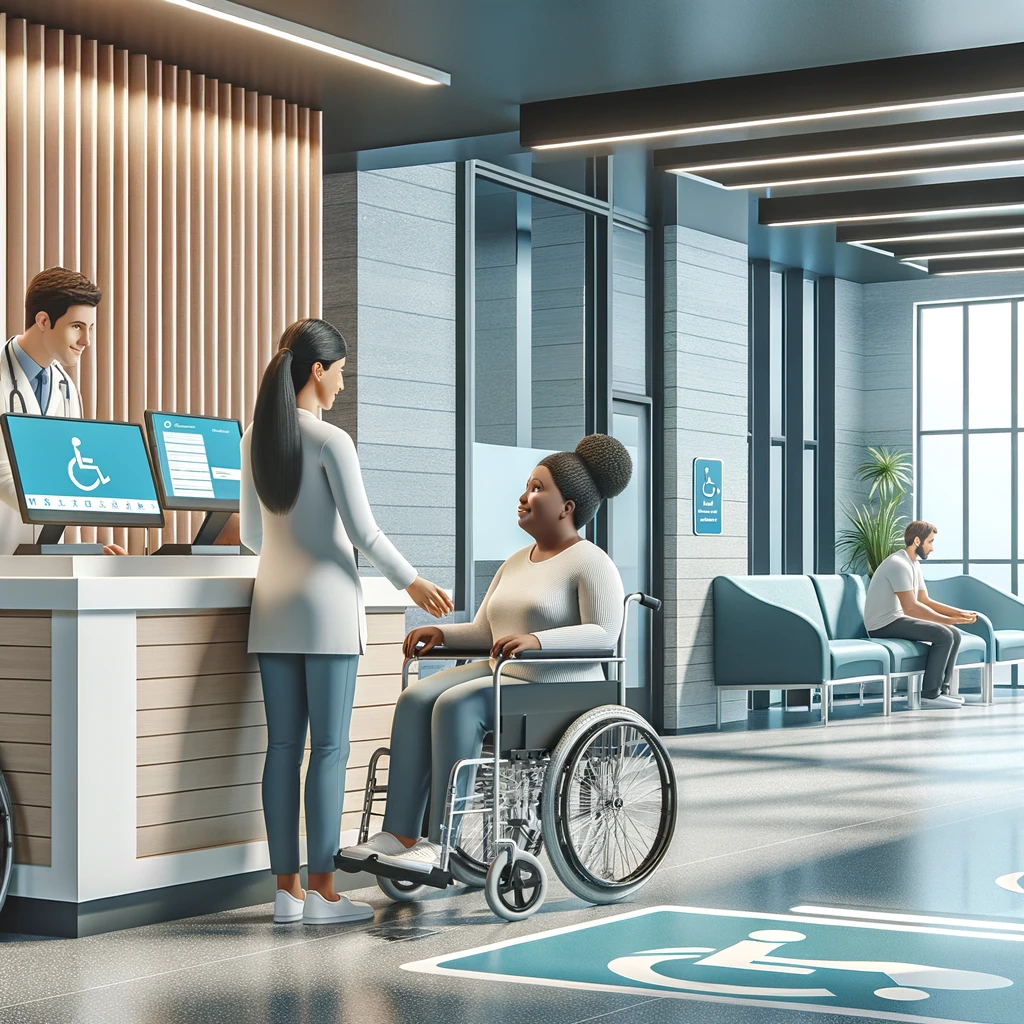
Empowering the disabled community in non-profit work starts with understanding how the Americans with Disabilities Act applies beyond ramps and parking spaces to hiring, programs, communications, digital access, and governance. In practice, ADA rights are the civil rights protections that prohibit disability discrimination and require equal opportunity, effective communication, and reasonable modifications in many settings where non-profits operate. Advanced ADA topics matter because charities, foundations, advocacy groups, arts organizations, schools, shelters, and faith-adjacent service providers often serve people at moments of high need, where inaccessible systems cause immediate harm. I have worked with non-profit teams reviewing intake forms, event plans, websites, volunteer policies, and grant deliverables, and the same pattern appears repeatedly: leaders support inclusion in principle but underestimate the legal and operational depth involved. This hub article explains the advanced issues that shape compliant, usable, and dignified access so organizations can reduce risk, improve service quality, and build trust with disabled staff, volunteers, donors, and community members.
How ADA coverage works in non-profit settings
Non-profits are not automatically exempt from ADA obligations. Coverage depends on function, facility use, employment status, public interface, and whether the organization operates a place of public accommodation or receives public funding that triggers related laws such as Section 504 of the Rehabilitation Act. Title I governs employment for covered employers, Title II applies to state and local government entities, and Title III applies to private entities operating places of public accommodation, including many museums, schools, social service agencies, theaters, day care centers, recreation sites, and health-related programs. Even when a non-profit believes it falls outside one provision, other duties may still apply through contracts, grants, licensing, state disability rights laws, or local human rights ordinances.
The practical question is not only “Are we covered?” but “Where can exclusion happen?” In my audits, the highest-risk areas are application portals, event registration, emergency procedures, inaccessible PDFs, volunteer role design, and rigid attendance policies. A food pantry may have an accessible entrance but no interpreter process for deaf clients. A scholarship program may accept applications online but use unlabeled form fields that block screen-reader users. A shelter may have a service-animal policy copied from a landlord template that violates ADA rules for program participants. ADA compliance in non-profit work is therefore a systems issue, not a facilities checklist.
Reasonable accommodation, reasonable modification, and effective communication
Three concepts drive most advanced ADA analysis. In employment, a reasonable accommodation is an adjustment that enables a qualified employee or applicant with a disability to perform essential functions or enjoy equal benefits of employment. In public-facing services, a reasonable modification changes policies, practices, or procedures when necessary to avoid discrimination, unless the change would fundamentally alter the nature of the service. Effective communication requires organizations to provide auxiliary aids and services when needed so communication with people with disabilities is as effective as communication with others.
Confusion between these duties causes common mistakes. A non-profit may treat a client request for extra time during a training program as if it were an HR accommodation issue, when it is actually a program modification question. Another may assume captioning is optional because a participant did not submit a formal request, even though recurring webinars and public videos should be planned for accessibility from the start. The Department of Justice has consistently emphasized individualized assessment, and the Equal Employment Opportunity Commission has done the same in workplace contexts. The right response is a structured, documented process that identifies the barrier, the requested solution, possible alternatives, timing, cost, and whether outside funding or tax incentives can offset expense.
Digital accessibility is now central to ADA rights
For many non-profits, the website is the front door, the intake desk, the donation platform, and the program calendar at once. That makes digital accessibility a core ADA issue. The most widely accepted technical benchmark is WCAG 2.1 Level AA, and organizations that ignore it create predictable barriers for blind users, low-vision users, deaf and hard-of-hearing users, people with mobility impairments, and users with cognitive disabilities. In recent reviews, I have found the same failures repeatedly: missing alternative text on campaign images, poor color contrast on donation buttons, keyboard traps in modal forms, auto-playing videos without captions, inaccessible CAPTCHA tools, and PDFs generated from scans with no text layer.
Advanced compliance goes beyond fixing homepages. Non-profits must evaluate third-party platforms for ticketing, telehealth, learning management, volunteer scheduling, and donor management because outsourced barriers still block access to the organization’s services. Contracts should address accessibility conformance, remediation timelines, and testing rights. Practical testing should include automated tools such as WAVE or axe, but also manual keyboard testing, screen-reader review with NVDA or JAWS, zoom checks, caption accuracy review, and plain-language assessment. Accessibility statements help when they include a real contact method and response protocol, but they are not a substitute for remediation. If a grant application is due in five days, a broken accessible form is not a minor inconvenience; it is exclusion at the moment access matters most.
Employment, volunteers, and the limits of informal practice
Non-profits often operate with lean staffing, blurred roles, and mission-driven urgency, which can lead to inconsistent disability rights practices. Employment decisions should separate essential functions from customary but nonessential preferences. If lifting twenty pounds appears in every job description because an old template included it, applicants may be screened out unlawfully. Attendance rules require careful analysis too. A rigid policy that penalizes disability-related treatment absences without considering accommodation can create direct liability. The interactive process should be timely, confidential, and documented, with medical inquiries limited to what is job-related and consistent with business necessity.
Volunteer issues are more nuanced because federal ADA employment rules do not always apply to volunteers the same way they apply to employees. Still, non-profits should not treat volunteer accessibility as optional. Many organizations rely on volunteers in public-facing roles, and inaccessible training, scheduling, or supervision undermines both mission and reputation. I advise teams to use one inclusion framework for staff and volunteers wherever possible: accessible recruitment materials, flexible training formats, clear task analysis, and centralized request handling. That approach reduces confusion, supports retention, and aligns with state laws that may be broader than federal requirements.
| Area | Common non-profit mistake | Better ADA-aligned practice |
|---|---|---|
| Hiring | Using inflated physical requirements in job postings | Define essential functions based on actual duties and consider accommodations |
| Programs | Waiting for participants to “prove” need before planning access | Build captioning, accessible formats, and modification procedures into standard operations |
| Events | No budget line for interpreters or accessible transportation | Create annual accessibility budgets and vendor lists in advance |
| Websites | Relying only on automated scans | Combine WCAG testing tools with manual and user testing |
| Governance | Board packets sent as scanned PDFs | Distribute tagged documents in accessible formats with adequate lead time |
Facilities, events, transportation, and service animals
Physical access remains fundamental, but advanced ADA work requires looking beyond permanent architecture. Temporary events, leased venues, mobile services, and shared campuses create recurring compliance gaps. A gala in a historic building may have an accessible entrance yet place the registration desk on a platform reached only by stairs. A legal clinic may rotate among partner sites without checking accessible restrooms, drop-off zones, or interior route widths. Event planning should cover seating dispersion, stage access, assistive listening systems, quiet rooms, scent-aware practices, accessible emergency egress, and registration forms that ask about accommodation needs in plain language.
Transportation questions are especially important for community-based non-profits. If a program relies on shuttle vans, ride-share vouchers, or volunteer drivers, access cannot be an afterthought. Wheelchair securement, driver training, pickup flexibility, and communication access during scheduling all affect equal participation. Service-animal misunderstandings are also common. Staff may ask for documentation, restrict animals based on breed or size, or exclude handlers from food-service areas where the ADA would still permit service animals. The lawful inquiry is narrow: whether the animal is required because of a disability and what work or task it has been trained to perform. Emotional support animals are treated differently under the ADA, and policies must reflect that distinction accurately.
Governance, grants, and risk management
Advanced ADA compliance reaches the boardroom. Governance documents, complaint systems, strategic plans, and oversight routines determine whether accessibility survives staff turnover and funding pressure. Boards should receive accessible materials, include disability access in enterprise risk reviews, and ask management for metrics such as accommodation response time, website remediation status, and unresolved barriers in key programs. When boards treat disability rights as a line-item facilities issue, organizations miss legal exposure in procurement, communications, and program design.
Grantmaking and grants administration add another layer. Funders increasingly expect accessible outreach, application systems, and reporting processes. A foundation that requires inaccessible online applications can exclude disabled-led groups before dollars are even awarded. A service provider accepting federal funds may have obligations under Section 504 that are broader or more explicit than baseline ADA assumptions. Strong practice includes accessibility clauses in subawards and vendor agreements, pre-award review of digital tools, designated funding for accommodations, and complaint escalation paths. Insurance can help with some defense costs, but it does not replace prevention. The cheaper path is disciplined planning, staff training, and routine audits tied to corrective action deadlines.
Building a durable accessibility program
The most effective non-profits do not treat ADA rights as a set of isolated requests. They build an accessibility program with policy, budget, ownership, and measurement. Start with a current-state assessment covering employment, facilities, technology, communications, procurement, and programs. Then create standards: WCAG-based digital requirements, accessible document rules, event accessibility checklists, accommodation workflows, and service-animal guidance. Train managers, front-line staff, and volunteers differently because each group encounters distinct problems. Front-desk teams need scripts for handling requests respectfully; HR needs confidentiality discipline; program leaders need modification analysis; procurement staff need contract language and vendor review tools.
Accountability is what turns policy into protection. Assign a coordinator or cross-functional team, maintain a centralized request log, review complaints for patterns, and test changes with disabled users whenever possible. Publish contact information that reaches a real person, not a dead inbox. Most importantly, involve disabled community members in planning before problems arise. In my experience, the best solutions come from co-design: a blind board member improving packet workflows, autistic participants refining sensory accommodations, or wheelchair users reshaping event layouts. As a hub for advanced topics in ADA rights, this article points to the core rule that should guide every related policy and practice: access must be built into non-profit work, not added after exclusion occurs. Review your programs, tools, and policies now, identify the highest-friction barriers, and make accessibility a standing operational priority.
Frequently Asked Questions
How does the ADA apply to non-profit organizations, and does being mission-driven change their legal responsibilities?
The Americans with Disabilities Act can apply to non-profit organizations in several important ways, depending on how the organization operates, how many employees it has, whether it serves the public, and whether it receives public funding or partners with government entities. A non-profit’s charitable mission does not exempt it from disability rights obligations. In many cases, non-profits must comply with ADA rules related to employment, public access to programs and services, effective communication, and reasonable modifications to policies and practices.
For employment, Title I of the ADA generally applies to employers with 15 or more employees and prohibits disability discrimination in hiring, firing, advancement, compensation, training, and other terms of employment. That means a covered non-profit cannot reject a qualified applicant simply because of a disability if the person can perform the essential functions of the job with or without a reasonable accommodation. For public-facing operations, Title III may apply when a non-profit operates a place of public accommodation, such as a museum, theater, school, social service center, shelter, clinic, or retail-style fundraising space. In some situations, Title II may also be relevant when a non-profit is carrying out government-funded programs or operating in close connection with a public entity.
Practically speaking, ADA compliance for non-profits reaches far beyond wheelchair ramps and accessible parking. It includes accessible intake processes, non-discriminatory volunteer and employment practices, sign language interpreters when needed for effective communication, accessible websites and online forms, service animal policies, and modifications to eligibility or attendance rules when reasonable. The core principle is equal opportunity. If a non-profit offers services, hosts events, runs community programs, conducts outreach, or governs itself through board and committee processes, it should be evaluating whether disabled people can participate meaningfully and on equal terms.
What are reasonable accommodations and reasonable modifications in a non-profit setting?
Reasonable accommodations and reasonable modifications are practical changes that help ensure people with disabilities have equal access to jobs, programs, and services. In employment, the term “reasonable accommodation” usually refers to changes that enable a qualified employee or applicant with a disability to participate in the hiring process, perform essential job duties, or enjoy equal benefits and privileges of employment. Examples in a non-profit workplace might include modified schedules, remote work arrangements, ergonomic equipment, screen-reader-compatible software, captioned training videos, reassignment to a vacant position, or providing materials in accessible formats.
In the context of public services and programs, “reasonable modifications” usually means adjustments to policies, practices, or procedures so that disabled participants are not excluded. For example, a food pantry might allow a support person to assist a client during intake, a community arts program might modify attendance rules related to disability-related absences, or a fundraising event might adjust check-in procedures for attendees with mobility or sensory disabilities. A shelter, after-school program, advocacy group, or religiously affiliated charity engaged in public service may need to review rules that unintentionally screen out disabled people.
The law does not require every requested change in every circumstance. A non-profit generally does not have to provide an accommodation or modification that would create an undue hardship, fundamentally alter the nature of a program, or pose a direct threat that cannot be mitigated. Still, organizations should not jump to those conclusions too quickly. The best practice is an individualized, interactive process: ask what barrier exists, explore options, assess feasibility, and document the decision. Many accommodations are low-cost or no-cost, and thoughtful modifications often improve access for many people, not just one individual.
Do non-profits need to make their websites, online programs, and digital communications accessible under the ADA?
Yes, digital accessibility is increasingly recognized as a core part of ADA compliance and disability inclusion. If a non-profit uses a website, online donation platform, volunteer portal, job application system, webinar platform, social media, or email communications to engage the public, deliver services, or manage participation, those digital tools should be accessible to people with disabilities. For many organizations, the website is the front door to programs, events, fundraising, and resources. If that front door is inaccessible, disabled people may be excluded just as effectively as if a building had steps and no ramp.
Accessible digital practices include using proper heading structure, keyboard navigation, alt text for meaningful images, sufficient color contrast, readable PDFs, captions for videos, transcripts for audio content, and forms that work with screen readers and assistive technology. Online event registration, donation processing, volunteer sign-up, and application systems should not require mouse-only navigation or visual cues that exclude blind, low-vision, or mobility-impaired users. Communications should also support effective access for deaf, hard of hearing, blind, low-vision, cognitive, and neurodivergent users. That can include plain language, captions, accessible document formats, and avoiding design choices that create unnecessary barriers.
While the ADA does not always spell out a single technical checklist in every scenario, widely accepted accessibility standards such as the Web Content Accessibility Guidelines are often used as the benchmark for what accessible digital design looks like. Non-profits should not wait for a complaint to act. A strong accessibility strategy includes auditing websites and platforms, training staff, building accessibility into procurement and vendor contracts, testing with assistive technology, and creating a clear process for users to report barriers. Digital access is no longer optional. It is a civil rights issue and a practical necessity for any mission-driven organization that wants to serve the full community.
What does “effective communication” mean under the ADA for non-profits serving the public?
Effective communication means that communication with people with disabilities must be as clear, timely, and usable as communication with others. For non-profits, this can affect nearly every public interaction: intake interviews, workshops, counseling sessions, public meetings, board presentations, fundraising galas, educational programs, volunteer trainings, complaint processes, and emergency notifications. The exact communication aid or service needed depends on the person and the situation, but the legal standard is meaningful access, not a minimal effort.
For people who are deaf or hard of hearing, effective communication may require qualified sign language interpreters, real-time captioning, assistive listening systems, written materials, or captioned video content. For people who are blind or have low vision, it may mean screen-reader-accessible documents, large print, Braille in some settings, audio formats, or staff assistance with forms and visual information. For individuals with speech disabilities, staff may need to allow more time, accept alternative communication methods, or use communication boards or technology. For people with intellectual, cognitive, or learning disabilities, plain-language materials and clear, structured explanations can be essential.
Non-profits should avoid assuming that one-size-fits-all solutions are enough. For example, exchanging handwritten notes may not be effective in a complex legal intake or counseling session, and sending an image-only flyer is not an accessible way to announce a program. The best approach is to ask individuals what they need, plan ahead for common accommodation requests, budget for communication access, and train frontline staff not to dismiss requests as inconvenient. Effective communication is a fundamental ADA principle because access is not real if a person cannot understand, engage with, or respond to the information being provided.
How can non-profits build ADA compliance into leadership, governance, and everyday operations instead of treating it as an afterthought?
The most effective non-profits treat ADA compliance as part of organizational leadership, risk management, and mission delivery rather than as a facilities issue handled only when a problem arises. That starts with governance. Boards and executive leaders should understand that disability rights affect employment, service design, communications, technology, procurement, events, volunteer engagement, and strategic planning. Accessibility should appear in policies, budgets, vendor standards, staff training, and performance expectations. If an organization claims to serve the whole community, disability inclusion should be visible at the decision-making level.
In daily operations, that means conducting accessibility reviews of physical spaces, websites, forms, event procedures, transportation plans, emergency protocols, grievance processes, and hiring systems. It also means assigning responsibility. Someone should own accessibility coordination, but accountability should not rest with one person alone. Program managers, HR staff, communications teams, IT staff, and event planners all have a role. Non-profits should maintain clear procedures for accommodation requests, document how they respond, and regularly revisit policies that may unintentionally exclude disabled employees, volunteers, board members, donors, or program participants.
Just as important, organizations should include disabled people in leadership and planning. Compliance is stronger when informed by lived experience. That can mean accessible board recruitment, compensated advisory roles, user testing by disabled participants, community listening sessions, and partnerships with disability-led groups. A proactive, inclusive approach reduces legal risk, improves service quality, broadens community trust, and better aligns the organization with its stated values. In non-profit work, ADA rights are not a technical side issue. They are a framework for equal participation, dignity, and accountability.