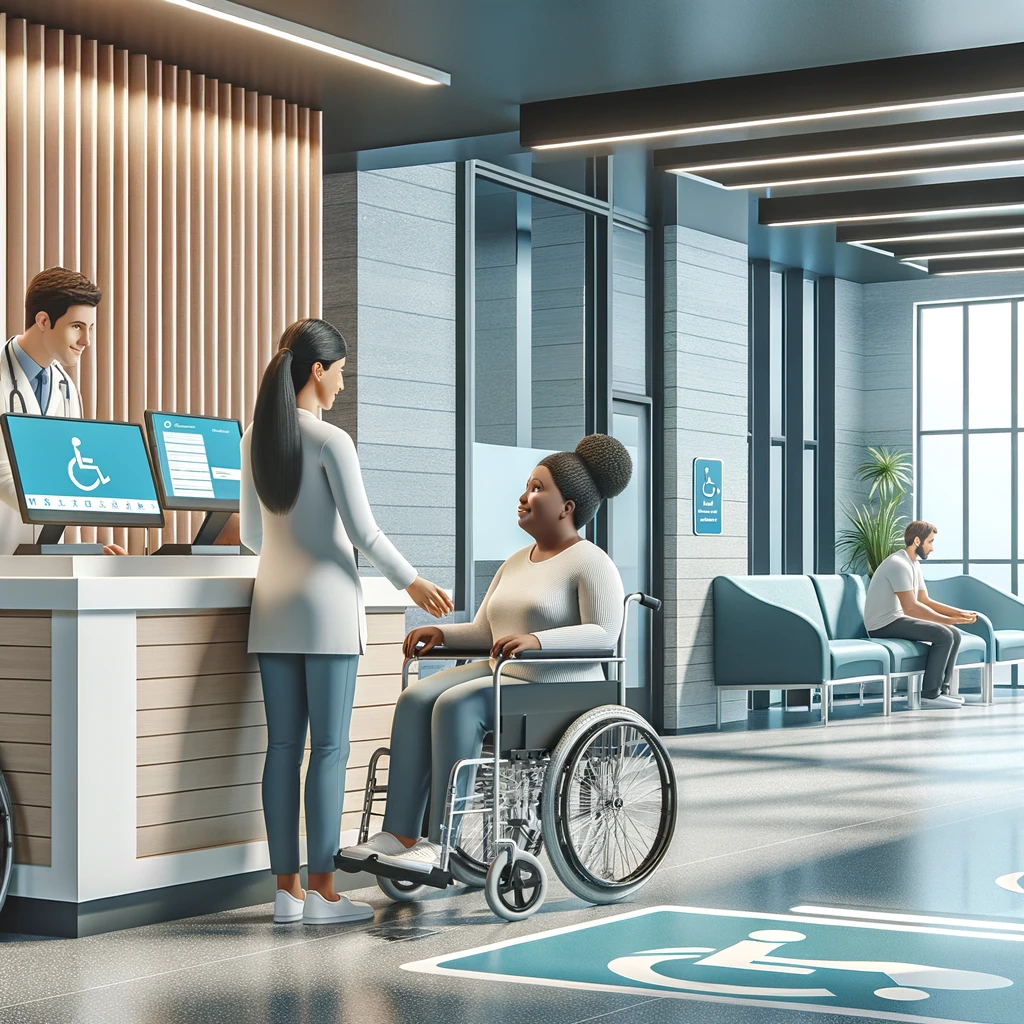
Empowering education under the Americans with Disabilities Act requires more than ramps, captioning, or a disability services office. It requires institutions to understand how civil rights law applies across classrooms, residence halls, websites, athletics, transportation, and discipline. In schools and universities, ADA case studies are valuable because they show how broad legal principles become daily decisions about access, dignity, and equal opportunity. They also reveal where institutions succeed, where they fail, and what practical compliance looks like when real students, families, faculty, and administrators are involved.
The ADA is the federal law that prohibits disability discrimination by public entities and places of public accommodation. In education, it often works alongside Section 504 of the Rehabilitation Act, the Individuals with Disabilities Education Act, and the Fair Housing Act. Advanced ADA rights issues go beyond the basic question of whether a student can get extra time on an exam. They include effective communication for deaf students, web accessibility for online learning platforms, housing modifications, service animal policies, mental health leave, retaliation, and the obligation to make individualized decisions rather than rely on stereotypes. I have worked through these issues with institutions and families, and the pattern is consistent: the hardest cases usually involve process failures, not just policy gaps.
This hub article examines advanced topics in ADA rights through the lens of schools and universities. It explains what courts and federal agencies tend to focus on, why certain disputes repeat across campuses, and how institutions can reduce risk while improving outcomes for students. Because this page serves as a hub under rights and protections, it is designed to anchor related articles on accommodations, discipline, digital access, housing, athletics, employment, and grievance procedures. If you need a clear starting point for understanding ADA case studies in education, the most important principle is simple: equal access must be real, timely, and individualized.
How the ADA Applies Across Educational Settings
Advanced ADA analysis starts with coverage. Public K-12 districts, community colleges, and state universities are generally covered by Title II. Private schools and private universities may fall under Title III if they are places of public accommodation, while religious institutions can be exempt in certain contexts. Section 504 applies to recipients of federal financial assistance, which includes most colleges and many schools. The legal overlap matters because a student may raise the same facts under multiple statutes, but the standards, remedies, and enforcement pathways can differ.
In practice, schools often make mistakes by assuming one office owns compliance. Disability services may handle academic adjustments, but ADA obligations also reach admissions, campus police, student conduct, procurement, facilities, technology, housing, and health services. A blind student blocked by an inaccessible learning management system is not facing only a classroom problem. A wheelchair user assigned to an inaccessible dorm is not facing only a housing issue. The institution is responsible for coordinated access across the full student experience.
Federal enforcement patterns support this broad view. The Department of Justice and the Department of Education’s Office for Civil Rights repeatedly emphasize timely interactive processes, effective communication, and equal access to programs when viewed in their entirety. Courts also look closely at whether the institution considered individual circumstances or instead used blanket rules. That distinction explains why two disputes that sound similar can produce very different outcomes.
Case Studies on Academic Accommodations and Individualized Decision-Making
Academic accommodations are often treated as the center of ADA compliance, but the advanced issues are more nuanced than note-taking help or extended test time. The key legal question is whether the requested modification is reasonable and whether denying it was based on an individualized assessment. Schools and universities are not required to fundamentally alter essential program requirements, yet they must be able to define those essential requirements with evidence rather than habit.
A common university dispute involves professional programs such as nursing, medicine, engineering, or teacher education. Institutions sometimes deny flexibility in attendance, clinical scheduling, or testing formats by asserting that standards are fixed. Courts and OCR look for careful analysis: What learning outcome is essential? Is there another way to assess it? Has the institution allowed similar flexibility for non-disability reasons? If a medical student can demonstrate diagnostic reasoning through an oral exam instead of a written one without changing the competency being measured, refusal may be difficult to justify.
K-12 disputes often arise when schools confuse disability-related behavior or executive functioning limits with noncompliance. A student with ADHD, autism, or anxiety may need organizational supports, sensory breaks, modified homework volume, or a behavior intervention plan. Denials frequently stem from staff saying the student is capable but not trying. That framing is risky. ADA and Section 504 require schools to examine whether barriers, not willfulness, are driving performance problems.
| Issue | Typical Error | Better ADA-Compliant Response |
|---|---|---|
| Extended testing time | Demanding excessive documentation beyond policy | Review current functional limitations and approve promptly when supported |
| Flexible attendance | Using a blanket “no absences” rule | Assess whether attendance is essential in that course and define limits clearly |
| Alternative formats | Providing materials weeks late | Coordinate procurement and conversion before the term begins |
| Clinical placements | Relying on assumptions about safety | Use objective evidence and consider accommodations case by case |
From experience, the strongest institutions document the rationale behind each accommodation decision and revisit it when circumstances change. The weakest institutions rely on old templates, inconsistent faculty discretion, or undocumented conversations. In litigation, that difference is decisive.
Digital Accessibility, Effective Communication, and Online Learning
Digital access has moved from a niche issue to a central ADA rights topic in education. Learning management systems, lecture capture tools, publisher platforms, library databases, clicker apps, admissions portals, and campus websites all affect equal access. When any of those systems are inaccessible, students can be excluded from programs even if classroom accommodations exist on paper.
The most useful benchmark is the Web Content Accessibility Guidelines, now commonly referenced in settlements and institutional policies. WCAG addresses perceivable, operable, understandable, and robust content. In plain terms, that means videos need accurate captions, images need meaningful alternative text, forms must work with screen readers, PDFs should be tagged properly, and keyboard navigation must be possible without a mouse. A school cannot solve digital barriers by waiting for a student complaint after classes begin. Timeliness is part of access.
Effective communication claims also reach live events and instructional settings. Deaf and hard-of-hearing students may need CART, sign language interpreters, assistive listening systems, or captioned media. The correct aid depends on context, complexity, and the student’s usual method of communication. Offering one generic option to every student is not enough. OCR resolutions have repeatedly made this point in cases involving lectures, labs, orientation sessions, and extracurricular programming.
Remote learning intensified these obligations. During the pandemic, many institutions discovered that inaccessible proctoring software, uncaptioned recorded lectures, and scanned image PDFs created immediate legal exposure. The lesson remains relevant: technology procurement is an ADA issue. Accessibility review should be built into vendor contracts, pilot testing, and renewal decisions, not treated as an afterthought once the semester is underway.
Housing, Campus Life, and Service Animal Disputes
Some of the most consequential ADA case studies happen outside the classroom. Students live, eat, socialize, work, and receive health services on campus. If access fails in those spaces, educational participation fails too. Housing disputes often involve accessible rooms, bathroom modifications, meal plan adjustments, fragrance policies, and emotional support or service animal requests. The legal framework can involve the ADA, Section 504, and sometimes the Fair Housing Act, especially in university housing.
Residence life offices often create avoidable conflict by applying housing rules mechanically. I have seen institutions deny room changes for students with mobility impairments because the official accessible inventory was full, even though equivalent adjustments could have been arranged through reassignments or temporary modifications. I have also seen schools challenge service animals with intrusive demands for paperwork or force students to explain private medical details to front-line staff. Those practices create both legal and reputational risk.
The best approach is structured but flexible. Institutions should separate legitimate conduct standards, such as control of the animal or sanitation requirements, from impermissible demands for diagnosis-based disclosure. They should also train housing, dining, and campus safety staff together. Many service animal conflicts escalate because one office approves access while another office is unaware and attempts enforcement under a general no-pets rule.
Campus life cases also include accessible events, student organizations, study abroad, and recreation. If a university advertises a leadership retreat, club fair, or graduation ceremony, it must consider mobility routes, captioning, accessible transportation, seating integration, and communication supports. Equal access is not limited to core academics.
Mental Health, Discipline, and the Limits of Safety-Based Exclusion
Mental health disability issues are now among the fastest-growing sources of ADA conflict in higher education. Leaves of absence, return-to-campus conditions, threat assessment decisions, and behavioral interventions require institutions to balance safety with non-discrimination. The legal principle is straightforward: schools may act on direct threat concerns, but the analysis must be individualized, current, and based on objective evidence. Fear, stigma, or generalized assumptions about psychiatric disability are not enough.
Many problematic cases involve blanket withdrawal policies after hospitalization, suicide attempts, or crisis evaluations. Federal agencies have challenged institutions that required automatic leave, barred re-enrollment absent broad medical clearance, or imposed extra conditions on students with mental health histories that were not applied to others. A lawful process looks different. It asks what specific risk exists, what reasonable modifications could reduce it, and whether the student can participate safely with support.
Discipline poses similar challenges in K-12 and university settings. Conduct codes can be enforced, but schools must consider whether disability-related behavior triggered the incident and whether accommodations, de-escalation strategies, or policy modifications were overlooked. This does not mean dangerous behavior must be ignored. It means disability cannot be removed from the analysis when the institution decides sanctions, exclusions, or emergency measures.
Well-run campuses use behavioral intervention teams carefully, document objective facts, and maintain close coordination between disability services, student affairs, counseling, and legal counsel. Poorly run campuses confuse wellness checks with discipline or substitute vague “fit to return” standards for individualized review. That is where many enforcement actions begin.
Athletics, Clinical Programs, Internships, and Other High-Stakes Environments
Advanced ADA rights become especially complex in programs that involve physical performance, licensing standards, or third-party placements. Athletics disputes may concern accessible facilities, auxiliary aids, equal opportunity to try out, or modifications that do not fundamentally alter competition. Universities cannot assume that disability automatically disqualifies an athlete from participation. They must examine the specific sport, the requested modification, governing body rules, and actual risk evidence.
Clinical placements and internships raise another recurring issue: what happens when a third party resists accommodation. Hospitals, schools, and employers sometimes object to interpreters, modified schedules, or assistive technology for student trainees. The educational institution cannot simply step back and say the site refused. It must engage, explore alternatives, and determine whether another placement or support method can preserve equal access while meeting essential competencies.
Licensure and testing disputes also matter. Students in law, medicine, psychology, architecture, and teacher preparation often need documentation that translates classroom history into professional examination accommodations. Institutions should understand the difference between academic success and high-stakes testing barriers. A student who succeeded with captioned media, reduced-distraction environments, or accessible software may still encounter separate access problems on licensing exams or field evaluations.
These environments demand precision. Essential eligibility criteria should be documented in advance, reviewed regularly, and tied to actual competencies. When programs cannot explain why a requirement is essential, they are vulnerable. When they can explain it and still explore reasonable alternatives, they are on much firmer ground.
Building Durable Compliance Through Policy, Training, and Grievance Systems
The institutions that avoid repeated ADA disputes rarely rely on a single policy memo. They build systems. That means current accommodation procedures, accessibility standards for digital procurement, trained faculty, documented interactive processes, prompt grievance channels, and periodic audits of physical and virtual barriers. It also means leadership attention. Without cabinet-level ownership, disability access gets fragmented across departments with different budgets and priorities.
Grievance procedures are especially important for a rights and protections framework. Students need a clear path to raise concerns without retaliation, and staff need guidance on escalation. Informal resolution can work, but it should not replace a structured process with timelines, written outcomes, and appeal options. Institutions should also preserve records showing what was requested, what was provided, and why certain alternatives were accepted or rejected.
Data helps. Tracking accommodation turnaround time, captioning delays, accessible housing inventory, website audit results, and recurring complaint categories can reveal systemic issues before they become lawsuits. Tools such as WAVE, axe, and Adobe Acrobat accessibility checkers are useful, but no tool replaces manual review and user testing. Compliance is operational, not merely technical.
This hub page connects the full range of advanced topics in ADA rights because education access depends on the whole system working together. Explore the related articles on accommodations, digital accessibility, housing, discipline, employment, and grievance procedures, then compare your institution’s practices against the standards described here. The benefit is not only legal risk reduction. It is a campus where access is dependable, students are treated fairly, and educational opportunity is truly shared.
Frequently Asked Questions
What do ADA case studies in schools and universities actually teach administrators and educators?
ADA case studies help schools, colleges, and universities move from abstract legal requirements to practical decision-making. The Americans with Disabilities Act is often discussed in terms of broad duties such as providing equal access, avoiding discrimination, and making reasonable modifications, but case studies show what those duties look like in real situations. They may involve a student who needs accessible housing, a faculty member navigating attendance policies, a campus website that is unusable with screen readers, or an athlete denied an equal opportunity to participate. By examining how these situations were handled, institutions can better understand where legal risk begins and where inclusive practice should already be the norm.
Just as importantly, case studies reveal that compliance is not limited to one office. Disability services may coordinate accommodations, but ADA responsibilities extend across admissions, academic departments, housing, student conduct, transportation, athletics, campus safety, technology, and human resources. A strong case study often shows how failures happen when institutions treat disability access as a narrow accommodation issue instead of a campus-wide civil rights obligation. It also shows that successful outcomes usually come from communication, individualized assessment, and a willingness to remove barriers before they become disputes. For educators and administrators, the value of these examples is that they turn legal principles into operational lessons that can improve both compliance and student experience.
How is the ADA applied beyond classroom accommodations in higher education and K-12 settings?
Many people associate the ADA only with note-taking support, extra testing time, or physical accessibility, but its reach is much broader. In schools and universities, the law can affect nearly every aspect of campus life and educational participation. That includes accessible residence halls, captioned videos, usable learning management systems, interpreters for campus events, transportation between facilities, emergency preparedness procedures, dining access, recreation programs, and student disciplinary processes. In K-12 environments, the ADA can intersect with field trips, extracurricular activities, parent communications, and school-sponsored digital platforms. In higher education, it also touches internships, clinical placements, online courses, commencement ceremonies, and student organizations.
Case studies are especially useful here because they make clear that equal access means more than entry into a building or program. A student may technically be admitted to a course or campus program but still face exclusion if key materials are inaccessible, if attendance policies are rigidly enforced without considering disability-related needs, or if housing assignments fail to account for mobility, sensory, or psychiatric disabilities. Similarly, a university may believe it is compliant because it has a disability services office, yet still violate the ADA if its procurement practices bring in inaccessible software or if campus events are routinely held without communication access. Real-world cases show that the ADA applies to the full student experience, not just the classroom seat.
What are the most common mistakes institutions make in ADA-related situations?
One of the most common mistakes is relying on assumptions instead of conducting an individualized assessment. Institutions sometimes deny requests because they believe a modification would be too difficult, would alter a program, or is simply unfamiliar, without analyzing the specific circumstances. That approach creates legal and practical problems. The ADA generally requires schools and universities to consider the actual barrier, the requested change, the student’s documented needs, and whether an effective alternative exists. A reflexive “no” can be just as problematic as a delayed response, especially when the delay itself results in exclusion from classes, housing, or activities.
Another frequent error is treating accessibility as reactive rather than proactive. Schools may wait for complaints before captioning videos, auditing websites, or reviewing transportation and housing policies. Others make the mistake of isolating ADA responsibility in one office, even though decisions affecting access are often made elsewhere. Faculty may apply inflexible attendance or participation rules, student conduct staff may misinterpret disability-related behavior without considering reasonable modifications, or athletics departments may overlook equal access in facilities and opportunities. Case studies repeatedly show that institutions run into trouble when communication is poor, documentation standards are inconsistent, appeal processes are unclear, or disability access is treated as a courtesy instead of a civil right. The most effective institutions use these lessons to build systems, training, and accountability across campus.
Why are digital accessibility and online learning such important parts of ADA case studies today?
Digital accessibility has become central because educational access now depends heavily on technology. Students register for classes online, complete coursework in learning platforms, watch lecture videos, submit assignments through web portals, communicate through apps, and access support services digitally. If those tools are not accessible to students who are blind, deaf, have low vision, use assistive technology, or have cognitive or motor disabilities, the result can be exclusion every bit as serious as an inaccessible building. ADA case studies involving websites, course content, library databases, and classroom technology demonstrate that digital barriers can block participation at multiple points in a student’s academic journey.
These cases also show that accessibility is not just an IT issue. Procurement teams, faculty, instructional designers, communications staff, librarians, and vendors all play a role. A university may create problems by adopting inaccessible software, posting uncaptioned videos, uploading scanned PDFs that screen readers cannot interpret, or using testing platforms that are incompatible with assistive tools. In online and hybrid learning environments, these barriers can multiply quickly. The lesson from modern ADA case studies is that digital accessibility should be built into course design, vendor review, training, and governance from the start. Institutions that take this seriously reduce legal exposure, improve usability for everyone, and better fulfill their educational mission.
How can schools and universities use ADA case studies to improve policy, training, and campus culture?
The best use of ADA case studies is as a tool for prevention and institutional learning. Rather than viewing them only as cautionary tales, schools and universities can use them to identify weak points in policy, workflow, and culture. For example, a case involving inaccessible housing can prompt a review of residence life procedures, emergency evacuation planning, and room assignment practices. A dispute over academic accommodations can lead to clearer faculty guidance, faster response timelines, and better interactive processes. A case involving student discipline may encourage administrators to distinguish between safety concerns, misconduct, and disability-related conduct while still maintaining essential standards. In each instance, the value lies in translating legal outcomes into practical reforms.
Case studies also support more effective training because they are concrete and relatable. Faculty and staff often learn better from realistic scenarios than from summaries of legal text alone. When institutions use case-based training, they can help employees recognize barriers earlier, ask better questions, coordinate across departments, and respond with greater consistency. Over time, this strengthens campus culture by framing disability access as part of dignity, equity, and participation rather than as a special exception. That cultural shift matters. The institutions that handle ADA obligations most effectively are usually the ones that see accessibility as a shared responsibility woven into planning, design, and leadership. Case studies help make that mindset actionable.