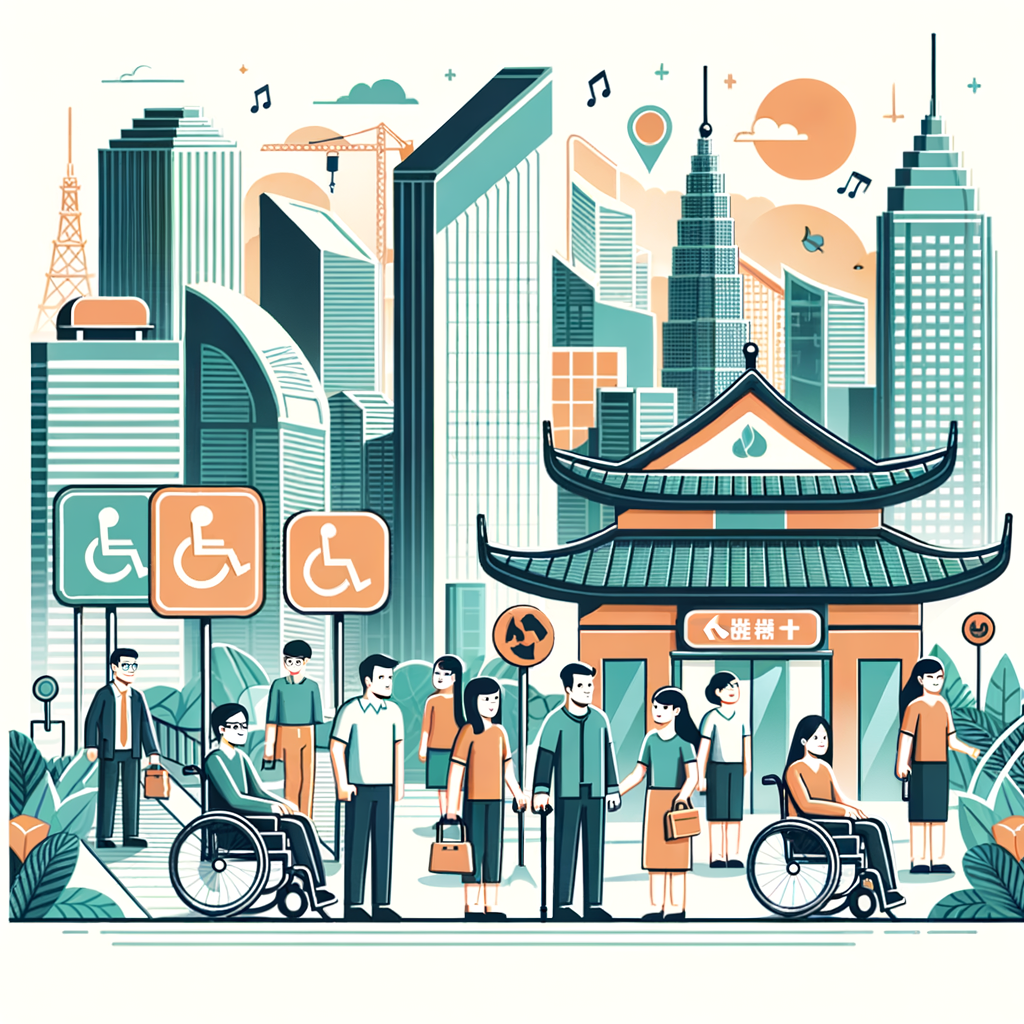
The modern world is becoming increasingly interconnected. As nations come together on global platforms, communication, technology, and policies transcend borders, leading to collaborative efforts in various spheres. One critical area that benefits immensely from international collaboration is accessibility. Accessibility, in this context, refers to designing products, devices, services, or environments for people with disabilities. It encompasses not only physical accessibility but also digital accessibility, which ensures that online resources and tools are usable by all, regardless of ability or disability. As we evolve into a highly digitalized society, ensuring accessibility becomes paramount for inclusivity and equality.
But why does international collaboration in accessibility matter? First, it allows best practices from around the globe to be shared, improving the overall standard of accessibility. Secondly, it leads to the creation of uniform guidelines and standards that various countries can adopt, ensuring consistency worldwide. As technology evolves at a breakneck pace, collaborative international efforts for accessibility ensure no one is left behind, promoting the social and economic well-being of all individuals, regardless of their physical or digital capabilities. The importance of comprehensive global efforts towards accessibility cannot be overstated, impacting education, employment, and everyday life. Let us delve deeper into how these efforts are playing out on the global stage.
Global Standardization of Accessibility Guidelines
One of the most significant collaborative international efforts is the establishment of global standards for accessibility. The Web Content Accessibility Guidelines (WCAG), developed by the World Wide Web Consortium (W3C), are a prime example of this. These guidelines provide a set of recommendations aimed at making web content more accessible, especially for people with disabilities. This encompasses text, images, sounds, and the navigation of content. The WCAG is widely accepted and used by developers and organizations worldwide to ensure their websites are accessible.
An example of successful implementation is the European Union’s adoption of the European Accessibility Act. This law mandates accessibility requirements for products and services such as computers, smartphones, banking services, and more throughout the EU. By aligning with WCAG and other global standards, the EU sets a unified baseline that ensures consistency across member countries. This collaboration ensures that a person with disabilities traveling within the EU will have similar accessibility experiences, enhancing not only individual well-being but also supporting broader economic participation.
Technological Innovations and Cross-border Research
Technology is at the forefront of making accessibility a reality. International efforts in the technological sphere often involve cross-border research to develop new tools and devices that aid people with disabilities. For instance, the Global Initiative for Inclusive ICTs (G3ict) collaborates on accessible Information and Communication Technologies (ICT) to bridge the digital divide. Through partnerships, they focus on innovations in software and hardware that improve accessibility.
An intriguing example is the use of Artificial Intelligence (AI) to make assistive technologies more effective. Tech giants like Google, Microsoft, and IBM are collaborating with international organizations to develop AI tools that can better interpret and respond to the needs of users with disabilities. Microsoft’s Seeing AI app, for instance, uses AI to describe the world to visually impaired users. Such technological advancements result from pooled global resources and expertise, showcasing the impact of international collaboration on accessibility.
Policy Development and Legislation
Policy development and legislative frameworks play a crucial role in advancing accessibility. International collaboration often manifests in sharing policy models and legislative frameworks that have been successful in promoting accessibility. The United Nations Convention on the Rights of Persons with Disabilities (CRPD) is a landmark international human rights treaty intended to protect the rights and dignity of persons with disabilities. It promotes a rights-based approach to disability and mandates signatories to adopt measures ensuring accessibility to all sectors.
Countries like Canada and Australia have developed comprehensive national accessibility laws and policies that align with the CRPD. For example, Canada’s Accessible Canada Act, enacted in 2019, sets to remove accessibility barriers across federal jurisdiction, emulating some successful policies from other nations. This sharing of policy frameworks not only accelerates the pace of accessibility improvements but also nurtures a global culture that values inclusivity.
Collaborative Projects and Initiatives
Collaborative projects often emerge as a result of international partnerships, aiming to develop and promote solutions that address accessibility challenges. International Disability Alliance (IDA), for instance, is a network of international disability rights organizations fostering inclusive development practices across nations. These projects can take various forms, from training programs and awareness campaigns to the deployment of technological tools and infrastructure improvements.
Consider the Accessible Technology Charter, driven by an international coalition of tech companies, NGOs, and governments. This initiative encourages businesses to commit to improving accessibility in their products and services. By working together and sharing insights and expertise, these organizations develop innovative solutions that might have been out of reach if attempted individually.
Collaborative Education and Training Programs
Training various stakeholders, from developers and educators to policymakers, about accessibility is crucial. Collaborative international education and training initiatives help disseminate knowledge about accessibility standards, tools, and strategies on a global scale. Programs such as the International Association of Accessibility Professionals (IAAP) offer certification programs and resources to educate professionals about accessibility.
Another example is the partnership between the World Health Organization (WHO) and educational institutions globally to provide open-access courses focusing on disability-inclusive development. Such joint educational initiatives ensure that knowledge about accessibility is widespread, current, and effective in fostering inclusive environments.
| Region | Key Collaborative Project | Impact |
|---|---|---|
| European Union | European Accessibility Act | Uniform accessibility standards across member states |
| Global | CRPD | International policy alignment on disability rights |
| USA & Canada | Accessible Technology Charter | Industry commitment to improving technology accessibility |
Final Thoughts on Collaborative Efforts in Accessibility
Collaborative international efforts are critical in advancing accessibility across physical and digital domains. They not only benefit people with disabilities but also enrich societies by promoting inclusivity. As demonstrated in the examples above, international collaborations yield tangible improvements in standards, technologies, policies, and education, collectively working towards a more inclusive world.
The key takeaway is the profound impact of working together towards a common cause—ensuring accessibility for all. Those involved in policy, technology, and community services are encouraged to engage in international dialogues and partnerships. Such collaborations can drive more innovative solutions and ensure that accessibility is integrated into the global fabric of development and technology.
The next step for policymakers, technology leaders, and educators is to continually seek and foster partnerships, learn from successful models, and share insights. As technology and society progress, it remains our collective responsibility to ensure that accessibility is prioritized so all individuals can participate fully in daily life, irrespective of physical or digital barriers.
Through these ongoing collaborative efforts, we can create a world where accessibility is the norm rather than the exception, ensuring equality and inclusivity for future generations.
Frequently Asked Questions
1. What are collaborative international efforts for better accessibility?
Collaborative international efforts for better accessibility involve nations and organizations working together to create accessible environments, products, and technologies for everyone, especially people with disabilities. As the world becomes more connected, there’s an increasing need to ensure inclusivity at all levels, which includes physical spaces such as public buildings and transportation systems, as well as digital spaces like websites and online services.
The collaboration can involve sharing best practices, developing common accessibility standards, and providing resources for implementation. For example, organizations like the United Nations and the World Health Organization have been integral in fostering international partnerships aimed at creating inclusive policies and frameworks that promote accessibility. This might include adopting universal design principles, which strive to create environments usable by all people, to the greatest extent possible, without the need for adaptation or specialized design. By working together, nations can leverage shared knowledge and resources, leading to more innovative and effective solutions that transcend national borders.
2. Why is international collaboration important in the realm of accessibility?
International collaboration is crucial in accessibility efforts because challenges and solutions in this area often transcend national borders. By working together, countries can pool resources, knowledge, and expertise to tackle issues that a single nation might find overwhelming. It ensures a consistent approach to accessibility, which is especially important in our increasingly digital world where services and information can be accessed globally.
Moreover, collaboration allows for the development of universal standards and guidelines that can be applied across different contexts. This not only helps in creating a more inclusive global society but also benefits businesses and organizations that operate internationally. For instance, companies that align with globally recognized accessibility standards may find it easier to enter new markets and reach broader audiences. Furthermore, such partnerships can spur innovation by bringing together diverse perspectives and ideas from around the world, leading to more comprehensive and effective accessibility solutions.
3. What are some examples of international accessibility initiatives?
Several international initiatives have been pivotal in the push for better accessibility. One prominent example is the United Nations Convention on the Rights of Persons with Disabilities (CRPD), which is a legally-binding treaty aimed at protecting the rights and dignity of persons with disabilities. The CRPD outlines specific measures that participating countries must take to ensure accessibility in areas such as education, employment, and transportation.
Additionally, the Web Accessibility Initiative (WAI) by the World Wide Web Consortium (W3C) develops guidelines and resources to make the web more accessible to people with disabilities. This initiative has been instrumental in creating the Web Content Accessibility Guidelines (WCAG), which are widely recognized as the international standard for web accessibility. Similarly, the Global Accessibility Reporting Initiative (GARI) by the Mobile & Wireless Forum works to ensure that information about the accessibility features of mobile devices is available to consumers worldwide. These initiatives exemplify how collaborative international efforts can drive progress toward more inclusive societies.
4. How does cultural exchange influence accessibility initiatives?
Cultural exchange significantly influences accessibility initiatives by providing insights into how different societies understand and address accessibility. This exchange of cultural perspectives allows for more nuanced and effective accessibility solutions, as strategies that work well in one cultural context may need to be adapted to be effective in another. Through international forums, conferences, and partnerships, participants can learn from the successes and challenges faced by others, fostering an environment of continuous learning and improvement.
This cross-cultural dialogue encourages the adoption of best practices and innovative approaches that might otherwise remain unshared. For instance, a country with advanced technology in assistive devices can share its developments with countries that may lack such advancements, thereby leveling the playing field and promoting equal opportunities for people with disabilities worldwide. It also helps break down cultural barriers and stereotypes, leading to a more inclusive and empathetic approach to living with disabilities globally.
5. What challenges do international accessibility efforts face?
While international accessibility efforts offer numerous benefits, they also face a variety of challenges. One significant challenge is the lack of uniformity in accessibility laws and standards across countries, making it difficult to implement a one-size-fits-all approach. Each country may have its own regulations and compliance requirements, which can create barriers to providing consistent accessibility practices on a global scale.
Another challenge is resource disparity among nations. Developed countries may have the financial means and technological capabilities to implement advanced accessibility solutions, whereas developing nations may struggle due to limited resources. This can lead to inconsistencies in the level of accessibility provided in different parts of the world. Furthermore, there may be resistance from businesses or governmental bodies due to the perceived cost of implementing comprehensive accessibility measures. Overcoming these challenges requires not just international agreements and policies but also education, advocacy, and a shift in societal attitudes toward valuing inclusivity as a fundamental human right.