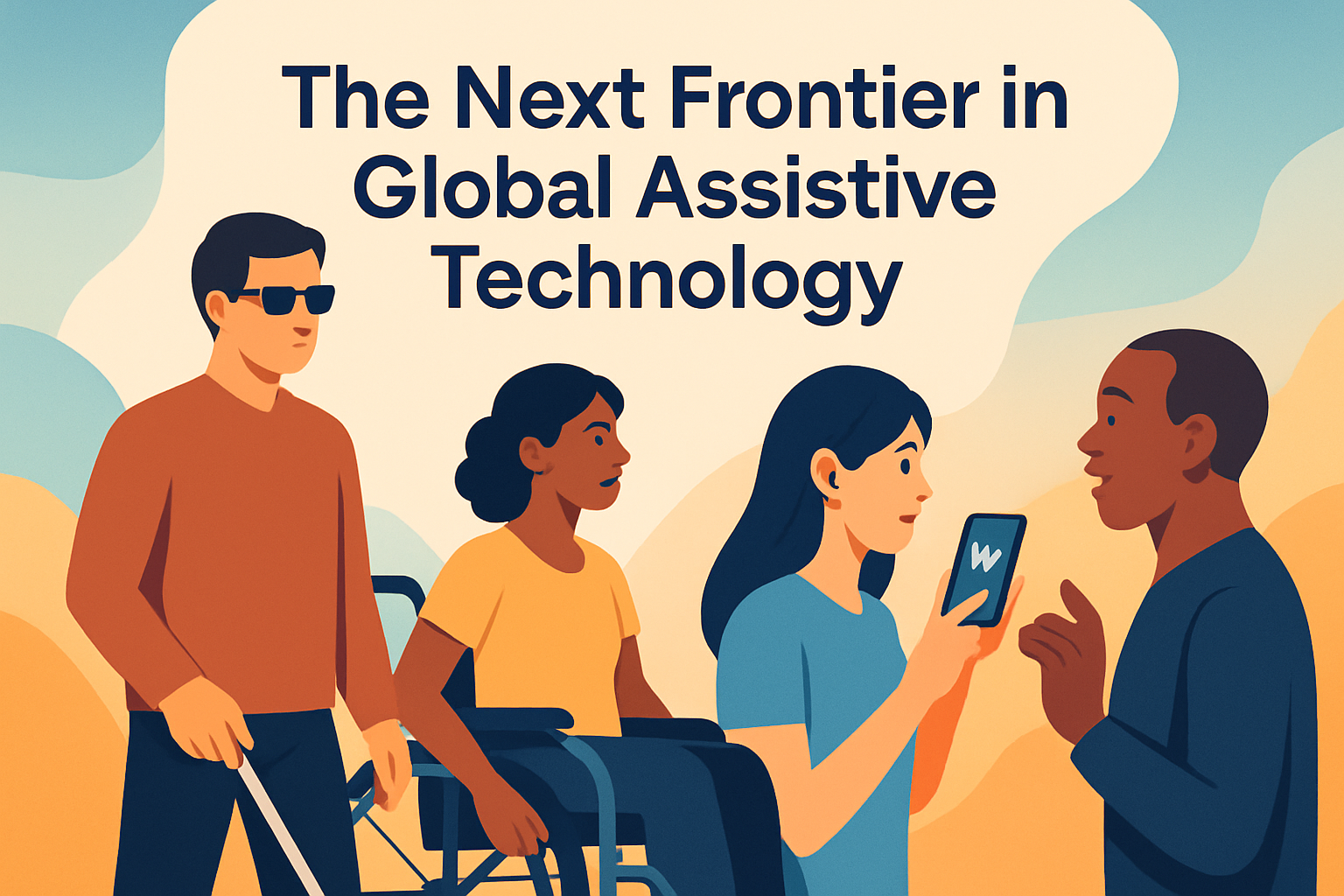
In today’s rapidly advancing technological landscape, assistive technology emerges as a pivotal domain with transformative potential. Assistive technology refers to devices or systems that aid individuals with disabilities in daily functions, enhancing their quality of life and bridging barriers to independence. From prosthetics to communication devices, and screen readers to mobility aids, these innovations are reshaping the experience of people with disabilities across the globe. This burgeoning field is not merely about technology; it’s about empowerment, inclusion, and creating equitable opportunities for those who have historically been marginalized. As we delve deeper into this topic, understanding the scope, advancements, and implications of assistive technology becomes essential for communities and policymakers alike.
The Expanding Scope of Assistive Technology
Assistive technology is not confined to conventional devices like wheelchairs or hearing aids. The scope has expanded to encompass a myriad of tools that address diverse needs. One striking example is wearable technology, which merges fashion and function to create discrete, user-friendly devices that help users navigate their environments. Smart glasses equipped with text-to-speech functions or GPS capabilities allow visually impaired users to comprehend written text or find their way in urban settings with ease.
The development of brain-computer interfaces (BCIs) is another groundbreaking advancement. BCIs allow individuals with mobility impairments to control devices using neural activity. For instance, the BrainGate project has enabled users to type on a computer screen by merely thinking about moving their hands. Such innovations highlight the transformative potential of harnessing technology to enhance human capabilities.
Real-World Impact and Case Studies
To appreciate the profound impact of assistive technology, consider Stephen Hawking’s communication system, developed by Intel, which utilized a machine learning model to interpret facial movements. This system enabled Hawking to communicate at speeds significantly faster than previous devices allowed, illustrating the profound societal impact assistive technology can have for individuals with complex communication needs.
In another example, the use of 3D printing technology has revolutionized the production of affordable prosthetics. Organizations like e-NABLE have facilitated volunteer-based networks that create custom-designed, low-cost prosthetics for children. This democratization of prosthetic production has ensured that even individuals from low-income backgrounds can access life-changing assistance, thus emphasizing the role of innovation in enhancing accessibility and affordability.
Barriers to Adoption and Accessibility
Despite the promise of assistive technology, several barriers remain. High costs, lack of awareness, and limited access in rural or underdeveloped areas persist as significant challenges. The cost barrier is particularly evident with advanced technologies such as eye-tracking devices and personalized cochlear implants, which may not be financially accessible to everyone. Monopoly over certain technologies can further exacerbate these issues, leading to uneven distribution and access.
Cultural perceptions and stigma around disabilities also create barriers to the adoption of assistive technologies, affecting individuals’ willingness to utilize these tools. Overcoming these barriers requires concerted efforts from governments, NGOs, and private entities to enhance access and dismantle societal stigmas. They must work collaboratively to promote education, subsidize essential technologies, and drive policy that supports inclusivity.
The Role of Policy and Global Initiatives
A coordinated policy response is crucial to maximizing the benefits of assistive technology. International frameworks like the United Nations’ Convention on the Rights of Persons with Disabilities emphasize the need for inclusive policies that promote equitable access to technology. Several countries have adopted national strategies to promote research, development, and dissemination of assistive technologies.
For example, the European Accessibility Act mandates that products and services must meet accessibility standards, thus encouraging innovation and adoption of assistive technology across industries. However, challenges remain in implementing and enforcing these regulations. Collaboration between countries, industries, and research institutions is vital for sharing knowledge, resources, and best practices.
Innovations on the Horizon
As technology advances, so does the potential for developing cutting-edge assistive devices. Researchers are exploring the use of artificial intelligence and machine learning to create more intelligent adaptive systems. These systems can learn from user interactions to provide more personalized assistance. For instance, AI-driven speech recognition tools can be tailored to understand the specific speech patterns of users with speech impairments, enhancing communication efficiency.
- Smart Homes: Incorporating IoT devices to provide real-time assistance and offer a greater degree of independence to users.
- Blockchain Technology: Ensuring secure and private data management for assistive device users.
- Robotics: Developing robots that can assist with daily tasks, offering new levels of autonomy.
The integration of such technologies not only represents the next frontier of assistive tools but also underscores the potential societal shifts towards more inclusive environments where technological solutions cater to a diverse population’s needs.
Global Collaborations and Future Directions
International collaborations are essential for scaling assistive technology innovations. By sharing technologies, resources, and expert knowledge, countries can bridge the disability divide on a global scale. Projects like the Global Cooperation on Assistive Technology (GATE) by the World Health Organization aim to improve access and affordability of assistive products worldwide.
| Technology | Region | Objective |
|---|---|---|
| Affordable Prosthetics | Africa | Provide low-cost prosthetic devices to underprivileged communities |
| Digital Education Platforms | Asia | Enhance learning opportunities for individuals with disabilities |
| AI Companion Bots | Europe | Support social interaction and companionship for isolated individuals |
Future directions in this field include creating universal design principles where products and systems are inherently accessible to as many people as possible without the need for adaptation. The objective is not just to innovate but to ensure these innovations are seamlessly integrated into society, empowering individuals by eliminating obstacles in their daily lives.
Conclusion: Taking the Next Steps
The next frontier in global assistive technology lies not only in the development of innovative tools but also in fostering an inclusive ecosystem where these technologies are accessible, affordable, and integrated into everyday life for all. By addressing current barriers, promoting policy changes, and encouraging global cooperation, we can pave the way towards a world where assistive technology becomes a cornerstone of inclusion and equity.
As individuals, communities, and nations, it is our collective responsibility to support and advocate for these advancements, ensuring that they reach those who need them the most. We must educate ourselves and others about the potential of assistive technology and play an active role in shaping a future that values diversity and inclusion at its core.
The call to action is clear: engage with local and global initiatives, advocate for policy changes, and support technological innovations that promise to transform lives. By doing so, we contribute to building a more equitable world where everyone, regardless of ability, can thrive.
Frequently Asked Questions
1. What is assistive technology, and how does it benefit individuals with disabilities?
Assistive technology encompasses a wide range of devices, equipment, and systems designed to help individuals with disabilities perform tasks that might otherwise be difficult or impossible. The primary aim of assistive technology is to enhance quality of life, increase independence, and enable people with disabilities to participate more fully in everyday activities. This can include anything from simple tools like magnifying glasses to more sophisticated innovations like robotic prosthetic limbs.
One of the significant benefits is improved communication—helpful tools like speech-generating devices aid those who have difficulty speaking. Similarly, mobility aids, such as wheelchairs and stairlifts, provide physical independence by enhancing movement, whereas screen readers benefit visually impaired individuals by converting text and images into spoken words. In short, assistive technology empowers individuals by breaking down barriers, promoting inclusivity, and providing opportunities for participating in all aspects of life unimpeded.
2. How has assistive technology evolved in recent years, and what future trends can we expect?
Assistive technology has witnessed dynamic evolution, notably influenced by advancements in fields such as artificial intelligence, machine learning, and robotics. Initially, these technologies served basic functions but have now developed into highly integrated systems offering tailored support based on individual needs. For example, we now see smart home products tailored to assist people with disabilities, integrating with wearable devices to provide seamless assistance in real-time.
Looking ahead, we can expect more personalized and predictive technology solutions. Wearable health devices will likely become more sophisticated, monitoring conditions and diagnosing them in early stages. Furthermore, artificial intelligence could offer more intuitive and adaptive learning environments for those with cognitive disabilities. Autonomous vehicles are also a significant area of focus, offering greater mobility and independence. As technology advances, the primary trend is toward more natural, less intrusive means of assistance that integrate seamlessly into everyday life.
3. What challenges does the assistive technology sector face in global implementation?
While the potential of assistive technology is vast, several hurdles hinder its global implementation. Firstly, accessibility and affordability remain significant barriers, particularly in low and middle-income countries where resources are limited, and economic disparities are more pronounced. Equipping individuals with necessary tools often requires substantial investment that is not accessible for everyone.
Additionally, there’s the challenge of awareness and education; both end-users and healthcare providers may not be fully informed about the available technologies and how to leverage them effectively. There’s also the issue of inclusivity in design—many products are developed without sufficient input from those who will use them, hindering usability and effectiveness. Lastly, there are regulatory hurdles, as different regions have varying compliance requirements, making it complex to standardize technology distribution. To overcome these challenges, it is crucial to foster international collaboration and investment in research and development.
4. How do cultural perceptions impact the adoption of assistive technologies worldwide?
Culture plays a substantial role in shaping attitudes and beliefs about disabilities and the adoption of assistive technologies. In some cultures, there are stigmas attached to using assistive devices, rooted in societal perceptions about disability that may discourage individuals from seeking or using help. This can create an environment where individuals feel embarrassed or ostracized for relying on technology to assist them.
Conversely, there are cultures where technology is celebrated and incorporated enthusiastically into daily life. In these societies, assistive technology may have higher acceptance rates, promoting community support and awareness. It is imperative that global efforts in developing and distributing assistive technology are culturally sensitive, ensuring that solutions are practical and acceptable within diverse social contexts. Increasing education and understanding about the importance and benefits of assistive technology can help challenge stereotypes and foster acceptance globally.
5. What role do governments and organizations play in the development and distribution of assistive technologies?
Governments and organizations play a crucial role in the advancement and dissemination of assistive technologies. Legislative and policy frameworks are vital in fostering innovation, ensuring equitable access, and protecting the rights of those with disabilities. By providing funding and subsidies, governments can reduce financial barriers, making assistive technologies more accessible to a broader segment of the population.
Furthermore, regulations and standards established by governments ensure that technologies are safe, effective, and universally designed to meet a range of needs. Non-governmental organizations, charities, and international bodies also contribute significantly by funding research, developing programs and initiatives, and advocating for disability rights. These bodies frequently collaborate to pool resources, share knowledge, and drive large-scale changes at both local and international levels. Together, they orchestrate an environment where innovation can thrive and technology can be deployed effectively to improve the lives of individuals with disabilities worldwide.