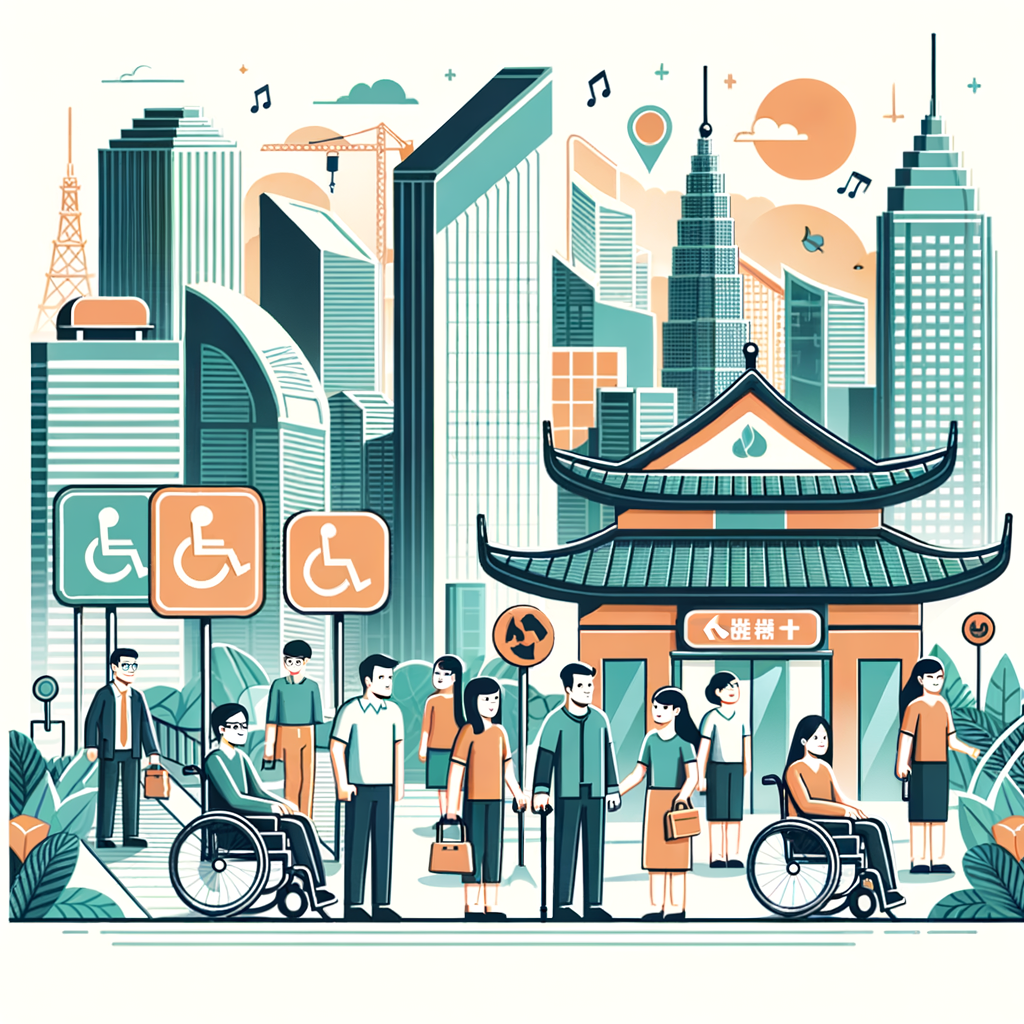
The world has seen an increased awareness of disability rights and the need to ensure that individuals with disabilities are given the same opportunities as those without. Though this global perspective has broadened with increased advocacy, the actual implementation of these rights remains significantly lacking, particularly in emerging economies. Thus, it is crucial to discuss “Disability Rights in Emerging Economies: Challenges and Progress”. In this context, we are referring to countries that are transitioning from lower-income status to becoming more developed, experiencing rapid economic growth and industrialization. These nations face unique challenges in advocating for disability rights due to socio-economic, cultural, and infrastructural constraints.
As an overview, disability rights encompass aspects such as equal access to education, employment, healthcare, accessibility, and the elimination of discrimination and stigma. In many emerging economies, disabilities are often viewed through a lens of sympathy rather than empowerment, underpinned by cultural norms and economic priorities that hinder advancement. Compounded by systemic issues such as lack of adequate funding, policy frameworks, and education, emerging nations find themselves grappling with implementing these vital rights. However, there has been noticeable progress in some areas, fueled by increased awareness, policy changes, and technological advancements. This article will explore the multifaceted challenges faced by emerging economies in championing disability rights, as well as highlight ongoing efforts and achievements in improving conditions for people with disabilities.
Understanding Disability Rights: A Fundamental Human Right
Disability rights are an aspect of human rights aimed at ensuring that people with disabilities have the same opportunities as others to participate in society, with dignity and respect. These rights are crucial for equality and nondiscrimination. International frameworks such as the United Nations Convention on the Rights of Persons with Disabilities (UNCRPD) guide countries in upholding and protecting these rights. Yet, the translation of these frameworks into national legislation and policies varies considerably, particularly in emerging economies where challenges like resource limitations, bureaucracy, and cultural perspectives dominate.
Challenges in Implementing Disability Rights in Emerging Economies
The implementation of disability rights in emerging economies presents a myriad of challenges. At the forefront are cultural attitudes and social stigma. In many societies, particularly where traditional beliefs are strong, disabilities might be seen as a source of shame or misfortune. This perception negatively influences the disabled individual’s access to opportunities for education and employment, leaving them marginalized. Breaking these pervasive stereotypes remains a significant hurdle.
The economic constraints that emerging economies face also play a crucial role. Given the limited financial resources, governments often prioritize sectors deemed imperative for economic growth, such as infrastructure and industrialization, over social policies aimed at persons with disabilities. Consequently, inadequate funding hampers the establishment and maintenance of facilities and services required by people with disabilities. Furthermore, infrastructural challenges persist, as older buildings and cities typically have inadequate accessibility features, thus hindering mobility and autonomy for those with disabilities.
Healthcare is another vital area rife with challenges. Persons with disabilities often encounter barriers in accessing medical services due to a lack of specialized healthcare professionals and facilities equipped to cater to their needs. In addition, information asymmetry and lack of awareness regarding available healthcare services and rights exacerbate these challenges. The barriers in accessing quality healthcare contribute to the cycle of poverty and dependence, which undermines disability rights significantly.
Furthermore, systemic challenges within the education sector significantly affect inclusive education. Inadequate training for educators, lack of resources, and non-adaptive academic environments are common barriers that prevent successful education for children with disabilities. Inclusive education, imperative for fostering understanding and integration from a young age, remains an underdeveloped area. Without quality education, people with disabilities face limited opportunities for skill development and employment, further exacerbating cycles of poverty and social alienation.
Finally, legislative challenges also impact the effective implementation of disability rights. While many emerging economies have ratified international conventions like the UNCRPD, the conformity of national laws and their effective enforcement remains inconsistent. Legal frameworks may exist but lack the necessary mechanisms for recourse and advocacy, rendering them ineffective. Simply put, strong political will and commitment are required to reinforce these legal structures and facilitate their application in everyday life.
Steps Toward Progress: Efforts and Initiatives
Despite these challenges, progress is being made in disability rights within emerging economies, largely due to local and international advocacy efforts, technology, and governmental initiatives. Increasing awareness and education about disabilities have started changing perceptions. Awareness campaigns and educational programs are helping to shift the cultural narrative from one of sympathy to empowerment and equal opportunity.
Instances of policy progress include countries creating national action plans aimed at disability inclusion, prioritizing closing the gap in healthcare, education, and accessibility. Some nations have initiated comprehensive policy changes that align local laws with international conventions, such as improving building codes to include accessibility features, promoting inclusive education frameworks, leveraging technology in expanding accessibility, and supporting startups focused on assistive technologies.
Furthermore, technology plays a pivotal role in advancing disability rights. In emerging economies, technology can bridge accessibility gaps, particularly with solutions that address mobility, communication, and education. Mobile applications tailored for navigation and communication assist those with disabilities in gaining independence and accessing essential services effortlessly.
Support from international communities and organizations is another significant factor contributing to progress. International funding, knowledge-sharing, and advocacy by non-governmental organizations have considerably aided in establishing initiatives focused on disability rights. Collaborations between governments, private sectors, and civil societies have emerged, promoting inclusivity through diverse initiatives in fields such as health, education, and employment.
Bearing in mind the vital need for systemic change, creating self-sustaining models through entrepreneurship and innovation has gained traction. Several social enterprises are focusing on empowering people with disabilities, equipping them with skills, and creating employment opportunities that challenge the status quo of dependency and unemployment. This progressive shift not only impacts individuals and their families but also benefits the broader economy.
Conclusion
While emerging economies face significant obstacles in establishing comprehensive disability rights, the progress and efforts underway point to a brighter future. Addressing deep-rooted cultural perceptions, augmenting legislative frameworks, and promoting inclusive policies can stimulate equality and opportunities for individuals with disabilities. As disability rights gain traction on both local and global agendas, it is essential for emerging economies to prioritize and integrate these rights into their broader development plans to ensure inclusive growth.
Moving forward, a unified approach incorporating international guidance, governmental policy, private sector participation, U.N.-led initiatives, and active civil society engagement is vital. It is crucial to hold governments accountable, ensuring that drafted laws transform into actionable policies. Continuous advocacy, education, and technological innovation will serve as powerful catalysts in this evolution. Through collaborative efforts, emerging economies can surmount the challenges they face, paving the way for genuine progress in disability rights.
Encouraging governments to view persons with disabilities as potential contributors to the socio-economic fabric will empower and foster autonomy among people with disabilities. With perseverance and commitment, disability rights can dissolve into the broader narrative of human rights, bringing about a more equitable society. The positive transformations across several emerging nations instill hope and serve as benchmarks for others aspiring to realize disability rights comprehensively.
Frequently Asked Questions
1. What are some of the major challenges faced by individuals with disabilities in emerging economies?
Individuals with disabilities in emerging economies face a multitude of challenges that are often interwoven, creating a complex web that hinders their access to equal opportunities. One of the primary challenges is the lack of awareness and understanding of disability rights among the general population and policymakers. This lack of awareness results in inadequate laws or poorly enforced regulations that should otherwise protect the rights of individuals with disabilities.
Another significant challenge is the poor accessibility to infrastructure, which includes public transportation systems, buildings, and other essential services. Without proper access, persons with disabilities struggle with mobility, which can severely limit their participation in education, employment, and social activities.
Economic barriers also play a critical role. High levels of unemployment and poverty among people with disabilities in these regions are often a direct result of discrimination and stereotypes within the labor market. Employers may be hesitant to hire individuals with disabilities due to perceived additional costs or an assumption of lesser productivity, despite evidence to the contrary.
Moreover, there may be limited access to education and healthcare, which compounds the issue by making it difficult for individuals with disabilities to acquire skills or receive necessary medical and rehabilitative care. This situation is exacerbated by a general lack of adaptive technologies and support services that could facilitate better inclusion.
Finally, societal attitudes and stigma surrounding disability often lead to social exclusion, isolation, and even abuse. This stigma can deter individuals from seeking help or asserting their rights, further perpetuating a cycle of discrimination and marginalization.
2. How are emerging economies addressing the issue of disability rights, and what progress has been made?
Many emerging economies have started to make substantial strides toward recognizing and addressing disability rights, spurred by increased advocacy and awareness. Progress often begins with the ratification of international treaties, such as the United Nations Convention on the Rights of Persons with Disabilities (CRPD), which many countries have signed. This signifies a commitment to uphold and promote the rights of individuals with disabilities through national legislation and policy frameworks.
Some countries have introduced new laws or amended existing ones to include clear definitions of disability rights and stipulate accessibility requirements in both public and private sectors. However, the effectiveness of these laws greatly depends on their implementation and the structures in place to enforce compliance.
There have also been efforts to improve accessibility in public spaces and transportation systems, such as the installation of ramps, braille signage, and dedicated seating on public transport. Such initiatives, although variably successful, indicate a growing recognition of the need for inclusive infrastructure.
In terms of education, initiatives to support inclusive schooling environments have been piloted, with some focus being placed on teacher training to accommodate students with disabilities. Additionally, the availability of adaptive technologies in schools is slowly increasing, enabling more students to engage with learning materials that suit their needs.
Furthermore, there are budding employment initiatives aimed at empowering individuals with disabilities, such as vocational training programs, incentives for employers who hire individuals with disabilities, and development of entrepreneurial opportunities.
While these developments show progress, it is important to note that it varies widely from country to country, with many regions still facing substantial challenges in reaching true inclusivity and equality for individuals with disabilities.
3. What role do international organizations play in advancing disability rights in emerging economies?
International organizations are instrumental in advancing disability rights in emerging economies, serving as both catalysts for change and support systems for implementation. These organizations often provide vital resources, expertise, and funding to assist countries in developing and enforcing disability rights frameworks.
The United Nations, through entities like the UN Enable, promotes the global adoption of conventions like the CRPD, encouraging countries to align their laws with international standards. By advocating for universal human rights, the UN sets a benchmark and facilitates dialogue among nations to share best practices and successes.
Organizations such as the World Health Organization (WHO) and the International Labour Organization (ILO) offer targeted support by addressing specific areas. The WHO, for example, might focus on health access and services needed by individuals with disabilities, while the ILO works on improving employment opportunities through vocational programs and employer incentives.
Non-governmental organizations (NGOs) and international charities often work directly on the ground, collaborating with local governments to implement initiatives tailored to specific community needs. This grassroots approach helps ensure that measures are relevant and culturally sensitive, which can enhance their success and sustainability.
Additionally, international organizations serve as platforms for advocacy and awareness-raising campaigns. They can amplify the voices of individuals with disabilities and their advocates, increasing visibility and pushing disability rights higher onto national and international agendas.
4. How can local communities in emerging economies contribute to the advancement of disability rights?
Local communities hold significant power in advancing disability rights, and their involvement is crucial for meaningful change. Community-based organizations can play a direct role by creating inclusive environments where individuals with disabilities are welcome and respected. By fostering local awareness and understanding, communities can combat stigma and discrimination.
Education is a powerful tool. Schools and community centers can organize workshops and seminars to educate the public about disability rights, promoting empathy and understanding. This can also involve training community leaders and officials to ensure they understand and enforce the laws concerning disability rights.
Local businesses can contribute by prioritizing inclusive practices, such as ensuring accessibility in their facilities or providing equal employment opportunities without discrimination. They can also partner with local disabled persons’ organizations (DPOs) to understand better how to accommodate individuals with disabilities effectively.
Community members can also involve themselves in advocacy and activism. By supporting disability rights events, participating in public demonstrations, or engaging with policymakers, they can help keep disability rights an active and visible issue.
Empowering individuals with disabilities within the community is also vital. Supporting self-advocacy groups allows people with disabilities to voice their needs and experiences, pushing for the changes they wish to see. By providing platforms for these voices, communities can help ensure that actions taken are reflective of genuine needs and desires.
5. What future steps should be considered to enhance the progress of disability rights in emerging economies?
The future of disability rights in emerging economies depends on a multifaceted approach that involves various stakeholders at every level. First, there needs to be a continuous commitment to strengthening and enforcing legal frameworks that protect the rights of individuals with disabilities. This includes regular reviews and updates to laws to cover all areas of public life, ensuring they are comprehensive and inclusive.
Investment in infrastructure remains a critical component. Governments should prioritize creating accessible environments by making public spaces, transport, and technologies inclusive. Collaborating with urban planners and accessibility experts can ensure that infrastructures are designed with inclusivity in mind from the onset.
Education reform is another essential stepping stone. Schools and higher education institutions should focus on inclusive policies and curriculums that accommodate diverse learning needs. Teacher training programs should include modules on inclusive education practices to prepare educators adequately.
Improving healthcare access is also necessary. Emerging economies should ensure that individuals with disabilities can access affordable and quality health services, focusing on providing rehabilitative care and assistive technologies.
Economic empowerment is an area that requires strategic interventions. Expanding vocational training programs, incentivizing businesses to hire individuals with disabilities, and supporting disability-led enterprises could significantly improve economic opportunities.
Finally, fostering a culture of inclusion within society is vital. Ongoing advocacy, awareness campaigns, and community engagement efforts can contribute to changing mindsets and reducing stigma. Policymakers, together with civil society, must work to keep disability rights an integral part of the national development agenda, ensuring that all individuals, regardless of ability, have the opportunity to live fulfilling, empowered lives.