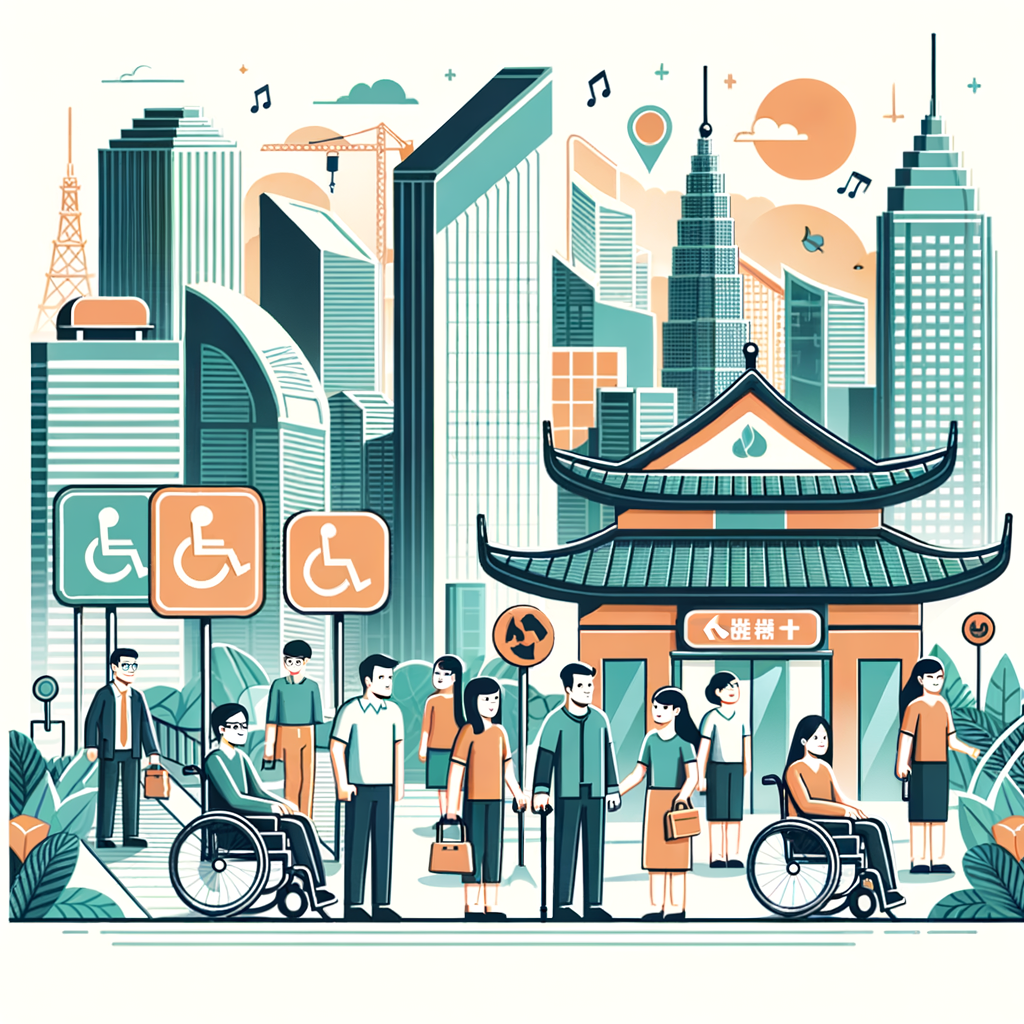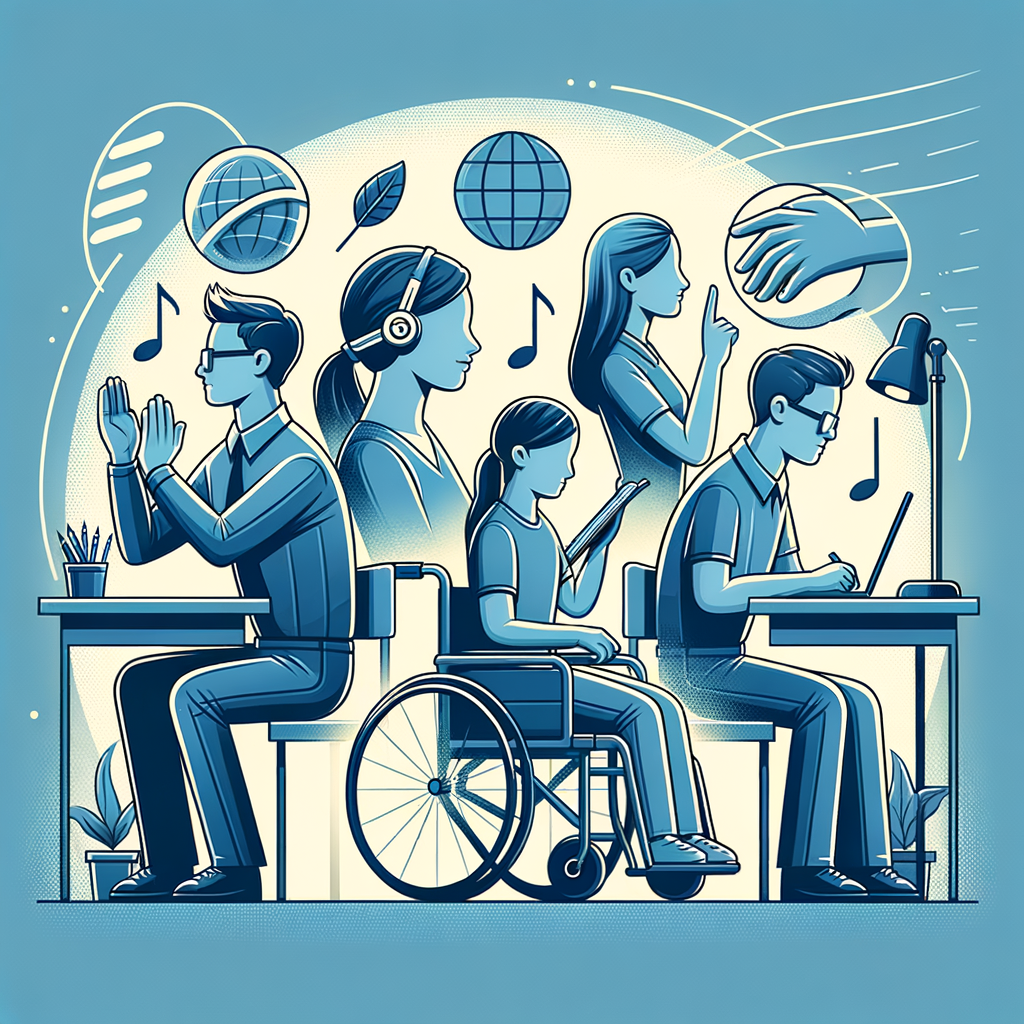
Education is a fundamental right and a key driver for personal and social development. For individuals with disabilities, this sector holds the potential to transform lives by providing pathways to inclusion, opportunity, and independence. Addressing the intricacies of global disability education involves understanding both the progress made and the persistent challenges faced in this domain. This topic is crucial as it intersects with human rights, equality, and the mission to eliminate barriers that limit individuals’ full participation in society. By focusing on disability education, we highlight the importance of ensuring equitable access to learning opportunities for every individual, regardless of their physical or cognitive conditions.
Progress in Legislative Frameworks
One of the significant advancements in global disability education has been the establishment of legislative frameworks aimed at promoting inclusivity in education. Internationally, the United Nations Convention on the Rights of Persons with Disabilities (CRPD) has been pivotal. Adopted in 2006, it established a comprehensive mandate for nations to ensure inclusive education systems. For example, in India, the Right of Children to Free and Compulsory Education Act now includes provisions that protect the educational rights of children with disabilities. This piece of legislation underscores the commitment to inclusive education by ensuring that no child is left behind.
Technological Integration in Learning Environments
Technology has opened new doors for the education of students with disabilities, offering tools that adapt to different learning needs. Assistive technologies such as speech-to-text software, screen readers, and other adaptive tools have become widely utilized. In countries like Sweden, schools have incorporated iPads and other tablets with educational apps specifically designed for students with autism and dyslexia. These innovations not only facilitate learning but also help to level the playing field, allowing students with disabilities to participate equally within traditional educational settings.
The Role of Specialized Institutions
Specialized institutions have long played a crucial role in providing tailored educational experiences for children with disabilities. These schools and centers are equipped with the necessary resources and trained professionals to cater to specific needs. The Perkins School for the Blind in the United States is an excellent example, offering braille literacy programs and life skills training for visually impaired students. Such institutions ensure that specialized, targeted education is provided, yet they also raise questions about the balance between specialized and inclusive education environments.
- Specialized Facilities: Offer tailored education
- Inclusive Schools: Aim for integration within the traditional system
- Balance: Need to combine the strengths of both approaches
Community and Parental Engagement
The involvement of families and communities in promoting disability education cannot be overstated. When parents and communities are engaged, there is a broader understanding and acceptance of the needs of students with disabilities, leading to impactful advocacy and funding support. In Kenya, community-based initiatives have successfully increased school attendance for children with disabilities through awareness campaigns and local support groups. This indicates the importance of societal perceptions and grassroots involvement in advancing education for disabled individuals.
The Challenge of Teacher Training
Teacher preparedness is a critical challenge in the pursuit of inclusive education. Many educators lack the training necessary to effectively meet the needs of students with disabilities within mainstream classrooms. Developing training programs to equip teachers with skills in specialized instructional strategies is essential. For instance, in the Netherlands, inclusivity training for teachers has been integrated into standard teacher education curricula, thereby equipping future educators with the competencies required to support diverse classrooms.
| Country | Teacher Training Implementation | Impact |
|---|---|---|
| India | Limited on-the-job training | Varied understanding of inclusion |
| Netherlands | Standardized inclusivity modules | Better teacher preparedness |
| United States | Diverse state-wise modules | Consistent results in inclusive methods |
Measuring Educational Outcomes
Another challenge is the measurement of educational outcomes for students with disabilities. Traditional assessment tools often fail to capture the true progress and potential of these students. Tailored assessments that consider varied learning styles and capabilities are essential. In Finland, educational systems are gradually shifting toward individual learning plans and competency-based evaluations to better measure and support the learning journeys of students with disabilities, presenting a holistic view of their educational development.
Navigating Infrastructure and Accessibility
Infrastructure and accessibility remain significant barriers in many parts of the world. Schools need to be equipped with ramps, wheelchair-friendly facilities, and accessible learning materials. Despite efforts, many schools, especially in developing countries, lack these basic provisions. In Ghana, however, there has been a push towards constructing more accessible school buildings, significantly impacting school attendance by removing physical barriers for students with disabilities. Yet, much work remains to be done globally to ensure all school infrastructures are accommodating.
Funding and Resource Allocation
A significant challenge in global disability education is the allocation of sufficient resources. Funding directly affects the availability of trained staff, adaptive learning materials, and facility enhancements. In countries where government budgets are tight, disability education often competes with other pressing needs. Sweden’s model, which ensures that a significant portion of educational funding is dedicated to inclusivity efforts, stands out as a benchmark for effectively translating policy into practice by allocating adequate funds for disability inclusion within education budgets.
Overcoming Social and Cultural Barriers
Social and cultural perceptions about disability continue to influence education opportunities. Stereotypes and stigma can create environments where students with disabilities are marginalized. In Japan, government initiatives, alongside public awareness campaigns, have been crucial in shifting cultural expectations and promoting acceptance of disabilities as part of human diversity. This change underscores the importance of societal transformation in conjunction with educational provisions.
Conclusion: Building Inclusive Futures
The journey of enhancing global disability education is ongoing, marked by notable progress and persistent challenges. Legislative measures, technological advancements, and community involvement are creating more inclusive environments, yet issues such as teacher training, resource allocation, and societal attitudes remain hurdles. As individuals, communities, and nations, we must continue to advocate for educational equality and push for systemic changes that value diversity in all forms.
Readers and stakeholders in education are encouraged to engage with local schools, support disability organizations, and leverage technological innovations to contribute positively to this field. Ensuring accessible education for all is not just an educational mandate but a fundamental human rights issue. Let’s work together to build a world where every individual, regardless of ability, has the chance to learn, grow, and succeed.
Frequently Asked Questions
1. What progress has been made in global disability education?
In recent years, significant strides have been made in global disability education, highlighting the commitment of various nations and organizations to ensure inclusive educational settings. One of the most notable achievements is the widespread ratification of the United Nations Convention on the Rights of Persons with Disabilities (CRPD), which promotes the full inclusion of individuals with disabilities in all aspects of life, including education. Many countries have since adopted national policies mirroring the CRPD’s principles, striving to eliminate discriminatory practices within their educational systems. Investment in assistive technologies has also been a game-changer, providing students with disabilities access to educational tools that aid in communication and learning, such as text-to-speech software and customized learning devices. Furthermore, there’s been an uptick in teacher training focused on inclusive practices, equipping educators with the skills necessary to support diverse learning needs. These advancements underscore a growing recognition of the importance of equal opportunities in education worldwide.
2. What challenges persist in achieving inclusive education for individuals with disabilities?
Despite the progress, numerous challenges continue to impede the realization of truly inclusive education systems worldwide. One significant hurdle is the lack of adequate funding for disability education, resulting in insufficient resources, such as qualified educators, appropriate learning materials, and accessible school infrastructure. This financial shortfall often leads to segregated educational settings or, in some cases, the complete exclusion of students with disabilities from mainstream education. Another pressing issue is the societal stigma surrounding disability, which can perpetuate negative biases and lower expectations for students with disabilities, affecting their self-esteem and academic performance. Moreover, many educational institutions worldwide still lack data collection systems necessary for tracking and addressing the specific needs of students with disabilities. This data gap complicates efforts to tailor educational strategies that foster true inclusion and equity. Addressing these challenges is crucial to dismantling barriers that hinder the educational prospects of individuals with disabilities.
3. How effective are inclusive classrooms in providing quality education to students with disabilities?
Inclusive classrooms, when implemented effectively, can significantly enhance the learning experience of students with disabilities, fostering environments that value diversity and promote understanding. These settings allow students with disabilities to learn alongside their peers, encouraging social interaction and mutual respect. Research has shown that inclusive classrooms can improve academic outcomes for all students, not just those with disabilities, by fostering innovative teaching methods that cater to various learning styles. However, the success of inclusive classrooms hinges on several factors, including the availability of resources, ongoing teacher training, and a strong school culture of inclusion. When these elements are present, inclusive classrooms can nurture a sense of belonging and community, promoting positive educational outcomes and preparing students for diverse social and professional environments. It’s important to continue supporting policies and practices that enhance the effectiveness of inclusive education models to ensure all students can thrive.
4. What role do governments play in promoting disability education on a global scale?
Governments play a pivotal role in advancing disability education by formulating and enacting policies that mandate and promote inclusive educational practices. Many governments work within the framework of international agreements such as the CRPD and the Sustainable Development Goals (SDGs) to ensure that their national policies align with global standards for inclusivity and accessibility. Governments are responsible for allocating resources for special education programs, training educators in inclusive practices, and implementing accountability systems to monitor progress and adherence to inclusion commitments. Furthermore, governments also play a critical role in raising public awareness and changing societal attitudes towards disability through advocacy and education campaigns. Through legislation and the provision of resources, governments set the tone and the pace for disability education reform, striving to create a future where every individual, regardless of their abilities, has access to quality education.
5. How can communities support and improve disability education initiatives?
Communities are instrumental in shaping the success of disability education initiatives, as localized support often drives impactful change. Communities can foster inclusive educational environments by advocating for schools to adopt inclusive policies and practices and supporting families affected by disabilities with local resources and networks. Further, community-based organizations can offer supplemental educational programs and services tailored to students with disabilities, providing additional support outside the traditional school setting. Engaging in dialogue and partnerships with educational institutions, parents, and advocacy groups can lead to more cohesive efforts and shared resources, enhancing educational quality and access. Moreover, promoting awareness and understanding within communities can help break down stigma and build a culture of acceptance and support. Through collective action and positive reinforcement, communities play a vital role in advancing disability education, ultimately striving towards an inclusive society where every member can contribute and succeed.