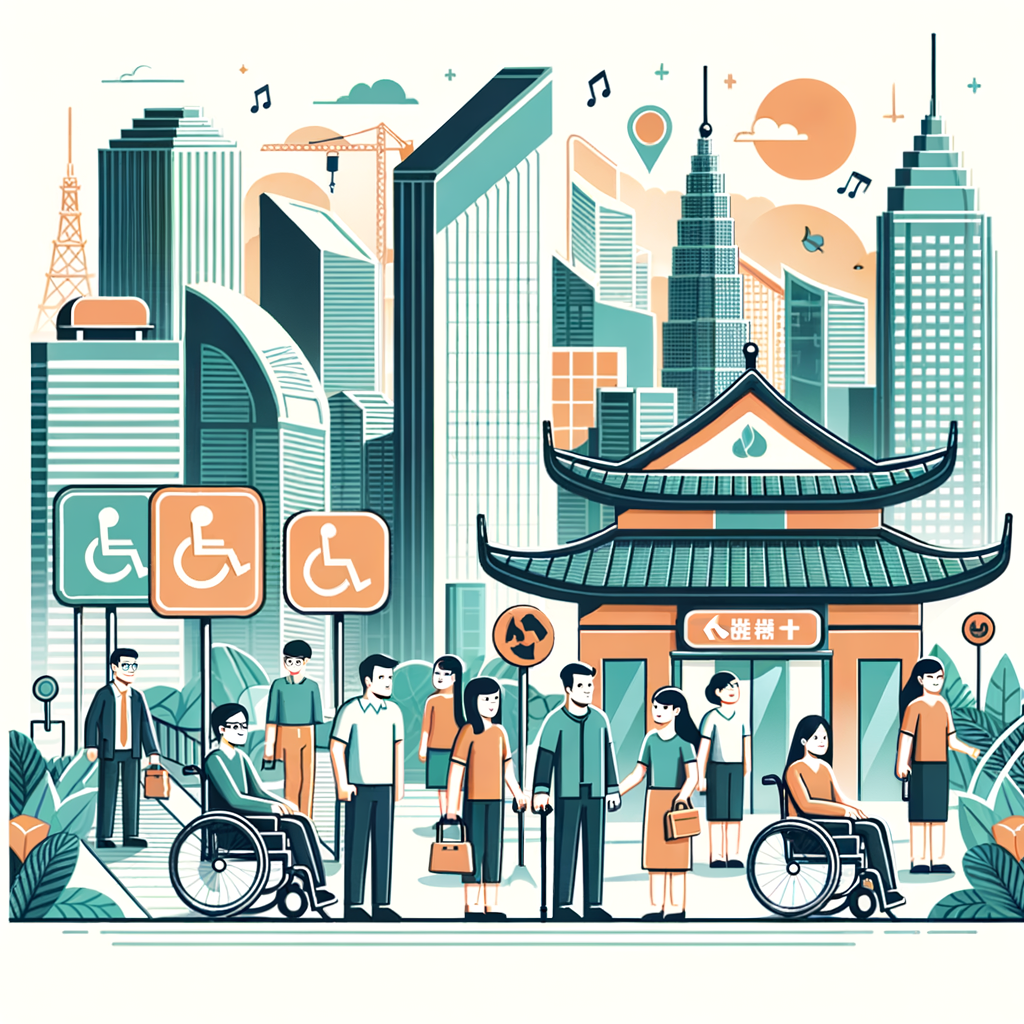
Accessibility in public transportation refers to the design and implementation of transit systems that cater to all individuals, ensuring that people with disabilities, seniors, and those facing temporary mobility issues can travel seamlessly alongside everyone else. This concept is not only a matter of convenience but also an essential aspect of ensuring equal opportunities and inclusion. Accessible transportation enables fuller participation in social, economic, and civic life, ultimately fostering more equitable communities.
In an increasingly interconnected world, effective public transportation that welcomes all individuals, irrespective of their physical capabilities, is essential. According to the World Health Organization, approximately 15% of the global population lives with some form of disability, with this number continuing to rise due to aging populations and increases in chronic health conditions. Therefore, examining the accessibility of public transportation systems on a global scale is a matter of both immediate concern and broader societal importance.
Current State of Accessibility in Global Public Transportation
Worldwide, public transportation systems vary significantly in their accessibility standards, influenced by factors such as geography, infrastructure age, and government policy. Europe, for example, has paved the way for accessible transportation with rigorous legislative measures. The European Union has enacted the European Accessibility Act, requiring transportation operators across Europe to make their services more inclusive.
In contrast, developing nations may struggle to implement such changes due to financial constraints or infrastructural challenges. In cities like Mumbai, the public transport system is used by millions daily. However, accessibility remains a concern, with limited facilities such as lifts or ramps at vital transit points. Only a small fraction of stations are equipped to comfortably handle individuals with disabilities.
| Region | Accessibility Initiatives | Challenges |
| Europe | European Accessibility Act, budget allocations for retrofitting older infrastructure | Varied standards across different countries, cost implications |
| USA | Americans with Disabilities Act, accessible buses and rail services | Lack of updates in remote areas, ongoing maintenance costs |
| Developing Countries | Ad hoc improvements, community-driven initiatives | Financial constraints, lack of nationwide policies |
Design Features Promoting Accessibility
Designing a public transportation system that caters to all involves numerous considerations, from the structure of vehicles to the layout of stations and stops. Key features often include step-free access on buses and trains, tactile paving to aid navigation for individuals with visual impairments, and visual and auditory information systems.
Japan’s rail network exemplifies accessible design practices, with almost all train stations equipped with elevators and tactile indicators. Additionally, platform screen doors prevent falls onto tracks, showcasing Japan’s commitment to safe and inclusive public transit. These features are crucial in accommodating elderly passengers and those with mobility issues.
- Step-Free Access: Essential for wheelchair users, parents with strollers, and individuals with mobility aid devices.
- Visual and Auditory Announcements: Ensures information is accessible in stations, on platforms, and on vehicles.
- Tactile Ground Indicators: Facilitates safe travel for those with visual impairments.
- Platform Screen Doors: Aids in safety and accessibility by preventing accidental track incursions.
Policy and Implementation Challenges
Policy-making is pivotal in shaping accessible public transportation, yet navigating bureaucracy and securing adequate funding remain persistent challenges. Despite the Americans with Disabilities Act (ADA) enforcing accessibility standards in the United States, ensuring compliance and maintaining infrastructure remain daunting tasks for transit agencies.
For instance, the New York City subway system is often criticized for its lack of accessibility, with only a quarter of stations equipped with elevators. This shortfall highlights how substantial investments and policy reforms are necessary to make meaningful changes. Establishing accountability and tracking progress are essential to enforce accessibility commitments.
Technology: A Catalyst for Accessible Public Transport
The rapid advancement of technology has introduced new dimensions of accessibility in public transportation. Mobile apps offering real-time transit updates and GPS tracking are empowering individuals with disabilities by simplifying journey planning.
In London, the Transport for London (TfL) app exemplifies this trend, providing step-free journey options, alerts for service disruptions, and information on accessibility features at individual stations. Leveraging technology maximizes efficiency and transforms how passengers interact with public transit systems.
The Role of Community Involvement
Enhancing accessibility goes beyond policy and technology—it involves engaging communities in the decision-making process. Understanding user needs through public consultations and feedback informs more user-centric designs and policies.
Copenhagen has adopted an inclusive approach by actively involving citizens in planning transport services. The city encourages public input through forums and meetings, shaping initiatives that promote accessibility across their transit systems. Such community-driven strategies ensure insights from all stakeholders guide improvements effectively.
Lessons from Success Stories
Several cities around the world illustrate how effective planning and commitment can lead to more accessible public transport. Sydney has invested substantial resources in upgrading its ferry, bus, and rail networks to ensure disability-friendly access. Such progressive changes have resonated positively, setting an example for others.
Adopted on a larger scale, these best practices highlight the importance of prioritizing accessibility, using technology strategically, and committing both financial and human resources to create transformative public transportation experiences. By sharing knowledge globally, cities can replicate successful strategies, ultimately ensuring no one is left behind.
Advancing Accessibility: A Path Forward
The journey toward fully accessible public transportation systems requires ongoing collaboration among governments, private sectors, citizens, and advocacy groups. Nations must transcend mere compliance and employ proactive strategies that prioritize user diversity and inclusivity.
Future advancements must consider emerging technologies, infrastructural modernization, and cross-sector partnerships. This comprehensive approach ensures that as urban populations grow, public transportation systems will continually meet diverse needs.
Conclusion & Call to Action
Accessible public transportation is a cornerstone of equitable societies, facilitating enhanced quality of life for individuals with disabilities while benefiting the population at large. By breaking down barriers to accessibility, cities foster inclusiveness, independence, and social participation for all citizens. Understanding the challenges, successes, and future directions outlined, stakeholders are better equipped to advocate for meaningful change. Embracing technology, enacting robust policies, and leveraging community insights are pivotal steps on this path.
As cities continue evolving, accessibility must remain front and center. Governments, leaders, and citizens alike are called to participate in this mission to ensure the world’s public transportation systems are genuinely set up for everyone’s journey. Engage with your local transit authorities, advocate for necessary changes, and push for continuous improvements, fostering a world where transit equitably connects everyone to limitless opportunities.
Frequently Asked Questions
1. What does accessibility in public transportation mean?
Accessibility in public transportation is all about creating transit systems that everyone can use, regardless of physical abilities. This means designing buses, trains, stations, and other transportation infrastructure to be inclusive for people with disabilities, older adults, and anyone with temporary mobility issues. Think about features like ramps, elevators, audible signals, and priority seating. These elements are designed to provide easy and independent access to transit services, leveling the playing field so that anyone can get from point A to point B. By focusing on accessibility, we ensure that everyone has the same chance to participate in daily activities like going to work, grocery shopping, or visiting friends, thereby supporting broader inclusivity and societal integration.
2. Why is accessibility in public transportation crucial?
Accessibility is more than just a convenience—it’s a cornerstone of equality and social justice. When public transportation is accessible, it empowers individuals who might otherwise be sidelined due to their physical limitations. It enables people with disabilities, the elderly, and those with temporary mobility issues to engage fully in community life, pursue employment opportunities, and remain socially active. Without accessible transportation, many people would find themselves isolated or unable to participate in daily activities, leading to economic disadvantage and social exclusion. By prioritizing accessibility, public transportation systems help to break down these barriers, fostering a more inclusive society where everyone can contribute and thrive.
3. How are global public transportation systems addressing accessibility?
Globally, public transportation systems are incorporating a variety of strategies to enhance accessibility. Many cities are updating their fleets with low-floor buses that eliminate steps and facilitate boarding. They’re also installing tactile paving and audio signals at stations to aid those who are blind or have low vision. Elevators and escalators are becoming more common in train and subway stations, making them easier to navigate for wheelchair users and those with strollers or luggage. Moreover, some countries have implemented comprehensive accessibility policies and legislation, such as the Americans with Disabilities Act in the United States or the European Union’s regulations on the rights of passengers. These laws mandate certain standards that transit operators must meet, ensuring a minimum level of accessibility across services.
4. What challenges do transportation systems face in becoming fully accessible?
Despite progress, achieving full accessibility in public transportation is fraught with challenges. Older infrastructure can be particularly difficult and costly to retrofit to modern accessibility standards. Funding constraints often mean that improvements happen incrementally, leading to inconsistencies in accessibility. There may also be a lack of awareness or understanding among service providers about the needs of all users, which can result in poorly designed interventions that don’t fully meet accessibility needs. Furthermore, accessibility goes beyond just physical design; it includes ensuring that information and services are accessible, which requires ongoing training and updates. Overcoming these challenges requires collaboration between governments, transit authorities, and community stakeholders to prioritize accessibility and allocate necessary resources effectively.
5. How can individuals and communities advocate for more accessible public transportation?
Individuals and communities can play a powerful role in advocating for more accessible public transportation. Engagement begins by raising awareness about the importance of accessibility and its impacts on quality of life. This can include lobbying local and national governments, joining advocacy groups focused on accessibility, and participating in public forums or city council meetings to voice concerns and suggest improvements. Sharing personal stories and experiences can also highlight the everyday challenges faced by users, putting a human face to the statistics. On a more grassroots level, communities can work together to organize initiatives like accessibility audits of local transit systems, documenting areas that need improvement and presenting these findings to transit authorities. Collective advocacy can drive change, leading to more inclusive transportation systems that benefit everyone.