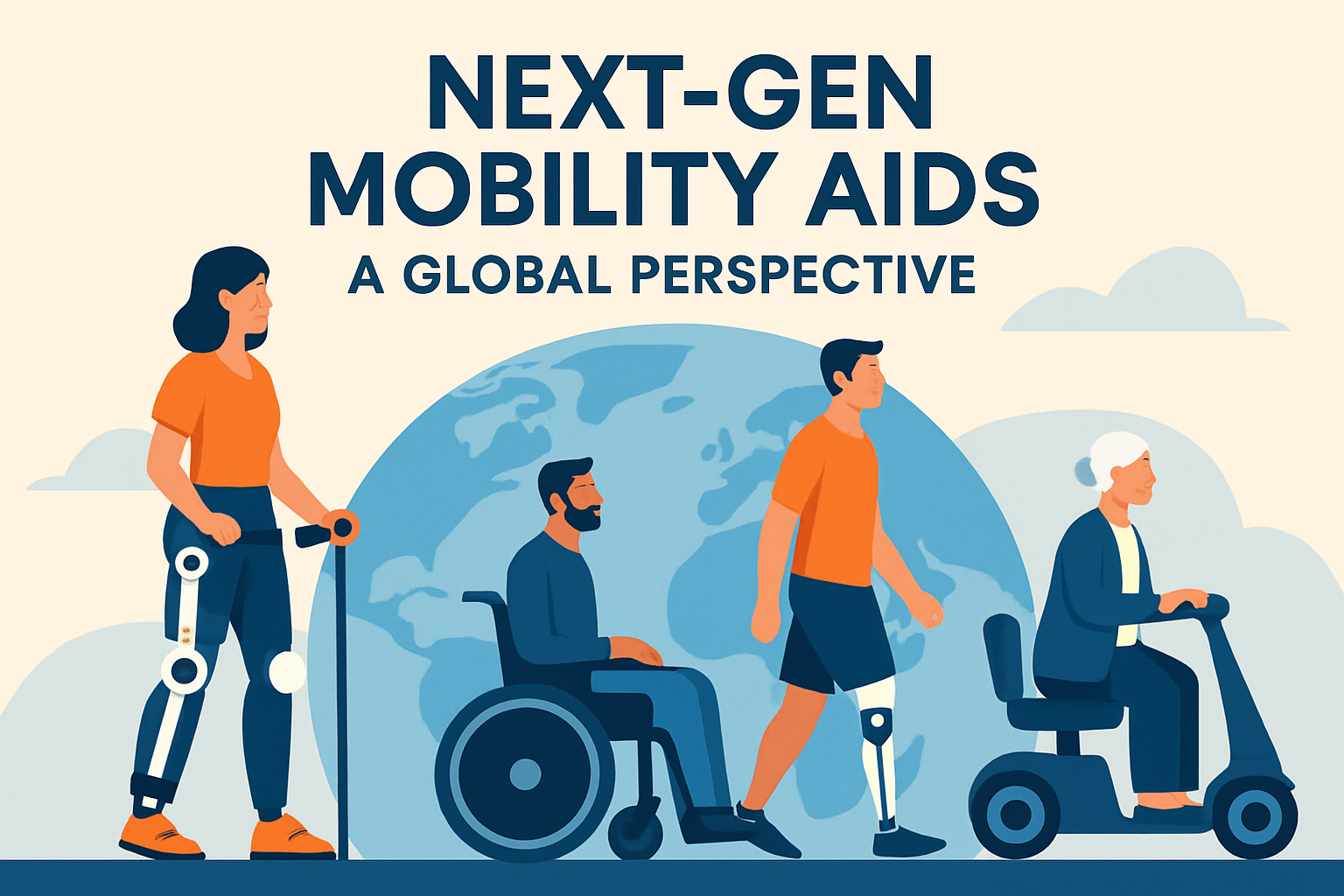
Introduction to Next-Gen Mobility Aids
Mobility aids have long played an essential role in enhancing the quality of life for individuals with varying degrees of physical disabilities or limitations. These tools range from traditional devices like canes and walkers to advanced technologies such as powered wheelchairs and prosthetic limbs. As we progress into the era of next-generation mobility aids, it is essential to understand what these aids encompass, why they matter, and how they could potentially transform lives across the globe.
Next-gen mobility aids are revolutionary devices designed to offer enhanced mobility, independence, and accessibility. These tools incorporate cutting-edge technologies like robotics, artificial intelligence (AI), and the Internet of Things (IoT), providing a higher level of efficiency and user-friendliness compared to traditional devices. They are not only reshaping how mobility challenges are addressed but are also sparking a broader conversation about inclusivity and accessibility in public and private spaces worldwide.
The importance of next-gen mobility aids extends beyond the individuals who directly benefit from them. With a global demographic shift towards an aging population, their significance is magnified. By 2050, it’s projected that the number of people aged 60 and older will more than double, reaching over 2 billion globally. As such, advanced mobility solutions are not just beneficial but necessary to ensure that everyone, regardless of age or physical ability, can participate fully in society.
Understanding the evolution, the current state, and the future of next-gen mobility aids can provide significant insight into their critical role in achieving health equity, designing inclusive public policies, and advancing technological innovations. In this article, we will delve into various facets of these innovative solutions, examining real-world applications and potential impacts globally.
Robotic Exoskeletons: Enhancing Physical Capabilities
Robotic exoskeletons represent one of the most fascinating advancements in the realm of mobility aids. These wearable machines are designed to enhance the wearer’s movements and improve physical capabilities beyond their natural limits. Traditionally used in industrial settings and rehabilitation centers, robotic exoskeletons are now becoming more commercially viable for personal use.
For instance, companies like Ekso Bionics and ReWalk Robotics have developed exoskeletons that assist individuals with spinal cord injuries to stand and walk independently. Ekso Bionics’s EksoNR is an FDA-approved exoskeleton that provides adaptive motor assistance, allowing for customized therapy experiences that cater to the specific needs of each user.
The impact of such technology is profound: exoskeletons not only offer improved mobility but also boost the user’s confidence, provide increased exercise opportunities, and contribute to social inclusion. By enhancing personal mobility, users experience an improved quality of life, exceeding the physical benefits alone and extending to psychological and social dimensions.
- Increased independence for mobility-impaired individuals
- Reduction in caregiver assistance requirements
- Enhanced physical therapy outcomes and speedier recovery
Smart Wheelchairs: Redefining Independence
Smart wheelchairs are another frontier in the next-gen mobility aids sector, integrating smart technology to support ease of use and functionality. These devices are equipped with sensors, AI, and connectivity features that allow for more self-sufficient navigation and more personalized assistance.
Consider Whill’s Model Ci, a power wheelchair that combines sleek design with technological sophistication. Through smart controls and app connectivity, users can adjust seat height, speed, and have the ability to attend to various terrains effortlessly. Its ability to be taken apart easily for transport is revolutionary in promoting autonomy and independent living.
This technological innovation enables users to travel with more freedom, making urban spaces more accessible than ever. Additionally, smart wheelchairs can communicate with smart home devices and infrastructure, like elevators and doors, adding another layer of convenience and security for those who rely on such devices daily.
| Feature | Benefit |
|---|---|
| AI-Powered Navigation | Navigate complex environments with ease |
| Adjustable Seating | Comfort and functionality tailored to user needs |
| App Connectivity | Remote control and personalized settings |
Prosthetics: Merging Biology with Technology
The field of prosthetics has seen tremendous growth and innovation over the years, moving beyond simple mechanical replacements to integrating biotechnology and robotics. Modern prosthetics offer the integration of sensory feedback, biomimicry, and AI to foster a seamless user experience.
Companies such as Open Bionics have gained attention for developing affordable, 3D-printed bionic arms that are not only functional but customizable with sci-fi-inspired designs. These prosthetic limbs provide wearers with precise movement control and a sense of touch, thanks to sensors that interpret muscle signals and convert them into intuitive actions.
These advanced prosthetics are significant for users, enabling them to regain nearly complete motor functions, which profoundly affects their quality of life and opportunities for social interaction. By offering cost-effective solutions through innovations like 3D printing, the accessibility barriers traditionally associated with advanced prosthetic devices are significantly reduced.
IoT-Connected Mobility Devices: Seamless Integration into the Modern World
The integration of IoT in mobility aids encompasses a broad range of devices, allowing them to communicate and interact both with the user and their environment more effectively. This connectivity facilitates a multitude of possibilities, from real-time health monitoring to adaptive device behavior based on the collected data.
An example of this is IoT-enhanced scooters used extensively in urban areas, which not only include location tracking but also battery management and usage analytics. Such devices cater to both personal use and shared urban mobility solutions, proving indispensable for everyone from teenagers to elderly or physically challenged individuals.
The benefits extend to healthcare providers as well, as continuous data collection and monitoring enable more personalized and preventive healthcare strategies. By identifying potential health issues early, IoT-connected devices can facilitate proactive interventions, minimizing risks and ensuring better health outcomes.
Global Impacts and Future Prospects
Next-gen mobility aids are already transforming individual lives and paving the way for broader societal impacts on a global scale. These technologies are fostering more inclusive cities and communities, aligning with the United Nations’ Sustainable Development Goals (SDGs), particularly Goal 10: Reduced Inequality and Goal 11: Sustainable Cities and Communities.
Real-world examples of their global impact include Japan’s adoption of robotic care aids to tackle the challenges of an aging population. Similarly, Europe and North America are seeing widespread implementation in urban planning to promote inclusivity, from barrier-free public transportation to the integration of intelligent mobility solutions in daily life.
The future of next-gen mobility aids is promising, with potential developments focusing on affordability, accessibility, and integration with emerging technologies like 5G and virtual reality (VR). This continued evolution will not only enhance personal mobility but drive societal changes towards greater inclusivity and accessibility in all aspects of life.
Conclusion: Embracing the Future of Mobility Aids
Next-gen mobility aids represent a critical shift in how society addresses the needs of those with mobility challenges. By incorporating cutting-edge technology, these devices are not only redefining personal autonomy for users but actively contributing to the creation of more inclusive environments worldwide.
The journey towards greater access and independence is ongoing, with plenty to discover and innovate. Policymakers, caregivers, and individuals alike are encouraged to stay informed about advancements in this field and advocate for equitable access to these life-changing technologies.
The future is one of possibility, where innovative mobility solutions ensure that people of all abilities can lead fulfilling, independent lives. By embracing these advances, we step towards a world where mobility aids do not merely compensate for physical limitations but enhance and empower every user’s journey.
Frequently Asked Questions
1. What are next-gen mobility aids, and how do they differ from traditional devices?
Next-gen mobility aids represent the latest advancements in technology designed to support those with physical disabilities or limitations. Unlike traditional devices such as basic canes or manual wheelchairs, these aids incorporate cutting-edge innovations that improve functionality, accessibility, and user experience. For example, powered wheelchairs with sophisticated navigation systems can allow users to move effortlessly and independently. Some mobility aids might incorporate AI or use sensors to adapt to the user’s environment, providing a seamless experience. By integrating technology, next-gen mobility aids aim to facilitate a higher degree of personalization, autonomy, and efficiency compared to their predecessors.
2. Why are next-gen mobility aids important for individuals with disabilities?
Next-gen mobility aids are crucial because they elevate the standards of living for individuals with physical challenges by offering greater independence and improved functionality. They help users navigate their environments with more ease and less reliance on others, boosting their self-confidence and social inclusion. In addition to mobility, these aids often focus on safety and health monitoring. For example, smart prosthetics can adapt to different terrains or activities, reducing the risk of injury and offering a natural experience for the user. With the advancements in mobility aids, individuals can now pursue activities they enjoy or perform daily tasks more effectively, leading to a better overall quality of life.
3. How does the integration of technology enhance the effectiveness of mobility aids?
The integration of technology in mobility aids enhances their effectiveness by tailoring solutions to individual needs and bridging previously insurmountable barriers. Smart technology, including AI, sensors, and connectivity, allows these devices to learn from users’ movements, preferences, and environments. An advanced electric wheelchair can, for instance, memorize frequently visited locations and optimize routes for ease and efficiency. Furthermore, connectivity features can alert caregivers or medical professionals in emergencies or malfunctions. The result is a mobility aid that doesn’t just provide support but also anticipates and adapts to changes, ultimately improving the user’s independence and safety.
4. What global trends are shaping the future of next-gen mobility aids?
Global trends such as the aging population, increased prevalence of chronic diseases, and greater emphasis on inclusive design are driving the development of next-gen mobility aids. As lifespans increase, so does the demand for user-friendly, innovative solutions that cater to diverse needs. Advancements in technology, such as artificial intelligence, robotics, and 3D printing, allow for unprecedented customization and performance. Additionally, international collaboration and competition in tech industries have accelerated the pace at which these aids are evolving. These trends signify a promising future where mobility tools will not only cater to present needs but also anticipate future challenges, promoting inclusion on a global scale.
5. How can individuals and caregivers choose the right next-gen mobility aid?
Selecting the right next-gen mobility aid involves understanding both the user’s specific needs and the technologies available. First, consider the individual’s lifestyle, the degree of mobility required, and any specific challenges they face. Once these needs are assessed, research various options and consider factors like ease of use, maintenance, and technical support. Consulting with healthcare professionals or mobility specialists can provide tailored advice and recommendations based on medical history and physical assessments. Additionally, trial periods offered by manufacturers can be valuable, as they allow users to test the device in real-life settings. Finally, consider the sustainability and potential for upgrades, ensuring the device can adapt as technology and user needs evolve.