The Americans with Disabilities Act (ADA) marks essential legislation in American history. Enacted in 1990, the ADA ensures that people with disabilities have the same rights and opportunities as everyone else. Title II of the ADA is specifically designed to prohibit discrimination against individuals with disabilities by public entities, including state and local governments and instrumentalities. One major aspect of Title II encompasses public transportation services, aiming to make them more accessible and fair for everyone.
Introduction
When discussing accessibility improvements and legal reforms promoting equality, the ADA invariably comes up. This groundbreaking legislation serves multiple roles, from ensuring physical accessibility to mandating equal opportunities in employment and services. Title II is integral to the ADA’s broad objective, functioning as a guardrail against discrimination in all services, activities, and programs provided by public entities. This article provides a comprehensive overview of Title II, focusing on how it influences public entities, particularly in terms of transportation services.
People with disabilities often rely heavily on public transportation for commuting, healthcare visits, social activities, and many other activities that contribute to quality of life. Accessible transportation is not merely a convenience—it’s a necessity. Before the ADA, the lack of accessible transportation options posed significant barriers and roadblocks for people with disabilities, marginalizing them and limiting their opportunities for personal and professional growth.
As we delve into the specifics of Title II, it will become evident how it serves as both a practical and philosophical lever to pull society towards greater inclusivity and equality. From the key mandates and provisions to its tangible impacts on daily lives, understanding Title II is crucial for anyone invested in advocacy, policy-making, or community development.
Mandates and Provisions of Title II
Title II of the ADA lays down a comprehensive framework requiring public entities to ensure that their services, programs, and activities, including transportation, are accessible to individuals with disabilities. Here are the core mandates:
- **Accessible Facilities:** All new facilities must be designed and constructed to be readily accessible and usable by individuals with disabilities.
- **Equivalent Services:** Public entities must provide services that are equivalent in terms of quality and convenience to those provided to individuals without disabilities. This includes maintaining and operating existing facilities in a manner that is accessible.
- **Communication:** Public entities must ensure effective communication with individuals with disabilities through qualified interpreters, assistive listening systems, and other auxiliary aids and services.
- **Reasonable Modifications:** Public entities are required to make reasonable modifications in policies, practices, and procedures to avoid discrimination, unless these modifications would fundamentally alter the nature of the service or program.
These mandates are not just regulatory hurdles but transformative measures designed to foster inclusivity and break down barriers. They ensure that public entities can’t sideline individuals with disabilities but must instead adapt to be more inclusive and accommodating.
Impact on Public Transportation
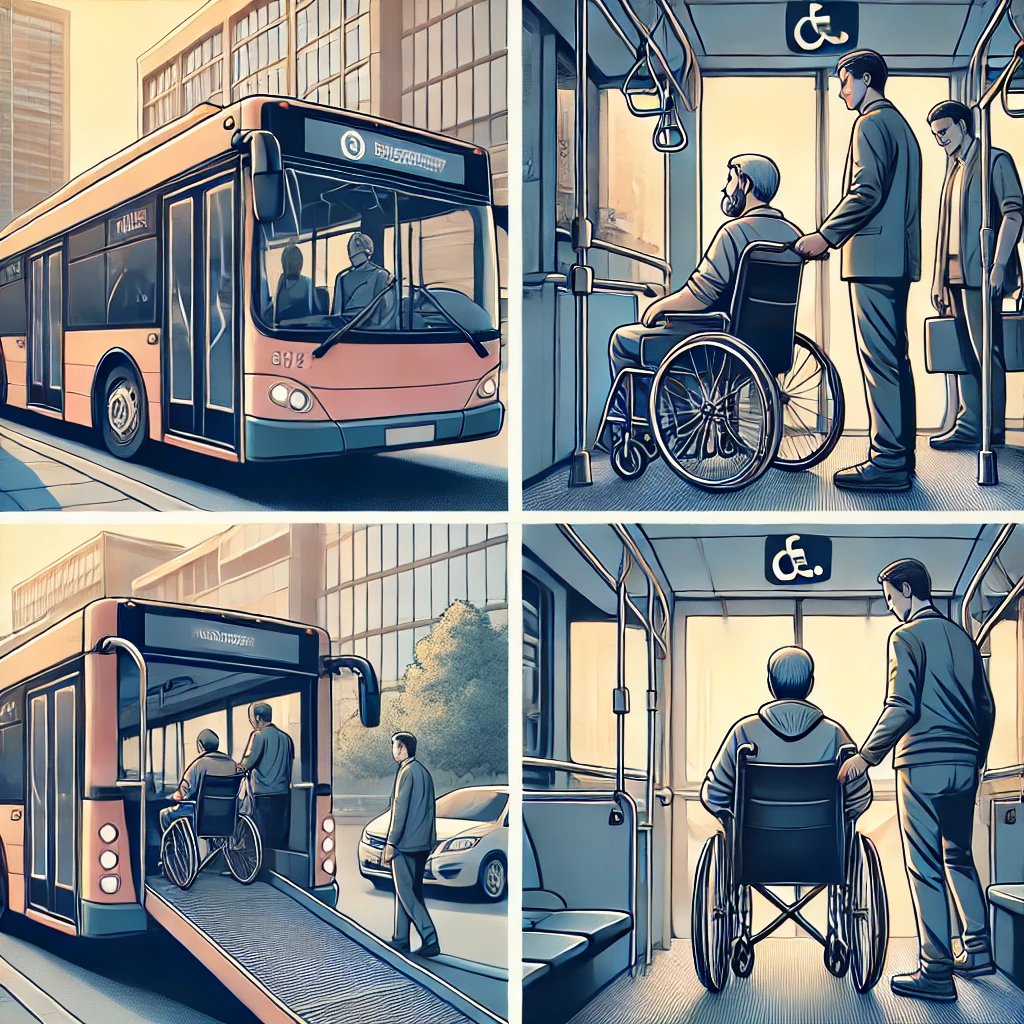
The transportation sector was profoundly impacted by the advent of Title II. Public transportation systems, from buses to subways, had historically been glaringly inaccessible. Title II has driven legislative, structural, and procedural changes that have transformed how these systems operate.
A key aspect of Title II’s effect on transportation is the stringent requirement for accessibility. All newly constructed transit facilities must be fully accessible, and existing facilities must undergo modifications to improve accessibility wherever possible. Additionally, all new vehicles purchased or used in public transportation must be accessible to individuals with disabilities.
Moreover, Title II prompted the establishment of paratransit services. Paratransit is a specialized, door-to-door transport service for individuals who are unable to use the fixed-route system due to a disability. For example, in many cities, if you cannot use a regular bus due to your disability, paratransit services are available, offering an equivalent level of service and charge an equivalent fare.
The regulations extend to all aspects of public transit, including but not limited to seating arrangements, boarding facilities, announcements, and emergency evacuations. The ADA mandates that all signage be clearly legible and accessible, and that drivers and other staff are trained to assist individuals with disabilities effectively.
Challenges in Implementation
As impactful as Title II has been, the journey to full compliance has not been without challenges. Achieving the levels of accessibility prescribed by the ADA can be costly, both in terms of financial and human resources. Retrofitting existing infrastructure to meet ADA standards often involves significant expenses, and not all public entities have dedicated budgets for these substantial alterations.
Furthermore, there’s the challenge of attitude and awareness. While the structural and mechanical aspects of ADA compliance can be monitored and enforced, fostering an inclusive mindset among staff and within the broader community is a more nuanced challenge. Misunderstanding or ignorance about the needs of individuals with disabilities can create resistance or result in inadequate or misguided solutions.
Compliance monitoring and enforcement is another significant hurdle. While the ADA has clear-cut guidelines, ensuring that all public entities adhere to these guidelines requires a robust and continuous oversight mechanism. This often involves legal battles and advocacy efforts to hold public entities accountable. There’s a delicate balance to maintain between enforcement and cooperation, making sure compliance efforts are constructive rather than purely punitive.
Benefits of Title II Compliance
Despite the challenges, the benefits of adhering to Title II are manifold. Firstly, compliance promotes social equity, enabling individuals with disabilities to live more independently and participate actively in community life. Accessible transportation can open up employment opportunities, educational pursuits, and social engagements that would otherwise be inaccessible.
Secondly, accessible public services and transportation foster a more inclusive society. Cities and towns that prioritize accessibility in planning and resource allocation invariably enhance the quality of life for all residents. Simple improvements like curb ramps and accessible public restrooms benefit everyone, not just individuals with disabilities.
From an economic perspective, greater accessibility can also lead to a more diverse and inclusive workforce. Companies and organizations can tap into a broader talent pool, ensuring that they aren’t missing out on potentially invaluable contributions from individuals with disabilities. This is particularly relevant in public sectors such as healthcare, education, and emergency services.
Moreover, public entities that comply with Title II are often seen in a more favorable light by the public. This boosts community trust and respect, encouraging civic engagement and cooperation. Compliance can also mitigate the risk of legal consequences that come with non-compliance, saving public entities from lawsuits and financial penalties.
Future Outlook and Improvements
Looking ahead, the future brings yet more hope and potential improvements in accessibility spurred by technological advancements. Emerging technologies such as autonomous vehicles, smart city infrastructures, and advancements in assistive technologies promise to push the boundaries of accessibility even further.
Increased focus on universal design—designing for all users, including those with disabilities—suggests a trend towards more inherently accessible public spaces and transportation systems. Emerging best practices and innovations can be leveraged to revisit and refine current ADA guidelines, ensuring they stay relevant and effective in the face of changing landscapes.
Advocacy will continue to play a critical role in this evolution. As awareness of disability rights grows, so too will the societal commitment to ensuring a fully inclusive environment. Policy makers, designers, urban planners, and community leaders must all collaborate to integrate accessibility into the very fabric of public planning and service delivery.
The ultimate goal remains to create a society where accessibility is not an afterthought but a foundational element of all public services and spaces. Title II of the ADA is more than just a set of regulations; it represents a commitment to a more inclusive and equitable world for all its citizens.
Conclusion
In conclusion, Title II of the ADA is a cornerstone in the pursuit of an inclusive society. By mandating that public entities and transportation services be accessible to individuals with disabilities, it has brought about much-needed change and continues to serve as a critical framework for ongoing improvements. While challenges in implementation persist, the benefits of compliance far outweigh these issues, fostering a more equitable and integrated society.
Public transportation systems are prime beneficiaries of Title II, undergoing transformations that make travel more accessible and dignified for individuals with disabilities. It is a multifaceted mandate that impacts everything from infrastructural design to daily operations, embodying a holistic approach to accessibility.
The path towards complete accessibility is ongoing, driven by technological advancements, increased awareness, and continuous advocacy. The future holds promise as we make strides towards a world where public services truly serve all members of the community, irrespective of their physical abilities.
For public entities, the aim should remain steadfastly focused on compliance, not as an obligatory task but as a commitment to building a more inclusive and just society. As technological capabilities and societal understanding evolve, we move closer to achieving the full spirit and intent of Title II—ensuring equal access, opportunity, and dignity for every individual.
Frequently Asked Questions
1. What is Title II of the Americans with Disabilities Act (ADA)?
Title II of the ADA is a critical section of the Americans with Disabilities Act, a landmark piece of civil rights legislation that was enacted in 1990. This specific title focuses on ensuring that people with disabilities are not discriminated against by public entities, including state and local governments and their instrumentalities. Essentially, Title II mandates that public entities provide equal access and accommodate those with disabilities, ensuring they have the same opportunities as those without disabilities. This applies to various services and programs offered by public entities, and notably includes public transportation – a crucial aspect because it can significantly impact individuals’ ability to engage in daily activities, seek employment, and live independently.
2. How does Title II of the ADA affect public transportation systems?
Title II of the ADA plays a vital role in shaping the accessibility of public transportation systems across the United States. It requires that all forms of public transport, owned and operated by state and local governments, be accessible to individuals with disabilities. This includes buses, commuter trains, and other forms of public transit. For instance, public buses must be equipped with lifts or ramps to accommodate wheelchairs, and there should be adequate space and securement systems to ensure safety. Additionally, public transit authorities are obliged to provide paratransit services, which are supplementary transportation services that can cater to those whose disabilities prevent them from using the regular transit system efficiently. This comprehensive approach aims to eliminate barriers and provide an inclusive environment where individuals with disabilities can travel freely.
3. Are there any exceptions or considerations for older public transportation systems under the ADA Title II?
Yes, there are some considerations under the ADA Title II for older or “legacy” public transportation systems. While Title II requires all newly purchased or rebuilt vehicles to be accessible, there is a recognition that older systems may face challenges in immediate compliance. However, this does not mean they are exempt. These systems must still develop plans to achieve full accessibility as existing vehicles are replaced or upgraded. There are specific deadlines and requirements laid out to ensure progress is made over time. Additionally, public entities must have a plan in place to accommodate individuals with disabilities in the interim, showing a commitment to continual improvement towards accessibility. This careful balance between immediate and long-term goals ensures that progress toward accessibility continues even for systems with historical constraints.
4. What are the responsibilities of state and local governments under Title II regarding communication and accessibility?
Under Title II of the ADA, state and local governments are responsible for ensuring that their communications with individuals with disabilities are as effective as communications with others. This encompasses providing necessary auxiliary aids and services as needed. For instance, public meetings or hearings should be fully accessible, which might mean providing sign language interpreters or real-time captioning services when necessary. Furthermore, any information or communication material, such as public notices or emergency alerts, must be available in formats accessible to individuals with disabilities, such as Braille, large print, or electronic formats that screen readers can interpret. Alongside physical accessibility, effective communication is paramount in ensuring individuals with disabilities can fully participate in civic life.
5. What recourse is available if a public entity under Title II does not comply with ADA requirements?
If an individual with a disability finds that a public entity is not complying with the ADA Title II requirements, there are several steps they can take. Initially, it’s recommended to contact the public entity directly to address the issue, as they may be unaware of the problem or eager to resolve it. If this does not lead to a satisfactory resolution, individuals can file a complaint with the U.S. Department of Justice (DOJ), which enforces the ADA. The DOJ takes these complaints seriously and may investigate or intervene if necessary. In some cases, the DOJ may even bring lawsuits for non-compliance. Additionally, individuals have the right to pursue their lawsuits in federal court. The availability of these remedies underscores the commitment to upholding the rights established by the ADA and ensuring public entities fulfill their obligations.