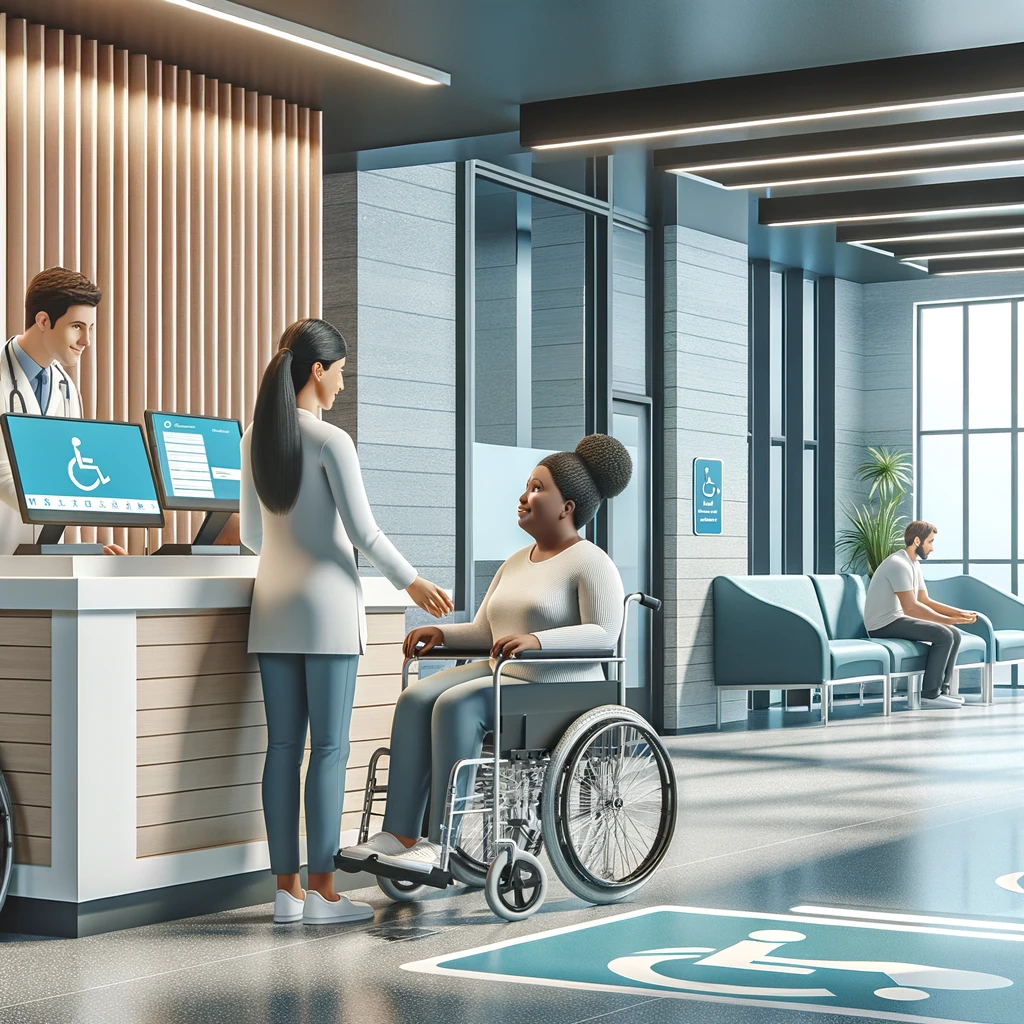
The Americans with Disabilities Act (ADA) is a landmark civil rights law that prohibits discrimination against individuals with disabilities in all areas of public life, including jobs, schools, transportation, and all public and private places that are open to the general public. Among its many provisions, the ADA ensures that people with disabilities have the same opportunities to communicate as everyone else. This article outlines what you need to know about communication rights under the ADA, including effective communication requirements, auxiliary aids and services, and how to assert these rights.
What Is Effective Communication?
Under the ADA, effective communication means that whatever is written or spoken must be as clear and understandable to people with disabilities as it is for people who do not have disabilities. This principle is fundamental because access to information is a key component of equality. Effective communication is required in public accommodations, by state and local governments, and by employers.
Auxiliary Aids and Services
The ADA requires covered entities to provide appropriate auxiliary aids and services where necessary to ensure effective communication with individuals with disabilities. The type of aid or service provided will depend on the context and the needs of the individual involved. Here are some common examples:
- Assistive Listening Systems and Devices: Used in places of public assembly to amplify sound for people with hearing impairments.
- Closed Captioning and Open Captioning: Provide text versions of spoken words and other auditory information in videos and during live performances or presentations.
- Text-to-Voice and Voice-to-Text Software: Helps individuals who have vision or hearing impairments convert written text to spoken words, or spoken words to written text, respectively.
- Sign Language Interpreters: Essential for individuals who use sign language as their primary means of communication.
- Video Relay Services (VRS) and Video Remote Interpreting (VRI): Allow people who use sign language to communicate over video telephones and other video devices with hearing people in real-time, via a sign language interpreter.
- Braille and Large Print Materials: Make written information accessible to those who are blind or have low vision.
Scenarios Where Communication Rights Apply
Healthcare: Hospitals and doctors’ offices must provide effective communication with patients and their family members who have disabilities. This could include offering a sign language interpreter during medical consultations for a deaf patient.
Education: Schools must ensure that communication with students with disabilities is as effective as communication with others. For example, providing course materials in Braille or using text-to-speech software for a student with vision impairments.
Employment: Employers must provide appropriate accommodations for employees with disabilities to perform their job duties. This includes ensuring that workplace communications are accessible, such as providing interpreters or adapting written materials into accessible formats.
Public Services: State and local governments must ensure effective communication when offering services like public meetings, court proceedings, or police interactions. This might involve providing real-time captioning services during town hall meetings.
How to Assert Your Rights
If you or someone you know requires an auxiliary aid or service for effective communication, it’s important to request it from the entity involved. Here’s how you can assert your communication rights under the ADA:
- Identify the Need: Clearly understand and specify the type of auxiliary aid or service that is required.
- Make a Formal Request: Provide a written or verbal request to the entity that controls the communication setting. It is helpful to make this request well in advance.
- Collaborate on Solutions: Engage with the entity to determine the most appropriate aid or service. The choice must consider the context of the communication and the individual’s needs.
- Follow Up: If the initial request is not met, follow up to clarify the necessity and urgency of the request. Documentation of all interactions can be helpful.
- Seek Assistance: If your rights under the ADA are not respected, consider seeking assistance from organizations that advocate for people with disabilities, or consult a legal expert who specializes in disability rights.
Understanding and exercising your communication rights under the ADA is crucial for ensuring that individuals with disabilities can participate fully in society. Whether it’s in education, employment, healthcare, or public services, effective communication levels the playing field and opens up opportunities. By knowing your rights and how to assert them, you can help foster an inclusive environment that values accessibility and respects the needs of all individuals.
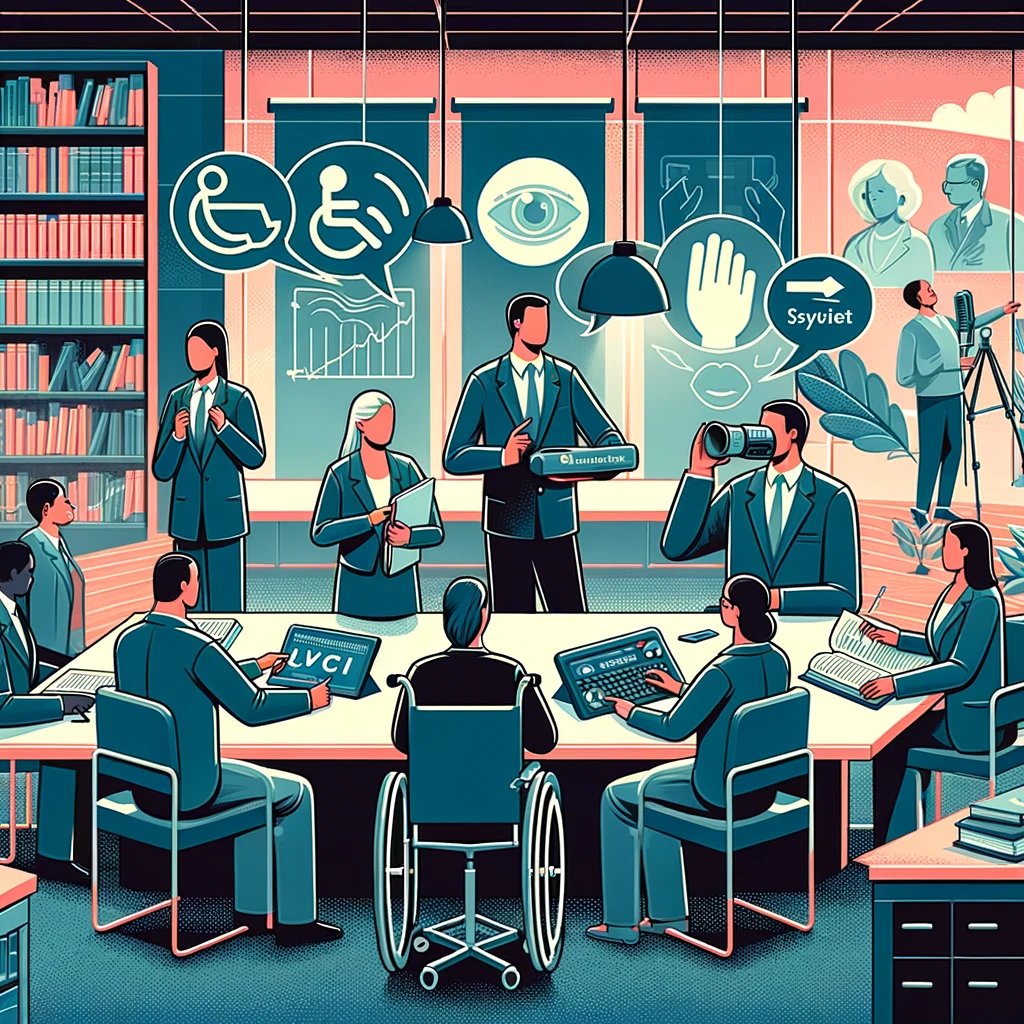
Effective Communication: A Right, Not a Privilege
The essence of effective communication under the ADA is not just about accessibility; it’s about ensuring participation and integration of individuals with disabilities into all facets of society. This requires more than mere access—it demands an active approach to adaptation and inclusivity from all entities, whether public or private.
Public Accommodations: Ensuring Access
Businesses and nonprofit organizations that serve the public, such as restaurants, retail stores, and movie theaters, are required to communicate effectively with customers with disabilities. This includes making sure that their environments do not hinder the communication abilities of these customers. For example, a restaurant may need to provide menus in Braille or large print, and theaters must offer assisted listening devices or captioned screenings.
Transportation: Bridging the Gap
Transportation services, whether provided by government entities or private companies, must also ensure that communication with passengers with disabilities is effective. This includes providing announcements in formats accessible to those with hearing and vision disabilities. Public transit authorities might need to use visual announcements for stop and route information to aid passengers who are deaf or hard of hearing.
Digital Accessibility: A Modern Frontier
In today’s digital age, ensuring effective communication extends to online environments as well. Websites, mobile applications, and other digital platforms are increasingly required to be accessible. This includes providing text alternatives for non-text content, ensuring that all functionalities are accessible via keyboard, and making sure that websites can be read by screen readers. Ensuring digital accessibility not only complies with the ADA but also enhances user experience for a wider audience.
Legal Protections and Recourse
The ADA provides specific avenues for recourse if an individual feels their rights to effective communication have been violated. Initially, individuals may file a complaint directly with the entity that has failed to provide the necessary accommodations. If this does not resolve the issue, complaints can be escalated to appropriate federal agencies, such as the Department of Justice or the Equal Employment Opportunity Commission, depending on the context of the violation.
Training and Awareness: Keys to Compliance
One of the challenges in ensuring effective communication is the lack of awareness and training among entities covered by the ADA. Providing training for staff on how to implement and manage requests for communication aids is crucial. Additionally, raising awareness about the importance of accessibility and effective communication can foster more proactive compliance.
The Role of Technology in Enhancing Accessibility
Advancements in technology have the potential to significantly enhance accessibility for individuals with disabilities. Innovations such as real-time captioning, advanced hearing aids, and more sophisticated text-to-speech and speech-to-text applications are making it easier for businesses and governments to meet their ADA obligations. Embracing these technologies can not only help in compliance but also lead to better service for all customers and citizens.
Building an Inclusive Society
Ultimately, the goal of the ADA in terms of communication is to foster an inclusive society where individuals with disabilities are given equal opportunities to participate and express themselves. This aligns with the broader objectives of the ADA, which are to eliminate discrimination on the basis of disability and to ensure equal rights and opportunities for all.
Conclusion
The ADA’s provisions for effective communication are pivotal in ensuring that individuals with disabilities can engage fully in society. By understanding these rights and how to assert them, individuals and advocates can work towards a more inclusive environment. Entities that proactively embrace these responsibilities not only comply with the law but also contribute to a more equitable society. As we continue to advance in technology and social awareness, it is vital to keep pushing the boundaries of what it means to communicate effectively, ensuring that everyone has the opportunity to be heard and understood.
Frequently Asked Questions1. What are ADA communication rights?
The Americans with Disabilities Act (ADA) enshrines specific rights to ensure people with disabilities have equal opportunities to communicate effectively, just like everyone else. This applies to situations and places open to the public such as workplaces, educational settings, public transportation, and businesses. Communication rights under the ADA might include providing auxiliary aids and services like interpreters for individuals who are deaf, ensuring written materials are available in braille or large print for those who are blind or visually impaired, and making electronic information accessible to individuals with various disabilities. Overall, the core principle is that people with disabilities should have access to communication that is as effective as communication for others.
2. What types of disabilities are covered by ADA communication rights?
ADA communication rights cover a broad spectrum of disabilities that might affect communication, including sensory impairments like hearing and vision disabilities, speech disabilities, cognitive disabilities such as learning and memory issues, and neurological disabilities affecting communication capabilities. It’s important to understand that communication challenges can manifest in various ways, requiring tailored solutions to achieve effective communication. Whether an individual is hard of hearing, non-verbal, or reliant on assistive technology, the ADA protects their rights to communicate effectively.
3. How must public entities ensure effective communication under the ADA?
Public entities, like government agencies and public schools, must provide appropriate auxiliary aids and services to ensure effective communication with individuals with disabilities under the ADA. The choice of aid or service depends on the individual’s usual method of communication and the context of the situation. For example, if a person who is deaf visits a city office to apply for a building permit, the office might need to provide a sign language interpreter. Or if a blind individual attends a council meeting, materials in braille could be necessary. Real-time captioning might be used in situations like public forums or live events. The fundamental goal is to match the auxiliary aid or service to the individual’s communication needs to ensure that interactions are as equal and effective as possible for all parties involved.
4. What responsibilities do businesses have regarding ADA communication rights?
Under the ADA, businesses open to the public, such as restaurants, hotels, retail stores, and theaters, must also ensure effective communication for customers with disabilities. This might mean having text-to-speech devices available, providing written communication through alternative means, or ensuring websites and digital content are accessible. Accommodations could also involve providing an interpreter or ensuring assistive listening devices are available. The critical point is that businesses must evaluate the communication needs of individuals with disabilities on a case-by-case basis, aiming to offer the most effective means of interaction and services within reasonable modifications.
5. Are there any limitations to the ADA’s requirements for communication rights?
While the ADA aims to eliminate barriers to communication, there are some limitations to what it requires of entities. The key constraint is the concept of “reasonable modifications” and “undue burden.” In essence, the ADA does not require an entity to take actions that would fundamentally alter the nature of their services or cause undue financial or administrative burdens. However, the definition of what constitutes an “undue burden” is often context-specific, considering the size, resources, and budget of the entity. If a particular accommodation is not feasible, the entity must still do its best to provide an alternative solution that enables effective communication, ensuring the core principle of equality and access is always respected.