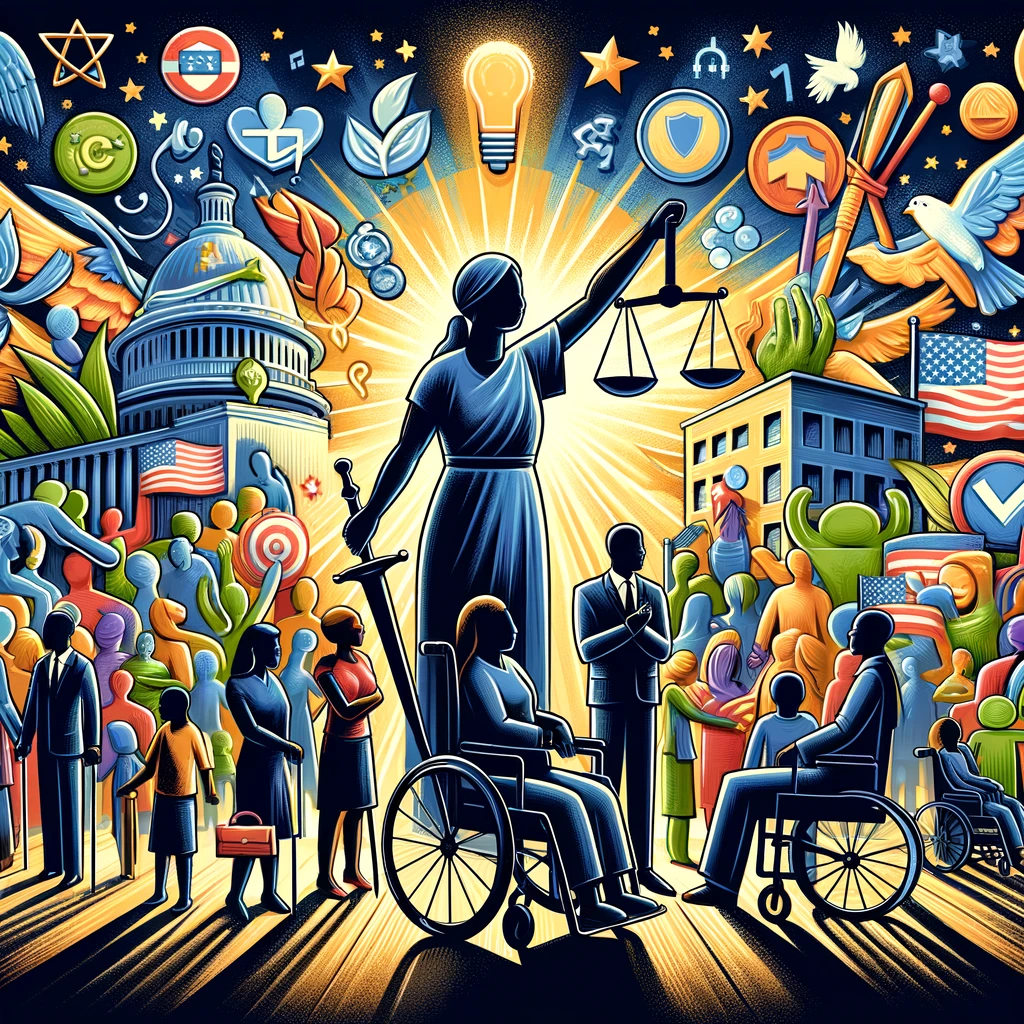
Accessibility is no longer just a buzzword—it’s an integral part of modern retail and consumer services. As the world moves towards inclusivity, many industries are realizing the importance of providing equal access to customers with disabilities. But what does accessibility in retail and consumer services truly entail? In essence, it involves eliminating barriers and ensuring that everyone can engage with and benefit from these services. This article delves into the numerous breakthroughs that have transpired, highlighting real-world applications and case studies where rights in action have made an impactful difference.
Understanding Accessibility
To truly appreciate the accomplishments in the realm of accessibility, it’s vital to first understand what accessibility involves. At its core, accessibility refers to the design of products, devices, services, or environments for individuals with disabilities. This means ensuring that all customers, regardless of their abilities, have equal access to services. Imagine shopping online without needing to use a mouse or accessing a store that has ramps instead of stairs. These seem like small adjustments, but they can make a world of difference to someone with mobility challenges.
However, accessibility goes beyond physical access. It’s equally about digital accessibility, which ensures that websites, mobile apps, and other digital services can be easily navigated by everyone, including those using assistive technologies like screen readers. It also encompasses customer service—ensuring that all staff are trained to assist individuals with various needs. The true essence of accessibility is about creating an environment where everyone feels included and valued.
Retail’s Shift Towards Accessibility
The retail industry has seen significant shifts towards becoming more accessible. This transformation is not only about compliance with regulations like the Americans with Disabilities Act (ADA) but also about recognizing the market potential and moral duty to cater to all consumers. One remarkable example is the rise of sensory-friendly shopping hours in major retail chains. These hours are tailored for individuals with sensory processing disorders, providing a quieter, less overwhelming shopping experience.
Furthermore, many retail giants have adopted technologies that offer virtual shopping assistants, which help individuals who may have difficulty navigating large store spaces. These virtual assistants offer a guided tour of the store’s options, simulating a more personal shopping excursion. Major online retailers have improved their digital platforms by making them keyboard navigable and incorporating alt text on all images, enabling individuals who use screen readers to shop with ease.
Case Study: Walmart’s Accessibility Endeavors
When it comes to real-world applications, Walmart stands out as a leader in accessibility. The company has implemented a variety of measures to make shopping more inclusive. From handicap-accessible parking and widened aisles in stores to innovations in their digital platforms, they are committed to ensuring that all customers have a positive experience.
A significant milestone in their accessibility journey is the addition of a mobile app feature that assists visually impaired customers by recognizing products through voice-over commands and providing detailed product descriptions. This feature, coupled with the ability for employees to offer in-store shopping assistance on demand, showcases Walmart’s dedication to accessibility.
Moreover, Walmart has introduced “Quiet Time,” during which stores dim their lights and reduce noise to accommodate individuals who may find standard retail environments overwhelming. This initiative highlights Walmart’s commitment not just to meeting legal obligations but to addressing the needs of their diverse customer base.
Impacts on Consumer Services
Accessibility breakthroughs are not limited to retail. Consumer services, ranging from cafes to banking, have been innovating to improve accessibility. For instance, many financial institutions have introduced voice-command ATMs and apps with enhanced readability options to aid individuals with visual impairments.
Coffee chains such as Starbucks have made notable advances by implementing picture menus for the hearing impaired and training staff in basic sign language to communicate more effectively. These changes are especially meaningful as they reflect a cultural shift towards inclusivity.
Restaurants have begun to distribute Braille menus as a standard practice, alongside offering high-contrast printed menus for those with visual impairments. These enhancements in consumer services illustrate a broader understanding and commitment to serving a wider demographic where everyone, regardless of their abilities, feels welcome and accommodated.
Technology’s Role in Accessibility
In the realm of accessibility, technology acts as a powerful catalyst for change. Technological advancements, such as AI-driven shopping assistants and AR experiences, have started to redefine accessibility standards in retail and consumer services. For instance, AI chatbots are being utilized to offer personalized shopping advice, catering to individuals who might have specific needs or questions that require immediate attention.
Augmented reality (AR) is another emerging technology making waves by offering virtual dressing rooms and product visualizations for customers who may experience difficulty visiting a physical store. These innovative solutions provide settings where users can have an authentic retail experience tailored to their capabilities.
Additionally, voice-activated smart assistants are becoming commonplace in service platforms, allowing users with mobility or visual challenges to interact with products and services through simple voice commands. Such technologies remove barriers, offering all individuals an opportunity to participate fully in the consumer economy.
The Road Ahead: Challenges and Opportunities
Despite these significant advancements, challenges remain in ensuring all retail and consumer services are fully accessible. One prominent hurdle is awareness—many organizations are unaware of the full scope of accessibility requirements or misunderstand them. Education and continuous training are crucial in overcoming these barriers, alongside policies that incentivize accessibility practices.
However, these challenges also represent opportunities. As businesses understand the benefits of becoming more inclusive—expanding their customer base and connecting with a broader audience—they are more likely to invest in accessibility solutions. This could inspire innovations that make products and services more open to everyone.
The future looks promising as the demand for inclusive environments continues to grow. With dedication and advocacy, industries are not just following accessibility guidelines but embracing them as part of their core values. Continued collaboration between stakeholders, including governments, businesses, and disability advocates, will drive forward a more accessible world for everyone.
Conclusion: Building an Inclusive Future
As we reflect on the strides made in accessibility and the potential that lies ahead, one thing remains clear—accessibility is not a destination but a continuous journey. For retail and consumer services, this journey involves redefining paradigms, exploring innovative technologies, and fostering an environment where inclusivity is inherent in every aspect of the business.
These breakthroughs in accessibility can be credited to the tireless efforts of individuals and organizations that have championed the rights of people with disabilities. By showcasing case studies like Walmart and the various consumer services adapting to new norms, we gain a deeper appreciation for the impact of rights in action.
The ripple effects of these advancements extend beyond any single industry. They create a dialogue that encourages all sectors to rethink their strategies and ensure no one is left behind. It’s an opportunity for businesses and consumers alike to collaborate on building an inclusive future, setting new standards for what is possible when rights and innovations meet at the crossroads.
Frequently Asked Questions
1. What is meant by accessibility in retail and consumer services?
In today’s fast-paced world, accessibility in retail and consumer services means making sure that all individuals, including those with disabilities, can access and fully enjoy shopping and service experiences. It’s about breaking down physical, digital, and procedural barriers that might prevent someone from participating equally. This can include a wide range of adjustments such as wheelchair-accessible ramps, readable fonts for those with visual impairments, or easily navigable websites for people using screen readers. Accessibility goes beyond mere compliance and focuses on inclusivity and equal opportunity for all, empowering every consumer to shop and engage freely.
2. What are some recent breakthroughs in making retail spaces more accessible?
There have been impressive breakthroughs in this area, driven largely by technology and an increased awareness among retailers about the diverse needs of their customers. For instance, the use of beacons and indoor navigation systems has allowed stores to guide visually impaired customers more effectively. Moreover, advancements in mobile apps and e-commerce platforms let users customize their shopping experiences, catering to various accessibility needs. In physical stores, enhancements such as adjustable counters, better lighting, and sound systems for auditory cues have been increasingly adopted. Additionally, training staff on disability awareness and customer service further enhances the shopping experience by promoting empathy and understanding.
3. How does technology contribute to improving accessibility in consumer services?
Technology plays a pivotal role in enhancing accessibility in consumer services. With the rise of AI and machine learning, customer services are becoming more personalized. Chatbots and virtual assistants can communicate in different languages and formats, catering to the needs of individuals with different disabilities. Voice recognition and speech-to-text technologies allow users to interact with devices without the need for traditional input methods. Furthermore, technologies like augmented reality (AR) and virtual reality (VR) are opening up new ways for consumers to experience products and services in a virtual setting, which can be much more accessible for those with certain disabilities. Payment solutions are also becoming more inclusive, with touchless and voice-activated options allowing a seamless transaction process for everyone.
4. Are there any legal requirements for retailers to provide accessibility?
Yes, many countries have legal frameworks that require businesses to provide accessibility to individuals with disabilities. For instance, in the United States, the Americans with Disabilities Act (ADA) mandates that businesses make their facilities and services accessible. Retailers must ensure that physical environments, as well as digital platforms, meet certain standards to accommodate all users. Non-compliance can lead to legal consequences, so understanding and adhering to these laws is crucial for any business. These regulations also encourage businesses to adopt best practices that go beyond minimum requirements—because ultimately, creating an accessible environment is about offering every customer the best possible experience.
5. How can small businesses implement accessibility improvements effectively?
Small businesses might face unique challenges when implementing accessibility improvements, mainly due to budget constraints. However, there are effective ways to approach this by prioritizing and gradually integrating accessibility features. Start by assessing the current environment: what barriers might a person with disabilities encounter? Engage directly with consumers to understand their needs and gain insights into practical solutions. Affordable changes like improving signage, ensuring aisles are clear and wide enough, or investing in modern, accessible website design can make a big difference. Additionally, educating employees about accessibility and inclusion can foster a more welcoming environment. Leveraging grants or incentives aimed at improving accessibility can also provide financial relief. By committing to inclusivity, even modest changes can significantly enhance the customer experience and demonstrate a dedication to serving all members of the community.