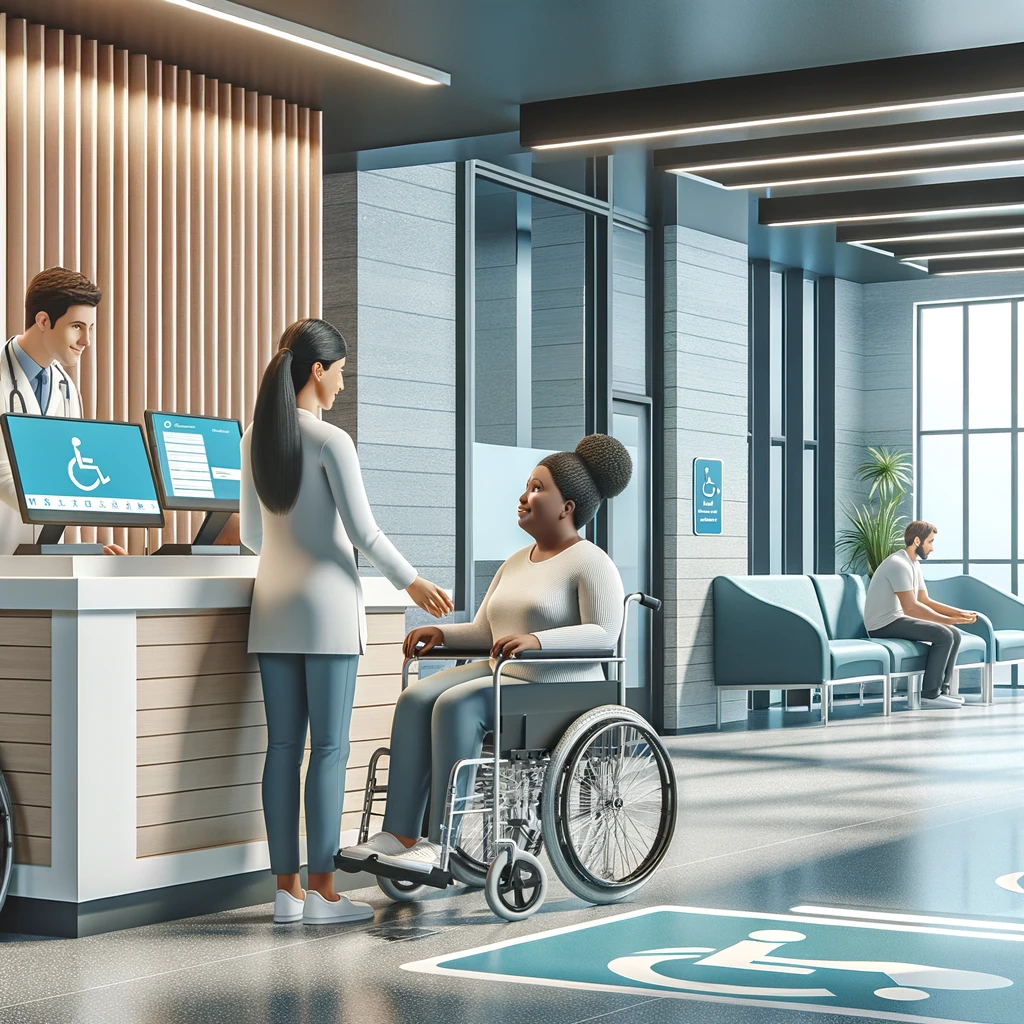
Accessibility in public transportation is a cornerstone of the Americans with Disabilities Act (ADA). Since the ADA’s implementation, numerous advancements have been made to ensure that people with disabilities can navigate cities and towns with the same ease as anyone else. This journey of transformation has not been without its challenges, but across the country, real-world applications and success stories highlight the potential of an inclusive transportation system. In this comprehensive article, we will explore case studies that illustrate ADA successes in public transportation.
Introduction: The Importance of Accessibility in Transportation
Transportation is more than just getting from point A to point B; it is a critical component of daily life. For millions of Americans with disabilities, accessible transportation is vital for independence. The ADA, enacted in 1990, laid legal ground to eliminate transportation barriers, transforming public and private services to accommodate all citizens. As we delve into specific success stories, the core question remains: How has ADA legislation been applied effectively in public transportation across the United States?
Since its introduction, the ADA has prompted changes in both infrastructure and mindset. Public transportation authorities have had to rethink conventional designs to create equitable systems. From buses equipped with wheelchair ramps to audible crosswalk signals and enhanced training for transit staff, these modifications are not simply compliance measures; they are steps towards a more inclusive society. The result has been a notable increase in transportation accessibility, giving people with disabilities the opportunity to engage more fully in society. Acknowledging these achievements provides a blueprint for further improvements.
Within this article, we’ll highlight diverse case studies across several states, showcasing the variety of approaches and the positive impacts these changes have had. Let us begin by examining how different cities have successfully integrated ADA principles into their transportation systems, driven by innovative solutions and collaborative efforts.
Boston’s MBTA: Setting the Example
Boston’s Massachusetts Bay Transportation Authority (MBTA) stands out as a leader in ADA compliance. Over the decades, the MBTA has transformed its transit systems, making significant strides toward making all services fully accessible. Their proactive approach began in the 1990s, influenced by both community advocacy and legal settlements that mandated improvements. Today, Boston sets an impressive example for other cities to follow.
The MBTA implemented critical changes, such as introducing low-floor buses, installing elevators and ramps at subway stations, and ensuring an audible and visible communication system for all riders. What’s remarkable is their commitment to going beyond minimal standards. The MBTA has appointed “Access Advisory Committees” comprising individuals with disabilities who regularly provide feedback and propose enhancements, ensuring improvement through lived experiences.
This approach has fostered a model of continuous improvement. Notably, Boston’s project known as “The Ride,” a paratransit service, has been expanded and better integrated with other MBTA services. These developments have allowed individuals who rely on adaptive transportation to plan their commutes more effectively, participating in their communities with dignity and autonomy.
Universal Access in San Francisco: BART’s Visionary Steps
San Francisco’s Bay Area Rapid Transit (BART) provides another inspirational example of ADA success. BART has been a visionary in implementing universal design principles long before it became a regulatory requirement. Its long-term commitment to accessibility is reflected not only in physical infrastructure but also through specialized services that address diverse needs.
One of BART’s significant achievements is its comprehensive approach to elevator availability and reliability. Knowing that elevators are a critical component for passengers with mobility issues, BART developed a real-time elevator monitoring system. This initiative informs passengers about elevator outages before reaching the station, allowing them to plan alternative routes.
Additionally, BART’s multimedia information channels provide up-to-date service information, making it easier for travelers with sight or hearing impairments to navigate the system. Their tactile maps and station announcements further ensure that passengers with disabilities can move independently. The focus on preemptive maintenance and updates has played a pivotal role in minimizing service interruptions.
Through community partnerships, regular audits, and an accessible feedback loop with BART’s accessibility task force, the agency remains responsive to the evolving needs of its riders. These measures underscore BART’s dedication to removing barriers, enhancing usability, and setting new benchmarks for accessibility in transit systems.
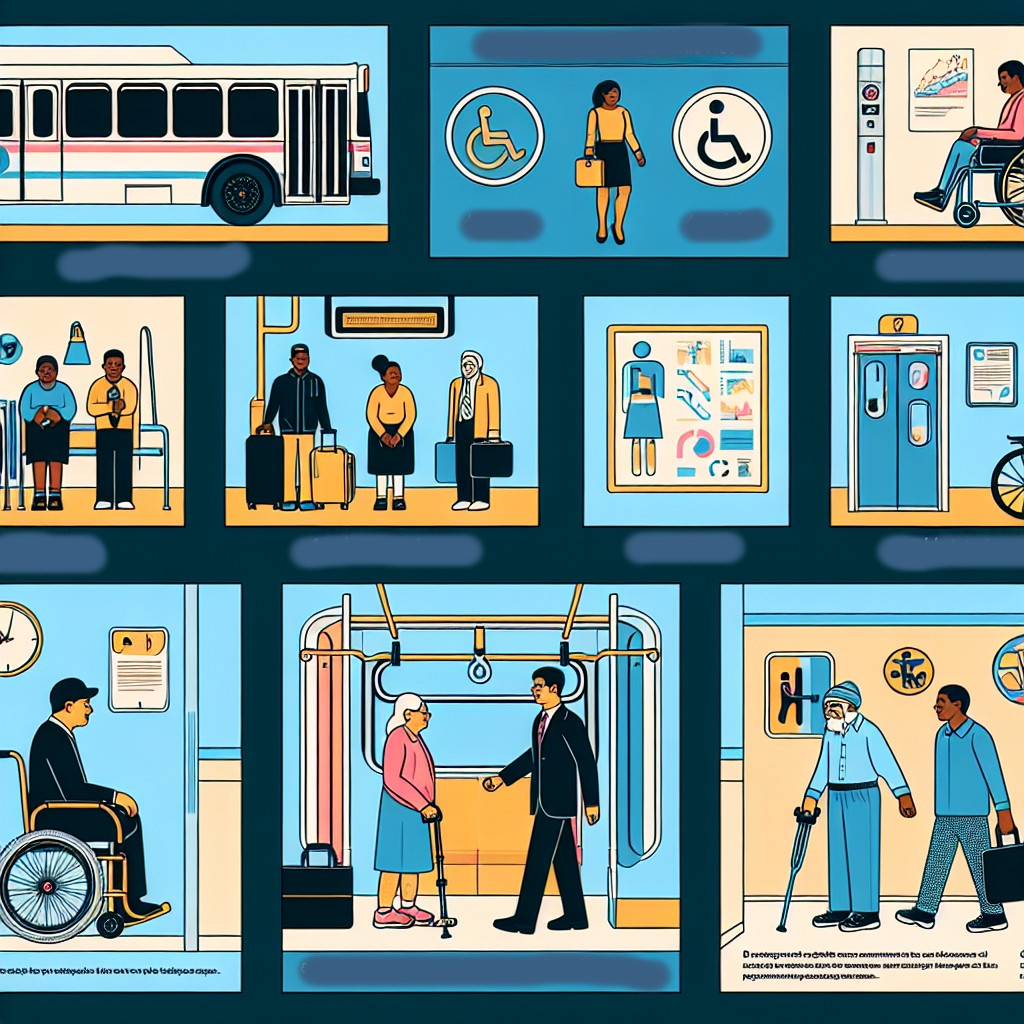
Rural Innovations: Indiana’s NIRPC Transit Improvements
While large urban centers often garner attention for transit innovations, rural areas like Indiana’s Northwest Indiana Regional Planning Commission (NIRPC) are equally significant in advancing ADA benchmarks. NIRPC’s focus on integrating rural transport systems with accessible features stands out as another successful narrative.
Recognizing the deep disparities in rural transit options, NIRPC implemented a champion project aimed at linking smaller communities with accessible regional transit services. Collaborative partnerships with local stakeholders have been instrumental in developing a network-oriented approach. Public buses have been upgraded with ramps and lifts, and schedules have been adapted to accommodate paratransit riders effectively. NIRPC’s strategic plan contemplates universality in design, ensuring rural residents enjoy the same independence and mobility as urban dwellers.
Moreover, NIRPC emphasizes technology integration by launching a ride-booking app designed specifically for accessibility. This innovation has empowered users to customize their travel plans, enhancing scheduling flexibility and reducing travel-related anxiety for the disabled community.
The commission’s ongoing commitment to monitoring progress through public feedback and adaptive real-time changes reflects a concerted effort to be proactive in addressing accessibility needs, despite the logistical challenges often present in rural settings.
Lessons Learned: Key Takeaways from the Case Studies
The successes outlined in Boston, San Francisco, and rural Indiana offer crucial insights into ADA application across diverse settings. The overarching lesson is that successful ADA compliance relies on a multifaceted approach, incorporating technology, community partnerships, proactive planning, regular feedback, and commitment to continuous improvement.
The importance of designing systems with universal accessibility in mind cannot be overstated. Both urban and rural transit authorities have benefited tremendously by engaging with their communities, understanding specific needs, and responding with tailored solutions. By doing so, they have elevated standards of access, fostering environments where inclusivity is not a mere goal but a manifest reality.
The commitment seen in these case studies also highlights the need for comprehensive staff training and awareness programs, emphasizing that accessibility is an ongoing responsibility. Furthermore, leveraging technology to provide real-time updates and self-service tools reflects an additional layer of accessibility that meets the needs of a digital-savvy demographic.
Equally significant is the role of policy and governance frameworks that empower transit agencies. Legal mandates coupled with grassroots advocacy help cultivate a climate where accessibility progresses from compliance to culture. These case studies should inspire other regions to emulate best practices and embrace the opportunity for broader societal benefit.
Conclusion: The Road Ahead for ADA in Public Transportation
The journey towards fully accessible public transportation in the United States is ongoing, albeit encouraging. The Americans with Disabilities Act provides a powerful legislative foundation that facilitates inclusion and independence for people with disabilities. Real-world instances like those found in Boston, San Francisco, and Indiana serve as testaments to the law’s impact, demonstrating practical applications that other cities can replicate and build upon.
As public expectations evolve, so too must the efforts to enhance public transport systems. Prioritizing user-friendly technology, maintaining open channels for passenger feedback, and sustaining collaborative community efforts will be critical in driving further progress. Importantly, successes are not born from sporadic projects but through sustained, committed endeavors that prioritize accessibility at every stage of development and operation.
The significance of these efforts extends beyond the immediate benefits to individuals with disabilities; accessible design benefits all users, creating more efficient, equitable transit systems. The ADA, inspired by a deep understanding of equality, continues to guide public transportation toward a shared vision where access for all is not solely an aspiration but a reality. As we advance, it is essential that we recognize and commit to nurturing and expanding these ADA successes, fortifying transportation systems that respect dignity and freedom for every individual.
Frequently Asked Questions
1. What are some notable successes of the ADA in public transportation?
The ADA has transformed public transportation systems across the United States by facilitating numerous advancements that make traveling more accessible for individuals with disabilities. Some notable successes include the installation of elevator services and ramps in major subway stations, making them wheelchair-accessible. Additionally, public buses have been retrofit to include low-floor designs and deployable ramps that significantly ease boarding for individuals with mobility impairments. More importantly, these buses often have better access to priority seating sections designated for passengers with disabilities.
In cities like New York, the implementation of tactile paving surfaces near public transportation stations has improved the safety and autonomy of individuals with visual impairments. Furthermore, the use of audible pedestrian signals and raised directional maps have been instrumental in aiding those with limited or no vision to navigate public spaces independently. These changes have created a ripple effect, prompting other cities to examine their transportation systems and identify areas for improvement, which speaks volumes about the continuous impact of the ADA.
2. How have cities integrated technology to improve accessibility under the ADA?
Cities have leveraged advancements in technology to bolster the accessibility of public transportation systems in impressive ways. One significant implementation is the usage of mobile apps that provide real-time updates about train and bus schedules, arrival times, and, most importantly, information about accessible services and routes. These applications cater to users with varying disabilities by offering enhancements such as voice-command features, larger text options, and high-contrast modes for better readability.
Moreover, some transit systems have installed visual and auditory announcements on trains and buses to offer another layer of accessibility for individuals with hearing and vision impairments. In metropolitan areas like Boston, stations have incorporated beacon technology that interacts with smartphones to assist travelers in navigating complex station layouts. This inclusion holds paramount value for passengers requiring additional guidance to transitions between routes or platforms. Such future-oriented approaches underscore how technology under the ADA’s umbrella fosters an inclusive commuting environment.
3. How have rural areas benefited from ADA regulations in public transportation?
While the spotlight often shines on urban transportation developments, rural areas have not been left behind in the ADA’s footprint of positive change. Rural transit systems have seen the implementation of demand-response transportation services, which operate much like dial-a-ride programs. These services have been key to providing flexibility and responsiveness to individuals in less densely populated areas who require transportation for medical appointments, grocery runs, or other daily activities.
To ensure compliance and accessibility, many of these rural transit vehicles are equipped with wheelchair lifts and other assistive technologies, ensuring that rural residents with disabilities experience a similar level of service access as those in urban settings. These shared and often subsidized services play a crucial role in maintaining the independence and self-sufficiency of individuals living outside metropolitan areas, ultimately bridging the gap caused by geographical inequities.
4. What challenges remain in achieving full public transportation accessibility under the ADA?
Despite the undeniable progress made, several challenges continue to impede the complete realization of a fully accessible public transportation system as envisioned by the ADA. One significant hurdle is the aging infrastructure in various cities, which poses financial and logistical challenges to retrofitting older stations and vehicles with accessible features. Cost considerations and logistical constraints make it difficult for some transit agencies to prioritize these necessary upgrades, which sometimes results in compliance delays.
Another pressing issue is the continued need for inclusive transportation planning that considers input from disability advocates. Fostering continued dialogue and partnership between transit authorities, accessibility experts, and those with lived experiences of disabilities is crucial in identifying the nuanced barriers that may still be present in daily commutes. Moreover, the inconsistency in accessibility features across different transportation networks causes confusion and frustration for travelers with disabilities, highlighting an area that requires focused attention to achieve uniformity and reliability.
5. Are there any specific case studies demonstrating successful ADA implementation in public transportation?
Many case studies highlight the triumphant applications of ADA principles in public transportation. One exemplary case is the Bay Area Rapid Transit (BART) in San Francisco, where significant investments have been made to upgrade stations with accessibility features, including elevators, escalators, and accessible ticket machines. They have also focused on integrating extensive digital signage and audible announcements to assist travelers who are deaf or hearing impaired.
In Chicago, the city’s ‘All Stations Accessibility Program’ aims to make every “L” station accessible within the next couple of decades. This ambitious effort involves both constructing new elevators and revamping obsolete structures, showing a dedicated commitment to inclusivity. Additionally, the innovative cooperation between Dallas Area Rapid Transit (DART) and local advocacy groups has seen the introduction of comprehensive training programs for staff to assist passengers with varying needs better.
These case studies, among others, indicate that with determined governance and collaborative efforts, a universally accessible transportation system is not only achievable but is being realized in impactful ways throughout different regions, paving the road for inspirational change driven by ADA compliance.