The Americans with Disabilities Act (ADA) is a landmark piece of civil rights legislation aimed at eliminating discrimination against individuals with disabilities. Established in 1990, the ADA has created a framework ensuring equal opportunity in different spheres of life, notably in employment, public accommodations, transportation, and communication. While the initial focus of the ADA covered a broad demographic, its relevance and applications to the elderly population deserve special attention. As people age, they often experience disabilities, making the protection and accommodations provided by the ADA increasingly significant.
The elderly population in the United States is rising steadily, a trend accompanied by an increase in age-related disabilities. According to the U.S. Census Bureau, the number of Americans aged 65 and older is projected to reach 94.7 million by 2060. With this growing demographic, it is crucial to examine the ADA’s efficacy in addressing the unique needs and challenges faced by elderly individuals. From physical impairments to cognitive decline, ensuring that the elderly receive appropriate accommodations and rights under the ADA is becoming ever more important.
ADA and Employment for the Elderly
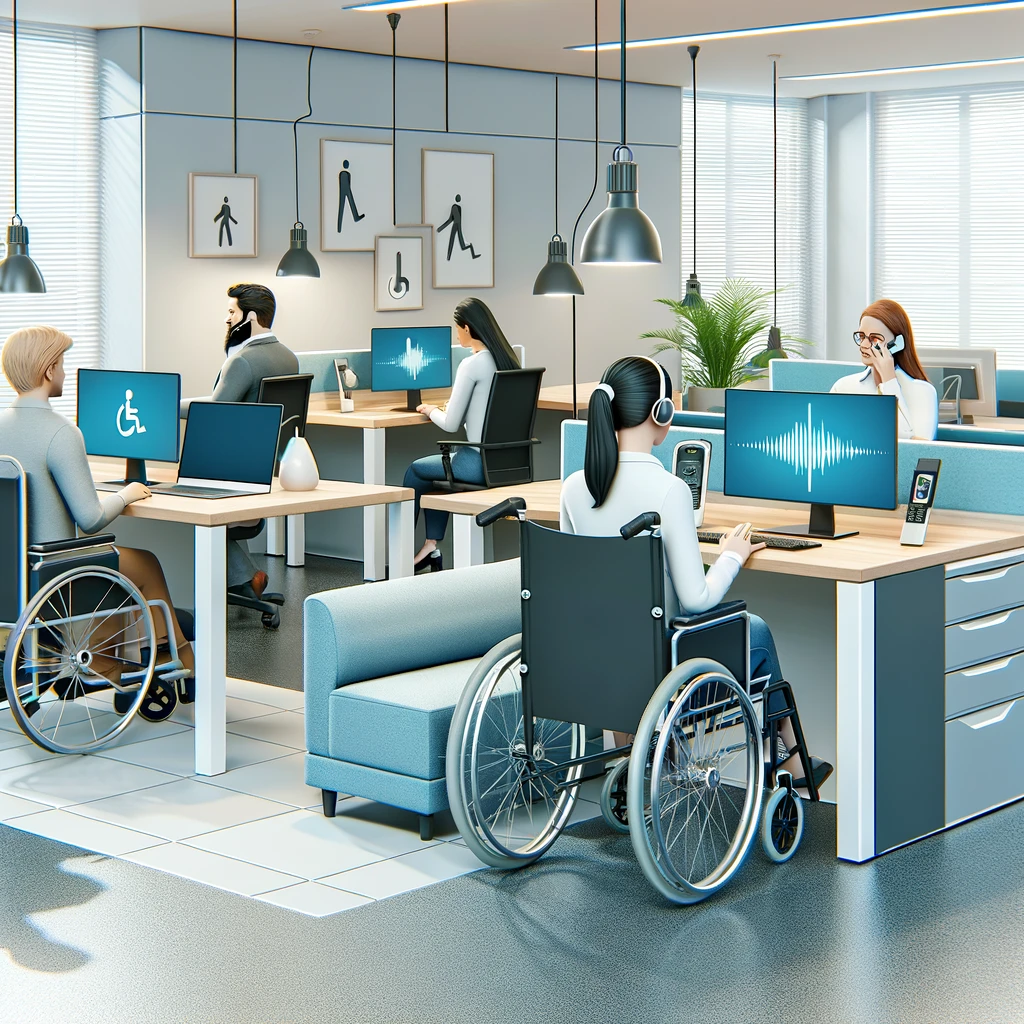
Employment is one of the critical areas covered by the ADA, particularly under Title I, which prohibits discrimination in the workplace against qualified individuals with disabilities. For elderly individuals, this provision is particularly vital. Age-related conditions such as arthritis, hearing impairments, and vision losses can pose significant challenges to continuing employment. Under the ADA, employers are required to provide reasonable accommodations, such as modified workstations, flexible work hours, or assistive technologies, to support elderly employees in maintaining productivity and job satisfaction.
Additionally, the ADA also protects older workers from mandatory retirement policies that unfairly discriminate against them based on their age-related disabilities. Employers must avoid practices or policies that indirectly exclude or disadvantage elderly employees with disabilities. By fostering an inclusive and accommodating work environment, the ADA not only supports the rights of elderly employees but also enhances the overall workforce diversity and experience.
Public Accommodations and the Elderly
Title III of the ADA ensures that public accommodations, including facilities such as restaurants, hotels, theaters, and retail stores, are accessible to individuals with disabilities. For elderly individuals, physical barriers in these public spaces can greatly hinder their ability to participate fully in societal activities. Steps, narrow doorways, lack of ramps, and inadequate signage can all present significant obstacles for senior citizens with mobility or sensory impairments.
The ADA mandates that such facilities engage in reasonable modifications and remove barriers that prevent accessibility. This can range from the installation of ramps and elevators to the provision of accessible restrooms and parking spaces. Such modifications do not only comply with legal requirements but also make public spaces more inviting and user-friendly for elderly patrons. The ADA’s emphasis on accessibility plays a crucial role in helping elderly populations maintain their independence and quality of life.
Transportation and Mobility
Access to reliable transportation is essential for maintaining independence, particularly for elderly individuals. Title II of the ADA addresses public transportation systems, requiring that they be accessible to individuals with disabilities. This includes the provision of accessible vehicles, such as buses with lifts or low-floor designs, as well as accessible train stations with elevators and tactile guides for visually impaired users.
Moreover, para-transit services are a critical component in ensuring transportation equity for elderly populations who might have significant mobility impairments. These services offer door-to-door transportation options, tailored specifically to meet the needs of individuals with severe disabilities, including many elderly users. By ensuring that transportation systems are inclusive, the ADA helps elderly individuals access essential services, remain socially connected, and engage in community life.
Communication and Information Accessibility
The ADA recognizes that communication is a fundamental right and requires that information and communication technologies be accessible to individuals with disabilities. For elderly individuals, this can include provisions for those with hearing and visual impairments, particularly crucial as age-related conditions such as macular degeneration or hearing loss become more prevalent.
Telecommunication devices, hearing aids, captioned telephones, and text messaging services are just some of the accommodations covered by the ADA to support effective communication for the elderly. Additionally, public institutions and service providers are encouraged to offer information in accessible formats, such as Braille, large print, or audio recordings, ensuring that all elderly individuals can access necessary information and resources. The ADA’s guidelines ensure that elderly individuals remain informed and capable of participating in their communities.
Healthcare and Long-term Services
Healthcare is another critical area where the ADA offers protections for elderly individuals. Healthcare facilities must be accessible to individuals with disabilities, including those due to age-related conditions. This encompasses physical accessibility within medical offices and hospitals, as well as communication accessibility to ensure that elderly patients fully understand their healthcare options and treatments.
Long-term services and supports (LTSS) are essential for many elderly individuals, particularly those with significant disabilities. Under the ADA, elderly individuals are entitled to receive these services in the most integrated setting appropriate to their needs. This often translates to the provision of in-home services, community-based care, and other supports that enable elderly individuals to live with dignity and independence. Ensuring access to comprehensive healthcare and support services under the ADA not only improves the quality of life for elderly individuals but also alleviates the caregiving burden on families and communities.
Conclusion
The Americans with Disabilities Act has far-reaching implications for all individuals with disabilities, including the elderly population. As the number of elderly individuals continues to grow, the ADA’s guarantees of equal opportunities and accommodations assume greater significance. From employment and public accommodations to transportation, communication, and healthcare, the ADA provides a robust framework for ensuring that elderly individuals with disabilities can live meaningful, autonomous lives.
It is imperative for communities, policymakers, and service providers to remain vigilant and proactive in enforcing and expanding ADA provisions to meet the diverse needs of an aging population. By doing so, we can cultivate a more inclusive society that values and supports the contributions and well-being of elderly individuals. The ADA’s commitment to eliminating discrimination and enhancing accessibility for all serves as a powerful testament to our collective responsibility to uphold the rights and dignity of every individual, regardless of age or ability.
Frequently Asked Questions
1. How does the ADA specifically benefit elderly populations?
The ADA is a fundamental piece of legislation that ensures individuals with disabilities are treated equally and without discrimination. For the elderly, this law is particularly significant as it provides a protective mechanism against age-related disabilities. As people age, they often face mobility challenges, vision and hearing impairments, and other health issues that can be classified as disabilities under the ADA.
Elderly populations benefit from the ADA because it mandates accessibility improvements in public and private spaces. This could mean ramps instead of stairs, elevators, or wide doorways in buildings to accommodate wheelchairs and walkers. In workplaces, the ADA requires reasonable accommodations, such as modified workstations or adapted communication devices, ensuring older adults can continue to work or participate in social and community activities.
Moreover, the ADA guarantees accessible transportation and communication services. This is crucial for maintaining independence and a high quality of life. For instance, public transit systems are required to be accessible, and communication aids, such as large print or audio options, must be available to those with visual or auditory impairments. The elderly population, therefore, benefits significantly through the ADA’s comprehensive framework that aims to include and empower them in all societal aspects.
2. What obligations do employers have under the ADA toward elderly employees?
Under the ADA, employers have specific obligations to ensure that employees with disabilities, including those who are elderly, are not subject to discrimination. This includes providing reasonable accommodations that enable them to perform their job roles effectively. An employer may need to adjust the work environment or the way a job is customarily performed to accommodate the needs of an aging workforce.
For instance, an employer might offer flexible working hours, provide ergonomic office equipment, or adjust job duties to better suit an older employee’s capabilities. The ADA’s protection extends to recruitment, hiring, promotions, and job training. This means that elderly employees must be judged on their ability to perform the duties of a job and not on stereotypes or assumptions about their age-related abilities.
Employers are also tasked with maintaining a non-discriminatory work culture that respects and values the contributions of all employees, regardless of age or disability. When workplaces acknowledge the value brought by diverse age groups and provide the necessary support, they fulfill their obligations under the ADA and foster an inclusive environment.
3. How does the ADA protect elderly individuals in public accommodations?
The ADA ensures that public accommodations, including restaurants, retail stores, hospitals, hotels, and other shared spaces, are accessible and usable by individuals with disabilities, including the elderly. This is achieved by implementing standards that remove barriers and enhance usability for people with various disabilities, which often correlate with age-related conditions.
For example, businesses must provide accessible entrances, adequate parking spaces, and restrooms that accommodate mobility devices like wheelchairs. The ADA standards also call for clear signage, audio guides, and visible emergency exits to aid those with visual or auditory impairments, which are common in older adults.
Such accessibility measures mean elderly individuals can engage with their communities with greater ease and confidence. Whether it’s visiting a shop, attending a theatrical performance, or participating in a civic event, having accessible facilities guarantees that aging individuals can maintain their independence and participate fully in public life. It also ensures that service providers put the necessary accommodations in place to support elderly patrons.
4. Are health care facilities required to follow ADA guidelines for elderly patients?
Yes, healthcare facilities are mandated by the ADA to provide equal access to individuals with disabilities, including elderly patients. This encompasses every aspect of a patient’s experience, from the infrastructure of the facilities to the communication between healthcare providers and patients. Healthcare facilities must comply by ensuring their premises are accessible, meaning they have ramps, elevators, and wheelchair-accessible exam rooms and equipment, such as adjustable-height tables and scales that accommodate wheelchair users.
Communication accessibility is equally vital. The ADA requires that healthcare providers offer auxiliary aids and services where necessary for effective communication with patients, particularly those with hearing, vision, or speech impairments. This might include the provision of interpreters, video relay services, or assistive listening devices, ensuring elderly patients can make informed decisions about their medical care.
Furthermore, staff training is critical under the ADA, as it empowers healthcare providers to recognize the varied needs of elderly patients with disabilities and respond appropriately. Understanding and implementing ADA guidelines in healthcare settings ensures that elderly patients receive equitable, respectful, and dignified care.
5. How does transportation accessibility under the ADA impact the elderly?
Transportation is a critical component of maintaining independence and access to services for elderly individuals, and the ADA plays a key role in this. Under the ADA, public transit systems, including buses, trains, and subways, are required to be accessible to individuals with disabilities. This means vehicles are often equipped with lifts or ramps, priority seating for the elderly and those with disabilities, and visual and audio announcements to assist with navigation.
For those who cannot use the standard fixed-route public transit services, the ADA mandates the provision of complementary paratransit services. These are typically door-to-door services that offer a lifeline to elderly individuals who might otherwise be isolated in their homes. Such services ensure they can attend medical appointments, go shopping, or meet with friends and family, contributing significantly to their quality of life.
Transportation accessibility under the ADA empowers elderly populations to remain active, social, and engaged in their communities. It not only protects their rights but also reinforces the notion that society values their inclusion and participation across all aspects of public life.