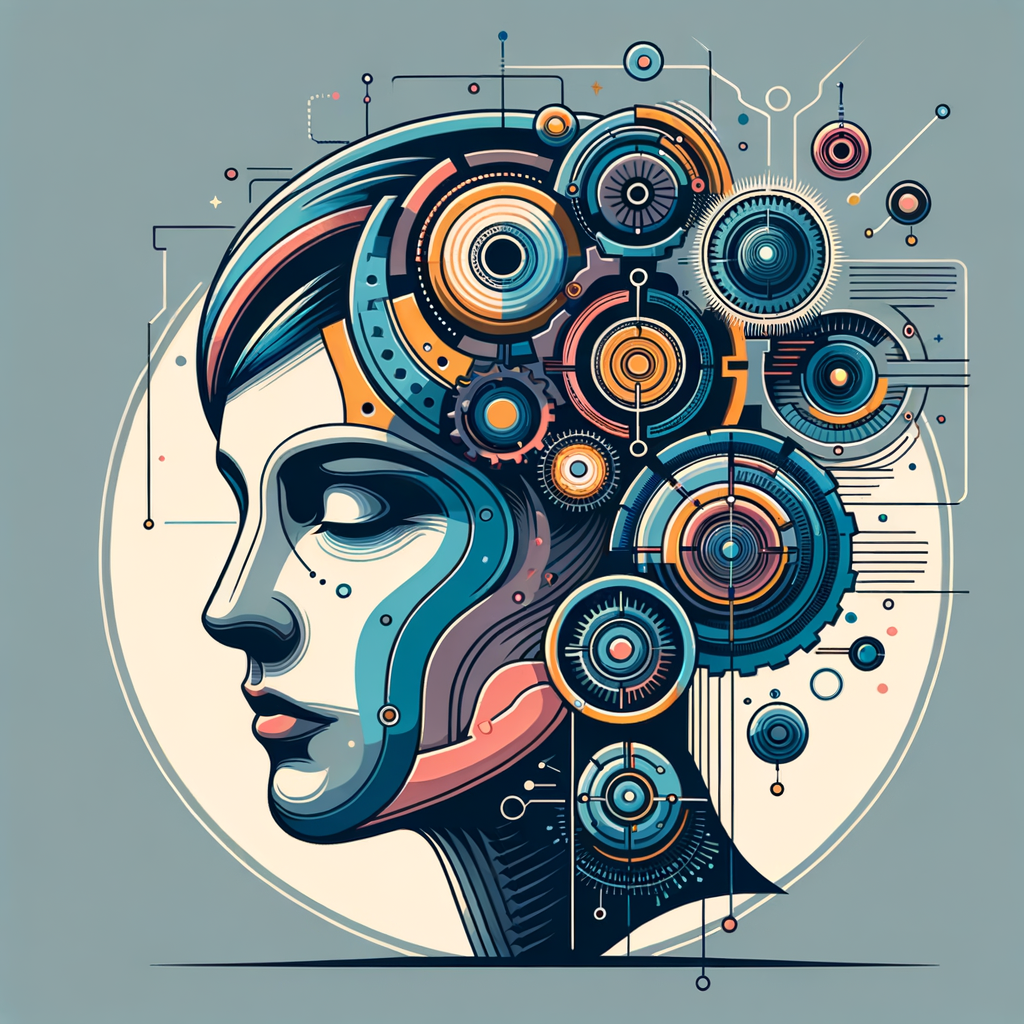
In today’s rapidly iterating digital landscape, technology has become an integral part of our day-to-day lives, influencing and reshaping every sector imaginable. Among these, the intersection of technology with mental health and emotional accessibility is a particularly promising frontier. With a prolific rise in mental health awareness, there is an increasing recognition of the need to make mental health resources more accessible and effective through technological means. This digital infusion extends to delivering therapies, processing emotional intelligence data, providing cognitive assessments, and much more. The rise of mobile applications, AI-powered tools, and telehealth platforms has revolutionized how mental health care is distributed and consumed, ensuring that more people can access therapeutic resources conveniently and privately. In an era where mental health is gaining the overdue recognition it deserves, technology acts as a bridge, filling gaps in traditional mental health care models while reducing stigmas associated with seeking psychological help. As we delve deeper into how this partnership evolves, it’s crucial to explore how these technologies function, what challenges they present, and how they promise a more inclusive future for mental wellness.
For many individuals, primarily those who have traditionally been underserved by conventional mental health services, digital tools provide innovative solutions that transcend geographical and socio-economic barriers. This ease of access is pivotal, considering the rising demand for mental health services and the stark shortage of available professionals. Digital tools are not just augmenting existing systems but are also pioneering entirely new ones. By breaking free from the confines of traditional in-person consultation models, technology facilitates cognitive and emotional support in real-time, letting individuals connect with professionals faster and in a more personalized fashion. This can significantly reduce the waiting periods that often accompany conventional consultations, hence promoting timely interventions. Additionally, digital platforms enable individuals to track their progress consistently and accurately, using data analytics to guide therapy technique adjustments, ultimately substituting data for guesswork in treatment efficacy evaluations. Overall, the potential for technology to enhance emotional accessibility and mental health care is immense and steadily increasing as innovations continue to evolve.
Technology’s Role in Emotional Accessibility
Technological advancements contribute substantially to emotional accessibility, providing tools that empower individuals to understand and manage their emotions more effectively. One of the primary tools enabling this is emotion recognition software. These programs can track and interpret human emotions using a combination of facial recognition technologies, vocal tone analysis, and physiological responses such as heart rate and skin conductivity. Without the pretentions of person-to-person interactions, software solutions offer a non-intimidating environment where users feel free to express themselves without auditory or visual judgment, leading to more honest appraisals of their emotional states.
Moreover, AI chatbots trained in psychological support principles offer immediate feedback and interaction, which can be particularly beneficial in moments of acute emotional distress. Unlike human availability constraints, these bots operate 24/7, providing support and guidance whenever it’s needed most. While not a replacement for human therapists, they offer initial emotional triage and can substantially reduce emotional isolation by engaging users in dialogue. Besides aiding users directly, data gathered from these interactions help refine algorithms, further enhancing the technology’s accuracy, conversational style, and relevance to emotional therapy models over time.
Mental Health Applications and Tools
The proliferation of mental health applications in recent years is one of the notable ways technology aids in psychological wellness. Applications like Headspace, Calm, and Woebot offer meditation, mood tracking, cognitive-behavioral therapy-based content, among other functionalities. These tools are significant in facilitating self-care by educating users on effective personal mental health management practices, often complementing professional therapy. Additionally, mobile apps provide interactive and engaging user experiences, enhancing user adherence to treatment plans and exercises which is paramount for efficacy. Games and interactive experiences rooted in sound therapeutic techniques increase engagement and efficacy. Coupled with anonymized mental health forums within these apps, users can connect with others experiencing similar challenges, fostering community support.
Beyond individual users, these apps are increasingly being embraced within educational settings, workplaces, and healthcare environments, collectively promoting a culture of mental wellness. Organizations leverage these tools to offer proactive support toward employee mental health through subscription packages or partnerships. This level of integration suggests a paradigm shift where mental health support is woven into the fabric of daily personal and professional life, reducing potential psychological issues at an early stage.
Teletherapy: Redefining Mental Health Care Delivery
Perhaps one of the most transformative impacts of technology on mental health care is manifest in the rise of teletherapy. Through video conferencing platforms and secure messaging services, therapists can connect with patients irrespective of geographical limitations. Teletherapy has democratized access to mental health services, particularly in areas lacking sufficient in-person resources. It preserves continuity of care where travel, health concerns, or other logistical challenges might previously have interrupted patient engagement. This continuity is crucial for effective treatment and relapse prevention.
Teletherapy also provides a degree of anonymity and personal comfort, reducing the stigma associated with traditional therapy settings. Moreover, accessible on multiple mediums such as laptops, tablets, or smartphones, teletherapy adapts to client preferences, ensuring that help is reachable via preferred methods. While reservations about the emotional depth achievable through digital communication persist, studies increasingly show comparable efficacy to in-person therapy. These results are encouraging for proponents advocating expanded remote mental health care access.
Challenges and Ethical Considerations
Despite these numerous benefits, integrating technology in mental health care poses certain challenges and ethical considerations that must be addressed. Notably, data privacy and security concerns arise as sensitive personal information becomes digitized and stored across various platforms. Maintaining confidentiality and integrity of mental health records is paramount, necessitating stringent verification protocols and encryption measures. Another concern is ensuring that these technological advancements are inclusive and accessible to all. Digital literacy, access to devices, and stable internet connections are prerequisites for utilizing these tools, potentially alienating certain populations who lack these resources.
Furthermore, while AI and other tech solutions offer tremendous opportunities, there’s apprehension regarding reliance on algorithms over human judgment, as they may not fully capture the nuances of human psychology. Professional oversight and rigorous validation of these systems are essential to strike a balance between leveraging technology and upholding actionable therapeutic standards.
Conclusion
The confluence of technology and mental health care is transformative, offering expansive opportunities for providing comprehensive, accessible, and personalized care. The digital age heralds an era wherein mental health resources are widely available, fundamentally changing how people engage with mental wellness. Through tools like teletherapy, mental health applications, and AI-driven emotional intelligence platforms, users gain immediate, tailored support, fostering a proactive approach to mental health care. This development not only improves individual outcomes but also prompts a broader societal acknowledgment of the importance of mental wellness.
As technology continues to advance and permeate the mental health space, ongoing innovation must be accompanied by vigilance to ethical considerations, ensuring that care delivery is safe, equitable, and unbiased. A synergetic relationship emerges, where technology complements and enhances traditional mental health solutions without entirely replacing them. Maintaining quality, privacy, and accessibility remains paramount, guiding this dynamic collaboration towards future endeavors. Stakeholders, including healthcare providers, policymakers, technologists, and psychologists, must collaborate to navigate challenges and actualize a future where mental health care is universally accessible and expertly delivered.
Ultimately, the role of technology in emotional accessibility and mental health is not to replace face-to-face therapeutic encounters but rather to expand the reach and efficacy of mental health services. By embracing the union of technology and empathy, we move closer to a world where mental health is seamlessly integrated into the digital ecosystem, empowering individuals and communities to thrive.
Frequently Asked Questions
1. What is Technology for Emotional Accessibility and Mental Health?
Technology for emotional accessibility and mental health refers to the use of digital tools and resources to support and enhance mental well-being. This can include a wide range of applications and platforms, from mental health apps that offer activities and resources for managing stress to virtual therapy and counseling services that enable individuals to connect with mental health professionals remotely. By harnessing the power of technology, these resources aim to break down the barriers to accessing mental health support, making it easier for individuals to get the help they need regardless of their location or circumstances. The overarching goal here is to provide support that is not only more accessible but also personalized, competent, and continuous, ensuring that emotional support is available whenever and wherever it’s needed.
2. How can technology improve mental health accessibility?
Technology improves mental health accessibility in several significant ways. Firstly, it bridges geographical gaps by allowing individuals to access mental health services from anywhere in the world, making it invaluable for those in remote or underserved areas. Apps and online platforms deliver interventions and resources directly to user devices, catering to their schedules and preferences, thereby eliminating the need for physical travel or waiting for in-person appointments. Additionally, technology facilitates personalized care through the use of data-driven insights and artificial intelligence. Platforms can analyze user data to suggest tailored strategies, resources, and exercises that address specific mental health issues. Moreover, the anonymity and privacy offered by digital platforms encourage more people to reach out for help, reducing stigma and fear of judgment. With the integration of multimedia, interactive content, and innovative user interfaces, technology engages users more effectively, making mental health support more inclusive and comprehensive.
3. Are there any risks associated with using mental health technology?
While technology offers substantial benefits for mental health support, some risks and challenges accompany its use. Privacy and data security concerns are among the most prominent, as personal mental health information could potentially be exposed through security breaches or insufficient data protection measures. Moreover, the quality and credibility of many digital mental health resources vary widely. Some apps or platforms may lack professional oversight or evidence-based practices, potentially leading to misinformation or ineffective support. Complementarily, over-reliance on digital tools might deter individuals from seeking in-person therapy when necessary. It’s crucial for users to research and select applications that are backed by mental health professionals and adhere to privacy standards. Developers and service providers must prioritize transparency, user consent, and continuous improvement in their platforms to mitigate these risks effectively.
4. What types of technology are typically used in mental health support?
The types of technology used in mental health support are diverse and continually evolving. Popular tools include mindfulness and meditation apps like Headspace or Calm, which offer guided practices and relaxation techniques to reduce stress and improve focus. Therapy apps such as BetterHelp and Talkspace connect users with licensed therapists through text, voice, or video consultations. There are also cognitive-behavioral therapy apps that provide structured modules to help users manage anxiety, depression, or other mental health issues. Wearable devices equipped with sensors can track physical activity, sleep patterns, and other health metrics, offering insights into users’ mental wellness. Virtual reality and augmented reality are emerging as therapeutic tools for exposure therapy and immersive relaxation experiences. Social platforms and online communities offer peer support, connecting individuals with others who share similar experiences and can offer encouragement and understanding. Each of these technologies plays a unique role in creating a comprehensive digital mental health ecosystem.
5. How is artificial intelligence used in mental health technology?
Artificial Intelligence (AI) is a groundbreaking force in the realm of mental health technology, enabling more responsive, adaptive, and personalized mental health care. AI is used in several key ways: Firstly, it analyzes and processes large datasets from wearables, apps, and other digital resources to detect patterns or anomalies that might indicate distress or mental health deterioration, allowing for early interventions. These insights can guide the development of personalized care plans and support frameworks for individual users. Secondly, AI-driven chatbots and virtual assistants provide real-time support through conversation, offering users coping strategies and resources 24/7. These tools simulate engaging, empathetic interactions, offering immediate assistance and often performing as first-line supporters. Furthermore, AI enhances the potential of predictive analytics, allowing practitioners to forecast outcomes and refine treatment plans based on historical data and evolving patterns. These capabilities significantly enhance both the scale and granularity of mental health care, making it more efficient, effective, and personalized.