Transportation accessibility is a vital aspect of inclusivity for individuals with disabilities. In a world that is increasingly mobile, having access to reliable and accessible transportation can significantly impact quality of life. The Americans with Disabilities Act (ADA), passed in 1990, serves as a critical framework to protect the rights of individuals with disabilities, ensuring that they have equal access to public transportation. However, despite the ADA’s comprehensive nature, real-world implementation often poses challenges. This article delves into the nitty-gritty of navigating transportation accessibility issues, highlighting case studies and real-world applications. By doing so, we aim to shed light on the hurdles faced by individuals with disabilities and how these challenges are being addressed through innovative solutions and legal frameworks.
The ADA and Transportation Accessibility
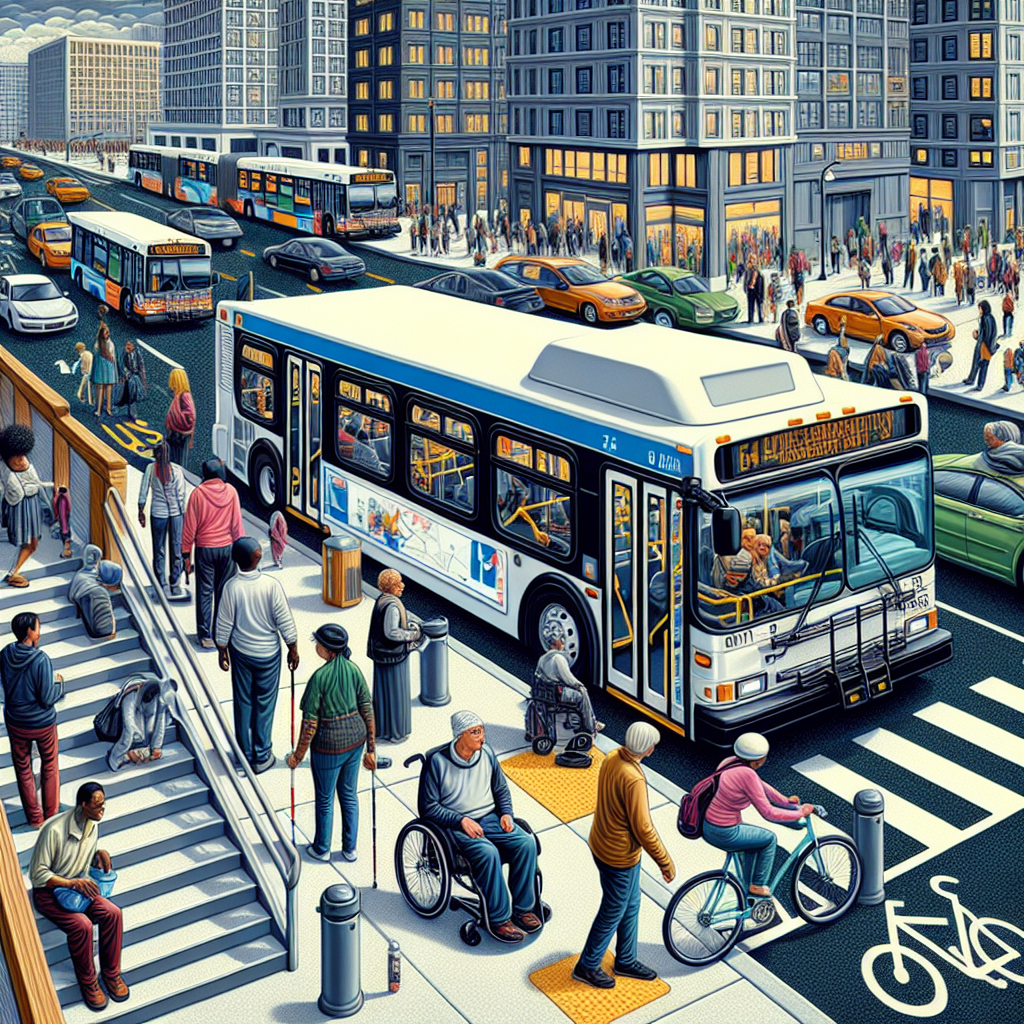
The ADA has been pivotal in pushing accessibility to the forefront of urban planning and public service provision. Under the ADA, transportation agencies are required to provide accessible services, which include making vehicles wheelchair accessible, ensuring that public transit facilities have features like elevators, ramps, and appropriate signage, and providing paratransit services for those who can’t use regular fixed-route services. Despite these mandates, the road to achieving true accessibility is fraught with difficulties. Some transportation systems, especially those in older cities with established infrastructures, struggle with retrofitting older vehicles and stations to meet ADA requirements. Meanwhile, budget constraints and inadequate understanding of accessibility needs further complicate matters.
Case Study: New York City’s Subway System
New York City’s subway system is an iconic yet challenging example when it comes to ADA compliance. With over 472 stations, only about a quarter are ADA-accessible, making it a daunting environment for wheelchair users and individuals with mobility impairments. This lack of accessibility has led to numerous lawsuits and advocacy campaigns. In 2019, a landmark settlement was reached in which the Metropolitan Transportation Authority (MTA) committed to making dozens of additional stations accessible. However, the pace of changes has been slow. While some progress has been made, systemic changes require significant time and financial investment. The situation in NYC serves as a critical reminder of the ongoing advocacy that is necessary to push for change and ensure real impact on the ground.
Innovative Solutions for Improved Access
To address these challenges, cities and local governments are turning to innovative solutions. For example, technology plays a crucial role in enhancing transportation accessibility. Apps like Aira and Be My Eyes use technology to assist visually impaired individuals by offering real-time visual interpretation services. Additionally, there’s growing attention on the design and implementation of universal design principles that benefit not only those with disabilities but the general population. These innovations make use of crowdsourced information to identify and report accessibility issues in real time, feeding valuable data back to transportation authorities for quicker resolution.

Community Involvement and Advocacy
Grassroots movements and community organizations have continually underscored the power of collective action and advocacy in driving transportation accessibility. Organizations such as the Disability Rights Education & Defense Fund (DREDF) and local disability advocacy groups play a significant role in lobbying for better transportation services, filing lawsuits when necessary, and participating in city planning and policy discussions. Their commitment ensures that accessibility remains a priority on both local and national agendas. By drawing attention to specific cases of non-compliance and fostering dialogue among stakeholders, these groups help in shaping a public transportation system that is inclusive for all.
Real-World Impact of Accessibility Improvements
Improving transportation accessibility has tangible and profound impacts on individuals with disabilities. It opens up opportunities for employment, education, healthcare, and community participation, which might otherwise be unreachable due to transportation barriers. Accessible transportation contributes significantly to independent living and equal participation in societal activities. The stories of individuals who have benefited from improved accessibility underline the importance of continued efforts and investments in this area. For instance, a working mother able to access reliable paratransit services can maintain employment and provide for her family—examples like these emphasize the value of ongoing improvements.
Conclusion
While significant progress has been made since the passing of the ADA, challenges in transportation accessibility still exist. Real-world examples like the New York City subway illustrate the complexity and scale of these issues. Yet, through the determination of advocacy groups, the implementation of new technologies, and a shared commitment to change, improvements continue to be made. The journey towards fully accessible transportation systems requires the collective efforts of governments, communities, and individuals to break down physical and systemic barriers. As we continue to highlight and address these issues, the vision of a more inclusive society becomes increasingly attainable.
Frequently Asked Questions
1. What is the importance of transportation accessibility for individuals with disabilities?
Transportation accessibility is crucial for individuals with disabilities as it influences their ability to participate fully in community life. Accessible transportation allows those with disabilities to access employment, education, healthcare, and social activities, reducing feelings of isolation and dependency. It’s about ensuring that everyone, regardless of their physical abilities, has the freedom to move about independently and with dignity. Furthermore, accessibility in transportation enhances the overall inclusivity of society, fostering environments where everyone can contribute and benefit from communal resources equally.
2. How does the Americans with Disabilities Act (ADA) support transportation accessibility?
The ADA has been a monumental piece of legislation since 1990, mandating that public transportation systems be accessible to all individuals, including those with disabilities. It requires public transit authorities to provide complementary paratransit services and make reasonable modifications to policies and practices to avoid discrimination. The ADA’s standards for accessible design outline specific criteria for vehicles, stations, and facilities, ensuring that features like ramps, elevators, and auditory signals meet the needs of those with mobility, hearing, or vision impairments. These measures aim to create a transportation network that offers equitable service and fosters independence for all users.
3. What are some common barriers to transportation accessibility that still exist?
Despite advancements, several barriers continue to impede transportation accessibility. These may include: – Inadequate infrastructure such as sidewalks without curb cuts, inaccessible bus stops, or lack of elevators in train stations. – Limited availability and reach of paratransit services, which may not always align with users’ needs or schedules. – Insufficient staff training on assisting individuals with disabilities, which can lead to misunderstandings or service lapses. – Challenges in real-time information systems for individuals with sensory impairments, making it hard to navigate transit routes independently. – Cost-related issues, where specialized services can be more expensive, creating financial burdens for users. These barriers highlight the need for continuous improvement and collaboration between transit agencies, policymakers, and advocates to enhance accessibility.
4. What are some real-world solutions that are being implemented to improve transportation accessibility?
Innovative solutions are continually being developed to enhance transportation accessibility, including: – Adoption of universal design principles in new transport infrastructure projects, ensuring that facilities serve all users from the outset. – Implementation of technology-based solutions like mobile apps that provide real-time navigation assistance tailored for users with disabilities. – Retrofitting existing vehicles and stations with features such as low-floor buses, tactile warning strips, and clearer signage to accommodate diverse needs. – Expanded use of autonomous vehicles designed specifically for accessibility, offering door-to-door transport services without human assistance. – Governments and organizations are investing in community engagement and pilot programs that test new solutions and collect feedback for continual improvement. These efforts aim to create a more inclusive transport system that recognizes and accommodates the diverse needs of all users.
5. How can individuals advocate for better transportation accessibility in their communities?
Advocacy plays a vital role in advancing transportation accessibility, and individuals can engage in several ways: – Participating in public forums and city council meetings to voice concerns or suggestions regarding local transit services. – Collaborating with disability organizations to support campaigns aimed at improving accessibility standards and funding. – Sharing personal experiences and challenges faced with transportation providers to raise awareness and drive change. – Encouraging inclusive design practices and policies through social media platforms or community engagement projects. – Supporting legislation that promotes accessibility improvements and holds transit authorities accountable for compliance with ADA standards. By taking an active role in these areas, individuals can help shape the future of transportation to be more inclusive and equitable for everyone.