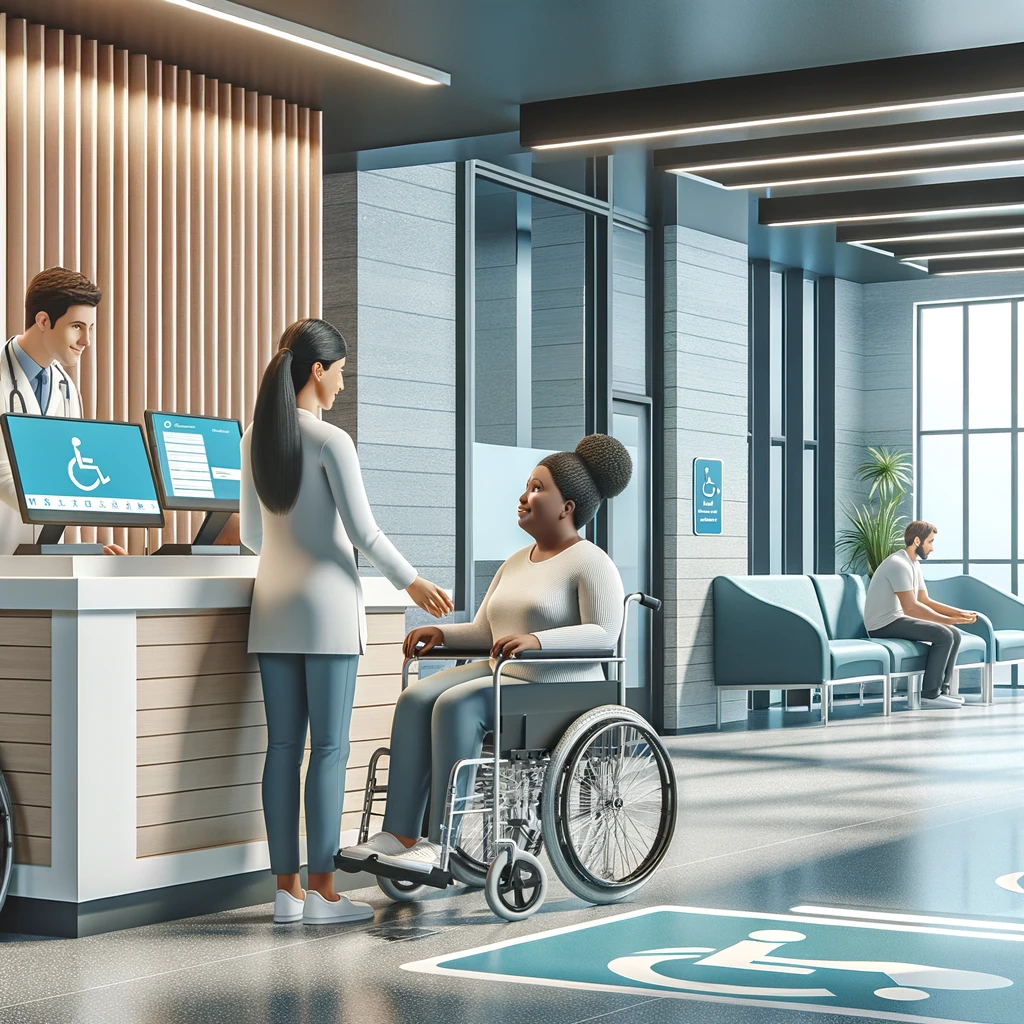
The Americans with Disabilities Act (ADA) was enacted in 1990, a groundbreaking piece of legislation that was designed to ensure equal access and opportunities for individuals with disabilities. Now, over three decades later, ADA compliance remains a crucial aspect for businesses of all sizes. Whether you are a budding entrepreneur or a seasoned business owner, ensuring that your facility meets ADA standards is not only a legal requirement but also a testament to your commitment to inclusivity and accessibility.
Introduction to ADA Compliance
One of the foremost considerations during a business renovation should be ADA compliance. This isn’t merely about avoiding fines and legal repercussions; it’s about fostering an environment where all customers and employees can comfortably and safely access your services. ADA compliance includes various aspects such as physical accessibility, equal opportunity employment, and appropriate workplace accommodations.
Understanding the requirements of ADA can initially seem overwhelming. The regulations cover a wide range of accessibility features, from wheelchair ramps and accessible restrooms to Braille signage and audible signals. However, the principles underlying ADA compliance are straightforward: remove barriers to access and ensure all individuals can participate equally in everyday activities.
In this guide, we will delve into the intricacies of ADA compliance within the context of business renovation. From assessing your current facility’s accessibility to implementing necessary changes, we will guide you through the process, ensuring your business is both compliant and welcoming to everyone.
Assessing Your Current Facility
Before embarking on renovations, it’s essential to conduct a thorough assessment of your current facility. This step will help identify areas that require modification to meet ADA standards. Start with a walkthrough of your premises, taking note of accessibility features and potential barriers. Key areas to focus on include entrances and exits, parking areas, restrooms, and common areas such as kitchens and break rooms.
Consider enlisting the help of an ADA consultant or an architect experienced in accessibility standards. They can provide professional insights and ensure no detail is overlooked. During your assessment, use a checklist based on ADA guidelines to systematically review each area.
Additionally, engage with employees and customers with disabilities to gather firsthand feedback on accessibility challenges they face. Their experiences can provide invaluable insights that might not be immediately apparent during a walkthrough. By thoroughly understanding your current facility’s shortcomings, you can prioritize renovations effectively.
Planning Your Renovation
Once you have assessed your facility, the next step is to develop a comprehensive renovation plan. Collaborate with architects, contractors, and ADA compliance experts to ensure your renovation aligns with ADA regulations. Prioritize modifications based on the severity of accessibility issues and the feasibility of implementation.
Key areas to address in your plan include:
- Entrance and Exit Accessibility: Ensure doorways are wide enough for wheelchair access, and install automatic doors if possible.
- Pathways and Corridors: Make sure all pathways and corridors are wide and obstacle-free, providing ample space for individuals using mobility aids.
- Restrooms: Install accessible stalls, sinks, and handrails in restrooms to accommodate individuals with disabilities.
- Signage: Use Braille and tactile signage to assist visually impaired individuals. Ensure all signs are positioned at an accessible height.
- Parking Areas: Designate parking spaces for individuals with disabilities, located close to entrances and marked clearly.
Throughout the planning process, keep communication open with all stakeholders. Regularly review your renovation plan with your team to ensure it remains aligned with ADA standards and business goals.
Implementing ADA-Compliant Changes
With a well-crafted renovation plan in place, it’s time to implement the necessary changes. Work closely with your contractors to ensure all modifications adhere to ADA requirements. Regularly inspect the progress of the renovation to address any issues promptly.
Some immediate changes to consider implementing include:
- Installing wheelchair ramps and elevators to provide access to different levels of your facility.
- Lowering service counters and installing accessible seating areas.
- Enhancing lighting in walkways and workspaces to improve visibility for individuals with visual impairments.
- Installing grab bars in restrooms and ensuring sinks and dispensers are accessible.
Incorporate accessibility features seamlessly into the design, ensuring they blend with the overall aesthetics of your facility. Remember, the goal is to create a functional yet inviting environment for everyone.
Training and Awareness
ADA compliance goes beyond physical alterations. It’s equally important to foster a culture of inclusivity and accessibility within your organization. Conduct regular training sessions for employees to educate them about ADA requirements and the importance of accessibility.
Topics to cover in training sessions include:
- The basics of ADA compliance and its significance.
- How to assist customers and colleagues with disabilities.
- Handling and responding to accessibility concerns or complaints.
- Ensuring digital accessibility on your website and online platforms.
Promote an environment where employees feel comfortable discussing accessibility issues and suggesting improvements. Regularly update your training programs to reflect changes in ADA regulations and incorporate feedback from staff and customers.
Monitoring and Maintenance
Achieving ADA compliance is not a one-time task; it requires ongoing monitoring and maintenance. Establish a routine inspection schedule to ensure all accessibility features remain functional and meet ADA standards. This includes checking ramps, elevators, signage, and restrooms regularly.
Keep detailed records of all inspections and maintenance activities. This documentation can serve as proof of your commitment to ADA compliance and can be useful in the event of any legal inquiries.
Additionally, stay informed about updates to ADA guidelines and regulations. Compliance standards may evolve, and it’s crucial to ensure your facility continues to meet the latest requirements. Joining relevant professional organizations and attending industry conferences can help you stay updated on best practices in accessibility.
Creating an Inclusive Digital Experience
ADA compliance extends beyond physical premises; it also encompasses digital accessibility. With the increasing reliance on online services, ensuring your website and digital platforms are accessible to individuals with disabilities is essential.
Some key considerations for digital accessibility include:
- Providing text alternatives for non-text content, such as images and videos, to assist visually impaired users.
- Ensuring your website is navigable using a keyboard and screen reader.
- Using clear and consistent layout and navigation structures.
- Captioning videos and providing transcripts for audio content.
- Using high-contrast color schemes to improve readability for individuals with visual impairments.
Conduct regular accessibility audits of your website to identify and address any issues. Consider involving users with disabilities in testing your digital platforms to gather valuable feedback and ensure an inclusive online experience.
Conclusion
Incorporating ADA compliance into your business renovation plan is a vital step toward creating a more inclusive and accessible environment for all. It’s a testament to your commitment to diversity, equity, and inclusion, and reflects positively on your brand. By assessing your current facility, developing a comprehensive renovation plan, and implementing necessary changes, you can ensure your business is welcoming to everyone.
Remember, ADA compliance is an ongoing effort that requires continuous monitoring and training. Regularly inspect your facility, stay informed about updates to ADA regulations, and foster a culture of inclusivity within your organization. By doing so, you not only meet legal requirements but also create a positive and empowering experience for customers and employees with disabilities.
Ultimately, striving for ADA compliance is about recognizing and celebrating the unique contributions and perspectives of individuals with disabilities. By making your business accessible to all, you demonstrate your commitment to creating a more inclusive and equitable society.
Frequently Asked Questions
1. What exactly is ADA compliance and why is it important for my business renovation plan?
ADA compliance refers to meeting the standards set by the Americans with Disabilities Act, which requires businesses to be accessible to individuals with disabilities. This can include a variety of modifications ranging from architectural changes like ramps and elevators to signage and technology updates for accessibility. Incorporating ADA compliance into your business renovation plan is crucial because it is both a legal obligation and a moral one. Not only can non-compliance lead to expensive legal battles and fines, but it can also tarnish the reputation of your business. Ensuring ADA compliance signifies your commitment to being inclusive and accommodating to all customers, thereby expanding your customer base and fostering a welcoming environment for everyone.
2. What are some common ADA requirements I should be aware of during my renovation?
Several key areas must meet ADA standards. These include: – **Entrances and Exits**: Doors should be wide enough to accommodate wheelchairs and should have a mechanism that doesn’t require tight grasping or twisting to open. – **Paths of Travel**: This includes having ramps with non-slip surfaces, properly marked and accessible routes throughout the business premises. – **Restrooms**: They must be fitted with grab bars, accessible stalls, and sinks at the right height for wheelchair users. – **Signage**: Braille and tactile signage should be installed where necessary. – **Parking**: Designated handicapped parking spaces with proper signage and access aisles should be available. Addressing these aspects during your renovation not only ensures compliance but also creates a more inclusive environment for all patrons.
3. How can I incorporate ADA compliance into my renovation without sacrificing my business’s aesthetic or functional design?
It’s a common concern that adhering to ADA guidelines might conflict with a business’s desired aesthetic or functional design. However, with thoughtful planning, it’s entirely possible to create spaces that are both accessible and visually appealing. Begin by consulting with architects and designers skilled in ADA compliance to ensure seamless integration of accessibility features. Elements such as stylish railing designs for ramps, custom signage that complements your brand’s design, and inclusive setups that blend with your interior aesthetic can all be implemented skillfully. Remember that functionality and accessibility can enhance, rather than detract from, the design of a space, providing a welcoming atmosphere that meets the needs of all customers.
4. What resources or professionals should I consult to ensure my renovation is ADA compliant?
Ensuring compliance requires collaboration with a variety of professionals. Consider hiring an ADA consultant if possible, as they specialize in the intricacies of ADA requirements and can provide valuable advice. Architects and interior designers with experience in accessible design are also key players in your renovation efforts. Additionally, it’s beneficial to stay informed by utilizing resources such as local government websites or ADA guidelines from federal agencies. Many communities have centers for Independent Living, which can offer insights and assistance in thanks to their deep understanding of accessibility needs. Leveraging these resources will help ensure that your renovation complies with both the letter and the spirit of the ADA.
5. Can I receive any financial assistance or incentives for making my business ADA compliant?
Yes, there are financial incentives available to businesses making ADA-related renovations. The IRS allows qualifying small businesses to claim a Disabled Access Credit, which can cover 50% of the eligible access expenditures over $250 and up to $10,000, for a maximum credit of $5,000 per tax year. Additionally, businesses can also take a deduction for expenses incurred in removing architectural or transportation barriers to those with disabilities, up to $15,000 per year. Explore these options to understand how they might offset the costs associated with your ADA renovation plans. Consulting with a tax professional knowledgeable in these areas will ensure you maximize any potential savings or credits available.