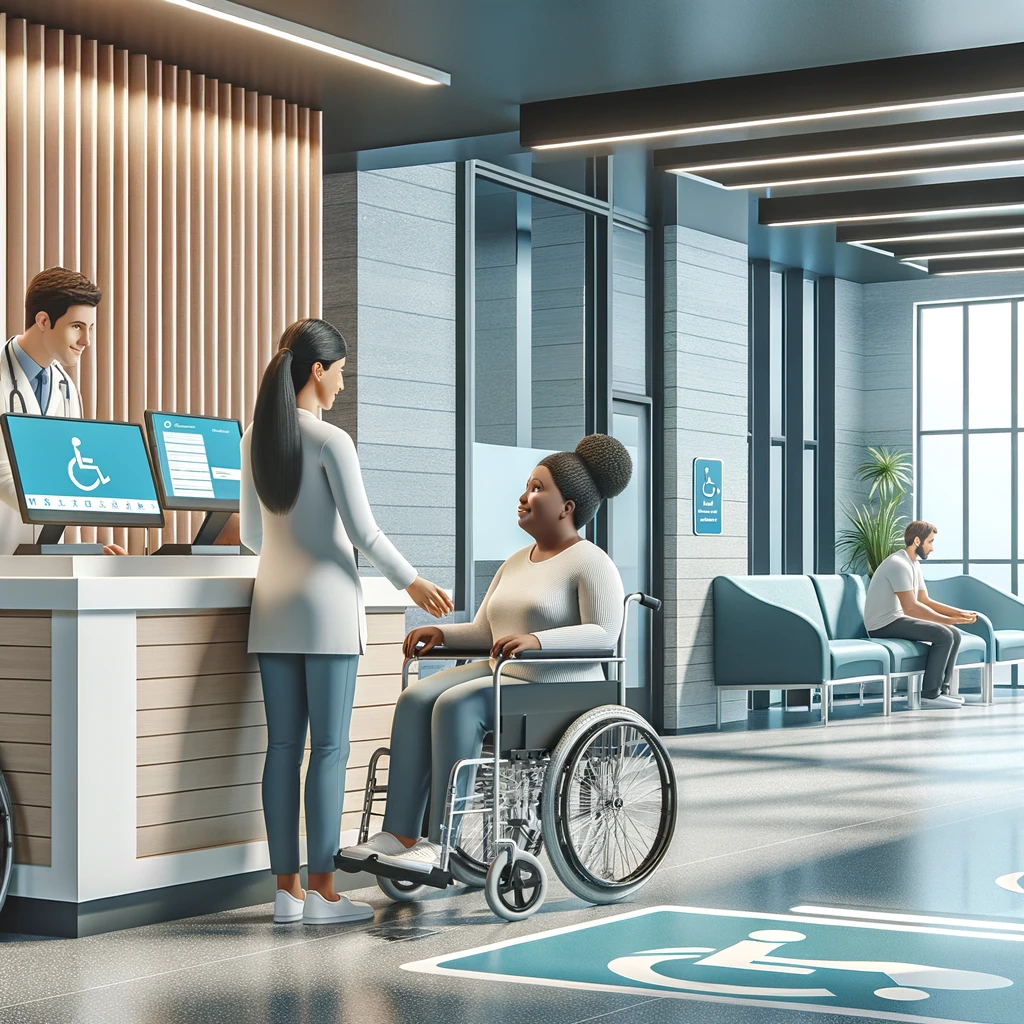
The Americans with Disabilities Act (ADA) is a pivotal piece of legislation aimed at protecting the rights of individuals with disabilities. Established in 1990, the ADA ensures that people with disabilities have the same rights and opportunities as everyone else. One critical area where the ADA plays a vital role is in emergency preparedness. This article delves into the importance of the ADA in emergency preparedness and how it helps to create inclusive, accessible plans that protect all individuals, regardless of ability.
Emergencies can strike at any moment, putting lives at risk and necessitating swift, organized responses. However, for individuals with disabilities, emergency situations can pose unique challenges. The ADA seeks to mitigate these challenges by mandating that emergency plans be inclusive and accessible. This includes everything from physical accessibility to effective communication and public education. By understanding and implementing the ADA’s requirements, communities can ensure that everyone, including those with disabilities, receives the protection and support they need during emergencies.
Accessible Emergency Plans
An essential aspect of the ADA’s role in emergency preparedness is ensuring that emergency plans are accessible to everyone. This means that all aspects of an emergency plan—from evacuation routes to shelter locations—must be designed with accessibility in mind. For instance, evacuation routes should accommodate wheelchairs, and shelters should be equipped with necessary medical supplies and facilities for individuals with disabilities.
Accessibility isn’t limited to physical structures; it also encompasses the communication of emergency plans. Information about emergency procedures must be available in formats that are accessible to individuals with various disabilities. This could include large print materials, audio recordings, or braille versions of documents. Moreover, emergency alerts and notifications should be provided in multiple formats to ensure that everyone receives timely updates. By designing inclusive emergency plans, communities can help ensure that no one is left behind during a crisis.
Training for Emergency Personnel
Another critical component of the ADA’s role in emergency preparedness is the training of emergency personnel. First responders, law enforcement officers, and others involved in emergency response must be trained on how to effectively assist individuals with disabilities. This training should cover a range of topics, including how to communicate with individuals who have hearing or speech impairments, how to safely transport those with mobility limitations, and how to recognize and address the needs of people with cognitive or developmental disabilities.
By providing comprehensive training, emergency personnel can be better prepared to meet the diverse needs of their communities during emergencies. This training not only enhances the safety and well-being of individuals with disabilities but also ensures that first responders can perform their duties more effectively and efficiently. The ADA underscores the importance of such training, highlighting it as a crucial step toward achieving truly inclusive emergency preparedness.
Effective Communication Strategies
Effective communication is fundamental to any successful emergency response. The ADA mandates that all communication during emergencies is accessible to individuals with disabilities. This means that emergency information must be disseminated through multiple channels, including text messages, emails, social media, and public announcements, to cater to people with various disabilities.
For people with hearing impairments, visual alerts and written messages are essential. Public announcement systems should be complemented with visual displays and captioned videos. For individuals with visual impairments, audible alerts and detailed verbal instructions are necessary. Additionally, having access to sign language interpreters and real-time captioning during emergency broadcasts can significantly enhance communication for people with hearing disabilities.
By implementing these effective communication strategies, communities can ensure that all individuals receive the critical information they need to stay safe during emergencies.
Public Education and Awareness
The ADA also emphasizes the importance of public education and awareness in emergency preparedness. Communities must educate the public about the specific needs of individuals with disabilities during emergencies and how to support them. Public education campaigns can include workshops, seminars, and informational materials that highlight the unique challenges faced by people with disabilities and the ways in which the community can assist them.
Engaging the public in emergency preparedness efforts helps to foster a more inclusive and supportive community. Individuals without disabilities can learn how to provide assistance to their neighbors and friends with disabilities, while those with disabilities can gain a better understanding of their rights and the resources available to them. This collaborative approach ensures that everyone is better prepared to respond effectively in an emergency.
Collaboration with Disability Organizations
An effective emergency preparedness plan leverages the expertise of disability organizations. These organizations have in-depth knowledge of the needs and concerns of individuals with disabilities and can provide valuable insights into creating truly inclusive emergency plans. By collaborating with these groups, emergency planners can gain a deeper understanding of the various disabilities within their community and develop strategies to address these needs.
Disability organizations can also assist in training emergency personnel and developing communication strategies tailored to individuals with disabilities. Their input is crucial in ensuring that all aspects of the emergency preparedness plan are accessible and comprehensive. The ADA encourages such collaboration, recognizing that disability organizations play an essential role in shaping effective, inclusive emergency responses.
Regular Review and Improvement
Continuous improvement is a key aspect of the ADA’s approach to emergency preparedness. Emergency plans should be regularly reviewed and updated to reflect new insights, technologies, and changing community needs. This process involves soliciting feedback from individuals with disabilities and their advocates, conducting drills and simulations, and assessing the effectiveness of existing strategies.
By regularly reviewing and improving emergency plans, communities can address any shortcomings and make necessary adjustments to better protect individuals with disabilities. This proactive approach ensures that emergency preparedness efforts remain relevant, effective, and inclusive, ultimately enhancing the safety and well-being of all community members.
Conclusion
The Americans with Disabilities Act (ADA) plays a critical role in ensuring that emergency preparedness efforts are inclusive and accessible. By mandating accessible emergency plans, comprehensive training for emergency personnel, effective communication strategies, public education and awareness, collaboration with disability organizations, and regular review and improvement, the ADA helps to protect the rights and well-being of individuals with disabilities during emergencies.
Emergencies can be chaotic and challenging for everyone, but for individuals with disabilities, the obstacles can be even more significant. The ADA provides a framework for addressing these challenges and creating more inclusive, supportive communities. By adhering to the principles and requirements outlined in the ADA, communities can ensure that their emergency preparedness efforts are truly inclusive, providing the necessary protection and support for all individuals.
As we continue to face a range of potential emergencies, from natural disasters to public health crises, it is more important than ever to prioritize inclusivity and accessibility in our emergency preparedness efforts. The ADA serves as a guiding light in these endeavors, reminding us of our collective responsibility to protect and support every member of our community, regardless of their abilities.
Frequently Asked Questions
1. How does the ADA influence emergency preparedness plans?
The Americans with Disabilities Act (ADA) significantly influences the creation and implementation of emergency preparedness plans by ensuring that these plans are accessible and fair to individuals with disabilities. Under the ADA, state and local governments, as well as emergency planners, are mandated to develop and design emergency procedures that do not discriminate against people with disabilities. This includes ensuring that emergency notification systems are accessible to individuals with sensory impairments, such as providing visual alerts for those who are hearing impaired or audible alerts for those who are visually impaired. Moreover, the ADA mandates that shelters, evacuation plans, and services during emergencies are accessible, ensuring that individuals with disabilities can access the same benefits and services as everyone else. This compliance facilitates inclusive and equitable protection for all community members during emergencies.
2. What are some specific examples of how the ADA impacts emergency services during a disaster?
During a disaster, the ADA requires that emergency services are accessible to individuals with disabilities in various ways. For example, evacuation routes and exits must accommodate individuals who use wheelchairs or other mobility aids. This could involve installing ramps or widening doorways to ensure ease of access. Emergency shelters are another focal point for ADA compliance; they must be physically accessible and provide services that accommodate individuals with different disabilities—such as beds at appropriate heights for wheelchair users or communication aids for those with hearing impairments. Furthermore, emergency communication must be available in multiple formats—such as Braille, sign language interpreters, and closed captioning on televised emergency broadcasts—to ensure that everyone receives critical updates and instructions during a disaster. These adaptations are crucial for safeguarding the dignity and safety of individuals with disabilities in crisis situations.
3. Why is it important for emergency preparedness plans to include input from people with disabilities?
Engaging people with disabilities in the development of emergency preparedness plans is crucial because they bring unique perspectives and firsthand experience on the challenges faced during emergencies. Individuals with disabilities can provide valuable insights into potential barriers and effective solutions that planners might not otherwise consider. This feedback is instrumental in creating practical, inclusive strategies that address the real needs of those living with disabilities. Additionally, involving persons with disabilities in the planning process fosters a sense of empowerment and ensures that the community’s diverse needs are represented. Their involvement helps in anticipating potential issues, conducting accurate risk assessments, and establishing realistic plans that are more likely to be effective and comprehensive during actual emergencies.
4. What role do government agencies play in enforcing ADA compliance in emergency preparedness?
Government agencies play a critical role in enforcing ADA compliance by overseeing the development and implementation of emergency preparedness plans to ensure they meet federal regulations. Agencies such as the Department of Justice (DOJ) and the Federal Emergency Management Agency (FEMA) are responsible for providing guidelines, resources, and support to state and local governments to create inclusive emergency plans. The DOJ, for instance, enforces ADA standards and can investigate complaints of non-compliance, which can result in penalties or the implementation of corrective measures. FEMA offers resources and training that supports local jurisdictions in understanding and integrating the ADA’s requirements into their emergency management practices. Together, these agencies help to maintain standards and provide assistance to ensure communities are prepared to protect all individuals effectively during emergencies.
5. How can businesses ensure ADA compliance in their own emergency preparedness strategies?
Businesses can ensure ADA compliance in emergency preparedness by evaluating and integrating accessibility measures across all facets of their emergency strategies. This begins with conducting an assessment of their physical facilities to ensure that evacuation plans accommodate employees and visitors with disabilities. This may involve installing accessible signage, ensuring emergency exits are equipped with ramps, and designating safe areas for individuals with disabilities if immediate evacuation isn’t possible. Businesses should also develop emergency communication plans that include multiple formats—such as text alerts, audio announcements, and plain language instructions—to cater to all employees’ needs. Additionally, it’s essential for businesses to provide training for all staff on assisting colleagues with disabilities during emergencies, ensuring that everyone knows the procedures and their role in maintaining a safe environment. By proactively addressing these aspects, businesses not only comply with the ADA but also demonstrate a commitment to the safety and inclusion of all individuals.