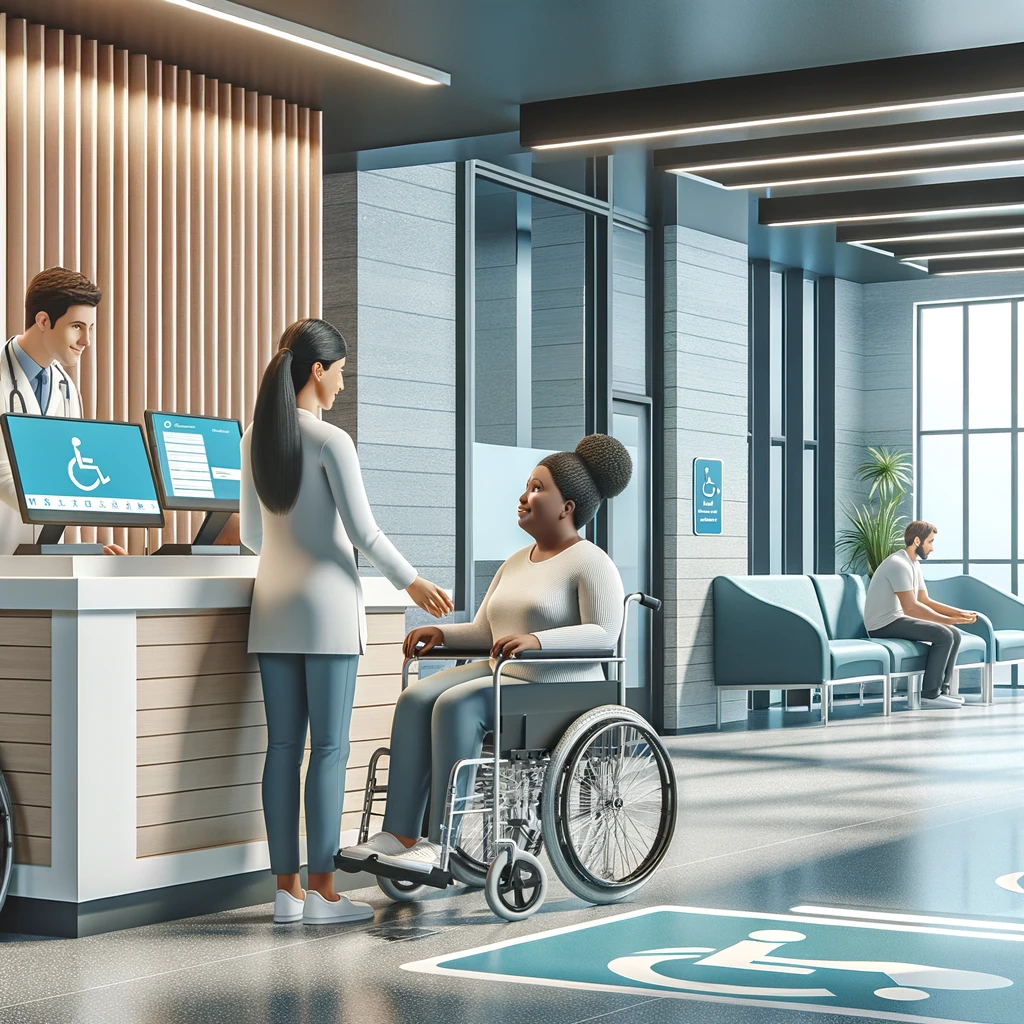
Public transportation is where civil rights become visible in daily life, and ADA rights in practice are tested every time a rider approaches a bus stop, train platform, paratransit pickup zone, or ticket machine. The Americans with Disabilities Act established a clear principle: people with disabilities must have equal access to public services, including fixed-route transit, complementary paratransit, stations, vehicles, communication systems, and customer service. In practice, that principle operates through detailed rules, operating standards, maintenance duties, staff training, and enforcement mechanisms. I have worked with transit accessibility reviews and rider complaint patterns, and the central lesson is consistent: compliance is not a box checked at procurement; it is an operational discipline sustained every day. This matters because transportation connects people to employment, education, health care, voting, family life, and emergency services. When access fails, exclusion is immediate and measurable. For transit agencies, planners, advocates, and riders, understanding ADA rights in practice and emerging issues is essential because the biggest challenges now are rarely abstract legal debates; they are recurring service gaps, aging infrastructure, digital barriers, and new mobility models that can either widen access or deepen inequality.
What ADA Rights Mean in Everyday Transit Operations
ADA rights in public transportation rest on a straightforward promise: transit agencies that serve the public must provide accessible service that is genuinely usable, not merely nominally available. For fixed-route systems, that includes accessible buses and rail cars, boarding methods such as lifts, ramps, bridge plates, or level boarding where applicable, stop announcements, accessible fare media, priority seating policies, and maintained pathways to stations. Complementary paratransit must be offered to eligible riders when fixed-route service is not usable because of disability, and that paratransit must be comparable in key ways, including service area, response time, fares, and hours and days of service.
The legal framework is shaped by the Department of Transportation ADA regulations in 49 CFR Parts 27, 37, and 38, while the U.S. Access Board provides accessibility guidelines that influence vehicle and facility design. Those standards matter because they convert civil-rights principles into measurable obligations. A bus ramp that is deployed but unsafe, an elevator repeatedly out of service, or a platform announcement that is audible but unintelligible can all undermine access even if an agency formally owns accessible equipment. In my experience reviewing incident logs, the most common failures are not headline-grabbing refusals of service; they are operational breakdowns that riders encounter repeatedly, such as missed stop announcements, inaccessible temporary detours, poorly maintained curb ramps near stations, and drivers who are uncertain about securement procedures.
Public transportation rights also include effective communication. Deaf and hard-of-hearing riders, blind and low-vision riders, and people with cognitive disabilities all rely on information being conveyed in ways they can use. That means visual and audible announcements, readable signage, accessible websites and mobile apps, alternative formats on request, and frontline staff who know how to respond appropriately. A right exists only to the extent that a rider can actually exercise it independently and safely.
Core Service Areas Where Rights Are Won or Lost
The most important ADA transit protections are concentrated in recurring service moments. Boarding and alighting are the first test. A low-floor bus is helpful only if the kneeling feature works, the operator pulls close enough to the curb, and the ramp can be deployed without obstruction. Rail accessibility depends not just on station design but on the full rider journey: sidewalks to the entrance, fare gates with sufficient clear width, functioning elevators, tactile warnings, detectable wayfinding, and emergency communication systems that work for riders with sensory disabilities.
Paratransit is often the second major pressure point. The law requires complementary paratransit for riders whose disabilities prevent independent use of fixed-route service under certain conditions. Yet practical access depends on eligibility assessments, reservation procedures, pickup windows, no-show policies, travel training options, and complaint review systems. I have seen agencies improve outcomes significantly by replacing rigid, paper-heavy eligibility processes with functional assessments and conditional eligibility categories that reflect real trip conditions, such as weather, terrain, distance to the stop, or inaccessible construction detours. That approach is more accurate and fair than assuming a rider can either always or never use fixed-route service.
Maintenance is the third decisive area. The Department of Transportation expects accessibility features to be maintained in operative condition, and repeated failures can become systemic discrimination. Elevator outages in older rail systems illustrate this clearly. A station may be technically accessible on paper, but frequent outages can force lengthy detours, missed medical appointments, or unsafe transfers. Agencies that publish outage data, provide real-time alerts, deploy station assistants, and coordinate backup shuttle service are far closer to meaningful compliance than agencies that simply post a notice and move on.
| Transit area | Common failure | Practical impact on riders | Best-practice response |
|---|---|---|---|
| Bus boarding | Ramp blocked or operator stops far from curb | Wheelchair user cannot board safely | Operator retraining, stop design review, maintenance checks |
| Rail stations | Elevator outage | Trip becomes impossible or much longer | Real-time alerts, redundancy planning, shuttle bridge |
| Paratransit | Long pickup window or repeated late trips | Missed work, health care, or school | On-time performance controls, scheduling reform, appeals review |
| Passenger information | Inaudible or missing announcements | Rider misses stop or transfer | Automated announcement systems, QA audits, complaint tracking |
| Digital access | Inaccessible app or website | Rider cannot plan or pay for trip independently | WCAG-based remediation, user testing, accessible alternatives |
Paratransit, Eligibility, and the Tension Between Flexibility and Reliability
Paratransit is frequently misunderstood as a premium service or a separate welfare program. It is neither. It is a civil-rights accommodation tied to the fixed-route network. That distinction matters because agencies often struggle to balance cost control with legal obligations. Demand-response service is expensive to operate, especially in low-density areas or regions with fragmented transit governance. Even so, budget pressure does not erase comparability requirements. If a fixed-route system runs during evenings and weekends, paratransit generally must do so too within the required service area.
Eligibility is where many disputes begin. The most defensible systems use individualized functional assessments rather than diagnosis alone. A rider with the same medical condition may be able to use fixed-route service in one corridor but not another because of steep grades, snow, missing sidewalks, complex transfers, or sensory overload in crowded stations. Conditional eligibility, trip-by-trip eligibility tools, and travel training can expand independence without forcing riders into unsafe situations. The Federal Transit Administration has repeatedly emphasized that agencies may not create unreasonable administrative barriers, such as burdensome recertification demands or phone systems that are impossible for some riders to navigate.
Reliability is equally important. From field reviews, I can say riders will often tolerate complexity better than unpredictability. A one-hour pickup window, regular shared rides, and long travel times can still be workable if they are consistently managed and communicated. What undermines rights is chronic lateness, trips left unperformed, punitive no-show determinations when the vehicle arrives early or at the wrong entrance, and call centers that cannot resolve problems in real time. Agencies with stronger records monitor denials, excessively long trips, on-time performance, suspension appeals, and complaint categories as executive-level metrics, not afterthoughts buried in contractor reports.
Accessibility Beyond Vehicles: Stations, Streets, Information, and Temporary Conditions
One of the most persistent misconceptions in public transportation is that accessibility begins and ends with the vehicle. In reality, many of the hardest barriers are outside the farebox. A fully accessible bus does not solve a missing sidewalk to the stop. An accessible station entrance is less useful if snow clearance is inconsistent, tactile warnings are worn down, or construction redirects riders onto routes without curb ramps. This is why ADA rights in practice require coordination between transit agencies, cities, public works departments, private contractors, and sometimes adjacent property owners.
Temporary conditions create disproportionate harm. Planned construction, emergency detours, stop relocations, and elevator modernization projects often receive less accessibility planning than permanent infrastructure, even though they can make service unusable for weeks or months. I have seen agencies avoid major failures by adopting temporary-accessibility checklists before any service change goes live. Those checklists verify alternate boarding locations, pedestrian access, signage in plain language, digital notice compatibility with screen readers, and staff deployment at key transfer points. These are not expensive interventions compared with the cost of exclusion or litigation.
Information systems are now as important as physical design. Riders increasingly depend on apps for trip planning, disruption alerts, mobile ticketing, and paratransit booking. If those tools are not accessible, agencies create a new layer of discrimination while modernizing. The benchmark for digital accessibility is typically the Web Content Accessibility Guidelines, especially principles around perceivability, operability, understandability, and robustness. In transit, that translates into screen-reader compatibility, sufficient color contrast, keyboard navigation, descriptive labels for controls, captioned videos, and status messages that are announced properly by assistive technology. Agencies should also preserve non-digital channels, because digital inclusion is not universal.
Emerging Issues: Microtransit, Autonomous Systems, Data Tools, and Climate Stress
The next generation of transit challenges is already here. Microtransit and app-based on-demand shuttles promise flexibility, but they can create access gaps if wheelchair-capable vehicles are scarce, booking is app-only, service rules are opaque, or pickup points are difficult to reach. Agencies should treat these pilots as public transit subject to accessibility obligations from the beginning, not as experimental exceptions. The same principle applies to fare capping, account-based ticketing, and contactless payment systems. Innovation that removes cash options, accessible vending paths, or phone support can quietly shut riders out.
Autonomous vehicle pilots and platform screen doors raise another set of issues. Automation may improve consistency, docking precision, and safety, but it can also reduce the human assistance many riders currently depend on. An accessible future requires inclusive human-machine interfaces, emergency help features, remote assistance protocols, and procurement specifications that address disability access before deployment. Once a system is purchased and installed, retrofitting is far costlier.
Data and algorithmic management are also changing service delivery. Agencies increasingly use software to schedule paratransit trips, predict no-shows, optimize runs, and prioritize maintenance. These tools can help, but they are only as fair as the assumptions inside them. If a scheduling system minimizes cost by extending ride times for riders with the fewest alternatives, it may technically optimize operations while functionally undermining equal access. Strong agencies audit these systems for disparate impacts, review rider outcomes, and build complaint evidence into performance management.
Climate stress is an emerging accessibility issue that deserves much more attention. Extreme heat, flooding, wildfire smoke, and severe storms affect all riders, but they often hit disabled riders hardest because alternate routes may be longer, waiting outdoors may be dangerous, and accessible infrastructure can fail in cascading ways. Elevator pits flood, backup power fails, and curb ramps become impassable. Resilience planning should therefore include accessible evacuation procedures, redundant vertical access, weather-protected waiting areas, and service restoration plans that prioritize riders with the fewest substitutes.
Enforcement, Accountability, and What Effective Compliance Looks Like
Rights without enforcement are fragile. Riders can file complaints directly with transit agencies, use internal appeals processes for paratransit determinations or suspensions, and submit federal complaints to the Federal Transit Administration or the Department of Justice depending on the issue. In some cases, litigation or structured settlement agreements drive reform, especially where barriers are longstanding and systemic. But the strongest systems do not rely on external pressure alone. They build accountability into governance.
Effective compliance has visible characteristics. Leadership tracks accessibility metrics publicly. Procurement documents specify accessibility requirements in detail. Operators and customer-service staff receive scenario-based training rather than one-time lectures. Preventive maintenance schedules prioritize lifts, ramps, elevators, annunciators, and securement systems. Agencies test websites and apps with disabled users, not just automated scanners. Advisory committees have meaningful influence, and public meetings themselves are accessible. Most importantly, complaints are treated as operational intelligence. When multiple riders report the same barrier, the correct response is root-cause analysis, not case-by-case deflection.
This hub article should anchor deeper work across rights and protections because ADA rights in practice and emerging issues are interconnected. Vehicle access, paratransit eligibility, digital accessibility, temporary service changes, data systems, and climate resilience all shape whether transit is truly public. The central takeaway is simple: equal transportation access depends on continuous execution, measurable accountability, and design choices that include disabled riders from the start. If you manage, study, or depend on transit, review your system through the full rider journey and identify where legal access still fails in practice. That is where the next improvements must begin.
Frequently Asked Questions
What rights do riders with disabilities have in public transportation under the ADA?
Under the Americans with Disabilities Act, riders with disabilities have the right to meaningful and equal access to public transportation services. That includes access to fixed-route buses and rail systems, usable stations and stops, accessible vehicles, effective communication, and customer service that does not exclude or disadvantage them because of disability. In practical terms, public transit agencies must make sure that lifts, ramps, priority seating, securement areas, stop announcements, elevators, accessible fare machines, and other key features are available and functioning so that riders can actually use the system, not just theoretically qualify for it.
The ADA also protects the right to complementary paratransit service for riders who cannot use the fixed-route system because of a disability. This is not a courtesy program or optional accommodation. It is a civil rights requirement when eligibility standards are met. Agencies must evaluate eligibility fairly and provide service that is comparable to fixed-route transit in terms of response time, fares, service area, and hours of operation. Riders are also entitled to effective communication, which can include visual and audible announcements, accessible websites and apps, and assistance policies that do not discriminate against people with vision, hearing, mobility, cognitive, or other disabilities.
Just as important, ADA rights apply to the full travel chain. Accessibility is not limited to what happens after someone boards a bus or train. It includes whether a rider can reach the bus stop, navigate the station, buy a ticket, understand service alerts, request assistance, and safely exit at the correct destination. When any one part of that chain breaks down, the rider’s legal right to equal access may be undermined. That is why ADA compliance in transit is best understood not as a single feature, but as a system-wide obligation to provide usable, reliable, and nondiscriminatory public service.
Why is accessible public transportation still so challenging if the law has been in place for decades?
The short answer is that legal standards and daily reality do not always match. The ADA established strong principles, but public transportation is a complicated, physical, operational, and human system. Accessibility can fail at many points: a broken elevator can make a rail station effectively unusable, an inoperative bus ramp can prevent boarding, a missing stop announcement can cause a rider to miss a destination, or a poorly maintained sidewalk connection can block access before the trip even begins. These failures may seem isolated, but for riders with disabilities they can turn routine travel into uncertainty, delay, humiliation, or complete exclusion.
Another challenge is that transit agencies often operate under aging infrastructure, budget pressure, staffing shortages, and inconsistent maintenance practices. Many systems were built long before modern accessibility rules existed, so retrofitting stations, platforms, signage, communication systems, and vehicle fleets can take years. Even where capital improvements are underway, day-to-day operations still matter. Employees need proper training, dispatch systems need to work reliably, customer service must respond effectively, and contractors must follow accessibility rules. Accessibility is not solved by buying accessible equipment alone; it depends on sustained execution.
There is also a gap between formal compliance and practical usability. A service may meet technical standards on paper while still being difficult to use in real life. For example, if a paratransit trip is consistently late, if real-time alerts are not screen-reader accessible, or if riders are discouraged from requesting needed assistance, the system may still fall short of the ADA’s promise of equal access. That is why enforcement, complaint tracking, rider feedback, maintenance discipline, and leadership commitment all matter. The law provides the framework, but rights become real only when transit agencies treat accessibility as an everyday operational priority.
What is complementary paratransit, and how does it differ from regular fixed-route transit service?
Complementary paratransit is a specialized transportation service required by the ADA for people whose disabilities prevent them from using a public transit agency’s fixed-route buses or trains, either some of the time or all of the time. It is intended to provide a comparable option when the standard system is not accessible to a particular rider because of disability-related barriers. Typically, paratransit operates as a shared-ride, origin-to-destination or curb-to-curb service within areas and times connected to the agency’s fixed-route network. Riders generally must apply and be found eligible through an established ADA process.
The key difference is that fixed-route transit follows scheduled paths and stops that are open to the general public, while paratransit is individually scheduled based on eligible riders’ trip requests. Because paratransit is more flexible and more resource-intensive, it often involves advance reservations, pickup windows, routing changes, and coordination among multiple passengers. Even so, agencies cannot treat it as a lesser service. Under ADA rules, paratransit must be comparable to fixed-route service in important ways, including service area, days and hours of operation, fare limits, and trip purpose. A rider cannot be denied a trip simply because it is inconvenient for the agency or because the destination is medical, social, educational, or employment-related.
Many disputes involving public transportation rights arise in the paratransit context because reliability and comparability are essential. Excessive denials, long phone hold times, punitive no-show policies, repeated late pickups, or burdensome eligibility determinations can all interfere with equal access. For riders who depend on paratransit to work, attend school, receive medical care, or participate in community life, these are not minor service issues. They can affect independence, income, health, and dignity. Understanding paratransit as a civil rights obligation rather than a convenience helps clarify why careful administration, transparency, and accountability are so important.
What kinds of barriers commonly prevent equal access to buses, trains, stations, and transit communications?
Barriers to equal access can be physical, technological, procedural, or interpersonal. Physical barriers include broken elevators, blocked ramps, steep or inaccessible pathways to stops, gaps between train platforms and rail cars, inaccessible boarding areas, malfunctioning lifts, snow or debris obstructing access points, and fare machines that cannot be used by riders with vision, dexterity, or mobility limitations. Even when vehicles themselves are technically accessible, the surrounding environment may not be. A rider who cannot safely reach the stop or platform has not been given meaningful access.
Communication barriers are also a major issue. Riders with hearing disabilities may miss boarding changes if announcements are only audible. Riders with vision disabilities may be excluded when service disruptions are displayed visually without spoken information. Websites, mobile apps, and digital trip-planning tools can create additional problems if they are not compatible with screen readers, keyboard navigation, captioning, color contrast standards, or plain-language needs. Effective communication under the ADA requires agencies to think broadly about how people receive information before, during, and after a trip.
Operational and human barriers can be just as damaging. Inadequate employee training may lead drivers to pass riders by, fail to deploy ramps, mishandle mobility device securement, deny service animal access, or provide incorrect information about rights and procedures. Policies may be written in ways that seem neutral but disproportionately burden riders with disabilities, especially in the areas of scheduling, identification, eligibility, and complaint resolution. Taken together, these barriers show why public transportation accessibility cannot be reduced to equipment alone. Equal access depends on infrastructure, communication, policy design, training, maintenance, and institutional culture working together.
What should riders do if they believe their rights in public transportation have been violated?
Riders who believe their ADA rights have been violated should start by documenting what happened as clearly as possible. Helpful details include the date, time, route or vehicle number, station or stop location, names or badge numbers of employees if available, photographs of inaccessible conditions, screenshots of relevant service alerts or app problems, and a written description of how the barrier affected the trip. Specific facts matter. They help establish whether the problem was a one-time incident, a recurring failure, or evidence of a broader accessibility issue. Good documentation also makes it easier for agencies, advocates, or enforcement bodies to investigate effectively.
The next step is usually to file a complaint with the transit agency through its customer service or ADA complaint process. Riders should ask for a written response and keep copies of all submissions, emails, and case numbers. In many cases, agencies have designated ADA coordinators or civil rights offices that handle accessibility complaints. If the issue involves paratransit eligibility, denials, or service quality, riders may also have appeal rights or access to administrative review procedures. Being persistent is often necessary, especially when the issue reflects an ongoing pattern such as missed stop announcements, repeated lift failures, inaccessible stations, or chronic late paratransit pickups.
If the agency does not resolve the issue, riders may also seek help from disability rights organizations, legal advocates, state or local oversight bodies, or federal enforcement channels such as the Federal Transit Administration or the U.S. Department of Justice, depending on the problem. The important point is that riders do not have to accept exclusion as normal. Public transportation is a public service, and equal access is a legal requirement, not a special favor. Reporting barriers not only protects an individual rider’s rights, but can also lead to system-wide improvements that benefit many others who face the same obstacles every day.