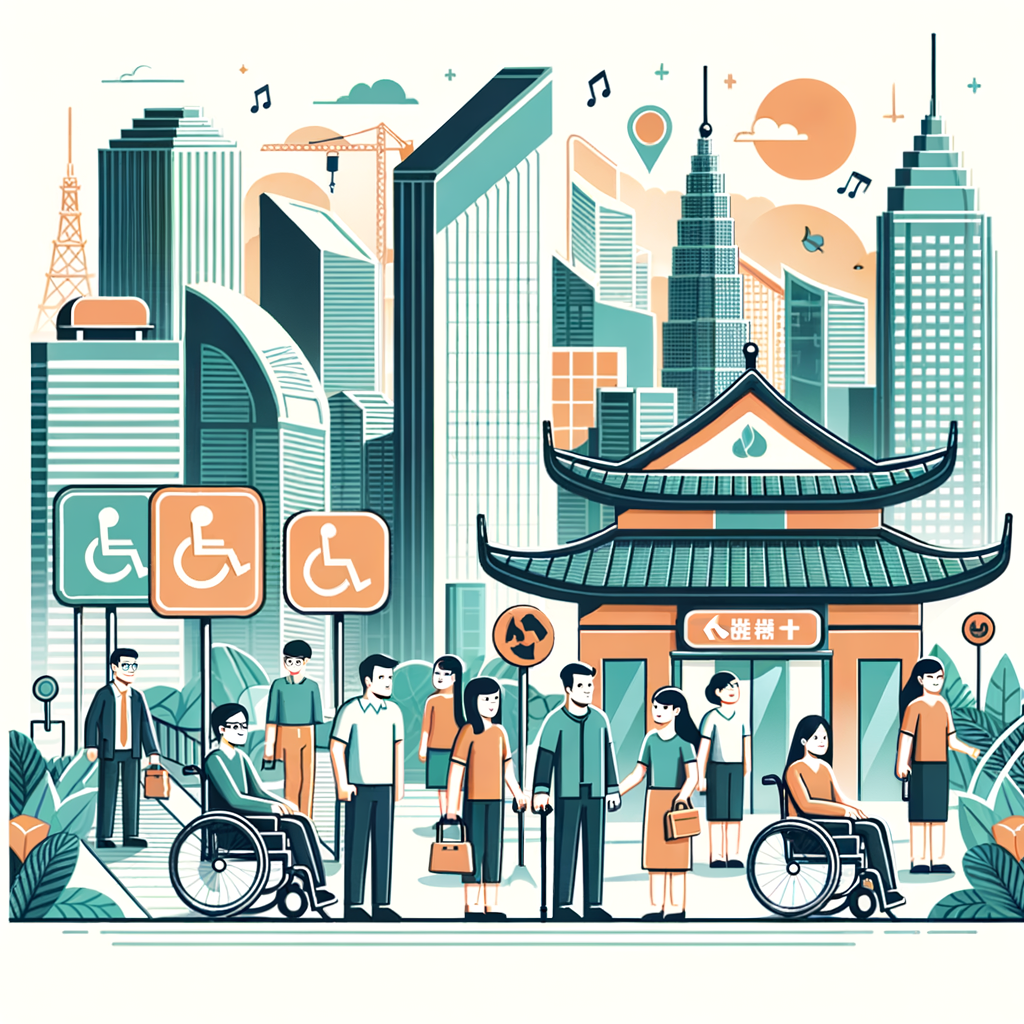
In recent years, the global landscape of advocacy has seen an increasing number of youth-driven movements dedicated to disability rights. This progressive surge is not just about voices clamoring for change—it’s about redefining societal norms and creating inclusive environments that consider the needs of everyone, regardless of their physical or cognitive abilities. The term “disability advocacy” refers to efforts aimed at promoting equal opportunities, accessibility, and rights for individuals with disabilities. Similarly, “youth movements” involve groups of young individuals rallying together to advocate for causes they are passionate about. Understanding the intersection of these two powerful forces reveals a contemporary movement that’s reshaping societal perceptions of disability worldwide.
Incorporating fresh perspectives and innovative ideas, youth movements are vital in challenging outdated stereotypes and societal barriers faced by those with disabilities. What makes this trend significant is the energy and digital savvy these young advocates bring to the table, allowing them to mobilize support and wield social media as a critical tool for raising awareness on a global scale. Addressing disability rights isn’t solely about regulation compliance or policy changes; it’s about fostering a culture of understanding, empathy, and acceptance that acknowledges the inherent value of every individual. As we delve into specific movements, examples, and their substantial impacts, the underlying importance of these youth-led initiatives becomes increasingly clear.
The Rise of Youth-Led Advocacy Movements
Youth-driven advocacy initiatives have transformed how we perceive and act upon issues surrounding disability rights. One such movement is “Adapt the World,” a collective of young enthusiasts from diverse regions, striving to make the world more accessible by pushing boundaries that restrict individuals with disabilities. These activists conduct workshops, distribute educational material, and collaborate with schools and communities to foster environments that are more inclusive.
Real-world examples of their impact can be seen in local school adjustments in Brazil, where Adapt the World successfully lobbied for infrastructural changes to make the schools more accessible to students with mobility impairments. Through online platforms, they amplify their message through campaigns centered around hashtag movements, inspiring others globally to initiate similar actions within their local communities.
The momentum created by Adapt the World and similar initiatives reflects a broader trend of youth activism championing disability rights. By making a concerted effort to include young voices in these discourses, society is forced to reconceptualize the narratives surrounding disability, shifting from a pity-based view to one of empowerment and pride.
Innovative Platforms for Advocacy
In today’s digital age, social media platforms have become powerful tools harnessed by youth activists to create awareness and mobilize support for disability rights. Platforms like Instagram, Twitter, and TikTok allow young advocates to share powerful stories, highlight injustices, and unite like-minded individuals under common causes. One particularly prominent example is the “We Are Visible” campaign, which aims to bring attention to the daily challenges faced by people with invisible disabilities.
The “We Are Visible” campaign saw tremendous success in its online engagements, where videos and social media posts reached millions globally. By leveraging the power of storytelling, these platforms allow young advocates to reach broader audiences, breaking down barriers and stigmas associated with disabilities. Importantly, these initiatives encourage a dialogue that educates the public and encourages a shift towards inclusivity at the grassroots level.
The table below summarizes some cutting-edge platforms used by youth advocates:
| Platform | Primary Use | Example Campaign |
|---|---|---|
| Raising Awareness | #AccessIsLove | |
| Mobilizing Support | #DisabledAndProud | |
| TikTok | Storytelling | #WeAreVisible |
Breaking Down Barriers Through Grassroots Initiatives
Youth movements in disability advocacy have effectively tackled broader systemic issues by focusing on grassroots-level engagement. An exemplary model of success is the “Barrier-Free” program in New Delhi, India, helmed by a group of passionate young activists dedicated to eradicating accessibility challenges in the capital city.
This initiative focuses on engaging local communities by educating them on the importance of inclusivity and adaptability. Their hands-on approach includes organizing community events, creating local partnerships, and encouraging neighborhood watch programs to report infrastructural issues that hinder accessibility. Over time, their efforts have paved the way for significant infrastructural improvements, such as adding braille signage and audio-assist systems in public transit, empowering people with disabilities to navigate the city freely.
The notion of grassroots advocacy places emphasis on change from the ground up, empowering individuals within their local settings to champion accessibility and inclusive rights. By addressing specific barriers within communities, significant strides can be made in larger societal contexts, ultimately fostering a globally inclusive mindset.
Collaborations and Global Impact
A key to the success of youth movements in disability advocacy lies in their willingness and ability to collaborate with organizations at both local and global levels. The International Youth Advocacy Network (IYAN) exemplifies a robust coalition of youth-led movements worldwide, working toward the common goal of advancing disability rights and achieving greater inclusivity in all facets of life.
IYAN brings together young leaders from various countries and provides them with resources, mentorship, and the necessary platforms to voice their collective concerns. Through international conferences, webinars, and workshops, participants share best practices, insights, and lessons learned from their advocacy efforts. By fostering a supportive community, young advocates are encouraged to develop innovative strategies and share them with others on a global scale.
Participating in such networks has tangible benefits, evidenced by successful campaigns in several countries leading to policy enhancements and new governmental commitments towards disability rights. This underlines the pivotal role of international collaboration in magnifying the efforts of youth advocates, ensuring their voices are heard and acted upon across borders.
The Role of Education and Empowerment
One of the critical elements underpinning the vitality of youth movements in disability advocacy is their emphasis on education and empowerment. Educating both the general public and individuals with disabilities about rights, accessibility, and inclusion is fundamental in driving systemic change. The Disability Action Collective (DAC), based in Australia, has been instrumental in developing educational programs aimed at schools and community centers to promote awareness and understanding of disability-related issues.
Through interactive workshops, seminars, and educational content, the DAC has succeeded in building an informed community that is not only aware of the challenges faced by disabled individuals but also empowered to act. They focus on dismantling harmful stereotypes and cultivate leaders who confidently advocate for their rights.
This educational approach creates a ripple effect, inspiring young individuals worldwide to question prevailing norms and actively participate in advocacy efforts. By equipping the next generation with awareness and knowledge, youth movements ensure a legacy of continued advocacy and progress in disability rights.
Youth Movements and Legislative Successes
Young advocates have not only been instrumental in raising awareness but have also played vital roles in driving legislative changes concerning disability rights. A notable example is the “Youth for Accessibility” initiative in Canada, spearheaded by high school students who campaigned for legally mandated accessibility standards in schools across the country.
Their advocacy culminated in the passage of groundbreaking legislative measures mandating educational institutions to meet minimum accessibility criteria. This achievement demonstrates the tangible impact that youth-driven movements can have in shaping policy and legal frameworks, ensuring the rights and needs of individuals with disabilities are prioritized and embedded in law.
These legislative successes emphasize the power of youth advocacy in catalyzing systemic change. By strategically leveraging their voices through petitions, public speaking, and lobbying efforts, young advocates showcase the possibility of meaningful policy reform influenced by grassroots movements.
Conclusion
The dynamic endeavors of global youth movements in disability advocacy are reshaping how societies understand and address the rights of individuals with disabilities. From innovative digital campaigns to impactful grassroots work and legislative successes, young advocates are proving that meaningful change begins with a unified vision and unwavering commitment.
The insights garnered from these youth-led movements demonstrate their role as change-makers, challenging societal norms, driving policy improvements, and fostering inclusivity worldwide. Their relentless efforts emphasize the importance of maintaining momentum in the pursuit of a more equitable world.
As readers, we are encouraged to embrace the values championed by these movements. Whether through active participation, spreading awareness, or advocating for policy changes, everyone can contribute to the collective movement towards disability justice. The next step is simple: engage with local initiatives, support youth-led campaigns, and continue educating ourselves on the critical issues of accessibility and inclusion. Together, we have the power to shape a more inclusive society for all.
Frequently Asked Questions
1. What are global youth movements in disability advocacy and rights?
Global youth movements in disability advocacy and rights are initiatives led by young people across the world aimed at advocating for the rights and inclusion of individuals with disabilities. These movements are part of a broader push towards redefining societal norms to create more inclusive environments that accommodate everyone, regardless of their physical or cognitive abilities. The efforts of these young activists are crucial in promoting awareness, fighting discrimination, and ensuring that people with disabilities have access to the same opportunities and rights as everyone else.
2. Why are youth-driven movements significant in the context of disability rights?
Youth-driven movements are gaining significance in the disability rights arena because young people bring fresh energy, innovative ideas, and passion to advocacy work. They’re often highly connected through digital platforms, allowing them to mobilize quickly and reach a broad audience. Young advocates are also more likely to challenge traditional norms and push for systemic change, rather than just incremental adjustments. Their voices add a dynamic layer to the advocacy landscape, pushing for a truly inclusive society where people with disabilities are not only recognized but empowered. The involvement of youth in these movements also ensures that the perspectives and needs of younger generations are included in the broader conversation about disability rights.
3. How are these youth movements impacting society?
The impact of youth movements in disability advocacy is multifaceted. Firstly, they’re raising awareness about the daily challenges that individuals with disabilities face and promoting conversations about how society can address these issues. They encourage policymakers to consider the voices of young people when crafting legislation or policies that affect the disabled community. Additionally, these movements foster a sense of community and solidarity among young people with disabilities, giving them a platform to share experiences and strategies for overcoming barriers. On a societal level, the movements are helping to shift perceptions of disability from being something that needs to be “fixed” to recognizing and valuing what individuals with disabilities contribute to society.
4. What challenges do youth movements in disability advocacy face?
Despite their enthusiasm and determination, youth movements in disability advocacy face several challenges. One of the primary hurdles is gaining visibility and influence in a space traditionally dominated by older, more established advocacy groups and organizations. Moreover, young advocates often lack access to funding and resources that can help them amplify their efforts and sustain their activities over time. There’s also the challenge of overcoming societal prejudices and misconceptions about people with disabilities, which can stymie progress and limit the effectiveness of advocacy efforts. Finally, the intersectionality of issues, such as race, gender, and socioeconomic status, can complicate advocacy work, requiring young activists to be savvy in addressing these complexities in their campaigns.
5. How can someone get involved in a global youth movement for disability advocacy?
Getting involved in a global youth movement for disability advocacy can begin with something as simple as educating yourself about the issues and perspectives of individuals with disabilities. Engaging with content from these movements, whether through social media, events, or workshops, can build your understanding and empathy. Volunteering your time to support disability advocacy events or joining existing groups can also be a direct way to contribute. Aspiring advocates should also seek opportunities to participate in or even start dialogues and initiatives within their communities or educational institutions. Lastly, leveraging digital platforms to spread awareness or support disability rights voices can make a significant impact. Remember, each action, no matter how small, contributes to the cumulative push for disability rights and inclusive environments.