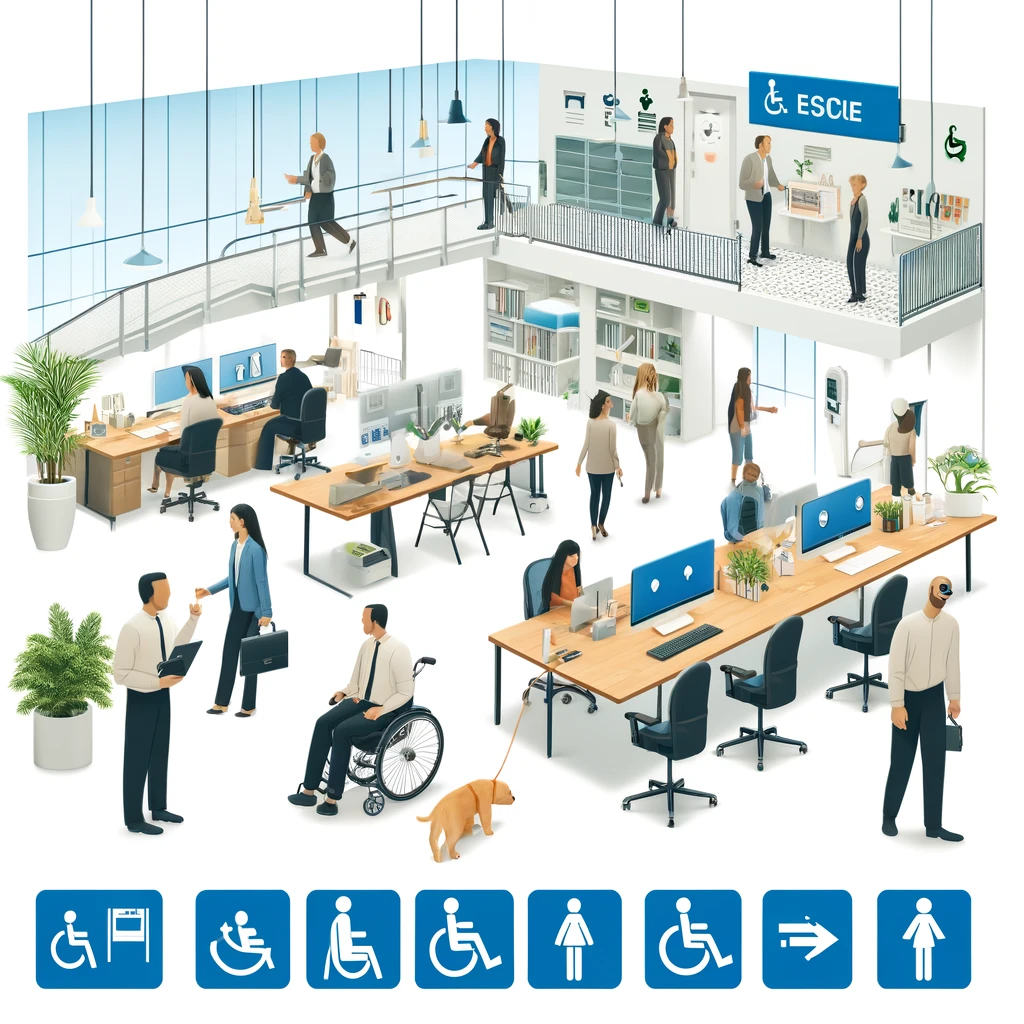
Engaging employees in Americans with Disabilities Act (ADA) compliance and accessibility initiatives is crucial for cultivating an inclusive and legally compliant workplace. The ADA, a landmark civil rights law enacted in 1990, seeks to prohibit discrimination and ensure that people with disabilities have the same rights and opportunities as everyone else. With the increasing emphasis on diversity and inclusion, businesses are being encouraged—not only legally obligated—to ensure accessibility. However, fostering this kind of environment requires active participation and engagement from all employees. This article aims to explore the importance of ADA compliance, how to engage employees in these initiatives effectively, and the benefits of doing so.
Employee engagement in ADA compliance should not be viewed merely as a managerial directive but rather as a collective responsibility. An accessible workplace not only benefits individuals with disabilities but also enhances the company’s reputations and broadens its consumer reach. Companies that prioritize ADA compliance can lead industry standards and demonstrate a commitment to all stakeholders. However, activating and maintaining employee engagement in these efforts can be challenging. It requires an understanding of the basic principles of the ADA, recognizing barriers faced by peers, and fostering a culture that values input and participation from all employees. Therefore, engaging employees is not just about compliance but about creating a work culture underscored by mutual respect and inclusiveness.
In this article, we will delve deeply into ADA compliance, aiming to illuminate its complexities and illustrate practical strategies for engaging employees. The focus will be on integrating accessibility into the core ethos of a company, from training and education to leadership involvement, to ensure ADA guidelines are seamlessly adhered to. We will also explore the various impediments that may hinder engagement and propose solutions to drive more robust participation from all levels of the workforce. Ultimately, engaging employees in ADA compliance and accessibility initiatives can dramatically transform workplace culture, creating a more cohesive, compassionate, and legally compliant environment.
Understanding the Importance of ADA Compliance
The ADA serves as a cornerstone in safeguarding the rights of individuals with disabilities, setting legal precedents that organizations are bound to follow. Its importance within the workplace cannot be overstated. From providing equal opportunities in hiring practices to ensuring that facilities and technologies are accessible to all, compliance with the ADA symbolizes fairness and inclusivity. Engaging employees in these initiatives not only ensures adherence to the law but reiterates the organization’s commitment to equality.
Moreover, ADA compliance is a testament to an organization’s values. In today’s market, consumers and prospective employees are often attracted to businesses that demonstrate corporate social responsibility. Engaging employees in accessibility initiatives allows them to become ambassadors of these values, contributing not just to legal compliance but also to enhanced corporate reputation. This engagement fosters a deeper understanding of the challenges faced by colleagues with disabilities, creating a more empathetic work environment. Additionally, this understanding can lead to innovative solutions that benefit everyone, potentially creating new products or services that cater to a broader audience.
Last, non-compliance can lead to costly penalties, legal battles, and damage to reputation. Engaging employees ensures proactive measures are continually in place to prevent any inadvertent breaches of the ADA. Regular training, education, and participation in ADA initiatives can help prevent oversights and ensure that the organization remains well within the confines of the law.
Strategies for Engaging Employees in ADA Compliance
One of the initial steps to engage employees in ADA compliance is implementing comprehensive training programs. These programs should educate employees about ADA regulations and highlight the importance of accessibility. Effective training should not be a one-off event but an ongoing commitment, promoting an environment where inclusivity is a continuous practice. Through workshops and interactive sessions, employees can learn not only the legal aspects but also the practical implications of accessibility in the workplace.
Incorporating real-life scenarios and role-playing exercises can help employees empathize with colleagues who face accessibility challenges. By understanding these obstacles, employees are naturally more inclined to contribute to solutions, enhancing engagement levels dramatically. Additionally, organizations can leverage e-learning platforms, allowing employees to access training at their convenience, which can make learning more effective and comprehensive.
Encourage Leadership Involvement
For ADA compliance initiatives to take root, leadership involvement is crucial. Leaders set the tone and expectations within an organization; their active participation in accessibility initiatives can significantly influence employee engagement. Leaders should be vocal and visible in expressing their commitment to ADA compliance, demonstrating accountability and transparency in their actions.
Furthermore, leaders can become accessibility champions, promoting best practices and generating enthusiasm among employees. Recognizing and rewarding departments or individuals who contribute significantly to ADA initiatives can further reinforce the organization’s commitment to accessibility. This also reinforces a culture where everyone feels valued and recognized for their contributions to making the workplace more inclusive.
Develop a Culture of Continuous Improvement
Engagement in ADA compliance initiatives should be seen as an ongoing process rather than a one-time event. Encouraging employees to continuously seek opportunities for improvement can help maintain momentum and foster innovation. Organizations should create forums and platforms where employees can voice their ideas, concerns, and solutions regarding accessibility.
Technology can play a vital role in this area twofold: by removing physical barriers through cutting-edge solutions and by offering channels for communication and idea exchange. Regularly updated online resources, such as intranet portals and shared drives, can inform employees of the latest best practices in ADA compliance, further encouraging active participation and reducing any gaps in knowledge or awareness.
Implementing Inclusive Design Practices
Incorporating principles of universal design in workplace architectural and technological developments can significantly enhance engagement in ADA initiatives. This approach ensures that all facilities and tools are accessible by design, preventing the need for retroactive adjustments. Employees engaged in planning, design, and development can learn to prioritize inclusion from the onset, leading to more consentient accessibility throughout the organization.
Working groups or committees can be established to oversee inclusive design from various departments, ensuring diversity of thought and experience contributes to the solutions. These groups can collaborate to audit current practices, identify areas for improvement, and suggest actionable steps to enhance accessibility. Involving employees directly in these processes can help nurture a sense of ownership, further engaging them in making their workplace more accessible.
Foster Open Communication and Feedback
Communication plays a vital role in engaging employees in ADA compliance. Encouraging open dialogue and feedback helps identify areas of concern and opportunities for improvement. Providing anonymous platforms for employees to offer feedback can also ensure candid responses uninfluenced by peer or managerial pressure.
Regularly scheduled meetings, workshops, and seminars focusing on accessibility progress and setbacks can keep employees informed and motivated. Transparency about the organization’s current compliance status and future goals can foster trust and ensure everyone remains aligned toward achieving the ADA’s mandate. By being attentive to feedback, organizations can build a more robust strategy for accessibility and engagement, ensuring initiatives remain relevant and effective.
Leverage Technology to Enhance Accessibility
Using technology effectively can offer novel solutions to ADA challenges. Assistive technologies, such as speech recognition software, screen readers, and adaptive keyboards, facilitate accessibility for employees with disabilities. Encouraging employees to explore these technologies, and providing training where necessary, can help foster an inclusive environment.
Organizations should also consider implementing software solutions that streamline accessibility assessments, track compliance progress, and facilitate transparency. By equipping employees with intuitive tools, the organization empowers their workforce to take an active role in ensuring accessibility objectives are consistently met, leading to higher engagement rates.
Conclusion
Involving employees in ADA compliance and accessibility initiatives leads to a more inclusive, empathetic, and motivated workforce. When employees are genuinely engaged, ADA compliance transcends legal obligation, becoming an inherent part of the organizational culture. Through structured training, leadership involvement, continuous improvement, inclusive design practices, open communication, and the leveraging of technology, companies can effectively engage their workforce in accessibility initiatives.
Ultimately, by making ADA initiatives a collaborative effort, organizations benefit from diverse perspectives and innovative solutions that can lead to improved employee satisfaction, enhanced reputation, and broader consumer reach. An engaged workforce in ADA compliance also means fewer compliance-related risks, reinforcing a positive, forward-thinking reputation for the organization. Engaging employees in accessibility initiatives signifies a tangible commitment to inclusivity and equality, establishing a shared vision where all individuals, regardless of ability, are valued and empowered.
To conclude, actively engaging employees in ADA compliance and accessibility initiatives is not merely about fulfilling a legal requirement; it is about embedding inclusion into the DNA of the organization. A comprehensive approach that involves all stakeholders can transform the workplace into an environment where accessibility is seen as a collective responsibility, leading to a seamless integration of ADA principles into everyday organizational practices. This not only results in a better workplace but also creates a more prosperous, interconnected, and aware society.