The landmark Americans with Disabilities Act (ADA) was signed into law in 1990 to ensure that individuals with disabilities have equal opportunities and access in all aspects of life. While the ADA has resulted in significant advances toward inclusion and accessibility, many organizations have merely adopted a compliance-focused mindset. This often results in accessibility solutions that just meet the bare minimum requirements established by the law. True accessibility, however, goes beyond compliance and seeks to enhance the environment for people with disabilities so that they can participate fully and seamlessly.
To move beyond compliance is to embark on a journey of innovation, creativity, and genuine commitment toward inclusivity. It requires looking at accessibility not as a checklist but as an essential component that enhances everyone’s ability to engage, participate, and contribute. With technological advancements and a growing understanding of diverse needs, new and exciting methods of implementing ADA accessibility measures have emerged. These innovations are not only making environments more accessible but also fostering an inclusive society where everyone can thrive.
This article explores various innovative approaches to ADA implementation, showcasing ways in which organizations, governments, designers, and technologists are moving beyond compliance. By leveraging cutting-edge technology, embracing universal design principles, and fostering inclusivity through community involvement, accessibility has transformed into a gateway to innovation rather than a mere regulatory obligation.
Embracing Universal Design
Universal design advocates for creating environments that are inherently accessible to all individuals, regardless of their abilities. Instead of accommodations specifically tailored for individuals with disabilities, universal design fosters inclusivity by addressing the needs of everyone from the outset. These principles supply a foundational approach that streamlines access and usability.
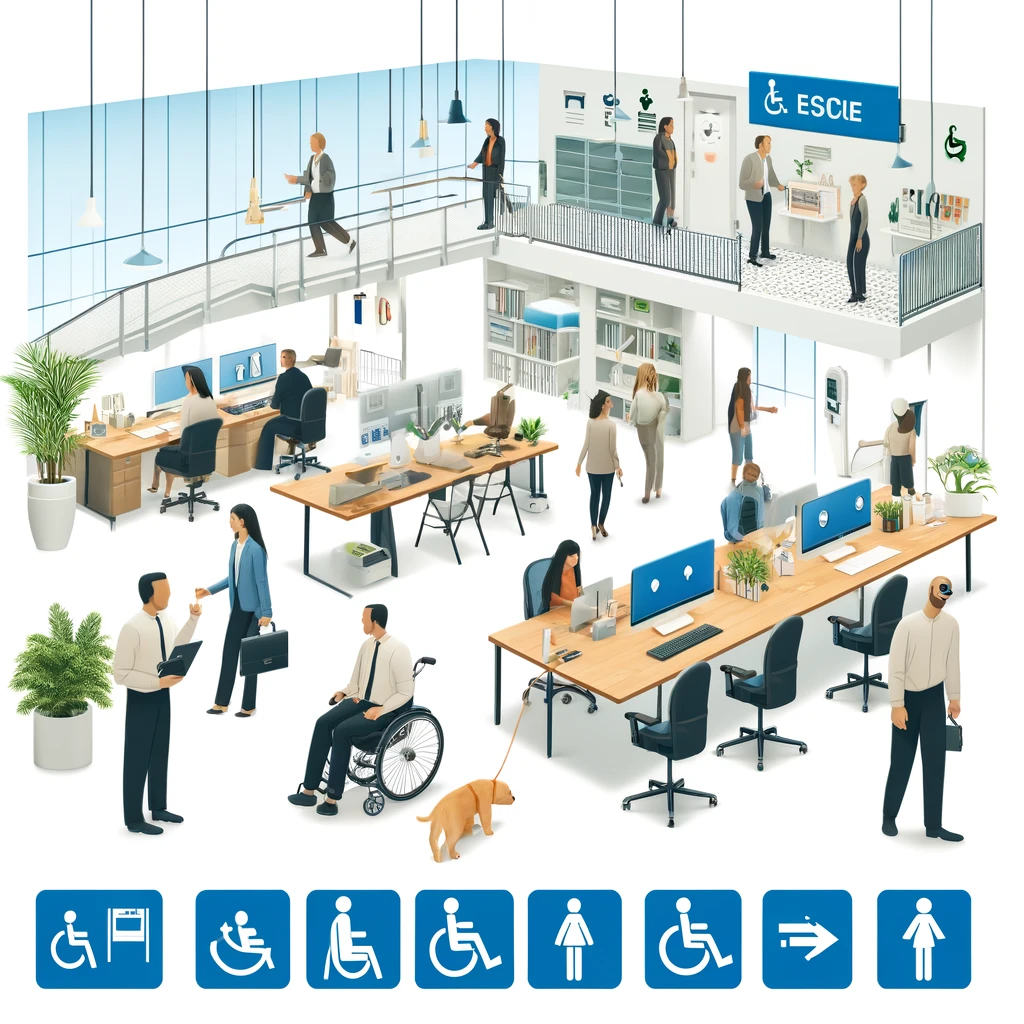
In architecture, universal design can manifest in various innovative structures. For instance, ramps with aesthetically pleasing designs that integrate seamlessly with the architecture eliminate the need for separate entrances for wheelchair users, thereby enhancing access and dignity. Similarly, open floor plans and strategically placed elevators and signage cater to a range of mobility challenges, ensuring that spaces are navigable for all.
Innovative Assistive Technologies
Assistive technology has witnessed remarkable strides in recent years, contributing significantly to ease and accessibility beyond mere compliance. Cutting-edge developments, such as systems utilizing artificial intelligence (AI) and Internet of Things (IoT), empower individuals in unprecedented ways.
Consider the innovation of smart home technology, which allows for more than just convenience. Voice-activated systems like Amazon’s Alexa or Google Home can enable individuals with mobility or vision impairments to control lighting, thermostats, security systems, and even kitchen appliances with ease. These technologies reduce the need for physical interaction with devices, creating an accessible and user-friendly environment.
Moreover, AI-powered applications have made significant advances in accessibility for people with visual impairments. One notable example is image recognition software, where algorithms can describe photos and scenes, helping visually impaired users understand their surroundings, access digital content, and perform everyday tasks more independently.
Inclusive Workplace Practices
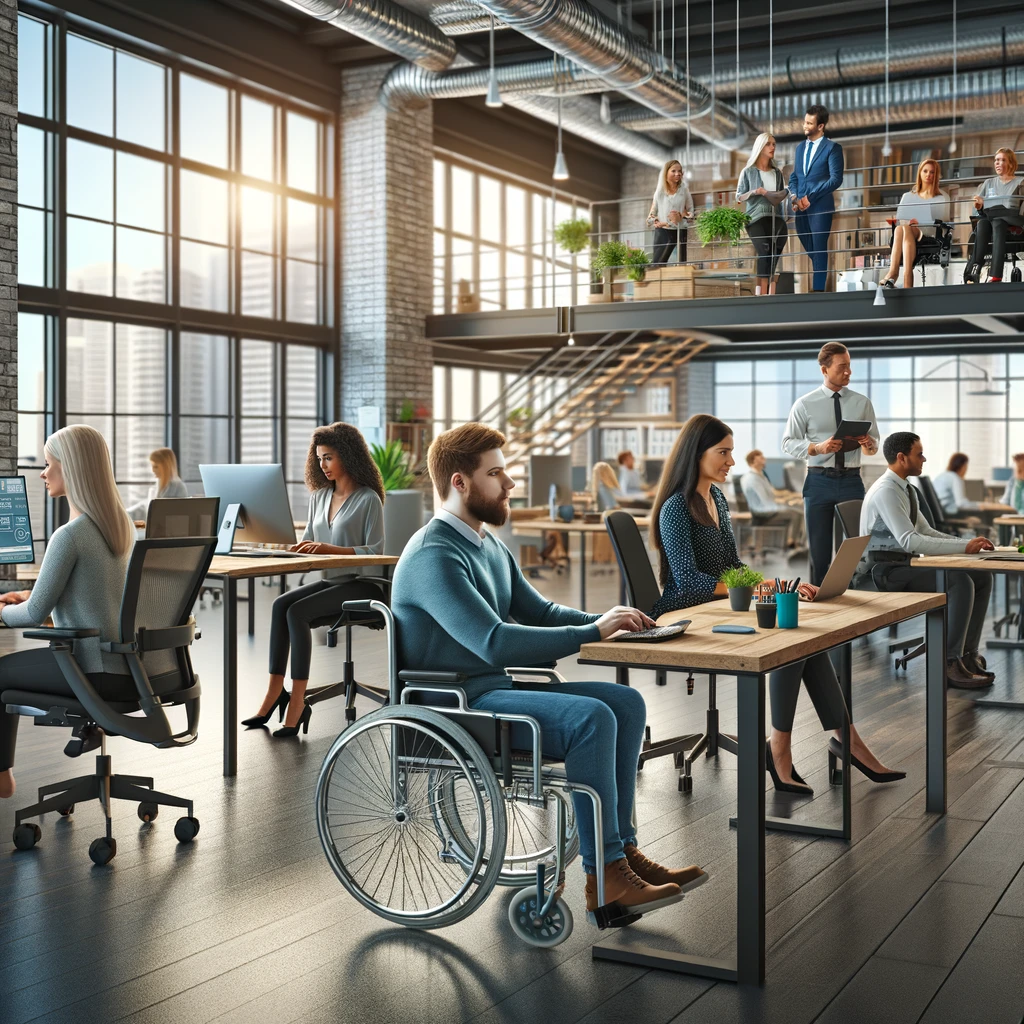
Workplaces that embrace accessibility beyond compliance not only remove barriers for employees with disabilities but also foster a more diverse and productive environment. Leaders in innovative workplace design are focusing on accommodating the diverse needs of their employees through flexibility and adaptive solutions.
For instance, some organizations have implemented flexible seating arrangements, allowing employees to choose spaces that suit their physical and cognitive needs. Standing desks, ergonomic chairs, silent areas, and collaborative hubs provide options that create a supportive and adaptable work environment for everyone.
Additionally, remote work technology and virtual collaboration tools have broadened opportunities for workers with disabilities. By removing the physical and logistical challenges associated with commuting and office environments, organizations are making room for a highly skilled workforce that may otherwise encounter barriers.
Transportation and Smart Cities
Accessibility within public transportation systems and city infrastructures plays a crucial role in enabling independence for individuals with disabilities. Many urban planners are now looking beyond compliance to create smarter cities with a focus on inclusivity and usability for all residents.
For example, the development of accessible public transit apps with real-time updates and user-friendly interfaces enables passengers to navigate routes with foresight and ease. Further innovations like GPS-guided wayfinding solutions and tactile-visual maps cater to individuals with visual impairments, empowering them to travel in unfamiliar areas confidently.
Moreover, cities are increasingly leveraging IoT devices and data analytics to streamline accessibility in urban environments. From optimizing pedestrian crossings with audio signals for the visually impaired to enabling smoother wheelchair navigation through the detection of path conditions, smart city solutions elevate the living experience for all citizens through an improved focus on accessibility.
Education and Information Accessibility
Accessible education involves delivering learning experiences that involve design, content, and infrastructure modification for students with different needs and learning capacities. Beyond traditional approaches like providing additional time for tests, this requires harnessing technology and innovative teaching methods.
Advancements in learning technology such as e-learning platforms and digital textbooks have expanded access to education for students with disabilities. These tools offer real-time customization and adaptability, accommodating diverse learning preferences. By enabling text-to-speech and voice recognition, virtual classrooms can provide alternative ways for students to engage, thus promoting inclusive learning environments.
Further, open educational resources (OER) movement encourages the adaptation of materials to fit individualized learning requirements. By allowing educators to modify and integrate various elements within courseware, OER represents a strategic shift toward inclusive and accessible pedagogy.
Community Driven Approaches
One of the most powerful ways to ensure that accessibility truly transcends compliance is through community engagement and co-design with individuals with disabilities. By involving those who directly benefit from these initiatives in the decision-making and design processes, solutions can be more effective and meaningful.
Community-driven initiatives may involve workshops, focus groups, and pilot programs where the unique challenges faced by people with disabilities are acknowledged and addressed collaboratively. Participatory design fosters a sense of ownership and empowerment, ensuring that accessibility solutions meet real needs rather than assumed requirements.
Projects rooted in community engagement help highlight the diverse array of disabilities and perspectives, driving innovation through first-hand insight and experiential feedback. By placing importance on inclusion from the planning stages, organizations and governments can develop accessibility solutions that are truly beneficial and dynamic.
Conclusion
Accessibility beyond compliance represents a paradigm shift where innovation, empathy, and inclusivity take center stage. By going beyond merely adhering to regulations established over three decades ago, there lies an opportunity to foster an inclusive society where all individuals, irrespective of their abilities, can fully participate and engage.
Innovations ranging from assistive technologies and smart city designs to community-driven projects demonstrate the myriad ways we can enhance accessibility. Emphasizing principles like universal design and embracing open, inclusive practices leads to environments that are not only accessible but also accommodating to both current needs and future challenges.
Incorporating accessibility beyond legal compliance requires a proactive and engaged approach. It calls upon organizations, designers, educators, technologists, and policymakers to continuously explore, innovate, and involve individuals with disabilities in the conversation. Through these collaborative measures, we can ensure that our environments evolve to be more inclusive, ushering in a future where accessibility is fundamentally intertwined with innovation and human potential.