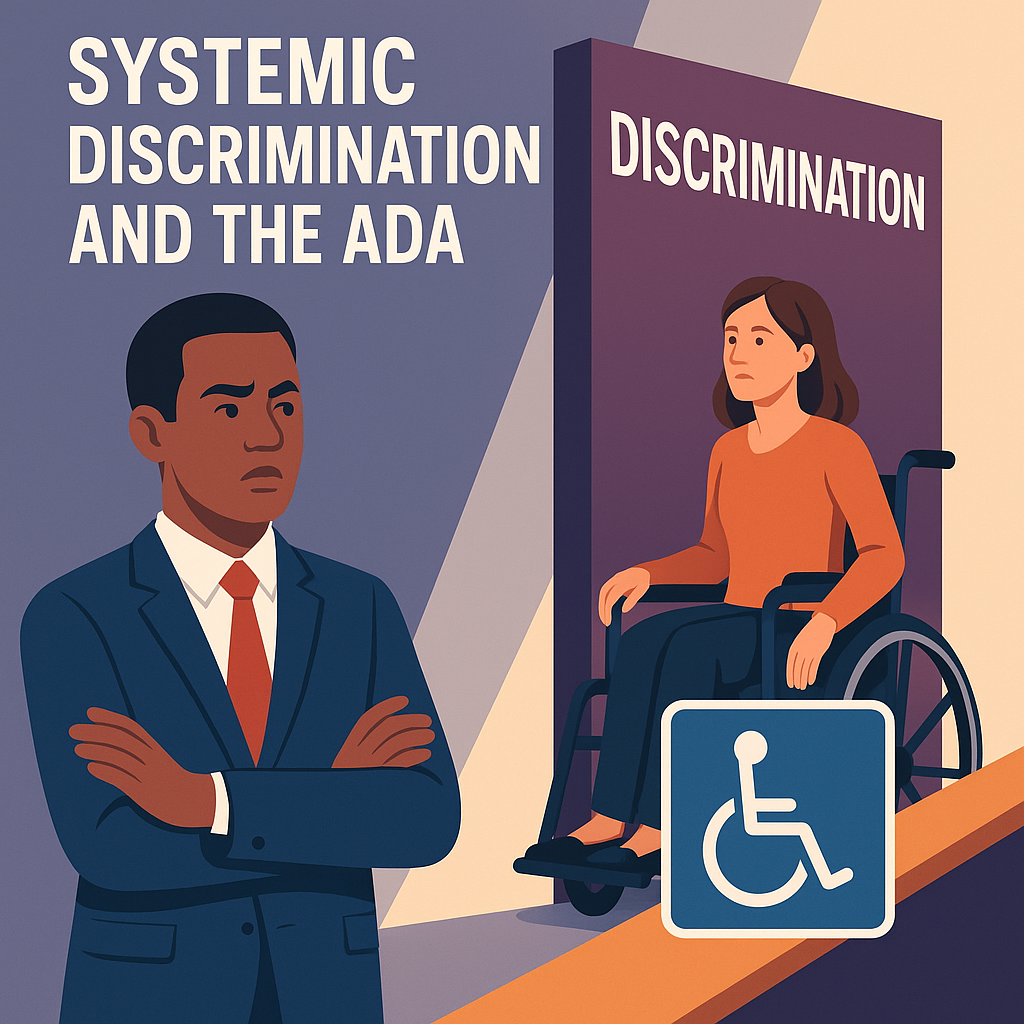
The landmark case of EEOC v. Yellow Freight System, Inc. serves as a seminal example of systemic discrimination confronted by the Equal Employment Opportunity Commission (EEOC) under the Americans with Disabilities Act (ADA). This case, emblematic of larger struggles within employment law, not only exemplifies the systemic issues that can occur in large organizations but also highlights the role of the ADA in protecting workers with disabilities. Understanding this case is important because it illustrates the legal mechanisms available to employees who face discrimination and sheds light on how systemic discrimination can persist within corporate structures. By exploring the nuances of EEOC v. Yellow Freight System, Inc., we gain insight into the challenges faced by employees with disabilities and the legal recourses available to them.
Systemic Discrimination: An Overview
Systemic discrimination refers to the widespread and institutionalized practices or policies that disadvantage specific groups, such as individuals with disabilities, within an organization. Unlike isolated incidents, systemic discrimination is deeply embedded in organizational structures and cultures, often resulting in substantial barriers to equality in employment. Employers may inadvertently or deliberately create environments where discriminatory practices become the norm, impacting recruitment, promotion, and day-to-day operations.
A real-world example can be drawn from the Yellow Freight case. The company was accused of perpetuating a discriminatory environment by routinely denying reasonable accommodations to employees with disabilities. This lack of accommodation exemplified the broader issues at play, highlighting how organizational procedures could perpetuate inequities.
| Type of Systemic Discrimination | Example |
|---|---|
| Recruitment Bias | Excluding candidates with disabilities from job openings |
| Promotion Barriers | Denying advancement opportunities without valid justification |
| Reasonable Accommodation Failures | Refusing necessary adaptations for employees with disabilities |
The Role of the ADA in Combating Discrimination
The Americans with Disabilities Act (ADA) was enacted to prevent discrimination based on disability in various areas, including employment. It requires employers to provide reasonable accommodations to employees with disabilities, given that those accommodations do not cause undue hardship to the business. The intent of the ADA is to level the playing field for individuals with disabilities, ensuring equal access to job opportunities and fostering an inclusive work environment.
In the case of EEOC v. Yellow Freight, the EEOC alleged that the company systematically breached ADA requirements by not providing such accommodations. For example, employees who required modified work schedules or ergonomic adjustments were often denied these essential accommodations, leading to a legal battle that would underscore the importance of the ADA. The case demonstrates why legal frameworks like the ADA are critical in holding companies accountable and ensuring that discriminatory practices are challenged and rectified.
Lessons from EEOC v. Yellow Freight System, Inc.
The EEOC v. Yellow Freight case provided a number of significant lessons for businesses and employees alike. Firstly, it highlighted the importance of vigilance in recognizing and rectifying systemic discrimination. The case underscored that companies must not only establish policies that adhere to ADA guidelines but actively work to implement them in practice. Organizations that fail in these responsibilities risk both legal repercussions and reputational damage.
For employers, the implications are clear: systemic discrimination can be costly both in terms of financial penalties and the erosion of trust within the workplace. For instance, in the Yellow Freight case, the EEOC’s lawsuit led to investigations that uncovered widespread practices contrary to the ADA, resulting in a need for systemic change within the organization.
Employees, on the other hand, are empowered by such cases to recognize their rights under the ADA and pursue action when those rights are violated. The visibility of significant cases like EEOC v. Yellow Freight underscores the importance of employees understanding their legal protections and seeking assistance when discrimination occurs.
Preventative Measures and Best Practices
To prevent cases similar to EEOC v. Yellow Freight, organizations need to establish comprehensive diversity, equity, and inclusion (DEI) strategies that address systemic discrimination. These strategies should include regular training for leadership and staff on ADA compliance, as well as the development of clear channels through which employees can safely report discrimination.
It’s also vital for companies to routinely review their policies and practices, ensuring they align with current legal requirements and the evolving needs of their workforce. Implementing feedback mechanisms and inclusive policy reviews can be pivotal in adjusting practices before they lead to discrimination claims. Real-life examples, such as multinational corporations adopting detailed reporting structures for accommodation requests, show how effective these measures can be when integrated into corporate governance.
Conclusion
EEOC v. Yellow Freight System, Inc. serves as a powerful exemplar of how systemic discrimination can be confronted and redressed within complex organizations. The case sheds light on the continuing battle against embedded discriminatory practices and the role of legal frameworks like the ADA in safeguarding the rights of employees with disabilities.
The main takeaway for readers is the vital importance of understanding both the scope of the ADA and the significance of actively ensuring workplace compliance. Organizations must prioritize anti-discrimination commitments as part of their core operational strategies. For employees, awareness of their rights is crucial, along with the knowledge that regulatory bodies like the EEOC are available to support and protect them against discrimination.
For those keen to foster an equitable work environment, the next step is clear: engage in ongoing education regarding ADA regulations, implement robust DEI policies, and remain vigilant against systemic discrimination. By doing so, companies can not only avoid the pitfalls of significant legal battles but can cultivate a more inclusive and respectful workplace for all employees.
Frequently Asked Questions
1. What was the EEOC v. Yellow Freight System, Inc. case about?
The case of EEOC v. Yellow Freight System, Inc. was a pivotal legal confrontation that addressed systemic discrimination within a prominent transportation and logistics company. At its core, the case was about discriminatory practices against employees with disabilities, which the company allegedly engaged in violation of the Americans with Disabilities Act (ADA). This case emerged as part of the EEOC’s broader efforts to address systemic discrimination in the workplace. Yellow Freight System, Inc., a major player in the freight transportation industry, was accused of maintaining discriminatory policies and practices that adversely affected its employees who had disabilities. By taking on this case, the EEOC aimed to demonstrate its commitment to enforcing the ADA and safeguarding the rights of workers across large organizations. The significance of this case lies not only in the allegations of discrimination but also in the broader implications it has for employment law and the rights of individuals with disabilities.
2. How does systemic discrimination differ from individual acts of discrimination?
Systemic discrimination refers to patterns or practices of discrimination that permeate an organization and affect a broad group of people, often rooted in formal or informal policies, practices, and procedures. Unlike individual acts of discrimination, which target a specific person or group, systemic discrimination is more entrenched, affecting many employees over time, sometimes without even direct intent to discriminate. In the context of the EEOC v. Yellow Freight System, Inc. case, systemic discrimination might have been manifested through company policies or workplace culture that systematically disadvantaged individuals with disabilities. It is crucial to address systemic discrimination because it reflects deeper organizational issues that require comprehensive changes to rectify. By targeting the larger systems at issue, the EEOC aims to create long-term improvements in workplace equality and compliance with ADA standards across entire organizations, not just in isolated incidents.
3. Why was the Americans with Disabilities Act (ADA) significant in the EEOC v. Yellow Freight System, Inc. case?
The Americans with Disabilities Act (ADA) was central to the EEOC v. Yellow Freight System, Inc. case because it provides the legal foundation for protecting individuals with disabilities from discrimination in the workplace. The ADA mandates that employers must provide reasonable accommodations to qualified employees with disabilities and prohibits discrimination against individuals in all aspects of employment. In tackling this case, the EEOC leveraged the ADA to argue that Yellow Freight System, Inc.’s alleged widespread discriminatory practices violated the rights granted to employees under this legislation. This case was pivotal not only for enforcing the ADA but also for emphasizing how crucial it is for large organizations to integrate ADA compliance into their operational frameworks. The case illustrated the need for companies to go beyond basic legal compliance and foster an inclusive environment where all employees, regardless of disabilities, can thrive and be treated equitably.
4. What were some potential outcomes or implications of the EEOC v. Yellow Freight System, Inc. case for other companies?
The EEOC v. Yellow Freight System, Inc. case had significant potential outcomes and implications that extended beyond the parties directly involved. One of the primary implications is the increased awareness and emphasis on the importance of systemic change in organizations to prevent discrimination and foster inclusion. Companies observed the case as a cautionary tale, prompting them to reevaluate their policies, training programs, and managerial practices to ensure ADA compliance and prevent similar legal challenges. The case served as a rallying cry for advocacy and enforcement within employment law, encouraging other companies to actively address and rectify any discriminatory practices within their ranks proactively. Additionally, the case likely spurred improvements in corporate governance and accountability, instigating stronger internal policies and adopting transparent reporting mechanisms to mitigate the risk of systemic discrimination complaints.
5. What role does the EEOC play in combating systemic discrimination in cases like EEOC v. Yellow Freight System, Inc.?
The Equal Employment Opportunity Commission (EEOC) plays a critical role in combating systemic discrimination, not only by enforcing laws like the Americans with Disabilities Act (ADA) but also by leading investigations and legal actions against violations. In cases like EEOC v. Yellow Freight System, Inc., the EEOC acts as a powerful advocate for workers’ rights, employing various strategic measures to identify and challenge discriminatory practices. This includes gathering substantial evidence, engaging in litigation, and potentially negotiating settlements to rectify systemic issues within organizations. The EEOC’s involvement highlights its commitment to ensuring that all employees have equal opportunities to succeed in their professional endeavors, regardless of their disability status. By handling such cases, the EEOC aims to set precedents that deter future discriminatory practices and encourage systemic changes across industries, ultimately fostering a work environment that respects diversity and inclusivity.


