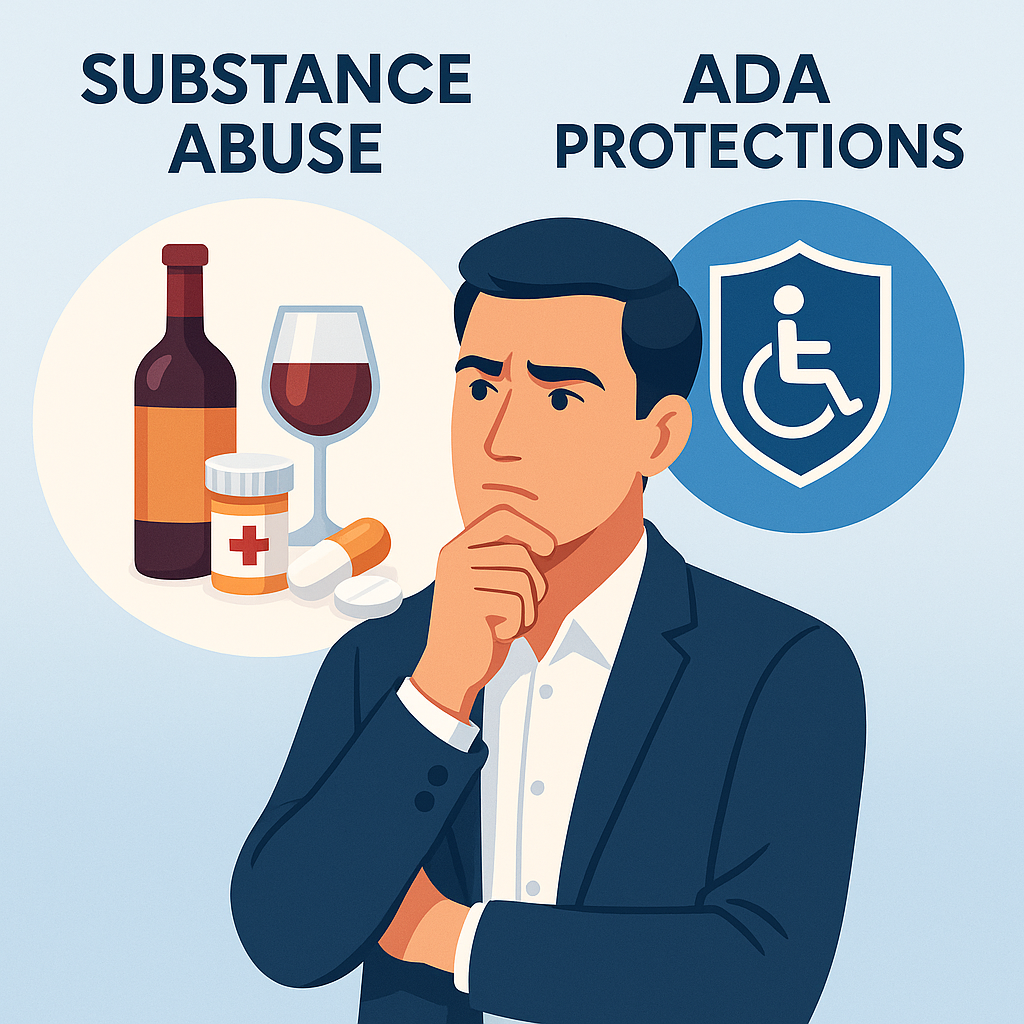
In the landmark case of Raytheon Co. v. Hernandez, the intricacies of substance abuse, workplace ethics, and the protection of individuals under the Americans with Disabilities Act (ADA) were brought to light. This case addressed the question of whether employees who have a history of substance abuse are protected under the ADA, and it holds profound significance for employers and employees alike. The ADA was enacted in 1990 to prohibit discrimination against individuals with disabilities in all areas of public life, including jobs and schools. It ensures that people with disabilities have the same rights and opportunities as everyone else. But how does this protection apply to individuals recovering from substance abuse, and what are the legal implications for companies and rehabilitated employees? Understanding this interplay is critical because it impacts hiring practices, legal responsibilities of employers, and the civil rights of countless Americans striving for recovery and reintegration into the workforce.
Background of the Case
The case of Raytheon Co. v. Hernandez revolved around the employment practices of Raytheon, a major defense contractor, and an individual named Joel Hernandez, who had a past record of substance abuse. Hernandez had voluntarily sought treatment and rehabilitation after previously being fired from Raytheon for drug use. Years later, he applied to be rehired, but Raytheon declined his application, citing their policy of not rehiring former employees terminated for misconduct. Hernandez claimed this decision violated the ADA.
The case reached the U.S. Supreme Court, which had to examine whether Raytheon’s actions constituted discrimination under the ADA. The Court, in its decision, differentiated between being fired for misconduct related to drug use and denying rehiring based on a perceived disability, ultimately siding with Raytheon. This decision spotlighted the complexities surrounding workplace policies, substance abuse history, and the ADA, forcing many companies to reevaluate their hiring practices and anti-discrimination policies.
Understanding the ADA and Substance Abuse
The ADA defines disability as a physical or mental impairment that substantially limits one or more major life activities. It covers individuals who have successfully undergone rehabilitation and are no longer engaging in the illegal use of drugs. However, individuals currently using illegal drugs are not protected under the ADA. This distinction is crucial when considering former drug users who have taken steps towards recovery and seek employment opportunities. This nuanced differentiation creates a legal and ethical challenge for employers who must balance fair employment practices with their workplace policies.
Implications for Employers and HR Practices
For employers, Raytheon Co. v. Hernandez underscores the importance of having clear, consistent, and fair rehiring policies that comply with the ADA. Employers must ensure that policies are applied uniformly to avoid implicit discrimination based on an applicant’s history of substance abuse. This case urges employers to examine their practices and provide accommodations when necessary, as long as the applicant is not actively engaged in substance abuse at the time of employment consideration.
- Develop clear anti-discrimination policies
- Implement training programs for HR personnel
- Establish fair rehiring practices
- Accommodate qualified individuals with a history of substance abuse
The Role of Rehabilitation and Recovery
The case highlights the critical role of rehabilitation and second chances for individuals recovering from substance abuse. Rehabilitation not only aids in recovery but also reintegrates individuals into society and the workforce. Employers recognizing the potential in qualified, rehabilitated individuals can enrich their work environments, fostering diversity and inclusivity. Employers must distinguish between past behavior that resulted in termination and the improved circumstances of a rehabilitated individual.
Legal Precedents and Future Considerations
The decision in Raytheon Co. v. Hernandez set a precedent for interpreting the ADA in cases involving previous substance abuse. It established that denying employment based on previous misconduct related to substance abuse does not necessarily equate to discrimination unless it is directly related to a disability. As companies and courts continue to navigate the implications of this ruling, understanding its boundaries and ensuring compliance with anti-discrimination laws remain essential to ethical business practices.
| Year | Case | Outcome |
|---|---|---|
| 2003 | Raytheon Co. v. Hernandez | Decision in favor of Raytheon |
| 1990 | Americans with Disabilities Act Enacted | Prohibition of discrimination based on disability |
The Human Perspective: Real-World Example
An example from the real world shows the potential transformation when employing someone with a history of substance abuse. Consider a small business owner who hired a former substance abuser. The individual, having completed a rehabilitation program, brought a new perspective and valued skills to the team. This hiring decision not only broke the cycle of unemployment for the individual but also enriched the workplace with unique insights. Such examples bolster the argument for adopting inclusive hiring practices and recognizing individual growth and potential.
Conclusion: Moving Forward with Knowledge and Compassion
The case of Raytheon Co. v. Hernandez highlights the complex intersection of substance abuse recovery and protections under the ADA. The key takeaway is that while employers must safeguard their interests, they must also recognize and support the rights of recovering individuals under the ADA. By fostering inclusive hiring practices and facilitating meaningful dialogue, organizations can bridge the gap between policy and practice. Employers are encouraged to reflect on their policies, ensure ADA compliance, and support the rehabilitation journey of potential employees. Moving forward, the advocacy for clear employment policies and avenues for inclusion should remain at the forefront of organizational strategies, fostering a diverse, equitable, and inclusive workforce.
There is no better time than now to revisit and refine the hiring and employment policies in your organization. Understand the intricacies of the ADA, support rehabilitation, and promote inclusion and diversity. Let Raytheon Co. v. Hernandez be a reminder and an opportunity for growth.
Frequently Asked Questions
1. What was the primary issue at stake in Raytheon Co. v. Hernandez?
In Raytheon Co. v. Hernandez, the central issue revolved around whether an employer violated the Americans with Disabilities Act (ADA) when it refused to rehire a former employee who had a history of substance abuse. The case questioned if individuals with past addiction issues are protected under the ADA, especially in situations where they are in recovery. The case became highly significant as it addressed the balancing act between non-discrimination principles and workplace safety and policy compliance. It shed light on the question of whether former substance abusers who are no longer using drugs are still considered disabled under ADA standards, a debate pivotal to defining workplace protections and inclusivity.
2. How does the ADA define a disability in the context of substance abuse?
The Americans with Disabilities Act (ADA) classifies a ‘disability’ as a physical or mental impairment that substantially limits one or more major life activities. However, when it comes to substance abuse, the ADA has specific provisions. While the ADA does not protect current illegal drug users, it does provide protection to individuals with a history of drug addiction who are undergoing or have completed a rehabilitation program. Therefore, a person recovering from addiction can potentially be seen as someone with a disability if their history of addiction significantly limited major life activities such as working, thinking, or communicating. Raytheon Co. v. Hernandez tested these definitions, emphasizing the nuances between active substance abuse and past addiction with sincere recovery efforts.
3. How did Raytheon’s policies come into question during this case?
Raytheon’s drug-free workplace policies were central to the case, as the company had a firm stance against rehiring individuals who had been terminated for violating such policies. Hernandez, the central figure in the case, had been fired by Raytheon for testing positive for drugs. When he later reapplied to Raytheon after undergoing rehabilitation and several years of sobriety, he was denied employment. This refusal was based on Raytheon’s strict adherence to its non-rehire policy for individuals terminated for misconduct, notably substance abuse. The legal question arose as to whether this policy was applied in a discriminatory manner under the ADA, whether it constituted a blanket bias against those with a disability related to past drug use, and how such policies align with broader ADA principles aiming to foster workplace reintegration for recovering individuals.
4. What was the Supreme Court’s ruling in the case, and what precedent did it set?
The U.S. Supreme Court ultimately ruled in favor of Raytheon Co., determining that the company’s policy did not violate the ADA. The Court held that Raytheon’s refusal to rehire Hernandez was based on a neutral, non-discriminatory company policy uniformly applied to all employees terminated for workplace misconduct, rather than on any prejudice specifically related to Hernandez’s past drug use or his status as someone recovering from addiction. The verdict underscored the balance that employers have to maintain in upholding legitimate employment standards while avoiding discriminatory practices. It also set a precedent emphasizing that while past drug addiction can be considered a disability under the ADA, employers can consistently enforce policies against rehiring former employees terminated for misconduct, as long as these policies are not a guise for discrimination based on disabilities.
5. What implications does the case hold for employers and employees regarding disability and workplace policies?
Raytheon Co. v. Hernandez has profound implications for both employers and employees. For employers, it emphasizes the importance of developing and enforcing workplace policies that are clear, non-discriminatory, and uniformly applied. This case highlights the necessity of distinguishing between lawful policies and discriminatory practices while understanding the ADA’s depth in protecting employees with a history of addiction who are making a genuine effort to rehabilitate. Employers must balance creating inclusive policies for individuals recovering from addiction with maintaining safety and integrity within the workplace. For employees, this case serves as a reminder of their ADA rights, reinforcing that individuals with a history of addiction can seek recourse if they feel discriminated against due to their past, assuming they are not currently engaging in illegal drug use and have taken sincere steps toward recovery.


