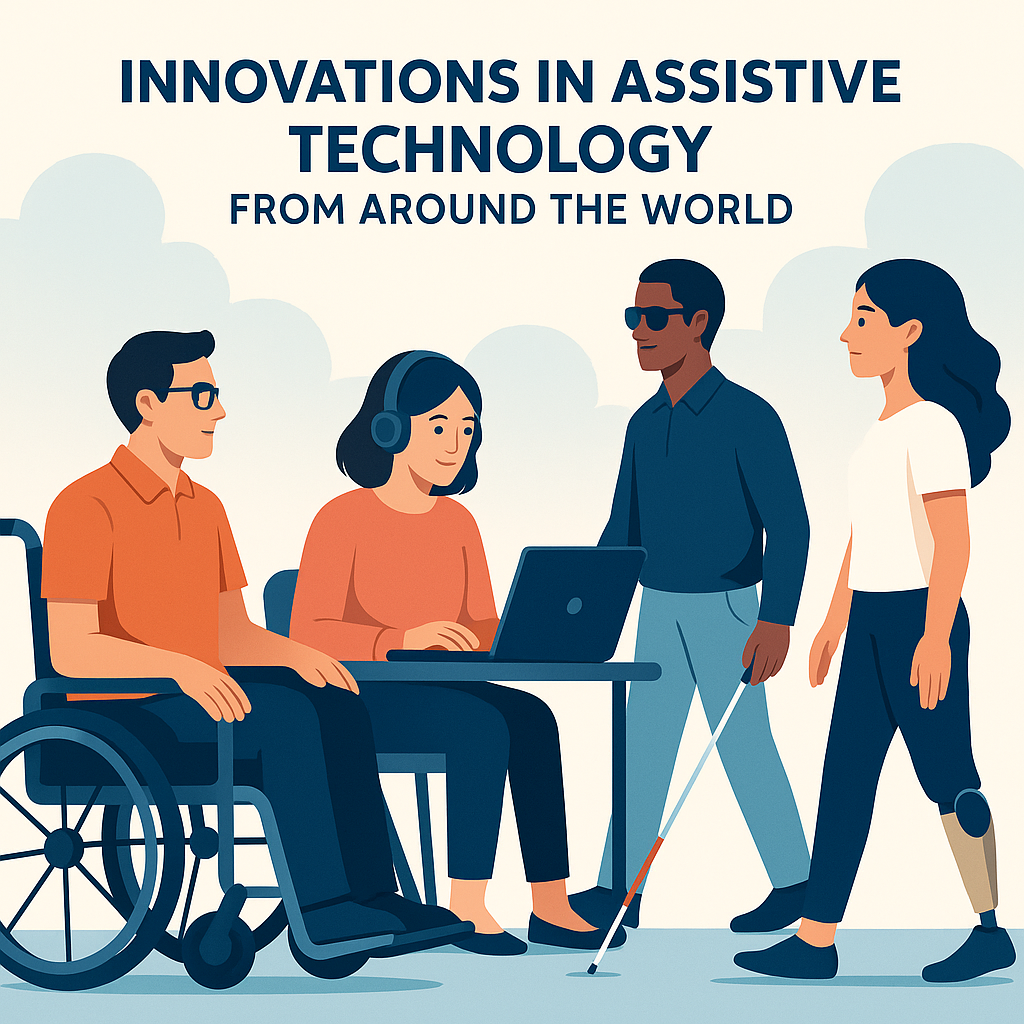
In recent years, the Americans with Disabilities Act (ADA) has become a cornerstone in ensuring equal opportunities and access for individuals with disabilities across the United States. Established in 1990, the ADA sets forth comprehensive regulations that prohibit discrimination and promote inclusivity in various spheres such as employment, public accommodations, transportation, and telecommunications. This legislation has empowered millions of Americans, fostering a society where people with disabilities can participate fully without barriers. Over the past month, we’ve witnessed several inspirational ADA success stories that illustrate the real-life impact of this transformative law. These narratives not only shine a light on the positive outcomes of ADA compliance but also serve to motivate continued advocacy and implementation of inclusive practices. Join us as we delve into these compelling stories that showcase how the ADA is reshaping lives and communities one step at a time.
Employment Opportunities and Economic Empowerment
The ADA’s influence on employment opportunities stands as one of its most significant accomplishments. This past month, a large corporation announced the implementation of a comprehensive recruitment program tailored specifically for individuals with disabilities. This initiative came about after extensive consultations with disability advocacy groups and is a direct response to ADA guidelines. The impact was immediate and profound—within weeks, several talented individuals with disabilities secured positions that were not previously accessible to them due to longstanding physical or systemic barriers.
A notable success story is that of Sarah Williams, a software engineer who lives with cerebral palsy. Sarah had faced numerous rejections despite her qualifications. However, through the company’s new ADA-centric hiring program, Sarah not only landed her dream job but also found a team genuinely invested in her success. She spearheaded the development of an accessibility feature in their software that has since been lauded by users worldwide. Sarah’s story underscores how ADA compliance in the workplace unlocks potential, allowing brilliant minds to thrive and contribute meaningfully to industries and society at large.
Enhanced Accessibility in Public Spaces
Accessibility in public spaces is another area where the ADA’s impact is visibly transformative. Consider the case of City Park, a community recreational area that underwent major renovations to meet ADA standards. Previously, the park’s design was challenging for individuals with mobility issues. However, with the addition of ramps, sensory-friendly playground equipment, tactile paths, and wheelchair-accessible picnic areas, the park has become a welcoming environment for everyone.
This transformation was particularly impactful for John and Emily, parents to an autistic child named Max. Before the renovations, taking Max to the park was a daunting task due to sensory overload and limited accessible facilities. The improved design now allows Max to play safely and freely, and he even joined an inclusive playgroup facilitated by the park. Such developments, driven by ADA principles, facilitate community integration and enhance quality of life for individuals with diverse abilities.
Transportation Innovations through ADA Compliance
Transportation remains a critical element of accessibility, making the ADA’s influence in this sector invaluable. Transportation authorities in several cities have rolled out new bus fleets equipped with state-of-the-art accessibility features. These buses feature automated wheelchair lifts, audible stop announcements, and Braille panels at station terminals. The initiative has been a game-changer for commuters with disabilities.
Take, for instance, the story of Jamie, a college student who relies on public transportation. Jamie uses a wheelchair and often found commuting a frustrating and time-consuming endeavor. With the new ADA-compliant buses, Jamie can travel to and from their university with ease, reducing their journey time and stress significantly. The increased accessibility directly impacts Jamie’s ability to attend more classes and participate actively in college life. Such transportation innovations not only facilitate physical movement but also empower individuals with a newfound sense of independence and participation in broader community activities.
Telecommunication Enhancements
The trajectory of ADA’s success stories extends into the realm of telecommunications, ensuring that individuals with disabilities have equitable access to communication technologies. Telecommunications firms, guided by ADA requirements, have embarked on projects to enhance accessibility through closed captioning, real-time text (RTT), and speech-to-text capabilities. This has opened doors for people with hearing and speech disabilities, enabling seamless communication.
Maria, a deaf entrepreneur, exemplifies the positive change brought about by these ADA-driven innovations. She recently launched an online business, leveraging enhanced telecommunication tools that facilitate communication with her suppliers and customers efficiently. These tools have been vital for Maria’s business model, proving that the ADA is instrumental in spurring technological advancements and fostering an inclusive business landscape. By leveling the playing field, the ADA inspires innovation and empowers individuals to achieve their professional aspirations without hindrance.
Conclusion
The ADA has been a monumental force for positive change, fostering an inclusive society where individuals with disabilities can access opportunities and resources that promote independence and self-determination. The success stories from this past month alone illuminate the diverse ways in which the ADA impacts lives, from revitalizing employment landscapes and enhancing public spaces to driving transportation innovations and telecommunications advancements. These narratives build a compelling case for the continued and unwavering implementation of ADA standards, inspiring communities to embrace inclusion as a vital component of societal growth.
As we reflect on these stories, it’s evident that the ADA’s true power lies in its ability to transform policy into practice, creating environments that respect and celebrate diversity. This month’s success stories remind us of what’s possible when barriers are removed and accessibility is prioritized – a society where every individual can pursue their dreams and reach their full potential. By remaining committed to these principles, we can continue to ensure that future stories of ADA success are even more widespread, narrating a world where inclusion is not merely an aspiration but a lived reality.