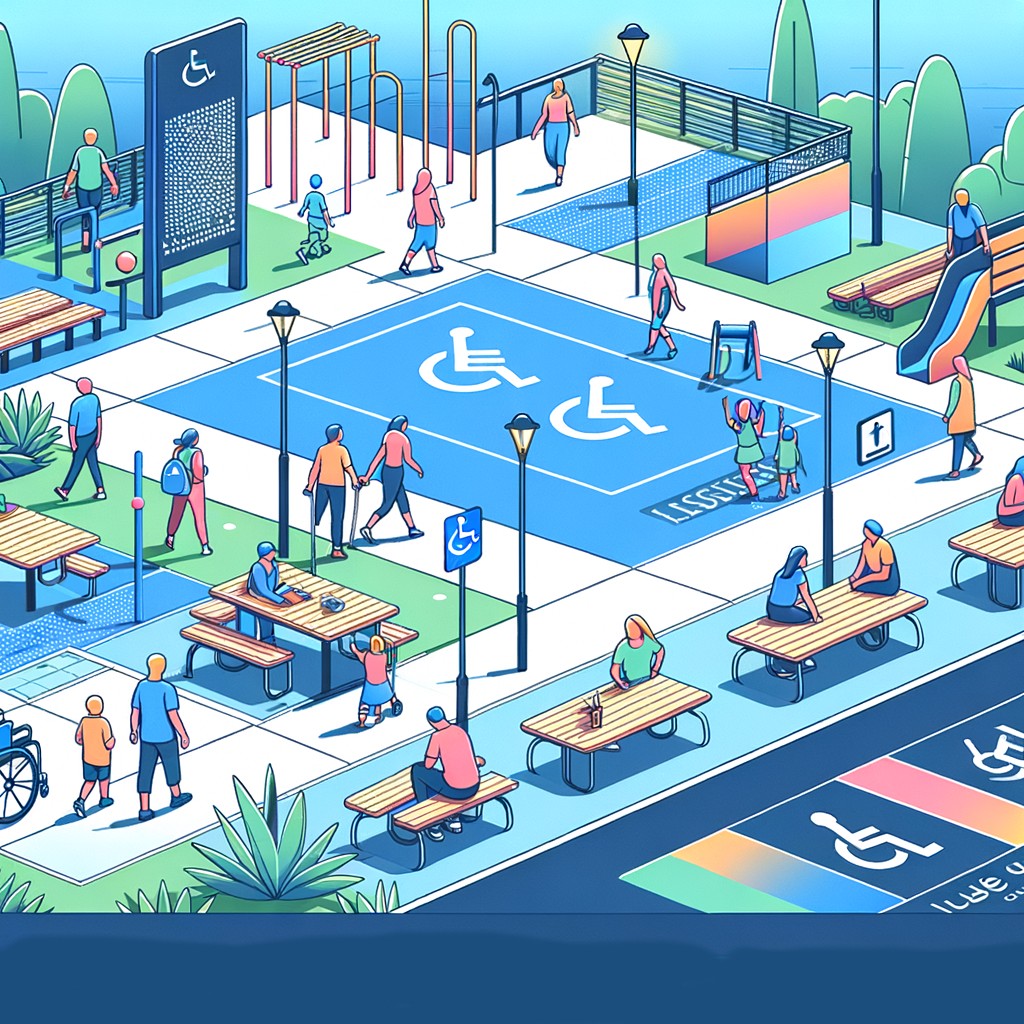
The Americans with Disabilities Act (ADA) has been a critical piece of legislation in ensuring that individuals with disabilities have equal opportunities to participate in all areas of public life. A key area of focus lately has been on recreational accessibility, an essential aspect that can significantly enhance quality of life for many. Recreational facilities are places where communities come together to engage in leisure, sports, and other social activities. Ensuring these spaces are accessible is crucial, and there are numerous anticipated developments in this sphere as a result of advancements in technology, public policy shifts, and increased awareness of accessibility needs. These potential changes promise to create more inclusive environments for all individuals, and it’s essential to understand how these anticipated developments may influence recreational accessibility in the coming years. The forward momentum of the ADA in this area could serve as a driving force behind more robust inclusive practices, cutting-edge innovations in design, and sweeping adjustments in existing recreational spaces. This article will explore some of these anticipated developments, examining how they may reshape the landscape of recreational accessibility moving forward.
Policy Innovations and Legislative Enhancements
The ADA remains a cornerstone in promoting accessibility, but as societal understanding of disability evolves, so too must the legislation. Anticipated developments include potential updates to the ADA itself, which may incorporate more comprehensive guidelines specific to recreational spaces. These updates could involve detailing requirements for facilities like parks, sports stadiums, gyms, and other public recreation areas. The aim would be to address the unique challenges posed by these often-varied environments, making them safer and more inclusive.
One expected policy change may involve greater clarification on service animal accessibility in recreational areas. While service animals are recognized by the ADA for indoor facilities, outdoor recreation areas like swimming pools, open fields, and sports courts present unique challenges. Future policy updates could provide more explicit parameters governing these spaces.
Moreover, the introduction of more robust fine structures for non-compliance, coupled with increased incentives for voluntary compliance, could encourage proactive engagement from recreational facility managers. Such policy updates might include grant programs for retrofitting existing facilities to be more accessible.
Technological Advancements
Technological progress plays a significant role in enabling recreational accessibility. Technological innovations aimed at accessibility are expected to proliferate, utilizing advanced systems and materials. These advancements serve not only to assist individuals with disabilities but also to streamline the design and maintenance processes for recreational facilities.
Smart technology integration within recreational spaces is anticipated, allowing for features like adaptive equipment that automatically adjusts to suit the needs of the user. For instance, weight machines in gyms could soon feature enhancements that accommodate individuals with limited mobility. Similarly, in parks, sensor-based technology could monitor and manage accessibility features in real time, ensuring that pathways, ramps, and instruments are well-maintained or notify management when attention is required.
VR (Virtual Reality) and AR (Augmented Reality) technologies offer another avenue for improving accessibility. These can be used for customized guided tours in national parks, where users wearing VR headsets receive real-time narration and interactive guides, or assist individuals in ‘seeing’ areas that may be physically challenging to access.
Design and Infrastructure Developments
Re-imagining recreational facility design with accessibility at the forefront is an anticipated focal point for societal advancement. Architects and designers are increasingly prioritizing universal design principles which ensure spaces are usable by the widest range of people, regardless of age or ability. This holistic design approach includes features like smoother, slip-resistant surfaces for pathways, automatic door mechanisms, widened entry points, clearly marked signage in braille, and enhanced audio-visual signals.
New materials and construction methods are expected to come to the forefront, including materials that improve non-slip capabilities on water-side recreational surfaces or more durable and adaptive playground components for better inclusivity. Innovative materials are likely to play a major role in these developments, offering added benefits such as environmental sustainability and cost-efficiency.
Barrier-free zones are becoming a focal point for many new recreational sites, with plans often including zones that promote participation in group activities. These spaces are vital for fostering a sense of community and inclusion, allowing all individuals, irrespective of physical ability, to engage equally in recreational pursuits.
Public Awareness and Community Involvement
Increased awareness and advocacy for accessibility have been instrumental in driving reforms, and this trend is anticipated to continue growing. Community-driven advocacy for better recreational accessibility is helping to shape both public opinion and legislative action. Grassroots movements and collaborations with disability rights organizations have proven to be effective in promoting changes and are likely to remain critical players in future developments.
Education campaigns aimed at the general public, facility designers, and policymakers could enhance understanding and engagement with accessibility initiatives. These efforts advocate not just for necessary adjustments but also for a more inclusive mindset within society at large, further inspiring broader participation and innovation in recreational accessibility.
Community involvement is invaluable, especially when feedback is sought from persons with disabilities; their firsthand accounts provide insights into specific challenges and practical solutions. This interaction not only fosters a sense of ownership and partnership in the development process but also ensures that the solutions implemented are truly beneficial.
Challenges and Considerations
Despite these promising developments, several challenges remain in the execution of enhanced recreational accessibility. Financial constraints are a significant hurdle for many facilities, as even with grant programs, the cost of overhauling existing structures can be substantial. Balancing the desire to update facilities with budget realities remains a challenge for municipalities and private operators alike.
Additionally, integrating new technology poses challenges beyond financial costs. Staff at recreational facilities need to be adequately trained to utilize and maintain new technologies, which can be both time-consuming and resource-intensive.
Moreover, there is the ongoing challenge of balancing aesthetic design with functional accessibility. Creating spaces that are both visually appealing and accessible requires careful planning and execution. While some may consider accessibility features unattractive, the focus on universal design principles aims to challenge and change these perceptions.
Conclusion
The anticipated developments in recreational accessibility under the ADA mark an exciting and promising era for inclusivity. As we look towards the future, it becomes clear that a multi-faceted approach is necessary to address the complex challenges and opportunities in recreational spaces. From policy innovation and technological advancements to design reimaginations and community involvement, the synergy of these elements is essential for meaningful progress.
While challenges such as financial constraints and integration of new technology remain, the sustained focus on and investment in accessibility can lead to a dynamic evolution in recreational environments. The commitment to enhancing the quality and inclusivity of these spaces speaks volumes about society’s shifting attitudes towards accessibility and inclusion. With continued effort, collaboration, and innovation, recreational spaces will not only become more accessible but also enriched with diverse opportunities for all individuals to enjoy.
As these anticipated developments unfold, they hold the potential to foster a more inclusive society where everyone, regardless of physical abilities, can equally participate and thrive in recreational activities. Embracing these changes will ensure we provide not just equal opportunities, but a common ground for communities to connect and grow together in shared recreational pursuits.
Frequently Asked Questions
1. What are anticipated ADA developments in recreational accessibility?
The future of ADA developments in recreational spaces is geared towards creating a more inclusive environment where everyone, regardless of ability, can enjoy leisure activities. This includes upgrading existing facilities and ensuring that new constructions consider universal design principles from the get-go. Developments focus on better access to pools, playgrounds, nature trails, beaches, and sports facilities. Key changes involve wider doorways for building access, elevator installations where necessary, the inclusion of tactile paths for the visually impaired, and adaptive sports equipment. These make sure individuals using wheelchairs, those with visual or hearing impairments, or anyone who benefits from enhanced accessibility can participate fully. Additionally, there’s an increasing push towards using technology to facilitate recreational access, such as audio guides, accessible mobile applications for navigation, and virtual reality experiences for those unable to physically participate.
2. Why is recreational accessibility crucial under the ADA?
Recreational accessibility is a cornerstone of promoting social inclusion, well-being, and quality of life among people with disabilities. Recreational spaces are more than just places for physical activity—they’re essential for community engagement, mental health, and building social connections. Under the ADA, every individual should have the opportunity to enjoy these benefits without facing barriers. When communities ensure that public recreational areas are accessible, they’re affirming the inherent rights of individuals with disabilities to be active, to socialize, and to participate in the wider society. This act of inclusion significantly diminishes isolation and empowers individuals, fostering a diverse and thriving community environment. Moreover, good accessibility often underscores cutting-edge design, making spaces more enjoyable and navigable for everyone, not just those with disabilities.
3. How can communities enhance existing recreational facilities to meet ADA standards?
Communities can enhance facilities by conducting thorough audits to identify current accessibility barriers. Once identified, removing these obstacles can often be as simple as restructuring paths to increase width, replacing old signage with tactile and high-contrast options, or installing ramps and lifts. Larger projects might involve redesigning restrooms and seating areas to accommodate all users comfortably. It’s also beneficial to incorporate feedback from individuals with disabilities in the planning stages to ensure their needs are properly addressed. Maintaining open lines of communication with these community members can help prioritize necessary changes and offer invaluable insights that might be overlooked otherwise. Beyond this, training staff to assist patrons with diverse disabilities can create a more inviting and accommodating atmosphere. Technology, too, can play a pivotal role in accessibility. Mobile apps and websites that offer detailed information about facilities’ accessibility features help potential visitors plan visits that are free of stress and surprise barriers.
4. What technological advancements are shaping future ADA compliance in recreation?
Technology has emerged as a powerful tool in enhancing accessibility within recreational spaces. The rise of smart technology brings options like auditory and visual guides accessible via smartphones, which provide real-time information about facility layouts and potential accessibility challenges. Virtual reality offers a new frontier, allowing individuals who can’t physically visit a location to experience it in rich detail remotely. Moreover, the development of mobile apps tailored for individuals with disabilities can aid navigation, from finding wheelchair-friendly routes within parks to securing ASL interpreters for events. Furthermore, modern facilities are increasingly integrating feedback systems, where visitors can report accessibility issues, ensuring that any arising problems are promptly addressed. These systems encourage continuous improvement and demonstrate a commitment to maintaining high accessibility standards.
5. How do anticipated ADA developments impact future architectural designs in recreation?
Forward-thinking architectural design rooted in the principles of universal design is set to have a significant impact on recreational spaces. Architects and planners are moving away from minimal compliance and are instead embracing designs that anticipate the diverse needs of all users. This involves spaces that are naturally integrated with features like gentle sloping paths instead of abrupt staircases, tactile ground surfaces marking safe areas for those with visual impairments, and modular spaces that can be adjusted for various accessibility needs. Materials and textures that cater to sensory sensitivities are being utilized more, and designs increasingly incorporate green spaces that are navigable by wheelchairs, with planting schemes that are visually appealing and beneficial to all users. This shift towards inclusivity will undoubtedly make recreational spaces not only more accessible but more enjoyable and engaging for everyone.


