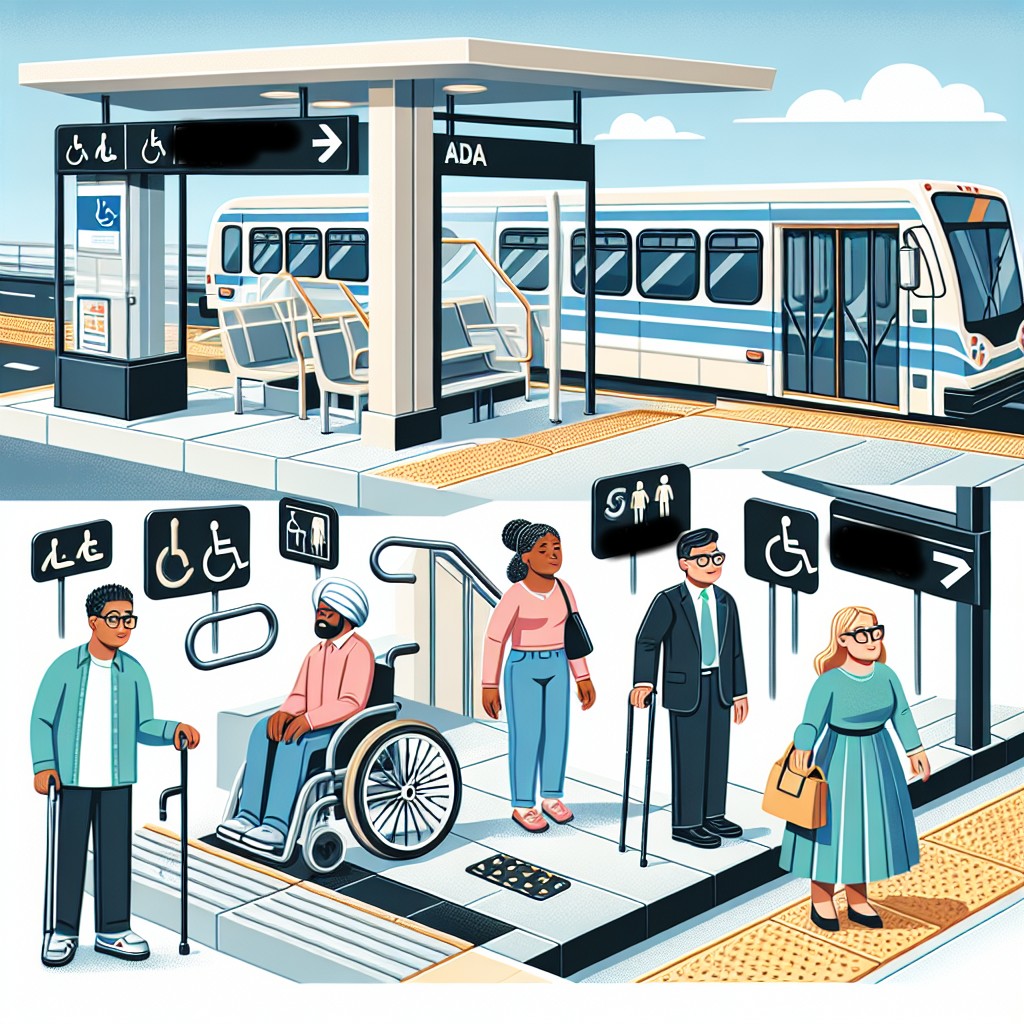
The Americans with Disabilities Act (ADA), enacted in 1990, has been a cornerstone in promoting accessibility across various sectors, including employment, public accommodations, and more critically, transportation. The act mandates that transportation services, whether public or private, provide adequate accessibility for individuals with disabilities. Over the years, the field of transportation has witnessed several advancements and continues to evolve to meet the needs of people with disabilities. This article examines the most recent developments in transportation regarding ADA compliance and the innovative strides being made to enhance mobility for everyone.
The Evolution of Accessibility Standards
Since its inception, the ADA has driven significant changes in how transportation services are designed and operated. One of the initial impacts was the requirement for public transit to install lifts on buses and provide paratransit services. These essential changes laid the groundwork for more inclusive transit systems. Over time, accessibility standards have become increasingly sophisticated, encompassing features like low-floor buses, accessible ticketing, and information systems. Recent updates focus on refining these aspects and introducing technologies that foreseeably revolutionize transport for people with disabilities. For instance, ongoing revisions to the ADA Accessibility Guidelines and increased investments in accessible infrastructure underscore a commitment to make transportation universally accessible.
Technological Advancements and Innovations
One of the most exciting areas in ADA-related developments is technology. Companies and transit authorities are increasingly leveraging technology to bridge accessibility gaps. Real-time information systems equipped with audio and visual alerts provide critical assistance for those with sensory impairments. GPS technology helps locate accessible routes and services, while apps designed for the disabled community facilitate easier travel planning. Moreover, autonomous vehicles hold promise as a future accessibility tool, potentially offering novel solutions for independent travel among individuals with disabilities. Such technologies are not only enhancing convenience but also promoting independence for users who were previously marginalized by traditional transport systems.
Legal and Regulatory Changes
The legal landscape around the ADA continues to evolve, often catalyzed by advocacy and litigation aimed at expanding and enforcing rights. Recent legal amendments and interpretative guidelines issued by the Department of Transportation (DOT) have strengthened compliance mandates, particularly around service animals and the provision of auxiliary aids. This increased regulatory scrutiny ensures that service providers remain vigilant and proactive in meeting ADA standards. Moreover, emerging case law further clarifies the extent and application of the ADA in modern transportation settings, helping to close loopholes and reinforce the rights of the disabled community.

Collaborative Efforts and Government Initiatives
Government agencies and community organizations are pivotal in driving ADA developments. Federal and state initiatives work to fund and support projects that enhance transportation access. Collaboration between government and private sectors often leads to the development and execution of innovative solutions that might not be feasible through isolated efforts. Partnerships with advocacy groups help identify emerging needs and create robust solutions tailored to the community, with a particular focus on transit equity. Federal grants supporting research into accessible transit projects and pilot programs are crucial in discovering best practices and effective models that can be replicated nationwide.
Case Studies: Success Stories in Accessible Transportation
Several cities and states have emerged as leaders in adopting ADA-compliant transportation innovations. Notable examples include Seattle’s comprehensive approach to accessible transit and New York City’s expansive paratransit systems. These initiatives showcase how targeted efforts and strategic investments can yield positive outcomes. Additionally, examining international case studies offers insights into alternative approaches to accessibility. Countries like Japan and their accessibility programs for public transport demonstrate how technology and policy can be harmonized to create highly efficient and inclusive systems. These case studies highlight the impact of forward-thinking policies and the importance of comprehensive planning in achieving ADA compliance.
Future Outlook: Challenges and Opportunities
Looking ahead, the transportation sector faces both opportunities and challenges in improving accessibility. As urban populations grow, the demand for accessible transport solutions will rise, bringing new challenges in mobility management. Investment in research and development, public-private partnerships, and community engagement will be critical in navigating these challenges. However, opportunities abound in the realm of technology and policy innovation, enabling service providers to think beyond traditional models. The priorities for the future include further integration of technological solutions and maintaining robust regulatory mechanisms to ensure that ADA standards keep pace with emerging trends and technologies.
Conclusion
In conclusion, the Americans with Disabilities Act remains a dynamic force in evolving transportation systems to be inclusive for all. By focusing on technological advancements, regulatory enhancements, and collaborative partnerships, the transportation industry is putting strides forward toward complete accessibility. Challenges will persist, but the collective efforts of government, industry, and advocacy organizations will ensure that we continue to build on the progress made. As more individuals gain access to reliable transportation, the broader benefits include increased independence, economic opportunities, and improved quality of life for those with disabilities. Ongoing commitment to the principles of the ADA not only fulfills legal obligations but also enriches society by fostering inclusivity and equal opportunity.
Frequently Asked Questions
1. How has ADA influenced recent developments in public transportation?
The Americans with Disabilities Act (ADA) has had a significant influence on the recent developments in public transportation by ensuring that accessibility is a primary consideration in the design and functionality of transportation systems. One of the most crucial developments is the requirement for public transit agencies to make all their services accessible to individuals with disabilities. This means that buses and trains now include features like lifts, ramps, or low-floor designs to accommodate wheelchairs and other mobility aids. Moreover, announcement systems have been upgraded to ensure passengers with vision or hearing impairments receive the necessary travel information. Audio announcements for stops and routes have become standard, while visual signage has been enhanced for clarity and ease of understanding. The ADA’s influence ensures that accessibility considerations are built into the initial stages of planning and designing transportation systems, promoting an inclusive environment for all users.
2. What advancements in private transportation options have been made to comply with ADA requirements?
Private transportation companies have made several significant advancements to align with ADA requirements and improve accessibility for people with disabilities. Ride-sharing services, such as Uber and Lyft, have rolled out accessibility features by providing options to request vehicles equipped to accommodate wheelchairs. Many of these companies have also worked in partnership with third-party organizations to enhance their ability to meet the needs of all passengers. Additionally, rental car companies are now required to offer auxiliary aids like portable hand controls for drivers with disabilities. Furthermore, technological developments have facilitated better booking experiences, ensuring that people with disabilities can easily communicate their needs and preferences. For instance, apps now allow users to specify disability accommodations before confirming a ride, ensuring they have the necessary support from the moment they book to when they reach their destination.
3. How does ADA compliance impact airport accessibility?
Airport accessibility has seen significant enhancements due to ADA compliance, which mandates that all public areas within airports are accessible to individuals with disabilities. This includes ticket counters that have been lowered for wheelchair access, wider security lanes, accessible restrooms, and elevators with Braille signage. In addition, automated walkways and transport shuttles within the airport are equipped to handle wheelchairs and other mobility devices. Airports are also deploying technology that assists travelers who are blind or have low vision, such as navigation apps that provide step-by-step directions through Bluetooth beacons and indoor positioning systems. Furthermore, airlines have ADA obligations to assist passengers with disabilities during boarding, disembarking, and with their baggage, ensuring a smooth and dignified travel experience from check-in to departure.
4. What are the latest technology integrations spurred by ADA in transportation systems?
Technology integration in transportation systems inspired by the ADA has been transformative, leading to better accessibility for those with disabilities. Notable technological advancements include the implementation of real-time tracking and scheduling applications that facilitate easier travel planning for people with disabilities. These apps often feature user-friendly interfaces with voice-over functionality for those with visual impairments, ensuring they can receive timely updates about their transportation options and schedules. Furthermore, several cities are experimenting with on-demand paratransit services powered by technology that offers flexibility and convenience similar to traditional ride-sharing services. Transit vehicles are being equipped with systems to better communicate with drivers and ensure that accommodations are provided swiftly and accurately. Essentially, the integration of cutting-edge technology into transportation systems under ADA guidance helps foster an inclusive and barrier-free travel experience for everyone.
5. What steps are being taken to ensure compliance and education about ADA standards in transportation?
To ensure compliance with ADA standards in transportation, several proactive measures have been implemented across the industry. First and foremost, transportation agencies are investing in ongoing training programs for their staff, which cover the importance of ADA regulations and how they apply practically to everyday operations. This education ensures that employees are knowledgeable about best practices for assisting passengers with disabilities, addressing any accessibility-related concerns promptly and effectively. Moreover, regular audits and assessments are conducted to monitor compliance levels and identify areas needing improvement. Public forums and workshops are being organized to gain insights from individuals with disabilities and advocates, fostering a community-centric approach to accessibility improvements. Additionally, federal and state oversight bodies provide guidelines and support to local transportation providers, encouraging adherence to ADA standards through grants and incentives that aid in adopting necessary modifications and technologies. Education and compliance efforts are part of a broader commitment to creating a transportation system that embraces inclusivity for all users.


