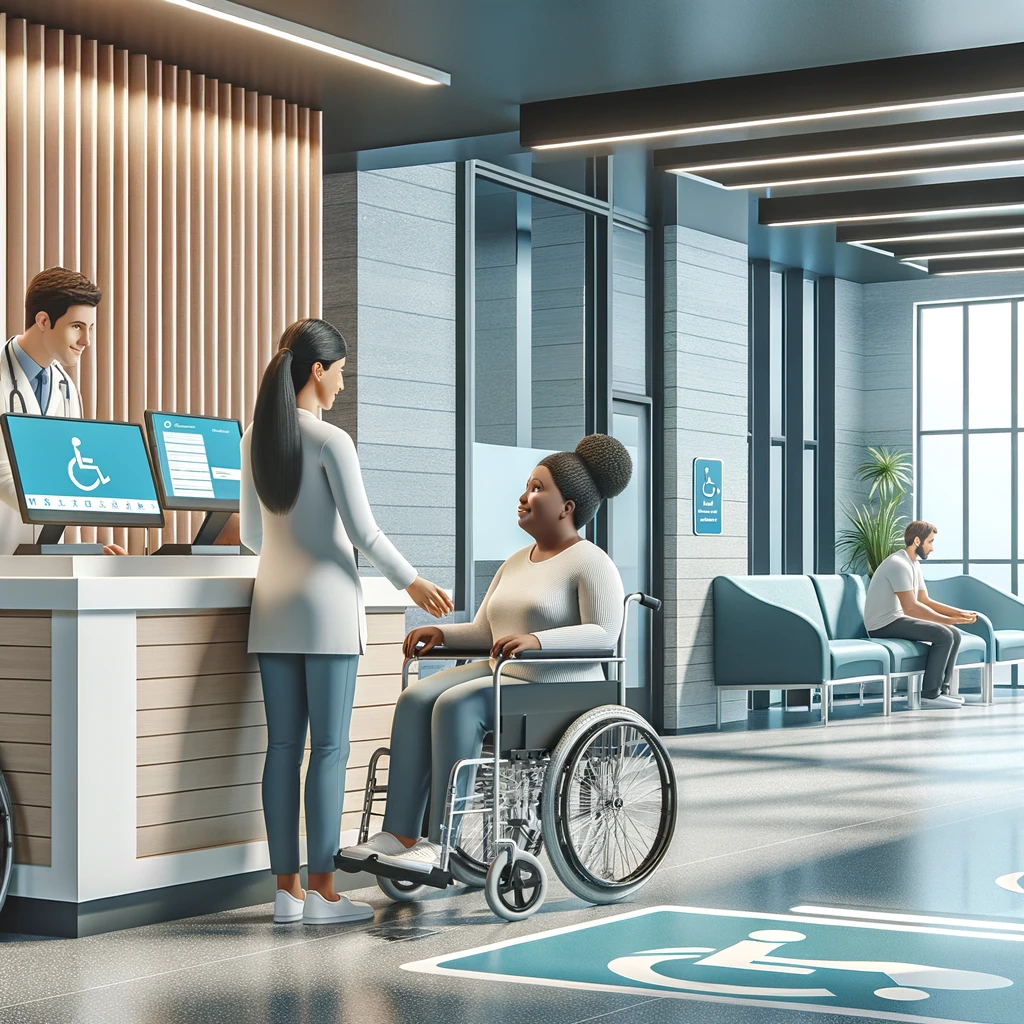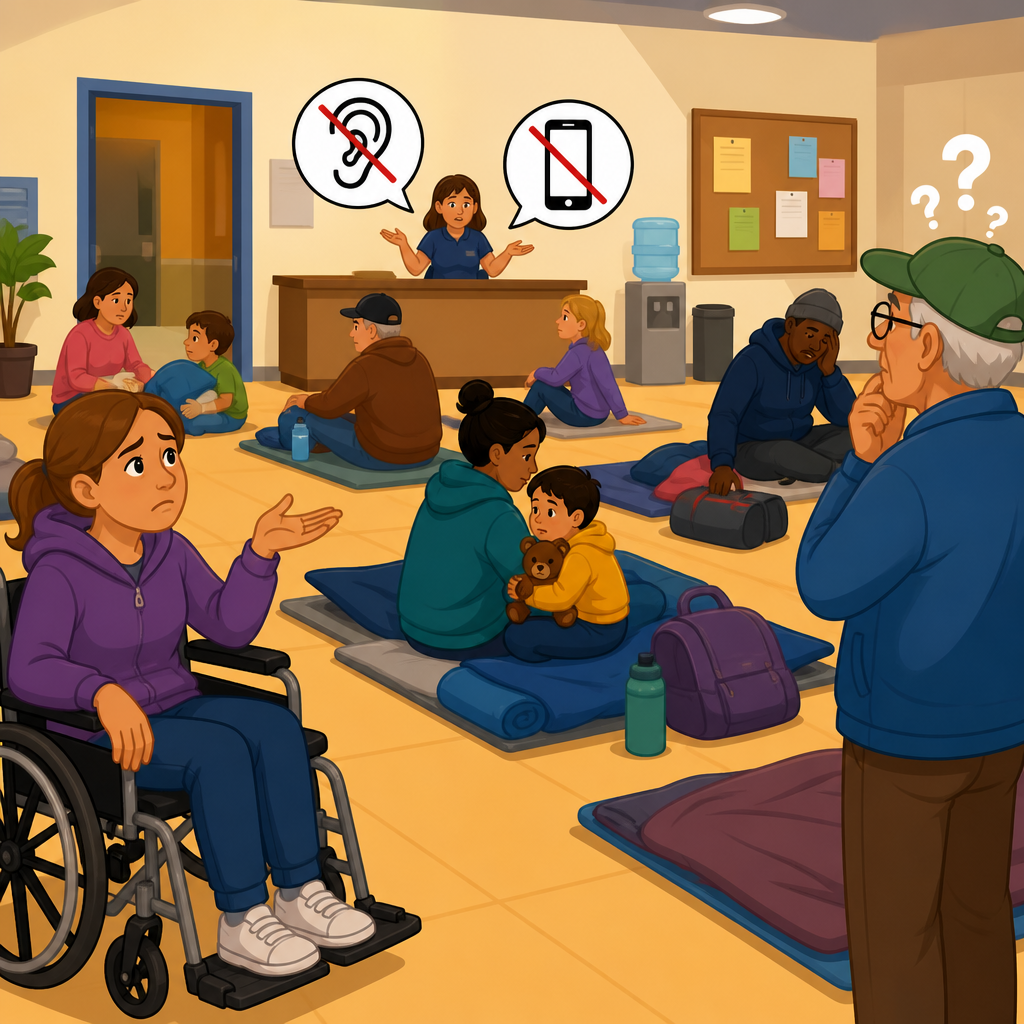
A public shelter lacks accessible cots and communication tools when it is not prepared to serve disabled people safely, equally, and with dignity during emergencies. In practice, that means someone who uses a wheelchair may arrive and find only low floor mats, someone with limited mobility may be unable to transfer onto a standard cot, and a Deaf resident may receive critical instructions only through spoken announcements. I have seen this pattern repeatedly in emergency planning reviews: the shelter opens on time, staff are committed, yet the setup assumes every guest can climb, hear, read standard print, and communicate verbally. That gap turns a temporary refuge into a site of exclusion. For a rights and protections discussion, this is not a minor operational issue. It is a case study that shows how accessibility failures happen, what laws and standards usually apply, and how agencies can correct them before harm occurs.
This hub article explains rights in action through the concrete example of inaccessible shelter equipment and communication systems. Key terms matter. Accessible cots are cots with features such as appropriate height, stability, transfer space, and support for people with mobility limitations. Communication tools include sign language interpreters, captioning, plain-language notices, assistive listening systems, visual alerts, communication boards, and materials in large print, Braille, or digital formats compatible with screen readers. Public shelter usually refers to a government-operated or government-supported emergency shelter, including sites run directly by a city, county, school district, or emergency management contractor. The legal and policy framework often includes the Americans with Disabilities Act, Section 504 of the Rehabilitation Act, state accessibility rules, local emergency operations plans, and guidance from FEMA, the Department of Justice, and the American Red Cross.
Why this issue matters is straightforward: emergencies magnify existing barriers. During a wildfire evacuation, hurricane landfall, winter storm, or urban apartment fire, people cannot wait weeks for accommodation fixes. They need safe sleep surfaces, accessible toileting routes, and understandable instructions immediately. When these are missing, the result can be injury, medical decline, isolation, or refusal to use the shelter at all. This page serves as a hub for rights in action case studies and real-world applications within the broader rights and protections topic. It connects legal principles to field conditions, helps readers identify recurring accessibility failures, and points toward the practical corrections that make public shelter access real rather than theoretical.
What the rights problem looks like in a real shelter
The most common failure is simple to describe: the shelter technically opens to everyone, but essential functions are usable only by nondisabled guests. Staff may direct all arrivals to a registration table set too high for wheelchair users, assign sleeping spots on low cots or mats that cannot be transferred onto safely, and rely on shouted updates over a crowded room. On paper, the shelter is open. In reality, access is unequal. A person with arthritis, spinal cord injury, muscular dystrophy, balance limitations, or post-surgical restrictions may face a choice between an unsafe cot and sleeping upright in a chair. A Deaf guest may miss medication distribution times or evacuation instructions inside the shelter. A blind guest may receive forms with no accessible format and no staff support for effective communication.
I have reviewed after-action reports where these breakdowns were treated as isolated inconveniences instead of systemic barriers. That framing is wrong. If a shelter lacks accessible cots and communication tools, the problem is not personal need; it is program design. Public entities are generally required to provide equal access to services, programs, and activities. Emergency sheltering is one of the clearest examples because the service is fundamental: safety, rest, information, and continuity of care. Equal access does not always mean identical equipment for every person. It means the shelter must offer usable options that provide comparable safety and benefit. If general population guests receive a stable place to sleep and timely instructions, disabled guests must receive the same practical access.
Legal standards and the duty to provide equal access
The core rule is that a public shelter cannot screen out or disadvantage disabled people through avoidable barriers. Under Title II of the ADA, public entities must ensure that programs and services are accessible. Section 504 applies similar obligations to recipients of federal financial assistance. In emergency shelter operations, these duties affect physical access, policies, equipment, and communication. The Department of Justice has repeatedly emphasized that people with disabilities should generally be accommodated in the most integrated setting appropriate, which means they should not be diverted to medical facilities or separate sites simply because the general population shelter failed to prepare. FEMA guidance also stresses inclusive planning, accessible alerts, and functional needs support within general sheltering operations.
Effective communication is a separate and critical legal requirement. Public entities must take appropriate steps to ensure communications with people with disabilities are as effective as communications with others. The method depends on context. A complex medical intake may require a qualified sign language interpreter or real-time captioning, while a basic directional update may be handled through clear writing, pictograms, or a communication board. The standard is results, not convenience for staff. Likewise, equipment choices matter. If standard cots exclude a class of users, the shelter should maintain accessible cots or equivalent sleep solutions that preserve health and safety. The law recognizes reasonableness and operational realities, but emergency conditions do not erase accessibility duties; they make preparedness more important.
How inaccessible cots create safety and discrimination risks
Accessible sleeping arrangements are often overlooked because planners focus first on ramps, parking, and restrooms. Those are essential, but a shelter is also a place where people must rest for hours or days. Standard military-style cots can be too low, too narrow, unstable during transfers, or blocked by crowded layouts that leave no turning space for mobility devices. For someone using a wheelchair, safe transfer usually requires both adequate cot height and clear floor space next to the sleep surface. For an older adult with limited strength, the issue may be edge support and the ability to stand from sitting. When these features are absent, the shelter increases fall risk, pressure injury risk, pain, and caregiver strain.
The discrimination issue appears when planners treat these predictable needs as exceptional. They are not exceptional. FEMA’s guidance on people with disabilities and others with access and functional needs has long recognized durable medical equipment, cots, and personal assistance considerations in congregate sheltering. In practice, agencies should inventory accessible cots in advance, define deployment triggers, and train logistics staff to set them up correctly. A common mistake is storing a few accessible cots at a warehouse without a transport plan or assigning them only after a complaint. By then, harm may already have occurred. Good shelter operations anticipate demand, especially in jurisdictions with older populations, veterans, and residents of assisted living settings evacuating into the community.
Why communication tools are not optional during shelter operations
Communication failures can be more dangerous than equipment failures because they affect every part of shelter life: registration, medication routines, meals, reunification, weather updates, sanitation rules, and discharge planning. A shelter that relies only on speech excludes Deaf and hard of hearing people. A shelter that relies only on printed forms excludes many blind guests, some people with low vision, some individuals with intellectual disabilities, and many people in crisis who need plain language. Communication tools solve this. At minimum, shelters should have visual signage, plain-language scripts, large-print forms, whiteboards, pictograms, and a process for obtaining interpreters and captioning quickly. Technology also helps, including video remote interpreting where appropriate, accessible mass texting, and tablet-based communication apps.
However, tools are only useful if staff know when and how to deploy them. I have seen shelters purchase assistive listening devices that remained boxed because no one understood battery checks, sanitation procedures, or who was responsible for distribution. The same happens with communication boards and multilingual emergency notices. Training must cover the difference between translation and accessibility, the limits of using family members as interpreters, and the need to confirm understanding rather than assume it. In a noisy gymnasium, even people without diagnosed hearing loss can struggle to follow oral announcements. Redundant communication helps everyone. That is why strong shelter communication plans use multiple channels at once: spoken notice, visual display, written summary, staff circulation, and one-to-one clarification when needed.
Common failure points and practical corrections
Most shelter accessibility failures trace back to planning gaps rather than bad intent. The pattern is consistent across jurisdictions, which makes correction possible if leaders are willing to audit operations honestly.
| Failure point | Real-world impact | Practical correction |
|---|---|---|
| No accessible cots on site | Guests sleep in chairs or risk falls during transfers | Pre-position accessible cots, document vendors, and include transport in logistics plans |
| Announcements made only by voice | Deaf or hard of hearing guests miss critical instructions | Use captioned screens, whiteboards, text alerts, and interpreter access protocols |
| Forms only in standard print | Blind and low-vision guests cannot register independently | Provide digital accessible forms, large print, staff reading support, and Braille where feasible |
| Cot layout too tight for wheelchairs | Guests cannot turn, transfer, or reach mobility devices safely | Reserve wider aisles and side transfer space in floor plans before opening |
| Staff unsure about accommodation requests | Delays, inconsistent decisions, and unnecessary conflict | Use scripted escalation steps, job aids, and disability integration training |
These corrections are achievable. They do require procurement, contracts, drills, and accountability. An emergency manager should know how many accessible cots the jurisdiction can deploy within two hours, who authorizes interpreter services after hours, which registration forms meet digital accessibility standards, and how staff will communicate overnight emergencies to people who are asleep and cannot hear an alarm. Those are operational questions, not abstract policy debates. They should be answered in advance and tested during exercises.
Case study lessons for the broader rights and protections hub
This topic is a useful hub because it connects to many other rights in action articles. The shelter cot problem intersects with evacuation rights, accessible transportation, service animal access, durable medical equipment continuity, language access, and complaint enforcement. The communication tool problem connects directly to effective communication in hospitals, courts, schools, voting sites, and police encounters. In each setting, the core rights question is the same: does the institution provide meaningful access, or does it place the burden on the individual to overcome structural barriers alone? Shelter case studies make the answer visible because consequences unfold quickly and publicly.
Readers using this page as a sub-pillar hub should treat shelter accessibility as both a standalone issue and a gateway topic. If a jurisdiction cannot provide accessible cots and communication tools in a temporary shelter, it may also lack accessible intake systems, medication refrigeration protocols, personal care support coordination, and reentry planning after the incident. Conversely, when a shelter gets these basics right, that often signals broader disability inclusion maturity: updated annexes in the emergency operations plan, mutual aid agreements, procurement standards, community advisory input, and trained disability integration staff. Real-world rights protection is built through these systems. Review your local shelter plans, ask how accessible sleeping and communication will be provided, and press for concrete answers before the next emergency.
Frequently Asked Questions
What does it mean when a public shelter lacks accessible cots and communication tools?
It means the shelter is not fully prepared to serve disabled people safely, equally, and with dignity during an emergency. Accessible cots are not just standard sleeping surfaces. They include options that work for people who cannot safely get down to a floor mat, cannot transfer onto a narrow or low cot, or need a stable sleeping arrangement because of mobility, balance, pain, or medical needs. If a shelter only offers floor mats or one-size-fits-all cots, many residents with disabilities may be excluded from basic shelter access in practice, even if they are technically allowed into the building.
Communication tools are equally important. In an emergency shelter, people must be able to receive instructions about registration, meals, medication storage, weather updates, evacuation changes, safety procedures, and available services. If announcements are made only over a loudspeaker, Deaf or hard of hearing residents may miss critical information. If written materials are too small, too complex, or not available in alternative formats, blind residents, people with low vision, and individuals with cognitive disabilities may also be left out. A shelter that lacks accessible communication tools is not simply inconvenient. It can create serious health and safety risks.
In short, this problem reflects a failure in planning, equipment, and operations. A shelter may appear open to the public, but if disabled residents cannot sleep safely, move around effectively, or understand essential instructions, access is not equal. True emergency readiness requires both physical accessibility and communication accessibility from the start, not as an afterthought.
Why are accessible cots so important in an emergency shelter?
Accessible cots matter because sleeping arrangements directly affect safety, health, and a person’s ability to remain in the shelter. Many disabled people cannot use floor mats at all. A wheelchair user may be unable to transfer safely to a mat on the ground. A person with arthritis, a spinal condition, muscular weakness, balance limitations, or recent surgery may face severe pain or injury trying to get up and down from the floor. Even a standard cot may be too low, too narrow, or too unstable for someone who needs a firmer, higher, or more supportive surface.
When shelters fail to provide accessible sleeping options, people may be forced into dangerous choices. They may attempt an unsafe transfer, go without adequate rest, worsen an existing medical condition, or leave the shelter entirely. For some, that can mean returning to a hazardous situation simply because the shelter is not usable. This is why accessible cots should be treated as essential shelter equipment, not as a special accommodation to be improvised after someone arrives.
Accessible cot planning should consider height, stability, transfer space, and proximity to accessible routes and restrooms. Staff should also know how to assign these cots promptly and respectfully, without making residents repeatedly explain or defend their needs. The goal is simple: if a person can enter the shelter, they should also be able to sleep there safely and with dignity. That standard is basic emergency access, not an added benefit.
How do communication barriers affect disabled residents in a public shelter?
Communication barriers can place disabled residents at immediate risk because shelters depend on fast, clear information sharing. Critical updates may include intake procedures, medication access, meal service times, quiet hours, storm warnings, relocation orders, sanitation instructions, and emergency medical protocols. If that information is delivered in only one format, many people may not receive it. A Deaf resident may miss spoken announcements. A blind resident may not be able to read a printed notice posted on a wall. A person with limited English proficiency and a disability may face compounded barriers if materials are not plain, accessible, and available in multiple formats.
These barriers do more than create confusion. They can prevent people from accessing food, healthcare support, charging stations for medical devices, transportation updates, or safety instructions during rapidly changing conditions. Communication failures can also increase anxiety and isolation, especially during disasters when residents are already under stress. People should not have to depend on strangers nearby to interpret basic shelter instructions for them.
Effective communication in shelters usually requires multiple methods at once. That can include written announcements, visual display boards, captioned video content, qualified interpreters when needed, assistive listening systems, large-print materials, plain-language handouts, and staff trained to communicate clearly and respectfully. The key principle is redundancy: important information should be available in more than one form so residents with different disabilities can access it at the same time as everyone else. Equal access to information is a core part of equal access to shelter.
What should a public shelter do to become more accessible for people with disabilities?
A public shelter should plan for accessibility before an emergency happens, not wait until people arrive with urgent needs. That starts with assessing the facility itself: entrances, routes, restrooms, sleeping areas, registration tables, dining spaces, service animal relief areas, and charging access for medical equipment all need to be reviewed for usability. The shelter should also maintain an inventory of accessible cots, durable seating options, backup communication tools, signage, and other supplies that support residents with a range of disabilities.
Operational planning is just as important as equipment. Staff and volunteers should be trained on disability access, respectful interaction, transfer safety, effective communication, and how to respond when someone requests an accommodation. Intake procedures should identify needs without being intrusive, and there should be a clear process for assigning accessible cots and communication supports quickly. Shelters should also coordinate with disability organizations, interpreters, transportation partners, and emergency management teams in advance so support systems are in place when needed.
Communication planning should include multiple accessible formats from the beginning. Shelters should not rely solely on spoken announcements or handwritten signs. Important information should be distributed visually, verbally, and in accessible written formats, with additional supports available when necessary. Drills and emergency planning reviews should test whether disabled residents could realistically navigate the entire shelter experience, from arrival and registration to sleeping, receiving updates, and leaving safely. Real accessibility means the shelter works in practice, not just on paper.
What rights do disabled people have if a shelter is not accessible during an emergency?
Disabled people generally have the right to access public emergency shelters on an equal basis with others. When a shelter is operated by a public entity or through publicly funded emergency response systems, accessibility is not optional. People with disabilities should not be denied meaningful access because the shelter failed to provide usable sleeping arrangements, effective communication, accessible routes, or reasonable modifications to standard procedures. In practical terms, a shelter cannot claim to serve everyone while offering conditions that disabled residents cannot safely use.
Equal access includes more than being allowed through the door. It means being able to participate in shelter services, receive important information, use sleeping and restroom facilities, and remain safe during the emergency. If a Deaf resident cannot receive updates, or a mobility-impaired resident has no usable place to sleep, that may indicate a serious accessibility failure. Shelters are expected to anticipate common disability-related needs as part of emergency planning, not treat them as rare exceptions.
If a person encounters these barriers, documentation can help. That may include noting what equipment was unavailable, what instructions were inaccessible, when staff were notified, and how the barrier affected health or safety. Concerns can often be raised with shelter management, local emergency management offices, disability rights organizations, legal aid providers, or government civil rights enforcement agencies, depending on the situation. The broader point is important: accessibility in emergencies is a civil rights issue as well as a public safety issue. Disabled people have the right to emergency shelter that protects life and dignity equally.