Tourism forms a vital part of the global economy, not only contributing to financial growth but also acting as a bridge for cultural exchange and understanding between nations. However, a fundamental challenge that the industry continuously faces is accessibility. Accessibility in tourism means creating a welcoming environment for everyone, including people with disabilities, older individuals, and families with small children. It extends to all aspects of travel, including transportation, accommodation, attractions, and communication. An accessible tourism industry fosters inclusivity, enabling individuals of varying physical or cognitive abilities to participate equally in travel experiences. This matters greatly because access to tourism should be a fundamental right, not a privilege. As the world becomes more aware of inclusivity, several international efforts aim to make tourism more accessible, ensuring that travel is available to all, irrespective of their abilities. In this article, we will explore these endeavors, delving into specific strategies and initiatives that are shaping a more inclusive future for global tourism.
Global Policy Frameworks Supporting Accessible Tourism
A major step towards achieving accessible tourism globally involves setting coherent policy frameworks that guide countries in implementing inclusive practices. The United Nations World Tourism Organization (UNWTO) and other bodies have spearheaded initiatives to emphasize accessibility as a priority within tourism strategies. For instance, the UNWTO released its Global Code of Ethics for Tourism, which underscores the need for tourism that respects the rights of all and is accessible to everyone. This framework aligns with the broader principles of the United Nations Convention on the Rights of Persons with Disabilities (CRPD).
The CRPD advances the rights and freedom of persons with disabilities, advocating for equal participation in various societal aspects, including tourism. By aligning policies with international conventions like the CRPD, many countries have started embedding more inclusive practices into their national tourism plans. Countries that have adopted these policies see improved accessibility, leading to increased demand from previously excluded tourist groups.
Pioneering Practices in Accessible Infrastructure
Creating accessible infrastructure is a tangible step that countries and cities worldwide have taken to cater to the needs of every traveler. Accessibility in infrastructure spans transportation networks, accommodations, and tourist attractions. A noteworthy example is Germany, recognized for its commitment to inclusive travel. Germany’s “Germany Travel for All” initiative ensures that information about accessibility is available to tourists right from the planning stage.
Through comprehensive audits and clear signage, Germany has set a high bar for accessible tourism practices. It has made its public transportation system, hotels, and tourist attractions, such as museums and historical sites, accessible to all visitors. These advancements demonstrate how infrastructural changes significantly contribute to making tourism more inclusive.
Technological Innovations Enhancing Inclusivity
Technology has been a game-changer in making tourism accessible. From apps that assist in navigation to virtual reality experiences for those unable to travel physically, technology offers innovative solutions to accessibility challenges. A prime example is Wheelmap, a mobile and desktop application developed in Germany. Wheelmap allows users to identify wheelchair-accessible locations across the globe using a crowd-sourcing approach.
Similarly, the development of virtual tours and augmented reality in museum exhibits provides sensory enhancements, making attractions accessible to people with various disabilities. For example, immersive virtual reality tours enable individuals who may have mobility restrictions to ‘visit’ locations around the world from their own homes. These technological innovations contribute to creating a more inclusive travel experience.
Collaborative International Partnerships
Collaboration between countries, organizations, and tourism operators is vital in promoting inclusive tourism. Partnerships at international levels drive progress by pooling resources and sharing best practices. One significant collaboration is the European Network for Accessible Tourism (ENAT), which connects public authorities, tourism operators, and destinations with a common goal of improving accessibility.
ENAT provides training, workshops, and resources to help members develop their accessibility strategies. By fostering these networks, ENAT helps spread knowledge and innovations across borders, encouraging a ripple effect where countries inspire each other to improve accessibility in tourism. These collaborative efforts embody a powerful force for creating a universally accessible tourism landscape.
Community-Based Initiatives for Local Impact
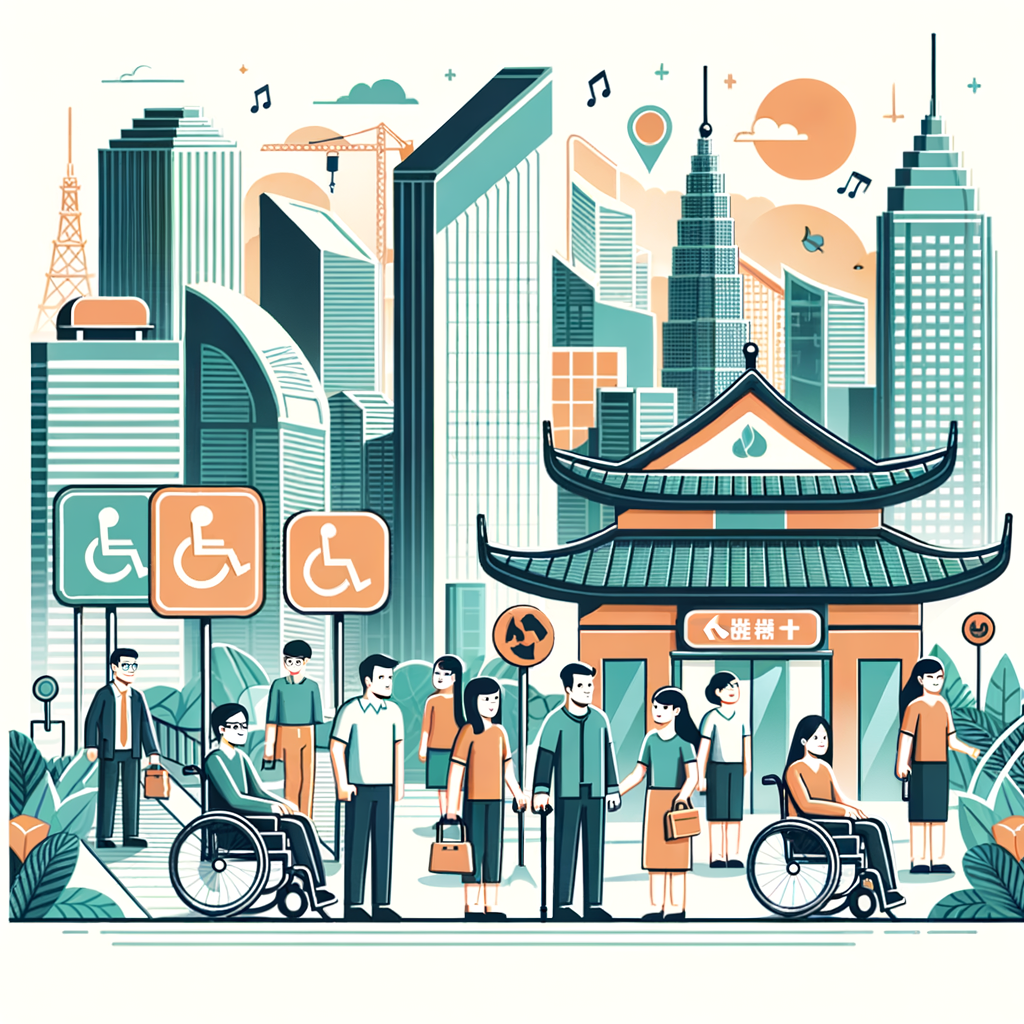
While global frameworks and international partnerships are invaluable, local and community-based initiatives are equally crucial. Community-driven projects often showcase innovative solutions directly addressing unique local accessibility challenges. An inspiring example comes from Japan, where local communities, in collaboration with government agencies, introduced the “Barrier-Free Tourism Promotion” initiative.
In this program, local businesses actively work towards removing physical and social barriers in their environments. Through workshops and local engagement, the initiative promotes awareness and understanding, fostering a culture of inclusivity within smaller communities. By creating an example at the grassroots level, such initiatives show that change begins locally and proves that accessible tourism can thrive anywhere with the collective will of a community.
| Aspect | Description |
|---|---|
| Policy Frameworks | Global codes and conventions for accessible tourism. |
| Infrastructure | Making transport, accommodations, and tourist sites accessible. |
| Technology | Leveraging digital tools for enhanced accessibility. |
| Partnerships | Collaborating globally to share best practices. |
| Community Initiatives | Local efforts to create inclusive tourism environments. |
Education and Training: Building Awareness
Educating tourism professionals and the public about accessibility is crucial for fostering an inclusive environment. Training initiatives ensure that stakeholders within the tourism sector understand the importance of accessibility and can implement appropriate measures to accommodate diverse needs. For instance, Visit England, responsible for promoting tourism in England, offers training courses on inclusive tourism to help businesses and professionals deliver accessible services.
These courses emphasize the importance of thinking inclusively from the outset when designing services and products. Outcomes of such initiatives include not only increased customer satisfaction and loyalty among tourists with disabilities but also an expanding market previously underserved. Education and training are therefore instrumental in establishing long-term sustainable change towards accessible tourism worldwide.
Legislation and Compliance: Driving Standards
Laws and regulations play a pivotal role in ensuring accessibility in tourism. The implementation and enforcement of legislation that mandates accessibility standards reinforce inclusivity in tourism. The United States, for example, enforces the Americans with Disabilities Act (ADA), a civil rights law that prohibits discrimination against individuals with disabilities in all aspects of public life, including travel and tourism.
This comprehensive legislation has inspired change in many countries, setting an example for global standards in accessible tourism. Ensuring compliance with such laws requires continuous monitoring and review, but ultimately it offers legal backing to demands for inclusivity. As more nations introduce similar legislative frameworks, the movement towards globally accessible tourism gains momentum.
Conclusion: Towards a More Inclusive Future
In recapping the significant strides made worldwide in promoting accessible tourism, it is vital to acknowledge the multifaceted approaches in play. From international policy frameworks and infrastructural upgrades to technological innovations and community-driven initiatives, the concerted efforts to create an inclusive tourism landscape are commendable. Each approach holds a piece of the puzzle, collectively driving the world toward a more inclusive future where travel opportunities arise for everyone.
Recognizing these advancements is important, but the journey does not end here. As awareness grows and practices evolve, stakeholders must continue to push for more inclusive policies, technologies, and training programs. By unifying efforts across governmental, commercial, and community lines, a shared vision of globally accessible tourism can be realized. For those engaged in the travel and tourism industry, the next step is to assess current practices and seek areas for improvement, ensuring that accessibility is an integral part of future planning and development.
Tourism belongs to all people, and the path towards accessibility is not just a professional obligation but also a moral imperative. Let this serve as a call-to-action for governments, organizations, and individuals to find ways to contribute towards making the travel industry more inclusive and welcoming for everyone.
Frequently Asked Questions
1. What is the importance of making tourism more accessible?
Accessibility in tourism is incredibly important, both for ensuring social equality and boosting the economy. Tourism is not just about seeing new places; it’s a gateway for cultural exchange and understanding, which is crucial in our globalized world. By making tourism more accessible, we open up travel experiences to all individuals, including those with disabilities, older adults, and families with young children. An accessible tourism industry ensures that everyone, regardless of their physical capabilities or age, can enjoy, learn, and gain the benefits of travel. This inclusivity also taps into a larger market of potential travelers, significantly contributing to economic growth. Furthermore, it promotes a positive global image, showing that an area is welcoming and considerate of all people. Initiatives to improve accessibility address diverse needs across the travel spectrum, from transportation and accommodation to attractions and information access. Therefore, making tourism more accessible isn’t just about compliance with regulations; it’s about embracing the diversity and potential of every traveler.
2. What international efforts are currently in place to improve tourism accessibility?
There are several international efforts and collaborations focused on promoting and enhancing accessibility in tourism. These initiatives are often spearheaded by organizations like The United Nations World Tourism Organization (UNWTO) and other bodies dedicated to tourism and development. UNWTO, for example, provides global standards, guidelines, and best practice examples. They work with member states to create policies and strategies that enhance accessibility in all areas of tourism. The European Network for Accessible Tourism (ENAT) is another notable organization working within Europe to share knowledge and promote accessible tourism. There are also various country-specific initiatives, where governments partner with local businesses and NGOs to improve infrastructure and services in line with accessibility standards. Additionally, digital platforms and technologies have been extensively used to offer virtual tours, apps, and services that aid people with disabilities during their travels, providing critical information about accessibility features of destinations. Collectively, these efforts seek to eliminate physical and psychological barriers in tourism, fostering inclusivity for all travelers.
3. How do hotels and accommodations adapt to become more accessible?
Hotels and accommodations play a crucial role in making tourism more accessible, as these are core components of any travel experience. Many international hotel chains have started implementing comprehensive accessibility measures. This includes providing rooms with features such as step-free paths of travel, wider doorways, grab bars in bathrooms, and lower bed heights to accommodate wheelchair users. Elevators with braille or audible information systems are also commonly implemented for visually impaired guests. In terms of service, training staff to understand and assist with the needs of disabled guests is essential. This includes providing information clearly and being prepared to meet specific needs upon request. Technologically, some hotels offer devices such as visual alert systems for guests who are deaf or hard of hearing. Furthermore, reservation websites now frequently include information on the accessibility features offered by properties, allowing guests to make informed decisions before booking. These adaptations not only improve the customer experience for disabled travelers but also demonstrate an establishment’s commitment to inclusivity and respect.
4. What are some challenges faced in making tourism more accessible globally?
Globally, there are several challenges in the mission to make tourism more accessible. Firstly, there is a lack of uniform regulations and standards across different countries, which can lead to inconsistent levels of accessibility. This disparity is often due to varying levels of infrastructure, resources, and awareness in different regions. Funding and investment also represent significant hurdles, particularly in developing countries where resources may be scarce, leading to resistance among stakeholders to prioritize accessibility changes. Another challenge is the training and sensitization of staff across the tourism sector, as not all tourism-related service providers are aware of or trained in accessibility requirements. Furthermore, there can be a cultural challenge, where attitudes and perceptions about individuals with disabilities need to shift towards more acceptance and understanding. Overcoming these obstacles requires strong international cooperation, policy development, education, and an investment mindset that sees accessibility as a value-adding aspect of the tourism industry rather than merely a legal or moral obligation.
5. How does accessible transportation impact tourism for individuals with disabilities?
Accessible transportation is a linchpin in the travel experience of individuals with disabilities, acting as a gateway to all facets of tourism. Accessible public transport systems, like buses, trains, and subways equipped with ramps, seating accommodations, and audio announcements, can vastly improve the mobility and independence of travelers with disabilities. This also includes airports and airlines that provide assistance from specially trained staff, priority boarding, and amenities such as onboard wheelchair access when necessary. Accessible taxis and rented vehicles fitted with required modifications make local travel smoother and more convenient. These transport services, when fully accessible, empower individuals with disabilities to explore different parts of a city or country without facing physical barriers or discomfort. Consequently, this accessibility can lead to increased confidence in travelers with disabilities, promoting inclusivity and enjoyment across their travel experiences. The positive ripple effects extend economically as well, as more accessible transportation systems encourage broader tourism participation, contributing to economic sustainability and growth within regions.