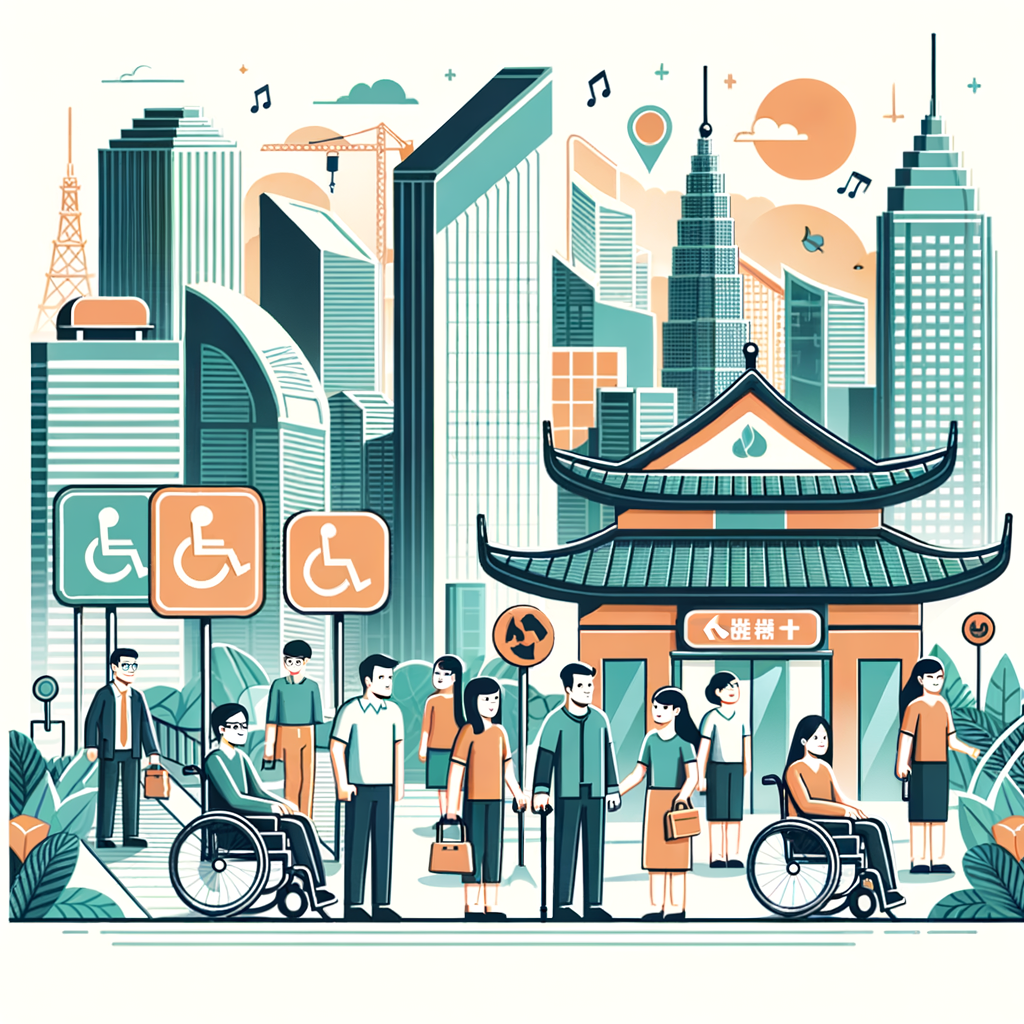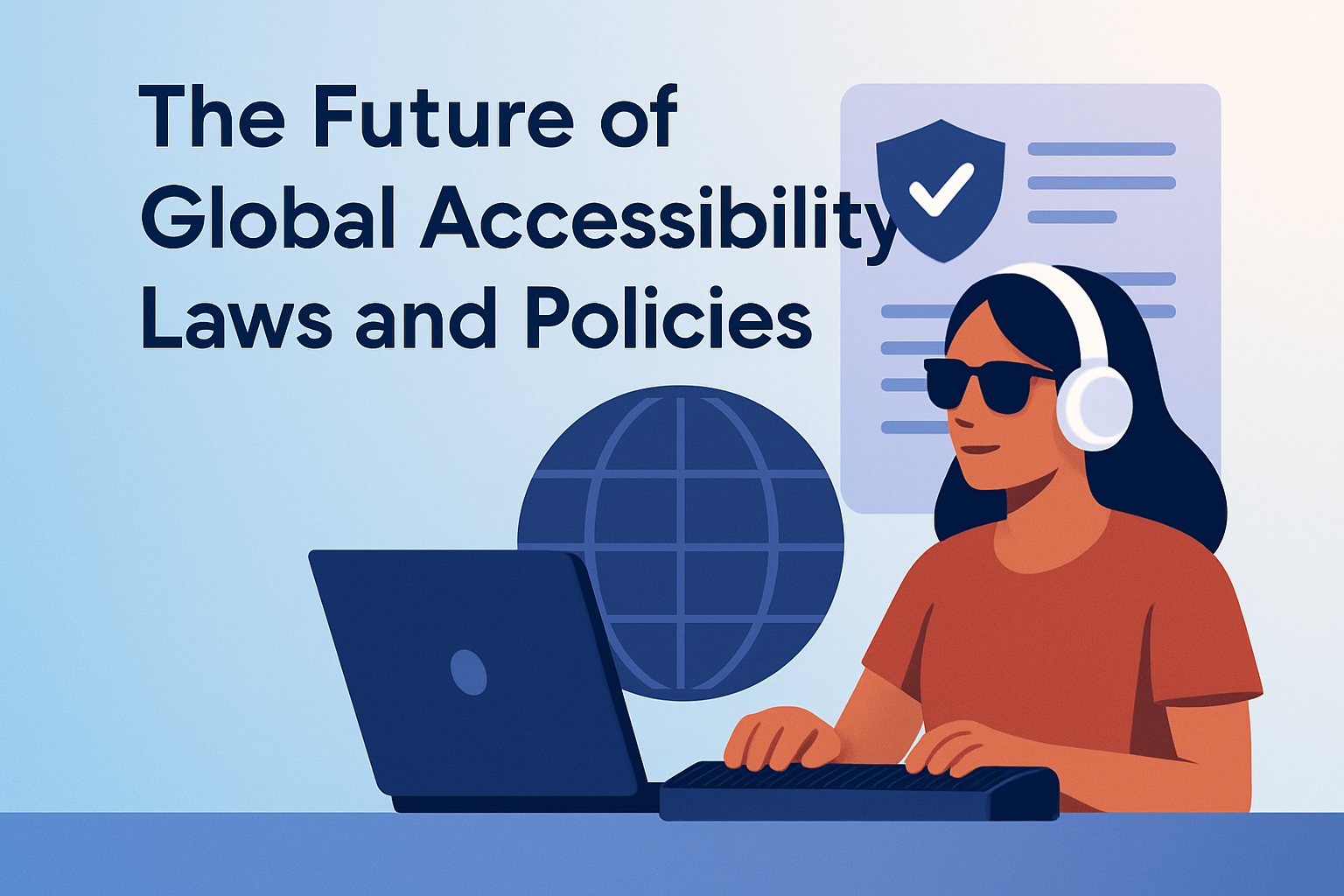
In today’s interconnected world, the importance of accessibility cannot be overstated. Accessibility ensures that individuals with disabilities have equal access to information, services, and opportunities that others enjoy. By designing products, services, and environments with accessibility in mind, we create a more inclusive society that values and empowers all its members. This holds particular significance when considering the vast global variation in accessibility laws and policies. As technology continues to evolve rapidly, so too must the frameworks that govern accessibility to ensure they are adequate and effective. The future of global accessibility laws and policies will likely involve increased harmonization, innovative technological solutions, and an emphasis on inclusivity as a fundamental human right.
For societies to progress towards true inclusivity, it is crucial to understand the current state of accessibility regulations and how they might evolve. This exploration includes defining key terms such as accessibility, disability, and inclusivity, and understanding why these concepts matter in today’s global landscape. With approximately 15% of the world’s population living with some form of disability, it is imperative that creators and enforcers of laws recognize and address their diverse needs effectively.
Focusing on accessibility not only benefits those with disabilities but also enhances the overall user experience for everyone. Broader sidewalks benefit both wheelchair users and travelers with strollers or luggage. Websites and apps designed with universal design principles help older adults and those with temporary impairments. Hence, accessibility is integral to the daily lives of all people and its policies shape the participation and contribution of every member of society.
Evolvement and Standardization of Accessibility Laws
Historically, accessibility laws have varied significantly across regions, resulting in a fragmented approach to inclusivity. Countries often implement their own standards for accessibility, making it challenging for global businesses to comply with multiple regulations. However, there is a growing trend towards standardization and international collaboration.
The United Nations Convention on the Rights of Persons with Disabilities (CRPD) plays a pivotal role in this global effort. Adopted by over 180 countries, the CRPD establishes clear standards for the rights of persons with disabilities and obligates participating countries to adopt respective measures. Using the CRPD as a framework allows for a more streamlined and cohesive effort towards accessibility worldwide.
An example of successful standardization occurs within the European Union, where the European Accessibility Act (EAA) provides a comprehensive legal framework. It mandates that key products and services, such as banking services, electronic communications, and public transportation, meet uniform accessibility requirements across all member states. As a result, the EAA helps eliminate barriers for individuals with disabilities while facilitating business compliance. Thus, similar standardizations could be pivotal for accessibility laws globally in the future.
Technological Advancements Enhancing Accessibility
Advancements in technology continuously reshape the landscape of accessibility, providing innovative solutions that extend beyond traditional means. Assistive technologies such as screen readers, voice recognition software, and mobility aids are evolving and transforming to become more intuitive and effective.
Artificial intelligence (AI) and machine learning represent a promising avenue for enhancing accessibility. AI can help improve computer-generated captions for videos in various languages, making digital media more accessible to the hearing impaired. Similarly, machine learning algorithms can recognize and describe visual content for blind users, enhancing their engagement with digital environments.
Moreover, technology companies are beginning to integrate accessibility features directly into devices and platforms. Apple’s VoiceOver screen reader and Google’s Live Transcribe and Sound Amplifier apps highlight how tech giants are committing themselves to inclusivity. These developments show the critical importance of maintaining a dialogue between policymakers and tech developers in advancing accessibility initiatives.
| Technology | Benefit |
|---|---|
| Screen Readers | Convert text to speech, aiding visually impaired individuals in accessing written content. |
| Voice Recognition | Allows users with limited mobility to navigate and command devices using voice. |
| AI-Powered Captions | Provide real-time captions for audio content, enhancing accessibility for the deaf. |
Challenges and Barriers to Accessibility Policies
While some regions make strides in standardizing and advancing accessibility legislation, others face significant hurdles. Cultural perceptions, economic limitations, and political factors can impede the development and implementation of accessibility laws.
For example, in many developing countries, the priority remains on crucial infrastructure development, sometimes leaving accessibility as an afterthought. Limited resources, lack of adequate technology, and insufficient awareness may prevent authorities from prioritizing accessibility effectively. These factors underscore the need for international support and knowledge sharing to uplift accessibility standards universally.
Despite these challenges, progress can be seen in various global initiatives aiming to bridge the gap. Notable efforts include non-governmental organizations and international partnerships that work to provide training, resources, and expertise in countries lagging behind. However, ensuring sustainable advancement means encouraging political will, fostering public awareness, and advocating for accessibility as a human right both at home and abroad.
Inclusive Design as a Guiding Principle
Inclusive design plays a vital role in the future of accessibility laws and policies. It represents a design philosophy where products and environments are accessible and usable by as many people as possible, regardless of their abilities. This approach recognizes the diverse needs of individuals and embraces a broader view of accessibility.
One real-world example of inclusive design is the development of OXO Good Grips kitchen tools. Designed with ergonomic handles and considerations for individuals with limited dexterity, these tools benefit all users, demonstrating how inclusive design can lead to both functional and aesthetically pleasing products.
In policy-making, embracing inclusive design philosophy translates to recognizing accessibility not as a retroactive feature but as an integral component from the outset. This perspective requires a shift in mindset among developers, designers, and policymakers, pushing accessibility to the forefront of the design process. An inclusive mindset in legislation could serve as a catalyst for innovative solutions that transcend traditional boundaries of accessibility.
Future Directions and Opportunities
As we look towards the future, evolving global accessibility laws present both challenges and opportunities for creating a truly inclusive society. An essential step forward is further harmonizing international legal frameworks to facilitate a consistent standard of accessibility worldwide.
Additionally, there is an opportunity to leverage advancements in technology to proactively address accessibility needs. Collaborations between the tech industry, governments, and advocacy groups could foster innovative strategies and tools that prioritize accessibility from the ground up.
A further direction is emphasizing education and awareness to reduce stigma and misconceptions associated with disabilities. Empowering communities to understand and appreciate the value of inclusivity can inspire more inclusive practices, whether through policy advocacy or business initiatives.
Key Takeaways and Next Steps for Advocating Accessibility
In reflecting on the future of global accessibility laws and policies, there are several key takeaways. Firstly, standardizing and harmonizing international laws are crucial steps towards universally recognized accessibility standards. Secondly, technology offers immense potential to enhance accessibility, but it requires collaboration between stakeholders to harness its full benefits.
Thirdly, overcoming challenges in certain regions necessitates international support and collaboration. The entire global community bears responsibility for ensuring equal access and opportunity regardless of geographical boundaries.
To the readers, the future of accessibility is a journey towards greater inclusivity and understanding. Take a leap forward by advocating for and adopting inclusive practices, whether in industry or personal conduct, to contribute toward a more accessible world. Engaging with policy discussions, supporting initiatives that promote inclusivity, and further educating yourself and others on accessibility issues can be significant steps toward a more equitable society.
The time to act is now. Let’s work together to shape a future where accessibility is ingrained in every aspect of life, fostering inclusion, opportunity, and empowerment for all.
Frequently Asked Questions
1. What are global accessibility laws and policies?
Global accessibility laws and policies are frameworks established by countries to ensure that individuals with disabilities have the same access to spaces, information, and opportunities as those without disabilities. These laws cover a wide range of sectors, including technology, healthcare, transportation, and education. The goal is to remove barriers and create environments where everyone can participate fully in society. Different countries adopt varied approaches to accessibility, reflecting diverse cultural, economic, and legal contexts. For instance, the ADA in the United States sets specific guidelines for designing public spaces, whereas the European Accessibility Act aims to harmonize standards across EU member states. The key is fostering inclusivity on a global scale, benefiting people with disabilities worldwide.
2. How might technology influence the future of accessibility?
The rapid advancement of technology holds significant potential for enhancing accessibility. In the future, we might witness the integration of more intuitive assistive technologies powered by AI, such as speech recognition and automated captioning, which could become standard features on digital platforms. Virtual and augmented reality could offer tailored experiences for individuals who may experience traditional settings differently due to physical or sensory disabilities. As Internet of Things (IoT) devices become more prevalent, smart homes and cities could adjust and cater to the needs of individuals with disabilities in real-time. Moreover, remote working technologies, which have been advanced out of necessity during the pandemic, could transform employment landscapes, making workplaces more inclusive. Technology’s role is to create seamless interactions and environments that enhance accessibility, thereby pushing the boundaries of what is possible today.
3. What challenges do countries face when implementing accessibility laws?
Implementing accessibility laws globally comes with several key challenges. One of the most significant is the variation in resources and infrastructure across countries, particularly between developed and developing nations. While wealthier countries might have the financial capacity to update public infrastructures and enforce regulations, others may struggle due to limited budgets. There’s also the challenge of public awareness and education, as achieving compliance often requires a cultural shift in how accessibility is perceived. Another hurdle is maintaining the continuity of the standards as technology and society evolve — ensuring that laws keep pace with advancements to remain relevant is crucial. Ensuring that small and medium enterprises have the capacity and support to implement changes mandated by law is yet another challenge, as they might not have the same resources as larger corporations.
4. How does an inclusive society benefit from accessibility laws?
An inclusive society gains numerous benefits from strong accessibility laws. First and foremost, it ensures that individuals with disabilities can pursue similar education, career, and leisure opportunities as their non-disabled peers, fostering a sense of equality and belonging. Accessibility can also boost the economy, as persons with disabilities, along with their families and friends, represent a significant market that can contribute to economic growth when barriers are removed. By catering to the needs of all citizens, businesses and services can reach a broader audience and enhance their reputation. Socially, inclusion helps break down stereotypes and fosters understanding and collaboration among people from diverse backgrounds and abilities. Such societies are often more innovative, as they encourage adaptability and creative solutions to meet everyone’s needs.
5. What role do international organizations play in shaping global accessibility policies?
International organizations play a pivotal role in the development and promotion of global accessibility policies. Entities such as the United Nations and the World Health Organization offer frameworks and conventions that guide nations in shaping their accessibility laws, often encouraging international cooperation and setting broad standards for member countries to adopt. The United Nations Convention on the Rights of Persons with Disabilities (CRPD) is one such influential instrument, advocating for the protection and promotion of the rights of persons with disabilities globally. These organizations often provide platforms for sharing best practices, conducting research, and fostering dialogue among countries on accessibility issues. By offering certification and consulting services, they help ensure that accessibility principles are consistently applied and improved upon. Additionally, international non-governmental organizations (NGOs) often play an advocacy role, holding governments accountable and ensuring that voices of people with disabilities are heard in policy-making processes.