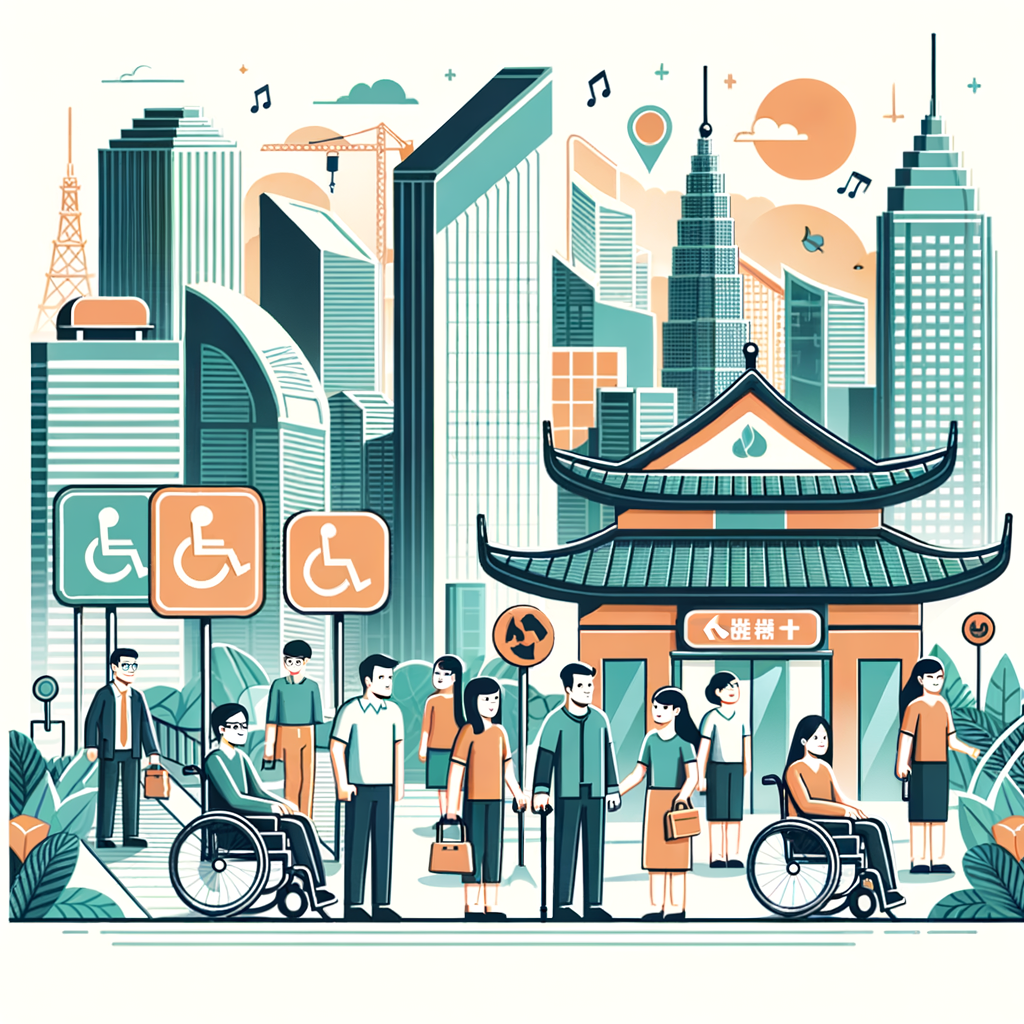
In the rapidly evolving world of urban development, accessibility is a critical concept that’s gaining increased attention. Urban accessibility refers to the ease with which people, regardless of their physical capabilities, can navigate their urban environment. This encompasses everything from public transportation systems to pedestrian pathways, cycling lanes, and even digital access points like public Wi-Fi. In most cities, challenges such as inadequate infrastructure, demographic shifts, and technological hurdles arise, affecting people’s ability to access essential services and engage in the community. Why does this matter? Accessible cities are more equitable, fostering social inclusion and economic growth by allowing people of all backgrounds to participate fully in city life. By examining successful global cities, we can glean valuable insights that can inform more thoughtful urban planning and policy-making.
The Importance of Public Transit Systems
Public transportation systems are the backbone of urban accessibility. Cities like Tokyo offer valuable lessons with their integrated, efficient, and punctual system, transporting millions daily. Tokyo’s network comprises subways, buses, and trains, providing seamless transitions and ensuring that even the most peripheral areas are accessible. Its success lies in meticulous planning and technological integration. Automated ticketing, real-time arrival information, and strategically placed elevators and ramps aid in easy access for everyone, including those with disabilities. In comparison, cities with less developed public transit systems often face challenges of congestion and inaccessibility.
Pedestrian-Friendly Infrastructure
Another critical aspect of urban accessibility is pedestrian-friendly infrastructure. Copenhagen stands as an exemplar in this domain, often celebrated for its pedestrian zones that prioritize foot traffic over vehicular. Streets are designed with wide sidewalks, safe crosswalks, and an abundance of public benches. These design choices, coupled with aesthetic urban spaces and synchronized traffic lights tailored for pedestrian flow, have created a walkable city that supports social interactions, physical health, and reduced carbon emissions. Implementing similar pedestrian-centric designs in other cities can lead to improved accessibility and quality of urban life.
Cycling as a Mode of Accessible Transportation
Cycling infrastructure is another key component for urban accessibility, with cities like Amsterdam illustrating how effective policies can promote and normalize cycling as a primary means of transport. Amsterdam’s extensive network of cycling lanes, dedicated signals, and ample parking facilities make cycling a convenient choice for people of all ages. By integrating cycling paths into city planning and offering incentives like bike-sharing programs, the city has reduced traffic congestion while promoting a healthier lifestyle. Other cities can learn from this model by investing in cycling infrastructure, thus increasing accessibility and benefiting public health.
| City | Focus Area | Benefit |
|---|---|---|
| Tokyo | Public Transit Systems | Efficient, punctual, technology-driven |
| Copenhagen | Pedestrian Infrastructure | Walkability, social engagement |
| Amsterdam | Cycling Infrastructure | Reduced congestion, public health |
Inclusive Urban Design
Inclusive urban design is paramount to achieving comprehensive urban accessibility. Barcelona is renowned for its commitment to social inclusion through urban design. The city has adopted ‘superblocks’—a concept that limits vehicular traffic in certain areas, allowing the streets to transform into community spaces. These areas prioritize pedestrians and cyclists, fostering neighborhood engagement. Beyond these, consistent updates to tactile paving and inclusive building regulations enable those with disabilities or limited mobility to navigate public spaces more effortlessly. Cities looking to improve accessibility should consider adapting such inclusive design principles to enhance community interactions and diversity in urban experiences.
Technological Innovations in Urban Accessibility
The role of technology cannot be underestimated when discussing urban accessibility. Seoul has integrated technology into its accessibility strategy by implementing smart city features. Real-time data gathered from sensors allows the city to manage traffic flow efficiently and provide users with real-time updates about public transportation. Furthermore, initiatives like digital kiosks and free public Wi-Fi zones bridge the digital divide, offering all citizens access to essential information and services. Cities aspiring to enhance accessibility must leverage technology, as it can simplify navigation, improve service delivery, and address the diverse needs of urban populations efficiently.
Policy and Governance in Urban Accessibility
Policies and governance can significantly influence urban accessibility. London is a prime example of effective policy implementation aimed at enhancing urban accessibility. The city’s policies encourage more inclusive public spaces and have set stringent regulations on public transportation to accommodate people with disabilities. Additionally, London incentivizes businesses to make their premises accessible by offering tax breaks and grants. These policy measures are critical, demonstrating that urban accessibility extends beyond infrastructure—it demands comprehensive governance frameworks. Other cities can take a cue by crafting policies that promote inclusivity, ensuring that urban growth does not outpace access for all.
Social Engagement and Community Initiative
Community involvement is a linchpin for successful urban accessibility. New York City provides an excellent model of community-driven accessibility initiatives. Local communities actively participate in neighborhood planning councils, voicing their needs, which has resulted in tailored solutions such as pop-up pedestrian plazas and revitalized public parks. Community-led projects encourage accountability and ensure that urban planning matches local needs. Cities can enhance accessibility by fostering such participatory planning, giving residents a say in how their environments evolve.
Conclusion: Paving the Path to Accessible Cities
In summary, urban accessibility is a multifaceted challenge that requires a well-rounded approach integrating systems, infrastructure, design, technology, policies, and community involvement. Tokyo, Copenhagen, Amsterdam, and others serve as benchmarks demonstrating how various elements can be harmoniously combined to enhance accessibility. The benefits are profound, impacting social equality, economic vitality, health, and general quality of urban life. As our cities continue to grow, ensuring accessibility will be crucial. By learning from these global examples, cities can move forward, crafting environments that truly cater to all. Start actively participating in local urban planning discussions, advocate for more inclusive policies, or simply choose to walk or cycle more frequently—you’re contributing to a more accessible urban environment.
Frequently Asked Questions
1. What is urban accessibility and why is it important?
Urban accessibility is all about making cities usable and reachable for everyone. This includes how easy it is to access public transportation, move around on foot or by bike, and connect to digital services like free public Wi-Fi. Think of it as leveling the playing field so that everyone—from someone using a wheelchair to a parent pushing a stroller—can navigate the city without hassle. It’s important because cities that are accessible can boost social inclusion, foster economic development, and generally improve the quality of life for all residents. It’s not just about physical barriers either; we’re also talking about access to information and services in a way that’s intuitive and uncomplicated.
2. How do global cities like Tokyo or Amsterdam address urban accessibility?
Many global cities have taken innovative steps to make their urban environments more accessible. For instance, Tokyo has an incredibly efficient and punctual public transportation system with multiple ways to navigate stations for those with different mobility needs. Elevators, tactile paving for the visually impaired, and clear signage in multiple languages ensure that the city is accommodating. Amsterdam, renowned for its bike-friendly culture, has an extensive network of dedicated cycling lanes that integrate seamlessly with public transport facilities. They also prioritize pedestrian zones that are designed to be safe and easily navigable. Both cities embrace the latest technologies too, such as contactless payment systems and mobile apps providing real-time travel information to further ease the process of getting around.
3. What are some common challenges cities face in improving urban accessibility?
Different cities face various hurdles when it comes to enhancing accessibility. Often, it starts with outdated infrastructure that’s not designed with modern accessibility standards in mind. Retrofitting older buildings and transportation hubs to meet these needs can be costly and complex. Furthermore, demographic shifts—like a rapidly aging population—can create new demands that existing resources struggle to meet. Sometimes, it’s also a matter of policy and governance, where a lack of coordinated planning and investment can stymie progress. Plus, digital accessibility can be a challenge too, especially in making sure that online municipal services cater to everyone, including those with limited digital literacy or without access to the latest technology.
4. How can technology enhance urban accessibility?
Technology can be a game-changer when it comes to urban accessibility. Smart city technologies, from Wi-Fi-equipped transport vehicles to sensor-based traffic management systems, can make getting around much easier. Mobile applications that provide real-time updates on public transportation delays, availability of elevators and ramps, or proximity to accessible facilities are immensely helpful. Then there’s the aspect of digital inclusion: ensuring that everyone has access to digital tools such as affordable internet and smartphones so they can take advantage of these technologies. Moreover, cities can utilize data analytics to continuously refine and improve accessibility solutions by understanding movement patterns and identifying bottlenecks in the system.
5. What role do communities play in improving urban accessibility?
Communities are instrumental in enhancing urban accessibility. Local residents often have the best insights into persistent barriers and inefficiencies, making grassroots engagement key to identifying solutions tailored to specific needs. Advocacy groups, especially those representing differently-abled individuals, play crucial roles in holding cities accountable and pushing for inclusive policy-making. Communities can also drive innovation through local initiatives, such as neighborhood efforts to improve bike lanes or street safety. Public consultations, town hall meetings, and participatory budgeting approaches can further enhance community buy-in and ensure that the voices of all demographics are heard and considered in planning and implementation. Community-led partnerships with municipal authorities can lead to more dynamic, inclusive, and sustainable urban environments.