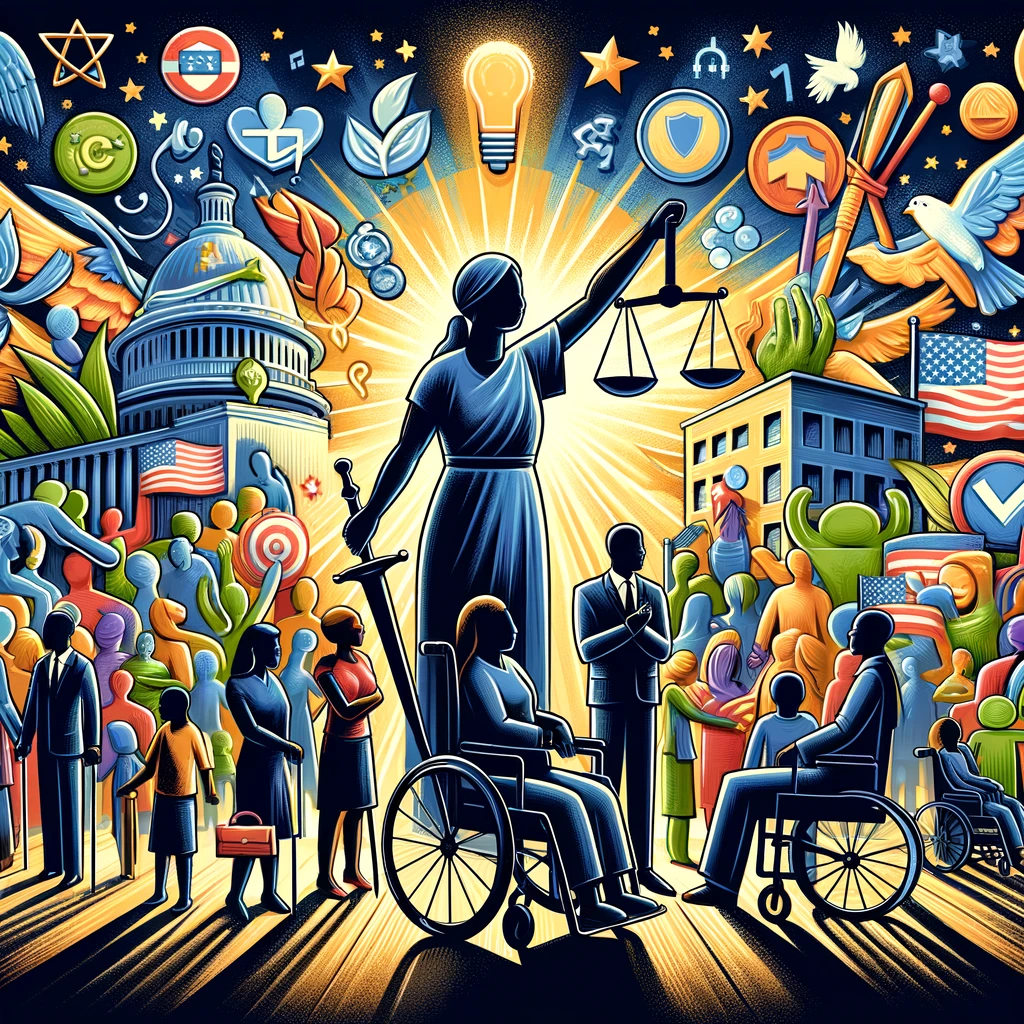
The Americans with Disabilities Act (ADA) of 1990 is a crucial piece of civil rights legislation that aims to prohibit discrimination and ensure equal opportunities for individuals with disabilities. Ensuring compliance with the ADA is particularly important in community events and gatherings. These occasions are meant to be inclusive and accessible to everyone in the community, including those with disabilities. However, organizing accessible events can often be intimidating due to the lack of knowledge regarding ADA requirements and how they apply to various types of gatherings. This article aims to provide a comprehensive understanding of ADA rights and protections as they pertain to community events and gatherings, offering actionable insights and practical tips to ensure your event is compliant and inclusive. From understanding the fundamental principles of the ADA to implementing best practices for accessibility, this guide covers everything you need to know to make your community events welcoming for all.
The ADA covers a broad spectrum of public and private activities, but its influence is particularly profound in the realm of public events. Whether it’s a local fair, a town hall meeting, or a community festival, the law mandates that these events must be accessible to people with disabilities. The stakes are high, as non-compliance not only marginalizes a significant portion of the community but can also result in legal repercussions. Fortunately, the ADA provides clear guidelines to help event organizers navigate these responsibilities. Understanding and adhering to these guidelines is not just a legal obligation but also a step toward fostering a more inclusive and equitable community.
The Basics of ADA Compliance for Community Events
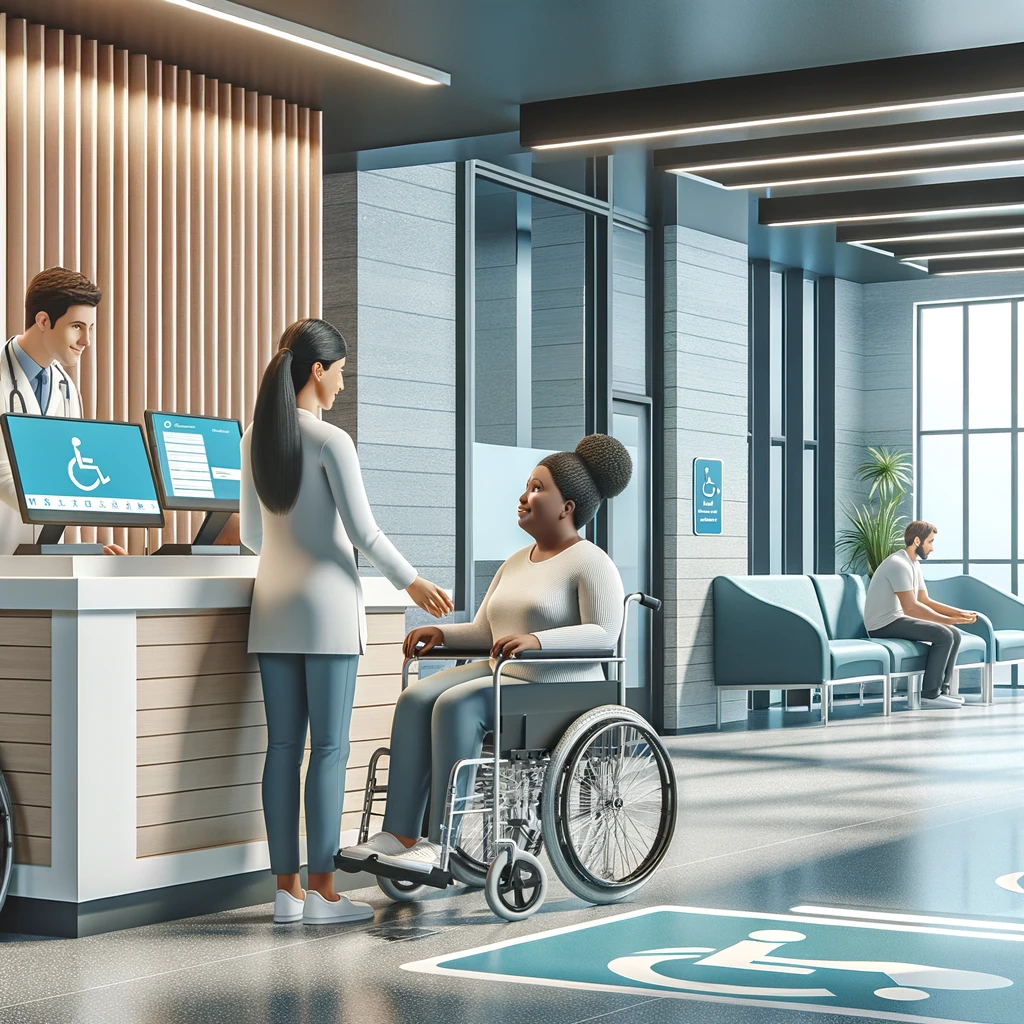
The bedrock of ADA compliance for community events lies in understanding the key requirements outlined by the law. At its core, the ADA mandates that public entities and private businesses alike must make reasonable accommodations to ensure that people with disabilities can access and participate in events. This encompasses a wide range of considerations, from physical accessibility to communication aids and alternative formats. Physical accessibility involves ensuring that venues are wheelchair-friendly, with ramps, accessible restrooms, and appropriate seating arrangements. Communication aspects may include providing sign language interpreters, assistive listening devices, and materials in braille or large print.
Moreover, the ADA specifies ensuring effective communication with individuals who have hearing, vision, or speech disabilities. This often means that event organizers must provide auxiliary aids and services when necessary. These aids might include captioning for videos, sign language interpreters, or Communication Access Real-Time Translation (CART) services. The goal is to guarantee that all participants have an opportunity to fully engage with the event without facing unnecessary barriers. Communication is just as vital as physical access, and both elements must be adequately addressed to ensure full ADA compliance.
Planning Accessible Events: Best Practices
Planning an accessible event starts with the initial stages of event design and continues through to post-event evaluations. The first step is to choose a venue that is fully accessible. This means inspecting the site to ensure that it has ramps, wide doorways, accessible restrooms, and elevators if necessary. It’s also important to consider factors like accessible parking and transportation options. Once the venue is chosen, the next step is to evaluate the event layout. Ensure there is ample space for maneuvering, especially for individuals using wheelchairs or mobility devices. Seating arrangements should be flexible to accommodate various needs, including designated areas for those who use wheelchairs.
Communication also plays a crucial role in planning accessible events. Informing attendees about the available accommodations beforehand can greatly enhance their experience. Event announcements, invitations, and registration forms should include information on how to request accommodations. Using clear, simple language and multiple formats (such as print, digital, and audio) ensures that the information is accessible to everyone. During the event, make sure that all presentations and materials are accessible. This could mean providing handouts in large print or braille, ensuring that speakers use microphones, and incorporating visual aids for those with hearing impairments.
Ensuring Effective Communication
Effective communication is a cornerstone of ADA compliance. It ensures that all participants, regardless of their disability, can engage with and benefit from the event. This involves providing auxiliary aids and services tailored to the attendees’ needs. For example, individuals with visual impairments might need written materials in braille or large print, while those who are deaf or hard of hearing might require sign language interpreters or CART services. It’s essential to ask participants what accommodations they need and to provide these services in a timely manner.
When it comes to effective communication, technology can be a powerful ally. Many modern venues are equipped with technology to assist individuals with disabilities, such as hearing loops or infrared listening systems. These technologies can significantly enhance the event experience for people with hearing impairments. Additionally, live captioning and remote interpretation services can make virtual and hybrid events more accessible. Implementing these services shows a commitment to inclusivity and can set your event apart as a model of accessibility.
Legal Implications of Non-Compliance
Failing to comply with ADA requirements can have serious legal implications. The ADA is enforced by various federal agencies, including the Department of Justice (DOJ). Violations can result in lawsuits, fines, and other penalties. In addition to federal enforcement, private individuals can file lawsuits if they feel their rights under the ADA have been violated. These legal battles can be costly and damaging to an organization’s reputation. Therefore, it’s in the best interest of event organizers to prioritize ADA compliance not only to avoid legal ramifications but also to demonstrate a commitment to inclusivity.
Beyond the immediate legal consequences, non-compliance can have long-term impacts on community trust and engagement. Events that are not accessible exclude a significant portion of the population, leading to feelings of alienation and disenfranchisement. By failing to accommodate individuals with disabilities, organizers risk alienating not just the attendees themselves but also their families, friends, and broader social networks. Inclusivity is not just a legal requirement but a social imperative that fosters community cohesion and respect.
Training and Resources for Event Planners
Ensuring ADA compliance in community events is a continuous learning process. Event planners should invest in ongoing training and utilize available resources to stay updated on best practices and new regulations. Various organizations and agencies offer training sessions, webinars, and workshops focused on ADA compliance. These programs provide valuable insights into the practical aspects of making events accessible and are often tailored to specific types of events or industries.
Additionally, a wealth of resources is available online, including guides, checklists, and toolkits designed to help event planners navigate ADA requirements. The ADA National Network, for example, offers a comprehensive range of resources and technical assistance on all aspects of ADA compliance. Local advocacy groups and disability organizations can also be valuable partners in planning inclusive events. These groups can provide feedback, suggest improvements, and help foster a culture of accessibility within the community.
Conclusion
Ensuring ADA compliance in community events and gatherings is essential for fostering inclusivity and equal access. The Americans with Disabilities Act provides a robust framework to guide event organizers in making their events accessible to everyone, regardless of disability. From understanding the basic requirements of physical and communication accessibility to implementing best practices and engaging in continuous learning, there are numerous steps that organizers can take to ensure their events are welcoming to all.
While the legal implications of non-compliance are significant, the social and ethical reasons for prioritizing accessibility are even more compelling. Accessible events not only prevent legal issues but also build a sense of community and belonging. By taking proactive steps to accommodate individuals with disabilities, organizers demonstrate a commitment to equality and respect for all participants.
In conclusion, the journey towards ADA compliance is ongoing and requires a dedicated effort from all involved. By staying informed, seeking out training and resources, and continuously assessing and improving accessibility measures, event planners can create gatherings that truly reflect the diversity and inclusivity of the community. Let’s work together to ensure that every event is an opportunity for everyone to participate, enjoy, and engage fully.
Frequently Asked Questions
1. What does the ADA require for community events and gatherings to be accessible?
Under the Americans with Disabilities Act (ADA), community events and gatherings are required to be accessible to everyone, including people with disabilities. This means ensuring that all aspects of the event, from the venue to the communications and services provided, are inclusive. An accessible venue might include ramps, elevators, and seating arrangements that accommodate wheelchairs. Communication accessibility involves providing sign language interpreters, captions for films, and auditory assistance devices. Services must also be available for individuals with various types of disabilities, such as ensuring there are easy-to-read formats for individuals with vision impairments or providing assistants or guides for those who need them. It’s not just about physical accessibility; it’s about creating an inclusive environment where everyone can fully participate, engage, and enjoy the event like anyone else would.
2. How can event organizers ensure that their communication methods are inclusive?
Communication accessibility is crucial for ensuring that all attendees can engage with and participate in the event. This can be achieved by offering multiple forms of communication to accommodate different needs. For instance, providing written materials in large print or Braille can assist those with visual impairments, while sign language interpreters or real-time captioning will help attendees who are deaf or hard of hearing. It is also important to consider using plain language in all communications to ensure they are understandable to all participants, including those with cognitive disabilities. Event organizers should also make use of technology, such as screen readers and other assistive devices. Prior to the event, they may want to invite suggestions or requests from participants to better understand the specific needs of their audience, ensuring no one is unintentionally excluded from content or conversation.
3. What are some best practices for selecting an accessible event venue?
Choosing an accessible venue is one of the most critical aspects of ensuring ADA compliance in community events and gatherings. Firstly, conduct a thorough walkthrough of the venue with accessibility in mind. Look for physical features such as adequate parking spaces reserved for individuals with disabilities, step-free access, and ramps or lifts for entry. Inside, ensure there is ample space for wheelchairs to maneuver, with access to all areas including stages, restrooms, and refreshment stands. Restrooms should be fully accessible, offering grab bars and space for transfer. Check whether the venue’s facilities support assistive listening devices or have hearing loop systems installed. If your event involves breakout sessions or workshops, make sure these smaller spaces are also accessible. It’s equally important to train staff on disability etiquette and how to assist participants if necessary. Building an inclusive event starts at the venue, and selecting one that meets diverse needs is a strong foundation.
4. Can event planners be held legally accountable for not complying with the ADA?
Yes, event planners and organizations can face legal consequences for failing to comply with ADA regulations. The ADA is enforced by the Department of Justice (DOJ), and individuals who feel that an event has unlawfully discriminated against them based on their disability can file a complaint. Non-compliance can result in lawsuits and significant financial penalties, not to mention the reputational damage and ethical ramifications of excluding people from community events. Therefore, it’s in the best interest of event organizers to proactively address accessibility issues. This includes consulting with ADA experts or hiring an ADA coordinator to review compliance aspects, as well as continuously seeking feedback from people with disabilities to identify areas for improvement. Advance preparation and genuine commitment to inclusivity can prevent potential legal issues and foster a welcoming environment for all attendees.
5. How can an event be inclusive for people with sensory processing issues?
Incorporating sensory considerations into event planning is essential for creating a more inclusive experience for people with sensory processing issues, such as those on the autism spectrum. First, offer quiet or “chill-out” zones where individuals can retreat from overwhelming sensory input. This space should be a calm area with soft lighting, noise-reducing elements, and minimal visual distractions. Consider the auditory environment of your event. Strategies to support inclusivity might include reducing background music or loudspeaker volumes, as well as providing headsets or earplugs for those who need them. If the event features visual presentations, ensure they are not overly stimulating with flashing lights or excessively rapid transitions, which could be uncomfortable or triggering for some individuals. It’s also valuable to provide information about potential sensory experiences in advance, so participants can prepare or make decisions about their involvement comfortably. Sensory accessibility is often overlooked, but taking dedicated steps to address it demonstrates a commitment to embracing diversity and promoting genuine inclusivity.