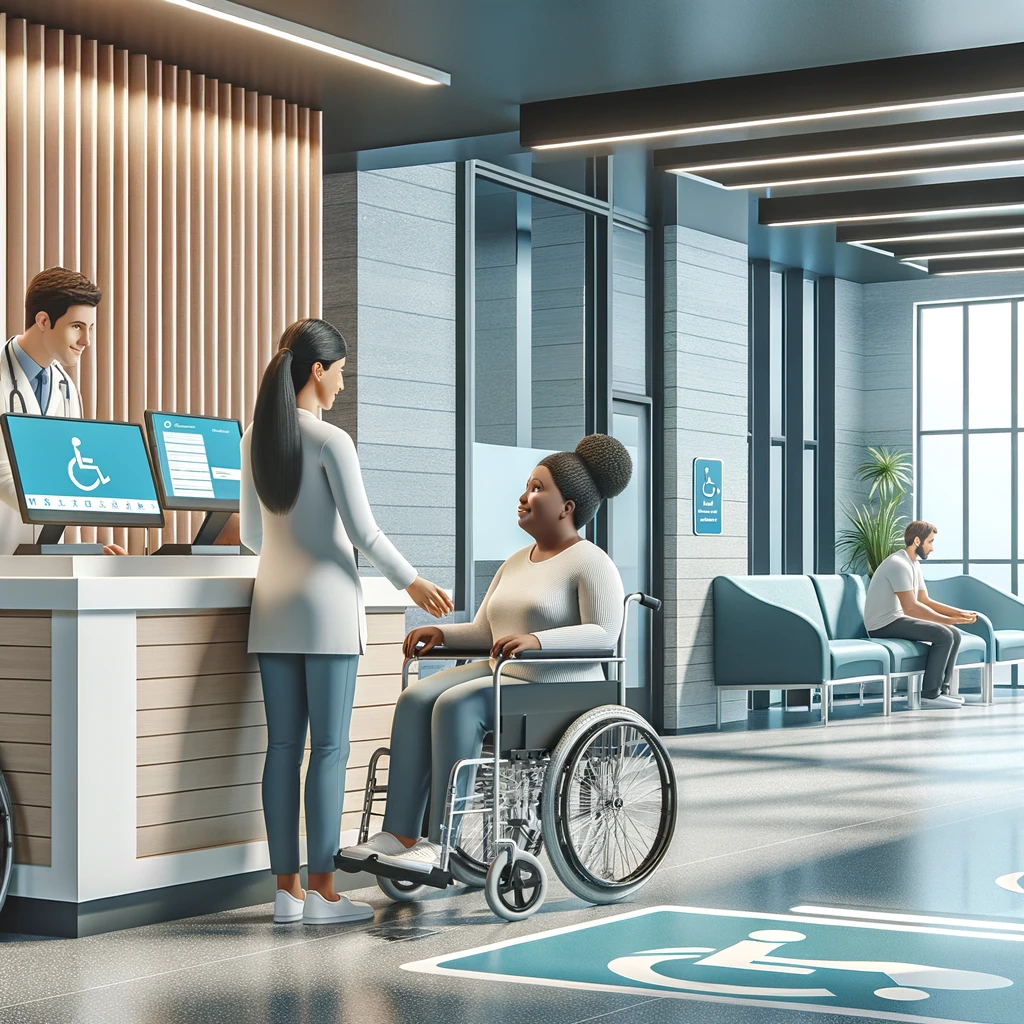
The Americans with Disabilities Act (ADA), enacted in 1990, represents a watershed moment in the history of civil rights in the United States. It ensures that individuals with disabilities are provided equal opportunities in several key areas of life, from employment and public accommodations to transportation and telecommunications. One area of critical importance, particularly as our society grapples with an increase in natural disasters and public health crises, is healthcare. In healthcare emergencies, the rights and protections afforded by the ADA are not only vital but can mean the difference between life and death for many individuals. Understanding these rights requires a comprehensive look at how the ADA operates in emergency circumstances and what protections individuals can expect.
The ADA is divided into five titles, with each title addressing different forms of discrimination and barriers that individuals with disabilities might face. Title II and Title III are most relevant in healthcare emergencies. Title II ensures that state and local governments provide individuals with disabilities an equal opportunity to benefit from all their programs, services, and activities. Title III mandates that public accommodations, including private healthcare facilities, adhere to certain standards ensuring accessibility.
During emergencies, be it a natural disaster, a pandemic, or other crises, individuals with disabilities often face unique challenges. These challenges can range from the availability of accessible transportation and safe shelters to the provision of necessary medical care and information dissemination. In such scenarios, it becomes imperative to recognize and act upon the rights provided under the ADA. This article delves into the specifics of those rights, the responsibilities of healthcare providers, and the recourse available if those rights are violated.
Rights and Protections Under Title II
Title II of the ADA covers all programs, services, and activities provided or made available by public entities. This includes state and local governments, their departments and agencies, and any other instrumentality or special purpose district of a State or local government. When it comes to healthcare emergencies, Title II plays a critical role in ensuring that individuals with disabilities have equal access to the services they need.
In practice, this means that public health emergency preparedness programs and responses must consider the needs of individuals with disabilities. For instance, in the face of a flu pandemic or any widespread health crisis, public health announcements must be accessible. This could involve providing information in various formats such as braille, large print, and sign language interpretation, as well as ensuring that information is disseminated across accessible mediums.
Additionally, emergency services and shelters need to be accessible. This not only pertains to physical accessibility, such as ramps and elevators, but also to the availability of appropriate medical equipment and staff trained in dealing with specific disabilities. Evacuation plans must include accessible transportation options and ensure that people with disabilities are not left behind or placed in unsafe conditions.
Public entities also have a responsibility to provide reasonable modifications to policies, practices, and procedures to ensure equal access. For example, during a medical emergency, if an individual with a disability requires a personal care assistant or specific medical equipment like a ventilator or oxygen concentrator, the public entity must make reasonable efforts to accommodate these needs.
Rights and Protections Under Title III
Title III of the ADA covers public accommodations, including private healthcare facilities such as hospitals, doctors’ offices, and urgent care clinics. These facilities must comply with specific ADA standards to ensure that their services are accessible to individuals with disabilities. This becomes especially crucial during healthcare emergencies where timely access to medical care can be a matter of life and death.
One of the fundamental protections under Title III is the requirement for healthcare facilities to provide effective communication. This means that facilities must furnish appropriate auxiliary aids and services where necessary to ensure that communication with individuals with disabilities is as effective as communication with others. This can include providing sign language interpreters, written materials in accessible formats, and the use of assistive listening devices.
Physical accessibility is another critical area covered under Title III. Healthcare facilities are required to remove architectural barriers in existing buildings and ensure that new constructions and alterations comply with the ADA Standards for Accessible Design. This means that facilities must have accessible routes, entrances, exam rooms, and restrooms. In an emergency, it’s essential that individuals with mobility disabilities can navigate these spaces to receive the care they need.
In cases where healthcare facilities offer emergency services, such as an emergency room in a hospital, it’s essential that these services are fully accessible. This includes ensuring that necessary medical equipment is accessible and that staff are trained to assist individuals with disabilities appropriately. The goal is to ensure that individuals with disabilities receive the same standard of care as others during emergencies.
Emergency Preparedness and Planning
One of the key aspects of ensuring the rights of individuals with disabilities during healthcare emergencies is comprehensive emergency preparedness and planning. Both public entities and private healthcare facilities must proactively consider the needs of individuals with disabilities in their emergency plans.
Public health authorities and healthcare providers should involve individuals with disabilities and disability advocacy organizations in the planning process. This ensures that plans are inclusive and address the real-world barriers that individuals with disabilities might face. Effective planning should account for a wide range of disabilities, from mobility impairments and sensory disabilities to cognitive disabilities and chronic health conditions.
Training is a critical component of emergency preparedness. Healthcare providers and emergency responders must be trained to understand the needs and rights of individuals with disabilities. This includes training on effective communication, appropriate use of medical and non-medical equipment, and respectful, non-discriminatory practices.
Drills and exercises that include scenarios involving individuals with disabilities are also essential. These exercises can help identify potential gaps in emergency plans and ensure that responders are prepared to address the unique challenges that might arise. Regular reviews and updates to emergency plans, informed by these exercises, can enhance preparedness and ensure that plans remain relevant and effective.
Filing Complaints and Seeking Recourse
Despite the robust protections provided by the ADA, there may be occasions where individuals with disabilities encounter discrimination or barriers to equal access during healthcare emergencies. Understanding the avenues for filing complaints and seeking recourse is crucial for addressing these issues and ensuring accountability.
For issues related to public entities under Title II, individuals can file complaints with the U.S. Department of Justice (DOJ) Civil Rights Division. The DOJ investigates complaints and, if violations are found, can take actions ranging from mediation to enforcement through litigation. It’s important to file complaints promptly, providing as much detail as possible, including dates, times, involved parties, and specific barriers or discriminatory actions encountered.
For private healthcare facilities covered under Title III, complaints can also be filed with the DOJ. In addition to federal remedies, individuals may have the option to pursue claims in state courts, depending on state-specific disability rights laws that may provide equivalent or greater protections than the ADA.
Documenting encounters and maintaining records of all correspondence related to the complaint can strengthen a case. Engaging with disability advocacy organizations and legal aid services can provide additional support and guidance through the complaint process. These organizations often have expertise in ADA law and can assist with navigating the legal landscape, advocating for rights, and achieving resolutions.
Conclusion
Understanding your rights under the ADA in healthcare emergencies is not just about legal knowledge but also about empowerment and advocacy. The ADA provides a framework to ensure that individuals with disabilities receive equitable treatment, access, and care during times of crisis. By recognizing and asserting these rights, individuals with disabilities can help ensure that public entities and private healthcare providers uphold their responsibilities.
The protections under Title II and Title III of the ADA are designed to address the unique challenges that individuals with disabilities face during emergencies. From accessible communication and physical spaces to reasonable modifications and effective training, these protections are critical components of an inclusive and equitable healthcare system.
As we move forward, it is essential for all stakeholders, including individuals with disabilities, healthcare providers, public health authorities, and advocacy organizations, to work collaboratively. Inclusive emergency preparedness and response plans, continuous education and training, and a commitment to upholding ADA standards can create a healthcare environment where everyone, regardless of ability, receives the care and support they need during emergencies.
If you or someone you know experiences discrimination or barriers during a healthcare emergency, don’t hesitate to speak up and seek recourse. The ADA is a powerful tool, but its efficacy depends on our collective efforts to understand, implement, and enforce its provisions.
Frequently Asked Questions
1. What is the ADA and how does it affect healthcare services during emergencies?
The Americans with Disabilities Act (ADA), signed into law in 1990, is a crucial piece of civil rights legislation. It’s designed to ensure that individuals with disabilities have the same opportunities as everyone else, ensuring protection against discrimination across various aspects of life. In the context of healthcare, particularly during emergencies like natural disasters or public health crises, the ADA demands that healthcare providers make reasonable accommodations to ensure equal access to services. This means that facilities must be physically accessible, and accommodations should be made for effective communication and service provision tailored to the needs of individuals with disabilities during emergencies.
2. What obligations do healthcare providers have under the ADA during a healthcare emergency?
Healthcare providers are legally obliged under the ADA to offer services that are accessible and equitable for everyone, including individuals with disabilities. In an emergency, this obligation doesn’t vanish—it intensifies. Providers must ensure their facilities are accessible, with features like ramps or elevators to accommodate patients using wheelchairs. Additionally, they need to provide effective communication methods, which could include interpreters for the deaf or hard of hearing and materials in accessible formats for those with visual impairments. They must also prepare to offer modifications to their policies and procedures to better serve patients with disabilities during high-pressure situations.
3. How can individuals with disabilities advocate for themselves during a healthcare emergency?
Individuals with disabilities can advocate for themselves by being informed about their rights under the ADA. This involves understanding that healthcare providers are required to ensure access and accommodation as part of their services. In case these obligations are not being met, individuals can calmly articulate their needs and refer to the ADA’s stipulations. It is also helpful to have documentation of one’s specific needs or necessary medical information readily accessible. Furthermore, during an emergency, communicating these needs clearly to first responders, medical staff, and public servants is essential. If issues persist, filing a complaint with the Department of Justice (DOJ) can be a powerful recourse to ensure compliance and protection of rights.
4. How does the ADA address communication needs in healthcare emergencies?
Under the ADA, communication needs in healthcare emergencies are taken very seriously. The law mandates that healthcare entities provide auxiliary aids and services to ensure effective communication with patients who have disabilities. This could include services such as American Sign Language interpreters, qualified readers, or real-time captioning services for individuals who are deaf or hard of hearing. For patients who are blind or have low vision, important health information should be supplied in Braille, large print, or electronically accessible formats. The key is making sure that all individuals, regardless of their communication abilities, can understand and make informed decisions about their healthcare during emergencies.
5. What steps should healthcare institutions take to prepare for compliance with the ADA in emergencies?
To comply with the ADA, healthcare institutions should proactively assess and adapt their infrastructure, policies, and training regimes. Facilities should undergo regular accessibility audits to identify and address barriers—for instance, ensuring paths, entrances, and emergency routes cater to individuals with mobility impairments. Staff should receive regular training on the ADA standards and how to provide support and accommodations during emergencies. Moreover, emergency response plans should include specific protocols for assisting individuals with disabilities, outlining how communication aides, medical equipment, and assistance are provided seamlessly during crises. By embedding these practices into their core operations, healthcare institutions can ensure they not only meet compliance requirements but genuinely serve all individuals efficiently in emergencies.