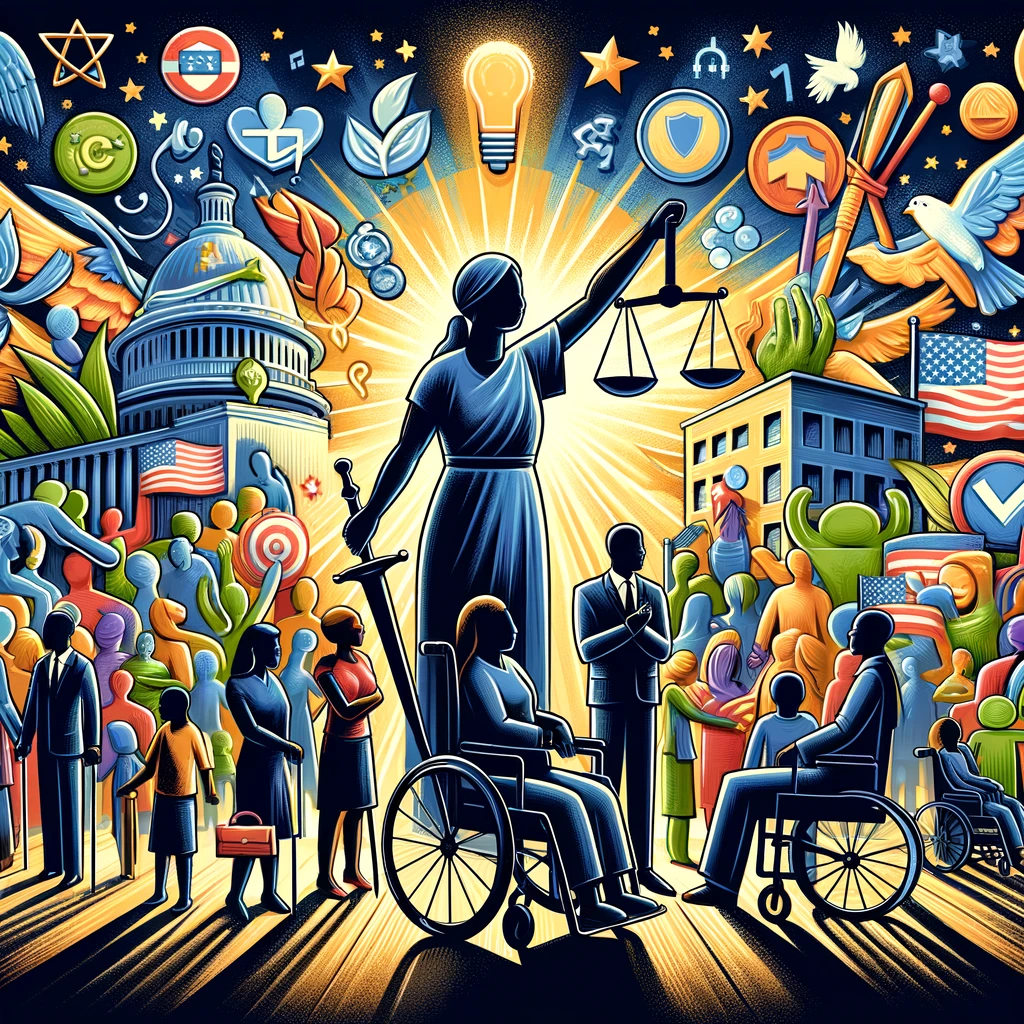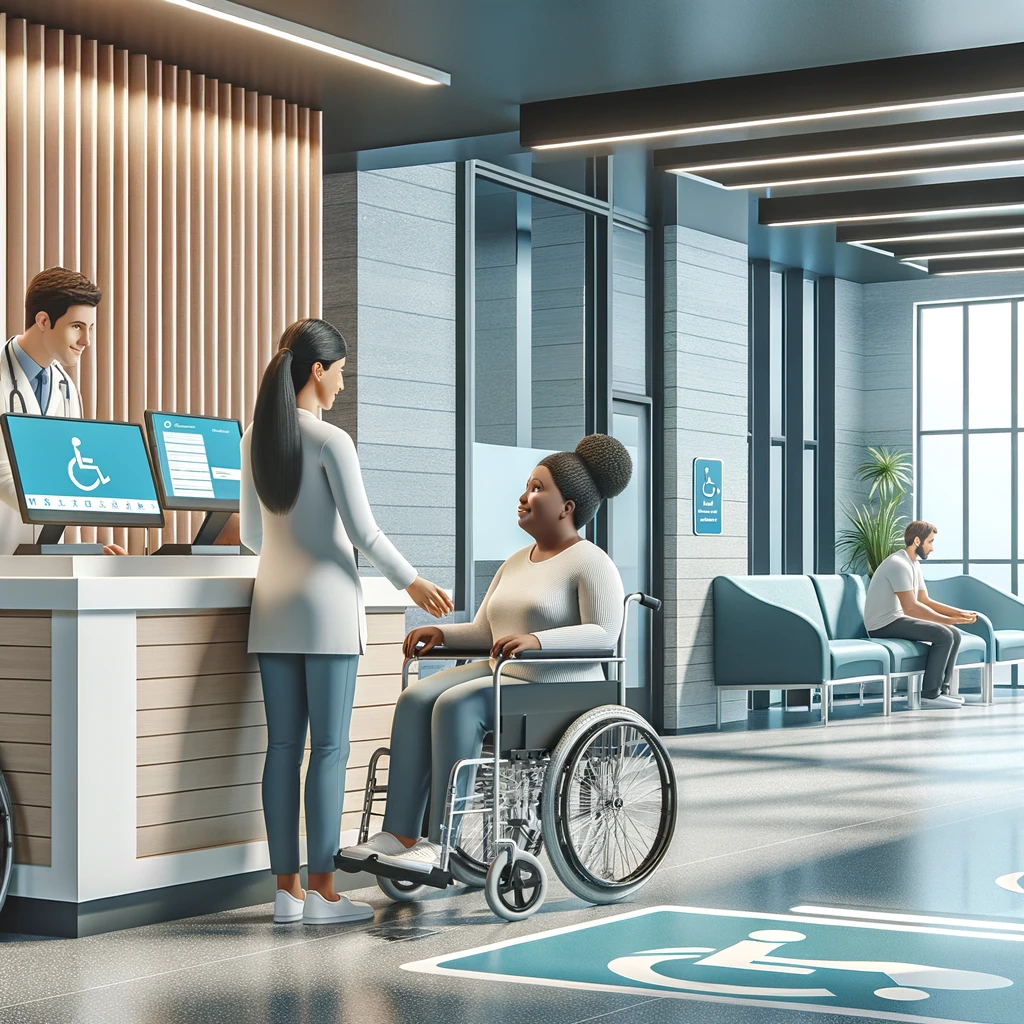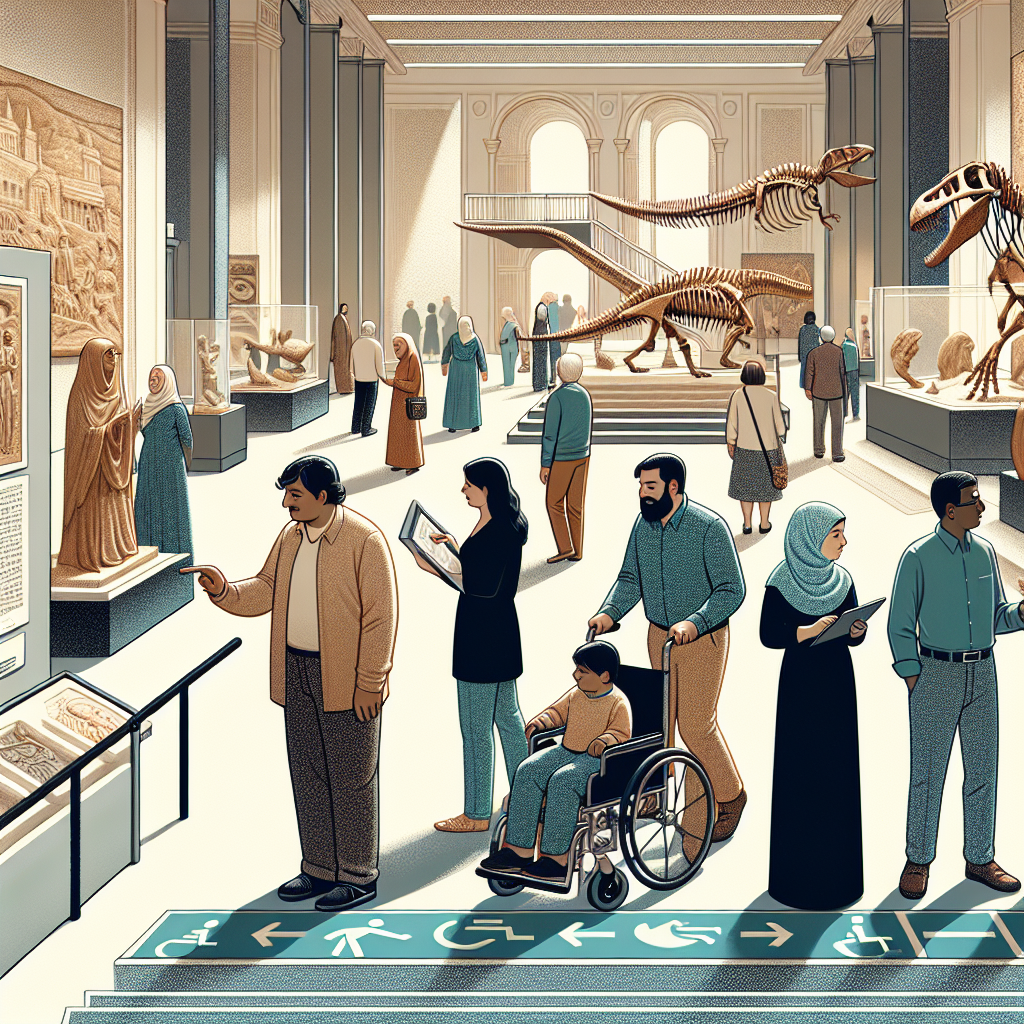
The Americans with Disabilities Act (ADA) plays a crucial role in ensuring that individuals with disabilities enjoy equal access to public spaces, including museums and galleries. This act mandates that these cultural institutions make necessary accommodations to facilitate accessibility for visitors with a wide range of disabilities. Exploring the ADA’s provisions and how they apply to public museums and galleries sheds light on the rights and protections available, as well as the steps these institutions must take to comply with the law.
Introduction
Since its enactment in 1990, the Americans with Disabilities Act (ADA) has stood as a significant piece of civil rights legislation in the United States. The ADA’s primary goal is to prevent discrimination against individuals with disabilities across various spheres of public life. Among the many areas covered by the ADA, public accommodations, including museums and galleries, play a vital role in ensuring that culture and education remain accessible to everyone.
Museums and galleries serve not only as spaces for exhibiting art and historical artifacts but also as venues for learning and cultural exchange. Therefore, it is paramount that these institutions provide equal access to all visitors, irrespective of their physical, sensory, or cognitive abilities. This article explores the specific rights and accommodations under the ADA as they pertain to public museums and galleries.
Understanding the ADA’s requirements helps museum professionals and visitors alike to grasp the breadth of accommodations and services required. With this knowledge, museums and galleries can better serve their communities, fostering inclusive and enriching experiences for all.
ADA Requirements for Public Museums and Galleries
Under the ADA, public museums and galleries are classified as public accommodations. This designation entails specific rules and standards designed to ensure accessibility for individuals with disabilities. Below are some of the most critical ADA requirements for museums and galleries:
1. Physical Accessibility
- Facilities must include ramps, elevators, and accessible restrooms.
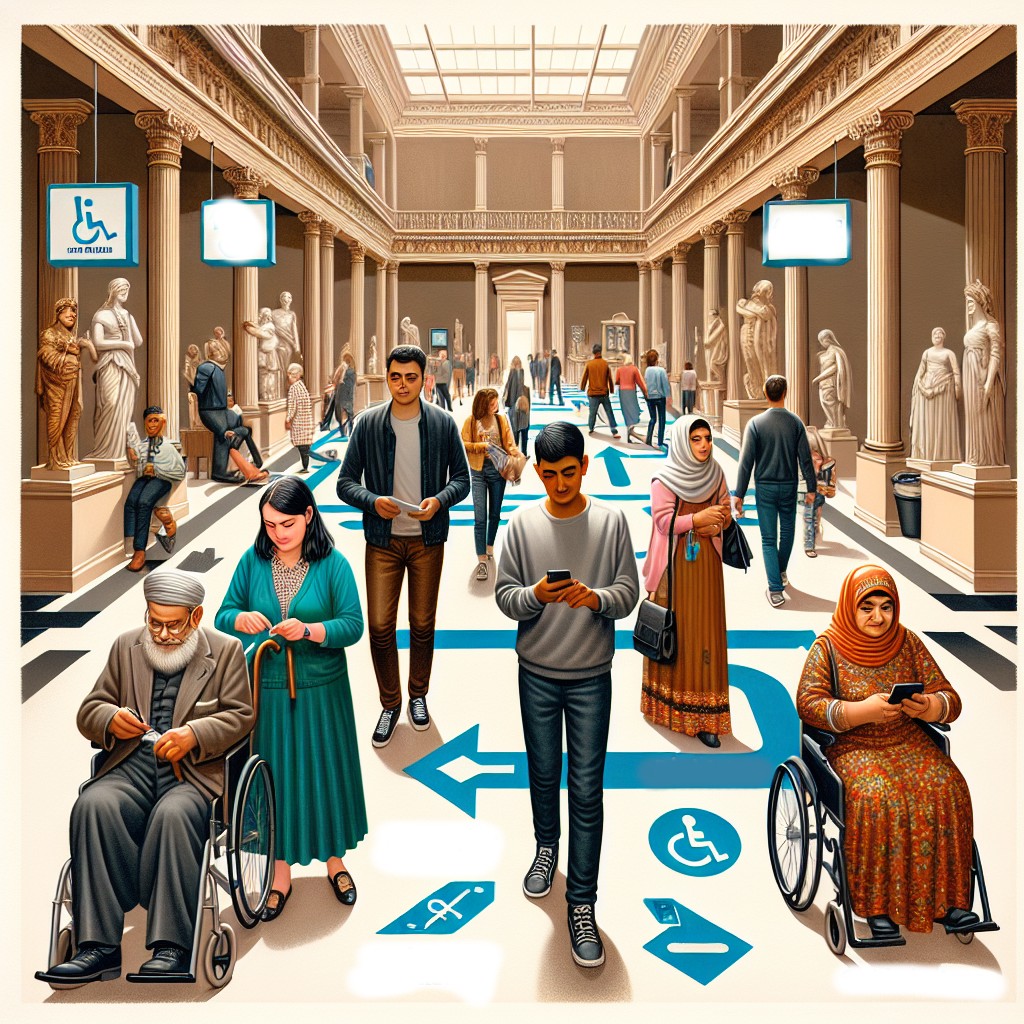
- Pathways within the venue must be wide enough to accommodate wheelchairs and other mobility devices.
2. Signage
- Clear and legible signage is essential throughout the venue.
- Braille signs and large-print materials should be provided for visitors with visual impairments.
3. Communication Accessibility
- Museums must provide auxiliary aids and services such as sign language interpreters, captioning for videos, and audio descriptions for exhibits.
4. Program Accessibility
- Programs, tours, and events must be accessible to all participants.
- This includes offering virtual tours and online content with accessibility features and reserving seating for individuals with disabilities during events.
These requirements provide a foundation for ensuring accessibility, but institutions are encouraged to build on these guidelines with customized accommodations to meet the diverse needs of their visitors.
Implementing ADA-Compliant Policies
Museums and galleries must adopt clear policies to comply with ADA standards. Effective policies foster an inclusive environment and ensure that all visitors feel welcome.
1. Staff Training
- Staff must undergo regular training to understand accessibility needs and learn how to operate specialized equipment.
- Training also covers effective communication techniques to interact with visitors with disabilities respectfully and efficiently.
2. Creating an Accessibility Plan
- Museums should develop a comprehensive accessibility plan that outlines specific actions, timelines, and responsibilities.
- The plan should be updated regularly to reflect any changes or improvements.
3. Publicizing Accessibility Options
- Accessibility information must be communicated clearly through websites, brochures, and visitor guides.
- Visitors should be informed about the process for requesting additional assistance.
4. Feedback Mechanisms
- Establishing a feedback system allows institutions to continuously improve accessibility efforts.
- Visitor input helps identify areas for improvement and assess the effectiveness of current accommodations.
By fostering a culture of inclusivity and embracing continuous improvement, museums and galleries can create welcoming environments for all.
Designing Exhibits with Accessibility in Mind
Creating accessible exhibits ensures that all visitors, regardless of ability, can fully engage with the content. Below are some design strategies to promote accessibility:
1. Tactile Experiences
- Touchable exhibits or 3D models enable visitors with visual impairments to engage meaningfully with displays.
2. Audio Descriptions
- Audio guides with detailed descriptions allow visitors with visual impairments to appreciate exhibits beyond what they can see.
3. Interactive Elements
- Touch screens should be mounted at heights accessible to wheelchair users and include features such as text-to-speech options.
4. Sensory Considerations
- Providing quiet spaces or offering sensory-friendly hours helps visitors with sensory processing challenges feel comfortable.
Incorporating these design features not only meets ADA requirements but also enhances the experience for all visitors.
Accessible Programs and Events
Museums and galleries often host events that offer unique educational and cultural opportunities. To ensure these are accessible, institutions must design programs thoughtfully.
1. Accessible Tours
- Guided tours should offer sign language interpreters, assistive listening devices, or written transcripts.
- Sensory tours can provide a specialized experience for individuals with sensory processing disorders.
2. Virtual Programs
- Virtual tours and workshops must be accessible, with closed captions, sign language interpretation, and screen reader compatibility.
3. Workshops and Educational Programs
- Materials should be provided in alternative formats, and spaces must be physically accessible.
- Programs should accommodate different learning styles to ensure inclusivity.
By designing accessible programs and events, museums and galleries can engage a wider audience and foster a more inclusive cultural environment.
Legal Considerations and Compliance
Compliance with ADA requirements involves ongoing legal considerations. Museums and galleries must adopt a proactive approach to meet their obligations.
1. Facility Assessments
- Conducting regular facility assessments helps identify accessibility barriers. Visitor feedback is crucial in this process.
2. Legal Consultation
- Consulting with ADA compliance professionals ensures that institutions meet legal requirements effectively.
3. Documentation and Reporting
- Keeping detailed records of accessibility efforts helps demonstrate compliance and guides future improvements.
4. Staying Informed
- ADA regulations evolve. Institutions must stay current by participating in professional organizations and subscribing to relevant updates.
Proactive legal strategies ensure that museums and galleries stay compliant while fostering accessible and welcoming spaces.
Conclusion
The Americans with Disabilities Act has transformed how public spaces, including museums and galleries, approach accessibility. By implementing the ADA’s requirements, cultural institutions can offer enriching experiences to all visitors, regardless of ability.
From physical accessibility to inclusive programming and thoughtful exhibit design, compliance with ADA standards creates environments that celebrate diversity and inclusion. The journey toward accessibility is ongoing, and by embracing continuous improvement and listening to visitor feedback, museums and galleries can become leaders in promoting inclusivity in their communities.
These efforts not only ensure compliance with legal standards but also contribute to a more inclusive society where culture and education are accessible to all.
Frequently Asked Questions
1. What does the ADA require from museums and galleries in terms of accessibility?
The Americans with Disabilities Act (ADA) requires that all public museums and galleries ensure accessibility for individuals with disabilities. This means that these institutions must make reasonable modifications to policies, practices, and procedures to provide equal access to their facilities. Museums and galleries are required to have accessible pathways, ramps, and elevators where needed, and they must ensure that displays are accessible to individuals with mobility issues. For those with hearing or visual impairments, accommodations such as audio guides, braille signs, or tactile displays can be necessary. The primary aim is to remove barriers so that everyone has the same opportunity to experience the richness that these cultural institutions offer.
2. What are the most common accommodations provided under the ADA in public museums and galleries?
Under the ADA, common accommodations that museums and galleries often provide include ramps and elevators for those with mobility impairments, accessible restrooms, and accessible parking spaces. Tactile exhibits and audio guides are provided for visitors with visual impairments, while captioning and audio descriptions help those with auditory impairments. Moreover, these institutions might offer sign language interpretation services, assistive listening devices, or provide printed materials in accessible formats. Each museum or gallery may also have specialized accommodations based on the unique nature of their exhibits or the specific needs of their community, ensuring a tailored approach to accessibility.
3. How can a visitor with disabilities request modifications or accommodations at a museum or gallery?
Visitors with disabilities can often request modifications or accommodations in advance by contacting the museum or gallery directly. Most institutions have an accessibility coordinator who is responsible for fielding these requests and arranging the necessary accommodations. This coordination might include scheduling an interpreter for a specific tour, arranging for a tactile exhibit demonstration, or ensuring that printed materials are available in alternative formats. It’s recommended that individuals reach out well ahead of their visit to ensure that the necessary accommodations can be prepared. Additionally, most museums and galleries provide information about accessibility on their websites, which can be a helpful resource for planning your visit.
4. What should I do if I encounter barriers to accessibility at a museum or gallery?
If you encounter barriers to accessibility during your visit to a museum or gallery, it is important to report these issues to the staff immediately. Often, there may be quick solutions or alternatives available that the staff can organize on the spot. If the issue is systemic or if your needs are not addressed, you may wish to escalate the complaint to the institution’s management or to their designated ADA coordinator. Should the response be unsatisfactory, visitors have the right to file a formal complaint with the Department of Justice under Title III of the ADA. Reporting accessibility barriers not only helps ensure your immediate needs are met but also contributes to broader awareness and improvements within the institution.
5. How does the ADA benefit the community beyond individual accommodations?
The ADA benefits the community by fostering inclusivity and diversity, allowing public spaces, including museums and galleries, to be accessed by people from all walks of life. By breaking down barriers, these institutions encourage greater participation from the entire community, enriching the cultural experiences of everyone involved. This inclusivity leads to richer community engagement, wider representation of diverse perspectives in exhibitions, and broader appreciation of cultural heritage. Additionally, by implementing ADA accommodations, museums and galleries demonstrate a commitment to social responsibility, setting a standard for other institutions and fostering respectful and welcoming environments that serve as a model for community interaction and support.