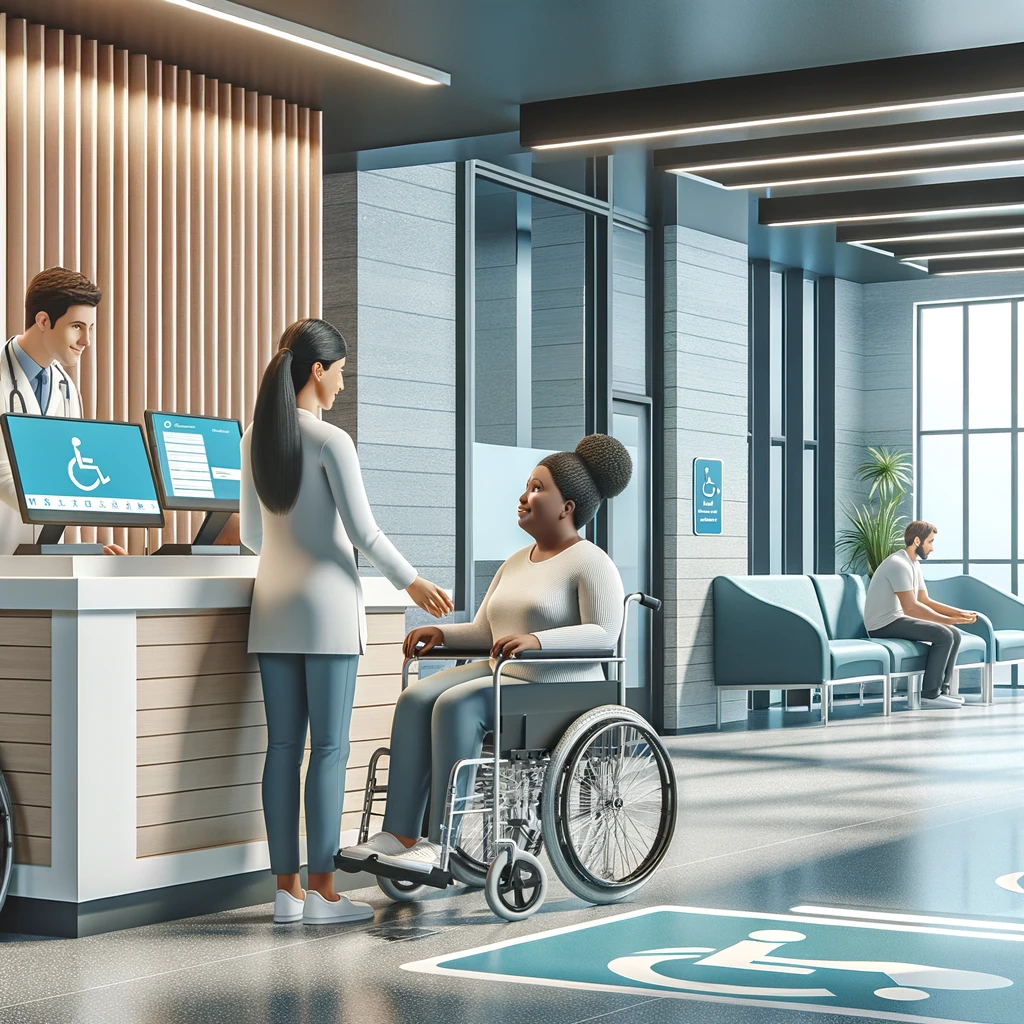
The Americans with Disabilities Act (ADA), enacted in 1990, has been a transformative piece of legislation for accessibility and inclusivity in architectural design. It mandates that people with disabilities have equal rights and opportunities across various facets of life, including public accommodation, employment, communication, and more. Particularly within architectural design, ADA compliance sets the framework for creating environments that cater to everyone’s needs. This involves incorporating both innovative designs and tackling the unique challenges that come with adhering to these standards. Understanding the evolution of ADA compliance reveals much about our progress toward creating inclusive spaces and the hurdles yet to overcome. Over the years, architects and designers have engaged in a continuous journey to align with ADA standards while innovating effectively. They aim to ensure that functionality doesn’t compromise aesthetics or usability and that design choices are both inclusive and accessible. The dynamic landscape of architectural design continuously adapts to newer insights, technological advancements, and legislative updates. Hence, it becomes imperative to delve into the specifics of ADA compliance within architectural design to evaluate both the successful advances and the remaining challenges.
As the population ages and awareness of various disabilities increases, the demand for accessible design escalates correspondingly. This societal shift calls for a robust dialogue between architects, designers, policymakers, and other stakeholders to harmonize aesthetics with utility seamlessly. The exploration into architectural trends and challenges within ADA compliance is not merely about ticking off a regulatory checklist; it is about understanding the essence of designing spaces that promote equity and independence for everyone. Over the next sections, we will evaluate significant innovations in architectural design for accessibility and examine persistent challenges. We will explore how these innovations come about, what drives them forward, and how architects can bridge the gap between regulation and creativity. Similarly, scrutinizing potential setbacks and obstacles will offer insights into achieving deeper and more impactful ADA compliance across the board.
Innovations in Architectural Design for ADA Compliance
Over the years, significant strides have been made in innovative urban and architectural design to improve ADA compliance. The focus increasingly shifts towards universal design principles, which emphasize creating spaces accessible to the widest possible audience from the outset rather than retrofitting existing spaces. This proactive approach seeks to integrate accessibility into every aspect of the built environment. One such innovation is the concept of the ‘curbless’ or ‘step-free’ access, which has revolutionized public and private access points. It eliminates the need for physical barriers like steps and raises landings, facilitating seamless movement for people in wheelchairs, parents with strollers, and those with mobility challenges. Moreover, tactile paving surfaces include essential sensory elements for individuals with vision impairments, guiding them safely across spaces.
Digital technology, particularly with Smart Home and Building Automation, has also provided opportunities for increased ADA compliance. Voice-activated systems, such as light controls and temperature modulation, offer those with physical limitations greater control over their environment. Touchless solutions, much needed in the post-pandemic world, also play a critical role here by allowing hands-free operation of doors, fixtures, and public transportation systems. Advances in materials science have offered up new possibilities as well. The development of slip-resistant flooring materials, customizable ADA-compliant signage, and the use of natural daylight for those sensitive to artificial lighting exemplifies how well-chosen materials can meet accessibility needs while achieving aesthetic goals.
Outdoor spaces have not been neglected in this architectural evolution. The inclusion of accessible gardens, sensory and therapeutic landscapes, and inclusive playgrounds demonstrates innovative methods to bring equity in design beyond buildings. These spaces rely heavily on careful selection of plants, attention to varied sensory experiences, and natural topography to ensure everyone can enjoy these environments. The rise of Interactive and Assistive Technology also revolutionizes experiences in public settings like museums and stadiums. Here, apps designed to provide audio tours, visual aid descriptions, wayfinding assistance, and enhanced connectivity for hearing aids have transformed how individuals with disabilities can partake in such activities independently and with enjoyment.
Perhaps one of the most exciting developments is the use of virtual and augmented reality (VR and AR) during the design stages, helping architects visualize and test how accessible their designs are in prototype form. Clients can ‘walk through’ these developments and provide feedback before ground is even broken, ensuring an accessibility-first focus from the start. The interplay between ADA-compliant designs and forward-thinking architecture offers exciting possibilities but requires thorough education and understanding of the varied needs of different user groups. Successful integration remains reliant on empathy-driven insights and commitment to change from designers, builders, and lawmakers alike.
Challenges in Achieving Full ADA Compliance
Despite all these innovations, significant challenges persist in achieving full ADA compliance in architectural design. One crucial barrier is the lack of awareness and understanding among stakeholders regarding the scope and importance of ADA regulations. Many developers and contractors, particularly those working on smaller projects, may find themselves unprepared or misinformed about regulatory requirements, leading to non-compliant designs. Financial constraints pose another substantial challenge. Building to ADA standards often requires more time, labor, and material costs, which might deter developers or cause them to cut corners. Since an ADA-compliant approach necessitates foresight and investment in long-term inclusivity, some see it as an upfront financial burden rather than a beneficial investment.
Moreover, the complex nature of modifying existing infrastructures to suit ADA compliance often leads to reluctance in retrofit projects. Incorporating compliant elements, like ramps or elevators, within a historic or preserved location poses intricate design challenges where changes could disrupt the integrity or aesthetics of the original structure. Urban density further complicates matters, as finding space for compliant designs, such as wide sidewalks or parking areas, requires innovative but sometimes impractical solutions. Technology, while beneficial, also introduces complexities. It rapidly evolves, sometimes faster than the guidelines can keep up with, resulting in confusion about what qualifies as compliant. Detailed guidelines on integrating smart and assistive technology within ADA standards remain in developmental stages, creating a navigational challenge for many designers.
The perception of ADA compliance as a legal mandate rather than a moral or ethical responsibility further undermines efforts toward holistic accessibility. Until the narrative shifts to value inclusivity as an inherent design goal integral to all projects, resistance to change will persist. Education and training around these issues lag, leaving many in the trenches ill-prepared to tackle accessibility effectively. Addressing these hurdles requires substantial advocacy, updated legislation responsive to technological and societal changes, and a commitment to seeing accessibility as a design opportunity rather than a constraint.
Municipal and governmental support stands pivotal in helping counties and cities adopt more inclusive policies and offering incentives for compliance beyond mere penalties for violations. Industries need to focus more on cross-disciplinary dialogues among architects, planners, technologists, and disabled communities themselves to continue tackling these challenges. Collective insights garnered from multiple perspectives can drive forward-thinking, practical solutions that align with both ADA compliance and design innovation.
Conclusion
Creating ADA-compliant architectural designs remains a complex journey, one marked by both significant achievements and ongoing challenges. As societal awareness of disabilities increases, so does the imperative to innovate within architectural designs while still adhering to ADA standards. Having observed several innovative strategies and technologies that align with ADA guidelines, it’s evident that progressive thinking and a commitment to inclusive environments have the power to transform our spaces fundamentally. Carving paths through the challenging terrain involves understanding that ADA compliance should be embraced not out of obligation but out of genuine commitment to equitable access for everyone. While financial constraints, technological confusion, retrofit complications, and resistance to change pose considerable hurdles, they also present opportunities to re-evaluate and reshape how we approach design and construction.
Through fostering compassion, education, and concern across the architecture and design community covering regulatory body members, urban planners, and stakeholders, establishing universally accessible environments can become the standard practice. It requires a concerted effort from every individual within the development chain to push past boundaries and embrace the possibilities that inclusive design offers. We must celebrate victories in innovation while simultaneously recognizing shortcomings and working diligently toward resolution.
By embracing a perspective that views ADA compliance as a vital element of functional design, architects and planners can articulate spaces that celebrate diversity and allow everyone to engage in their communities fully. The potential for future progress remains vast, and harnessing new technologies, materials, and design ideologies will ensure ADA-related challenges are met with creativity and dedication. Acting with empathy and foresight, and driven by the pursuit of full accessibility, the architectural landscape can indeed become an enabling and inclusive world for all who navigate through it.