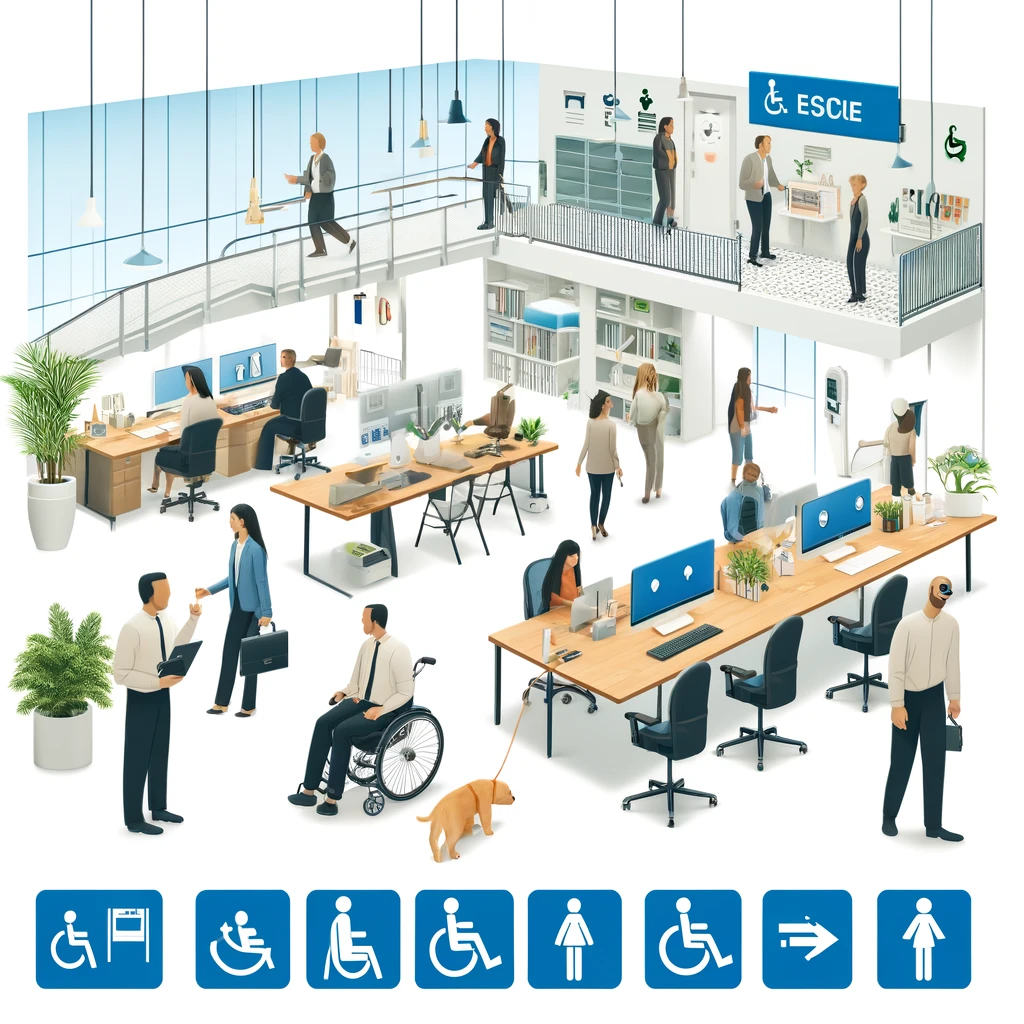
In recent years, the implementation of the Americans with Disabilities Act (ADA) compliance has become an essential aspect for businesses in various sectors. The ADA, a civil rights law enacted by the United States Congress in 1990, seeks to prevent discrimination against individuals with disabilities and ensure accessibility within public spaces, including large-scale retail environments. These environments, such as big box stores, shopping malls, and chain outlets, pose unique challenges due to their size, complex layouts, and the wide variety of goods and services they offer. As these stores endeavor to become inclusive and accessible, they face multifaceted adjustments not only in their physical environments but also in their service delivery mechanisms. The retail industry thus needs to realign its strategies to comply with ADA standards, as failing to do so can lead to legal repercussions and marginalization of a significant section of the customer base.
The importance of implementing ADA compliance in large-scale retail settings goes beyond just meeting legal requirements. It reflects a commitment to customer service excellence and inclusivity, enhancing the shopping experience for everyone, regardless of their physical abilities. These efforts require a comprehensive understanding of ADA guidelines, innovative architectural and technological solutions, and effective employee training programs. This article delves into the specific strategies and practices involved in integrating ADA compliance into large-scale retail environments, exploring the challenges faced, the benefits reaped, and practical steps for efficient implementation.
Understanding ADA Compliance
ADA compliance in retail involves the creation of accessible spaces and features within a store, ensuring all areas are approachable by everyone, including those with physical limitations. This includes facilities such as accessible parking, entryways, restrooms, and checkout counters designed to accommodate wheelchair users. Additionally, stores are required to provide paths with ample space for movement, appropriate signage, and customer service practices mindful of individuals with disabilities. ADA regulations extend to both new constructions and existing commercial facilities, necessitating adjustments to ensure compliance.
One of the essential elements of ADA compliance is developing a detailed understanding of the specific regulations that apply to large-scale retail environments. The ADA Standards for Accessible Design establish guidelines for minimum structural requirements to ensure accessibility. These standards cover aspects such as aisle width, door handle heights, and space allocations around checkouts and restrooms. Retailers must incorporate these into their initial planning and designs, or retroactively adjust existing features in older retail spaces.
Challenges in Implementing ADA Compliance
While the intentions behind ADA compliance are straightforward, the path to achieving it in large-scale retail environments is fraught with challenges. Retailers often struggle with costs associated with renovations and technology investments. Additionally, older facilities might face structural limitations that complicate efforts to retrofit compliance standards without infringing upon space or disrupting operations. Moreover, understanding the nuances of the regulations and consistently maintaining compliance can be resource-intensive.
For large-scale retailers, balancing these costs with potential revenue loss during renovation periods presents a logistical challenge. Furthermore, navigating local, state, and federal regulations, which might intersect or reinforce ADA requirements, requires legal expertise and a keen awareness of compliance updates. These obstacles often necessitate collaborations with accessibility experts to ensure that all aspects of a space are comprehensively examined and adapted to meet the required standards.
Steps for Achieving ADA Compliance
Successfully implementing ADA compliance in large-scale retail environments involves a systematic approach, beginning with an assessment of existing facilities. Performing an accessibility audit can help identify areas needing improvement, ranging from physical barriers to customer service practices. After identifying gaps, retailers can develop an action plan prioritizing the most critical changes, considering budget constraints and timelines.
Physical modifications might include widening aisles, installing ramps, modifying doorways, and ensuring proper signage. Embracing technology can also facilitate compliance by incorporating features such as automatic doors, accessible point-of-sale systems, and captioned public address systems. Technological solutions not only assist in achieving compliance but can also enhance the overall shopping experience by simplifying navigation and customer interaction processes.
Employee training is another crucial step in achieving ADA compliance. Staff members should be educated about ADA requirements and trained in providing excellent customer service to all individuals, including those with disabilities. Workshops, seminars, and regular updates can empower employees to become advocates for accessibility within the retail environment.
Technological Solutions Enhancing ADA Compliance
Advancements in technology are playing a pivotal role in helping retailers meet ADA compliance requirements. The increasing use of mobile applications and in-store technology solutions can revolutionize how accessibility is incorporated into facilities. Mobile apps designed to assist visually impaired customers in navigating stores through voice prompts and location tracking are gaining popularity. Moreover, virtual shopping assistants can provide real-time support to customers needing assistance in finding products or accessing services.
Incorporating smart technologies within stores, such as sensor-driven lighting and automated checkouts, can also facilitate adherence to ADA guidelines. These solutions not only address accessibility concerns but also elevate the shopping experience for all patrons, introducing a seamless interface between human interaction and digital support. The integration of omnichannel retailing, which combines online shopping platforms with physical store experiences, further exemplifies how technology can be harnessed to achieve ADA compliance in a cost-effective manner.
Benefits of ADA Compliance
The advantages of implementing ADA compliance in large-scale retail environments extend beyond the essential objective of inclusivity. Retailers often experience an uptick in customer traffic as they become accessible to a broader audience, including individuals with disabilities, their families, and support systems. Additionally, compliance can enhance the business’s reputation as a socially responsible entity, positively impacting brand image and customer loyalty.
Financially, aligning with ADA standards can help avert potential legal challenges and penalties associated with non-compliance. While the initial costs of achieving compliance can be significant, the long-term benefits of fostering an inclusive environment often outweigh these expenditures. Furthermore, tax credits and deductions are available to businesses undertaking ADA compliance efforts, which can offset some of the costs involved in implementing these changes.
Beyond compliance, adopting an inclusive approach can inspire innovation within a retail setting. When retailers design accessible spaces and services, they often uncover new opportunities to streamline operations, improve product accessibility, and foster a more welcoming atmosphere for all customers. This inclusive mindset permeates beyond individual retail spaces and contributes to larger societal efforts towards greater accessibility and inclusivity.
Importance of Continuous Evaluation and Adaptation
ADA compliance is not a one-time initiative but an ongoing process requiring continuous evaluation and adaptation. Retailers should regularly audit their spaces and services to ensure conformity with evolving standards and the incorporation of new technologies. While the initial stages of compliance involve significant planning and investment, maintaining accessibility is a process of adaptation and evolution alongside technological and regulatory advancements.
Establishing a compliance task force or an accessibility team within the organization can help ensure that practices remain current and adaptable to future needs. These teams can focus on engaging with the disability community for feedback, keeping abreast of regulatory changes, and ensuring that every aspect of the retail environment meets and exceeds ADA standards. This proactive approach helps in identifying potential issues before they translate into routine challenges, thereby ensuring that customers with disabilities have a consistently enjoyable shopping experience.
Furthermore, keeping feedback channels open with patrons can yield insights into their experiences and suggest further areas of improvement. When retailers actively seek and implement customer feedback, they demonstrate their commitment to an inclusive shopping environment, fostering a deeper connection with their customer base.
Conclusion
Implementing ADA compliance within large-scale retail environments is both a challenging and rewarding endeavor, requiring dedication to structural reform, technological innovation, and inclusive service standards. Despite the hurdles that retailers may face, such as infrastructure adjustments and cost implications, the benefits of fostering an accessible environment are multifaceted. Not only does ADA compliance prevent discrimination and enhance inclusivity, but it also broadens the consumer base, contributes positively to brand image, and fosters a culture of innovation and exceptional customer service.
A commitment to ADA compliance reflects a retailer’s understanding of its social responsibility and dedication to creating a welcoming community for all individuals. This process necessitates an integrated approach involving strategic assessment, effective implementation, continuous evaluation, and employee education. By strategically aligning these components, large-scale retailers can achieve compliance while developing partnerships with technology and design innovators to pioneer retail experiences that are as sustainable as they are accessible.
Ultimately, the journey towards full ADA compliance is a testament to a retailer’s broader commitment to accessibility, equality, and inclusion, promoting a more just and accommodating society. Future adaptations and advancements in technology will only enhance the possibilities for accessibility, paving the way for a new era of retail inclusivity that meets the needs of every customer, regardless of ability.