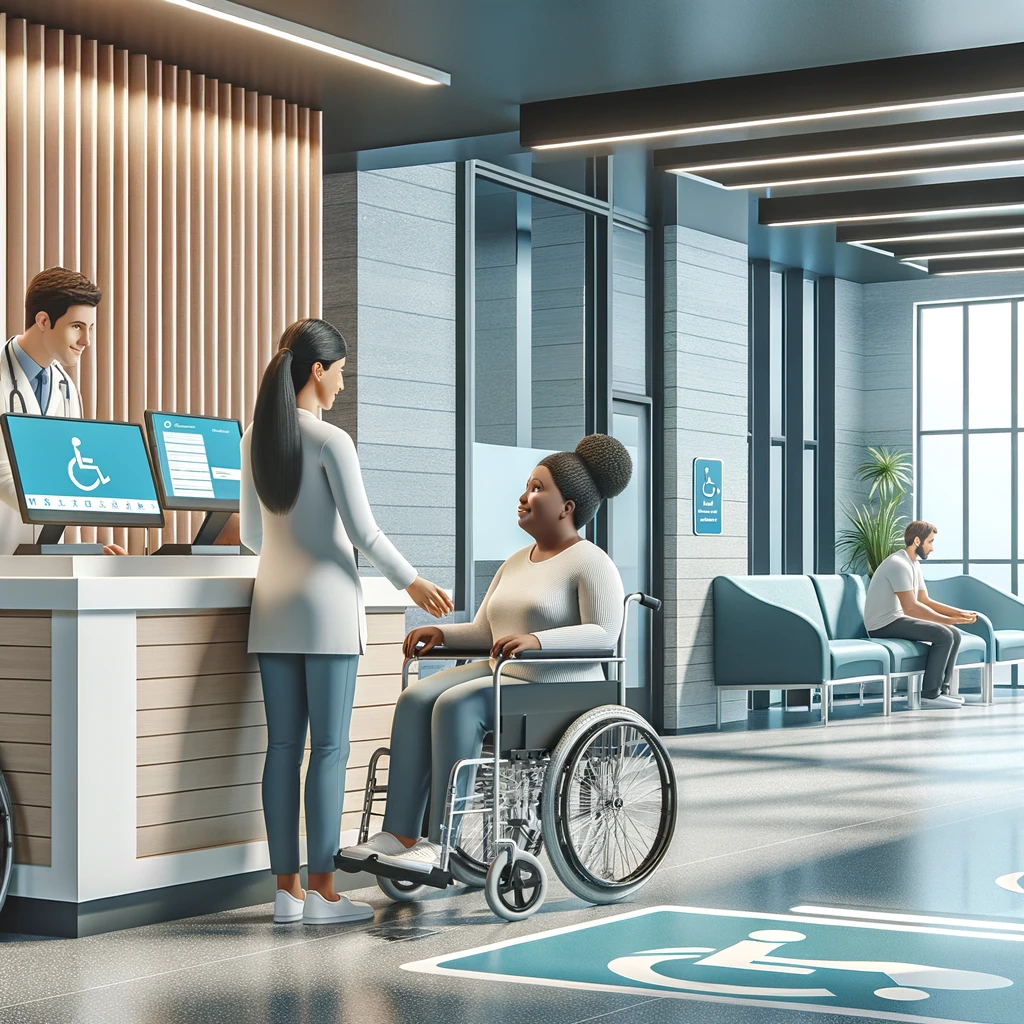
The Americans with Disabilities Act (ADA) is a landmark piece of civil rights legislation that prohibits discrimination against individuals with disabilities in all areas of public life, including jobs, schools, transportation, and all public and private places open to the general public. The ADA aims to ensure that people with disabilities have the same rights and opportunities as everyone else. A critical aspect of this inclusivity is emergency preparedness, which encompasses planning, response, and recovery efforts tailored to the needs of individuals with disabilities.
Effective emergency preparedness not only saves lives but also ensures that all members of a community can respond to and recover from emergencies and disasters. For individuals with disabilities, preparedness is particularly vital as they may face unique challenges during such events. This article delves into the intricacies of ADA compliance in the context of emergency preparedness, highlighting key considerations, responsibilities, and actionable steps to enhance readiness for emergencies.
Understanding ADA Compliance in Emergencies
When it comes to emergencies, ADA compliance ensures that individuals with disabilities receive equitable care and assistance. Compliance involves a range of elements, from accessible communication and transportation to specialized equipment and trained personnel. One of the primary goals is to minimize the disproportionate impact disasters and emergencies can have on people with disabilities by removing barriers to safety and recovery.
ADA compliance in emergency preparedness mandates that all emergency plans classify and identify the needs of individuals with disabilities. This includes making facilities, services, and support systems accessible. Emergency preparedness policies must integrate accessibility into their design, which encompasses everything from ensuring that shelters are wheelchair accessible to providing sign language interpreters and materials in braille.
To effectively implement these standards, it’s imperative to involve disability advocates and representatives in the planning process. Their firsthand experiences and insights are invaluable in identifying gaps and formulating strategies that genuinely address the needs of individuals with disabilities. By fostering an inclusive planning approach, communities can bolster resilience and inclusivity in their emergency preparedness efforts.
Assessing Risks and Identifying Needs
Before implementing ADA-compliant emergency preparedness plans, it’s essential to conduct a thorough risk assessment and identify the specific needs of individuals with disabilities within the community. This assessment should encompass a wide range of disabilities, including physical impairments, sensory disabilities, cognitive and intellectual disabilities, and chronic health conditions.
Risk assessment involves analyzing potential hazards that could impact the community, such as natural disasters, technological failures, and human-caused events. It’s crucial to consider how these hazards might uniquely affect individuals with disabilities. For example, an evacuation plan for a flood might require accessible transportation options, while a power outage might necessitate ensuring backup power sources for medical devices.
Additionally, establishing a registry of individuals with disabilities who may require special assistance during emergencies can greatly enhance response efforts. This registry should include detailed information about each person’s specific needs, contact information, and any vital medical information. Collaboration with local disability organizations, healthcare providers, and caregivers can help ensure accuracy and completeness in this registry.
Developing Inclusive Emergency Plans
Developing inclusive emergency plans requires a multifaceted approach that takes into account the diverse needs of individuals with disabilities. The first step is to ensure that all written and digital emergency plans are accessible, incorporating formats such as braille, large print, and electronic versions compatible with screen readers. Additionally, it’s essential to provide information in plain language to accommodate individuals with cognitive disabilities.
Emergency plans must outline clear procedures for communicating with individuals with disabilities before, during, and after an emergency. This includes using multiple communication channels, such as text messages, emails, social media, and accessible websites. It’s also important to establish emergency hotlines with TTY services for hearing-impaired individuals and provide sign language interpreters during public announcements.
Another critical aspect is ensuring that emergency shelters and evacuation centers are fully accessible. This includes providing ramps, accessible restrooms, and designated areas for service animals. Collaborating with local businesses, schools, and community centers to identify accessible locations for temporary shelters can greatly enhance preparedness efforts. Regular drills and training exercises should be conducted to familiarize both responders and individuals with disabilities with emergency procedures.
Training and Education
Comprehensive training and education are fundamental to the successful implementation of ADA-compliant emergency preparedness plans. All emergency responders, including firefighters, paramedics, and law enforcement personnel, should undergo specialized training on how to assist individuals with disabilities. This training should cover a range of scenarios, including evacuations, sheltering, and medical emergencies.
Training should also extend to community members, caregivers, and volunteers. Public awareness campaigns can highlight the importance of inclusive emergency preparedness and inform the general public about how they can assist individuals with disabilities during emergencies. These campaigns can be disseminated through schools, workplaces, community centers, and social media platforms.
Collaboration with disability organizations and advocacy groups can provide valuable resources and expertise for training programs. These organizations can offer firsthand insights into the challenges faced by individuals with disabilities and help design training materials that are practical and effective. Regularly updating training content to reflect new technologies, policies, and best practices is crucial to maintaining preparedness.
Utilizing Technology in Emergency Preparedness
Technology plays a pivotal role in enhancing emergency preparedness for individuals with disabilities. Advanced communication tools, assistive devices, and digital platforms can bridge gaps and ensure timely and effective responses during emergencies.
Modern emergency notification systems can be customized to deliver alerts in various accessible formats, including text, audio, and visual messages. Mobile apps designed specifically for emergency communication can provide real-time updates, emergency shelter locations, and instructions tailored to the needs of individuals with disabilities. These apps can also integrate with personal assistive devices, ensuring seamless communication.
Assistive technologies, such as medical alert systems, GPS tracking devices, and smart home technologies, can significantly enhance the safety and independence of individuals with disabilities during emergencies. For instance, GPS-equipped devices can help locate individuals who may become disoriented or lost during evacuations. Smart home systems can automate emergency alerts and provide critical information to caregivers and responders.
Community-wide adoption of accessible communication technologies can create a more inclusive and resilient emergency preparedness framework. Governments and organizations should invest in research and development to continuously improve the functionality and accessibility of these technologies. Keeping up with technological advancements ensures that preparedness measures remain effective and inclusive.
Ensuring Continuous Improvement
Emergency preparedness is an ongoing process that requires continuous evaluation and improvement. Conducting regular drills, exercises, and simulations helps identify strengths and weaknesses in existing plans. These activities should include individuals with disabilities to ensure that their needs are adequately addressed and to provide them with practical experience in emergency procedures.
Feedback mechanisms, such as surveys and debriefing sessions, are essential for gathering input from individuals with disabilities and other stakeholders. This feedback can highlight areas for improvement and guide the development of more effective strategies. It’s important to analyze both successful and challenging aspects of emergency responses to create a comprehensive understanding of preparedness efforts.
Establishing partnerships with local governments, emergency management agencies, healthcare providers, and disability organizations fosters a collaborative approach to continuous improvement. These partnerships can facilitate resource sharing, knowledge exchange, and coordinated responses during emergencies. Regularly reviewing and updating emergency plans based on lessons learned and emerging best practices ensures that preparedness measures remain relevant and effective.
Funding and resource allocation are critical components of continuous improvement. Securing grants, donations, and government funding can support the implementation and enhancement of ADA-compliant emergency preparedness initiatives. Investing in accessible infrastructure, training programs, and technological innovations is essential to building a resilient and inclusive community.
Conclusion
Creating and maintaining ADA-compliant emergency preparedness plans is not just a legal requirement; it is a moral imperative to ensure the safety and well-being of all individuals within a community. Each segment of the community, including individuals with disabilities, deserves the right to adequate, effective, and timely response in the face of emergencies.
By understanding the specific needs and integrating comprehensive strategies, communities can enhance resilience and inclusivity. Effective emergency preparedness plans are built on thorough risk assessments, inclusive policy development, rigorous training and education programs, state-of-the-art technologies, and continuous improvement mechanisms.
As society evolves and new challenges arise, so too must our approaches to emergency preparedness. Ensuring ADA compliance is a commitment to equity, inclusion, and respect for the dignity of every individual. Collectively, by fostering robust, inclusive frameworks and cultivating a community ethos of preparedness, we can mitigate the impacts of disasters and elevate the well-being of all community members.
As we reflect on the lessons of past emergencies and look towards the future, the central tenet remains clear: preparedness is a shared responsibility. Each step towards a more inclusive emergency preparedness strategy brings us closer to a future where every person, regardless of ability, is protected and empowered in the face of disaster.
Frequently Asked Questions
1. What does ADA compliance mean in the context of emergency preparedness?
ADA compliance in emergency preparedness means ensuring that individuals with disabilities are adequately accommodated in emergency planning, procedures, and response efforts. This requires that all emergency plans include provisions for accessibility, communication, transportation, and sheltering that address the needs of people with various types of disabilities. The goal is to provide equal access to safety and security measures during emergencies so that everyone can effectively and swiftly evacuate, seek shelter, or obtain resources and information when needed.
2. Why is it important to incorporate ADA guidelines in emergency plans?
Incorporating ADA guidelines into emergency plans is crucial because it ensures that people with disabilities are not left vulnerable during emergencies. Without these considerations, individuals with disabilities may face physical barriers, lack access to critical information, or be unable to safely evacuate or find refuge during a crisis. Additionally, ADA compliance helps to prevent discrimination and ensure equality, upholding the right for people with disabilities to receive the same protection and safety as the rest of the population. These guidelines also help municipalities and organizations avoid legal liabilities associated with non-compliance.
3. How can emergency plans be made more accessible for individuals with disabilities?
Emergency plans can be made more accessible by involving individuals with disabilities in the planning process to gather insights on their specific needs and potential hurdles. Incorporating assistive technologies for communication, ensuring physical accessibility to evacuation routes and shelters, and providing training for emergency responders on how to assist individuals with different disabilities are essential steps. Additionally, information dissemination should be available in accessible formats, such as braille, large print, and audio, as well as using visual and audio alerts for communication. Regular drills and reviews of the plans are also crucial for identifying any weaknesses or areas for improvement.
4. What are some specific challenges that might be faced by people with disabilities during emergencies?
People with disabilities may face several challenges during emergencies, such as difficulty in receiving timely alerts or instructions due to sensory or intellectual disabilities. Mobility impairments may make it hard to navigate evacuation routes, particularly if routes are not designed to accommodate wheelchairs or other mobility aids. Those with hearing impairments might miss important announcements unless visual alerts are available. Cognitive disabilities could complicate the understanding of complex emergency procedures, while adaptive or medical equipment dependencies could be an issue if the equipment is not transportable or if power sources are unavailable. Recognizing and addressing these diverse challenges is critical in emergency planning.
5. How can employers and organizations ensure they are prepared for emergencies in compliance with the ADA?
Employers and organizations can take several steps to ensure ADA-compliant emergency preparedness. Firstly, conducting a comprehensive accessibility review of facilities to identify potential barriers is essential. The creation and regular updating of inclusive emergency plans should involve input from employees or community members with disabilities. Training staff and first responders on how to effectively assist individuals with disabilities is also important. Practicing emergency drills with a focus on inclusive strategies, ensuring communication systems are accessible, and using technology like mobile apps and notification systems that account for various disabilities are vital actions. Engaging with disability advocacy groups for ongoing feedback and conducting post-incident analyses to learn from any gaps in response further strengthens preparedness efforts.