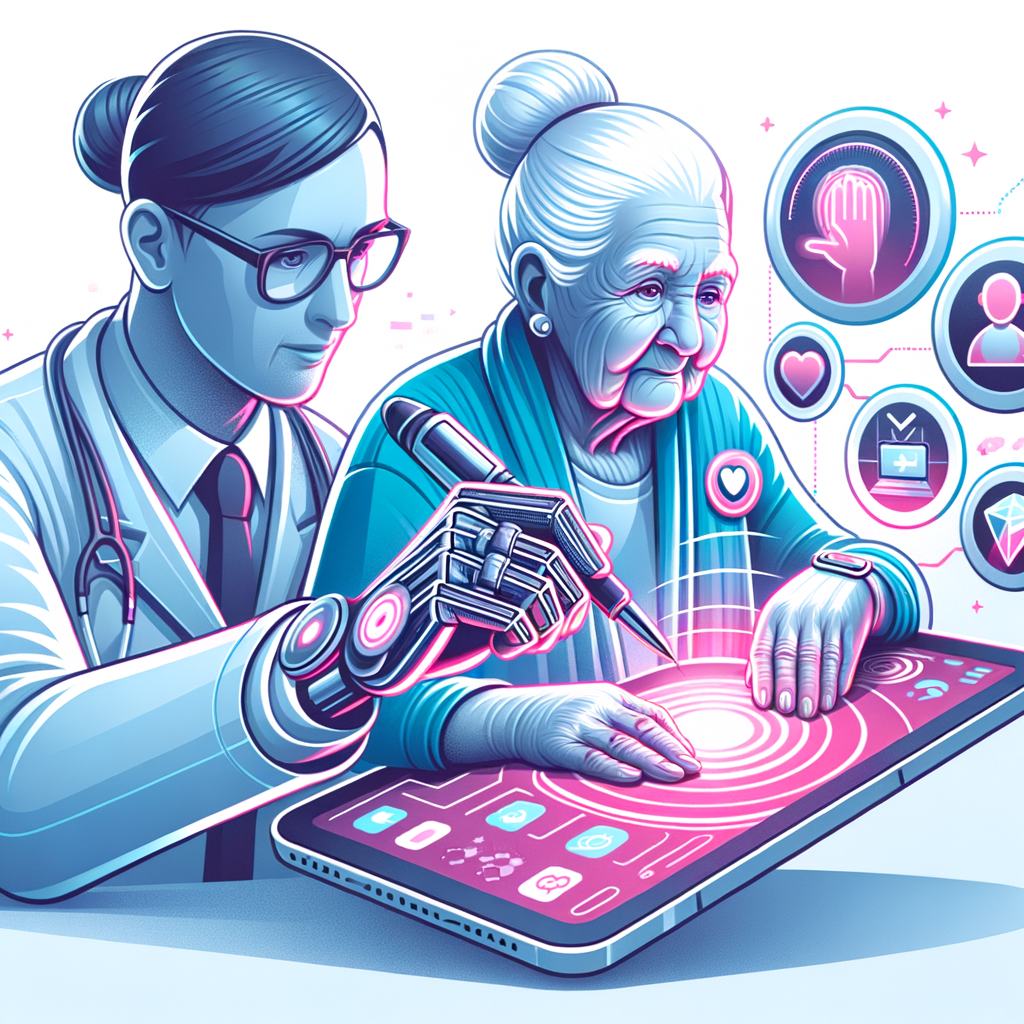
As the global population continues to age, there is an increasing focus on accommodating the needs of older adults. The Americans with Disabilities Act (ADA) plays a crucial role in ensuring access and inclusion for individuals with disabilities, and with the advancing age demographic, new innovations are essential. Older adults often face unique challenges, such as diminished mobility, sensory impairments, and cognitive changes. Innovations aligned with ADA guidelines are now more important than ever to provide adequate support and accessibility to this growing age group. This article will explore upcoming ADA innovations specifically designed to improve the quality of life for aging populations. These innovations range from architectural advancements and assistive technology to communication aids and digital accessibility enhancements. Each innovation seeks to minimize barriers, promoting independence and empowerment for older adults within various social, recreational, and professional contexts. The following sections will delve into these categories, offering insights into how they are shaping environments and policies that cater to the aging population’s needs.
Architectural Advancements for Aging Populations
One of the primary spheres where ADA innovations are making significant strides is in the architectural domain. As older adults may experience physical limitations, architecture that accommodates these needs becomes critical. Innovations in architectural design focus on creating environments that are not only accessible but also enhance safety and ease of use for older adults. For instance, the design of accessible homes and community spaces is evolving with features such as widened doorways to accommodate wheelchairs and walkers, as well as the implementation of non-slip surfaces to prevent falls. Moreover, the incorporation of ramps and lifts in both residential and commercial buildings is being enhanced with new materials and technologies to ensure they are user-friendly and require minimal maintenance.
In addition to structural changes, there is an increasing trend toward incorporating sensory-friendly designs. This involves the thoughtful alteration of lighting and acoustics within spaces to cater to those with sensory impairments. For example, glare-free lighting and enhanced sound insulation can significantly improve comfort and usability for older adults with vision and hearing challenges. Furthermore, smart home technologies are addressing age-related needs by offering systems that provide automated heating, lighting, and security solutions, creating an environment that adapts to the user’s presence and preferences.
Assistive Technologies Enhancing Mobility and Independence
Assistive technologies are at the forefront of ADA innovations, particularly for enhancing mobility and independence among the aging population. These technologies include powered wheelchairs and scooters that have become more compact and easier to maneuver in various environments. New developments in eye-tracking technology and brain-computer interfaces are also enabling greater autonomy for those with severe mobility challenges. Exoskeletons and robotic aides represent another groundbreaking technology, providing additional physical support and increased strength to users, thereby restoring the ability to walk and perform other activities.
Personalized mobility solutions are emerging as a critical area of focus, offering custom-fit devices that cater to individual needs and body specifications. These innovations are empowered by advances in 3D printing technologies, allowing for rapid prototyping and reduced costs. Wearable technology is also playing a critical role, with devices that monitor vital signs and alert caregivers in case of emergencies, ensuring safety and providing peace of mind for both users and their families.
Communication Aids for Enhanced Interaction
Communication is a vital aspect of independence and social engagement for older adults. With ADA pushing the boundaries of accessible communication, innovations in this field aim to offer seamless interaction through a variety of technologies. Voice-command devices have gained popularity, allowing for hands-free operation of phones, smart home devices, and more. Enhanced hearing aids and augmented reality glasses are breaking new ground, allowing audio and visual information to be clarified and customized to users’ needs.
Innovations in software applications are just as significant. Text-to-speech and speech-to-text apps enable users to interact with digital content with greater ease, overcoming barriers related to dexterity or vision impairments. Real-time language translation tools are also advancing, bridging communication gaps and enhancing the multi-lingual accessibility in diverse community settings. These applications are becoming smarter with the integration of artificial intelligence, offering personalized and predictive interactions that align with user habits and preferences.
Digital Accessibility Enhancements for the Aged
As technology deeply embeds itself into daily life, digital accessibility for older adults is more critical than ever. ADA-compliant software and apps are incorporating features that cater to varying needs. These include interfaces with larger buttons, voice navigation, and simplified user experiences for software and websites. In addition to user-friendly designs, there are strides being made in making digital content itself accessible. Improvements in screen readers and adaptable web content ensure that visually impaired individuals can access online information without barriers.
One of the significant upcoming innovations includes the development of AI-driven virtual assistants that learn from user interactions to offer customized support. These assistants are designed to manage everything from calendar appointments to health reminders, reducing the reliance on memory, which may decline with age. Furthermore, video calling and conferencing platforms are enhancing their features to improve lip-reading capabilities and integration with hearing devices, ensuring effective communication across digital channels.
Conclusion: The Future of ADA Innovations for Aging Populations
The landscape of ADA innovations is rapidly evolving, with a clear trajectory toward enhancing the lives of older adults through improved accessibility and inclusivity. As technological advancements continue, they hold the potential to transform how older individuals interact with their environments, offering greater independence and quality of life. From architectural enhancements and mobility solutions to cutting-edge communication aids and digital accessibility, the future is promising for aging populations. With a steadfast commitment to meeting the ADA’s principles of non-discrimination and access, these innovations are crucial in addressing the challenges faced by the aging demographic.
Moreover, the role of stakeholders, including policymakers, caregivers, and the tech industry, is indispensable in driving these changes. Their collaborative efforts will be vital in fostering environments that respect and support the needs of older adults, ensuring these innovations are accessible to all who need them. The ongoing development and implementation of ADA-aligned technologies and designs will continue to mitigate the challenges associated with aging, allowing individuals to lead fulfilling and independent lives. Through persistent innovation and a commitment to inclusion, society can look toward a future where aging populations are not only accommodated but empowered.
In conclusion, as we witness these innovations take shape, the emphasis remains on ensuring that aging individuals live dignified, secure, and independent lives. With continuous advancements in architecture, assistive technology, communication aids, and digital platforms, the horizon is filled with possibilities. Each innovation contributes to building a society that values accessibility and inclusivity, ultimately enhancing the experience of aging with dignity and freedom.
Frequently Asked Questions
1. What are some upcoming ADA innovations that are geared towards aiding the aging population?
As our population ages, the focus on innovations that support older adults in line with ADA guidelines is stronger than ever. Some of the key areas of development include improved mobility aids, such as smart wheelchairs and robotic exoskeletons, which provide enhanced movement options for those with mobility challenges. Another significant innovation is the progress in sensory aids, including advanced hearing aids and smart glasses that enhance auditory and visual clarity respectively. Additionally, innovations in accessibility technology, like voice-activated devices and adaptive communication platforms, are making it easier for older adults to interact with their environment despite cognitive changes. These innovations not only help in maintaining independence but also enrich the quality of life for older adults while ensuring they remain integrated within the community.
2. How are advances in technology improving mobility for older adults under ADA guidelines?
Advances in technology are a game-changer for improving mobility among older adults, all while adhering to the mandates of the ADA. Primarily, we are witnessing significant strides in the design and functionality of mobility aids. For instance, smart wheelchairs with sensors can navigate obstacles and provide a smoother ride over different terrains, making it easier for older adults to travel independently. Moreover, the integration of AI in robotic exoskeletons offers additional support to those with limited lower body strength, allowing them to walk with more ease and confidence. These technological innovations help overcome physical barriers and enhance the day-to-day experiences of older adults, proving invaluable in maintaining their independence and freedom.
3. What role do sensory aids play in adhering to ADA requirements for aging individuals?
Sensory aids are an integral component in fulfilling ADA requirements, especially for aging individuals who often experience deterioration in sensory capacities. Devices such as advanced hearing aids now come equipped with Bluetooth technology, allowing seamless connectivity with various devices and better sound management in different environments. Similarly, smart glasses utilize augmented reality to enhance vision by providing live video feeds, magnification, and contrast adjustments, all crucial for those with vision impairments. These technological aids empower older adults by ensuring they remain engaged and connected, reducing social isolation and promoting active participation in daily activities. By improving accessibility and interaction with their surroundings, sensory aids are pivotal in upholding the rights and dignity of older individuals as specified by the ADA.
4. Are there any specific ADA innovations aimed at supporting cognitive changes in older adults?
Indeed, addressing cognitive changes in older adults is a crucial aspect of ADA innovations, with a focus on maintaining cognitive engagement and support. Adaptive technologies such as personalized digital assistants have become significantly more sophisticated. These devices offer reminders, assist with medication management, and even help with cognitive exercises designed to stimulate mental activity. Additionally, advancements in communication platforms and virtual reality provide immersive environments aimed at cognitive training, social interaction, and memory support. Through these innovations, older adults experiencing cognitive decline can preserve a sense of autonomy and control, ultimately contributing to their mental health and overall wellbeing. These tools facilitate coping strategies that respect the dignity and individuality of older adults, aligning perfectly with ADA’s mission to accommodate and support individuals with various capabilities.
5. How is accessibility technology evolving to support aging populations as per ADA mandates?
Accessibility technology is rapidly evolving, tailoring its innovations to better serve aging populations in compliance with ADA mandates. Voice-activated systems are becoming more intuitive and user-friendly, allowing older adults with limited physical or visual capabilities to effortlessly control their home environments, access information, or communicate with others. Additionally, platforms that offer closed captioning and speech-to-text functionalities are crucial for individuals with hearing impairments, ensuring that information remains accessible and understandable. Another exciting development is in the realm of Internet of Things (IoT) devices, where everyday home items like thermostats, lighting, and appliances can be managed via smart systems, enhancing ease of use and independence for seniors. By leveraging these technologies, older adults can experience improved accessibility and convenience in a manner that upholds the principles of the ADA, promoting an inclusive society where everyone can thrive regardless of age or ability.


