The Americans with Disabilities Act (ADA) stands as a monumental piece of legislation in the fight for equal rights and accessibility for all citizens, particularly those with disabilities. With the rapid evolution of technology and infrastructure in public transportation, ADA compliance takes on new dimensions, expanding the horizons of what accessibility means in the context of next-generation public transport systems. As cities grow and technology develops, understanding the interplay between the ADA’s requirements and modern public transport innovations becomes paramount. Such insights are crucial for ensuring inclusive mobility for everyone, enabling individuals with disabilities to lead more independent and connected lives.
In recent years, public transportation systems have started to incorporate advanced technologies like autonomous vehicles, smart transit hubs, and interconnected infrastructure, prompting a reevaluation of what accessibility entails. These innovations offer new possibilities but also present complex challenges in aligning with ADA standards. Emphasizing accessibility in the initial phases of design and implementation can not only improve quality of life for individuals with disabilities but also enhance the efficiency and usability of public transport systems for all users. This article explores how ADA requirements are being integrated into the next generation of public transport, examining both the successes achieved and the obstacles that remain.
ADA and Autonomous Vehicles
Autonomous vehicles represent one of the most groundbreaking advancements in public transportation, promising to enhance mobility and safety dramatically. When considering ADA compliance, the integration of accessible features in autonomous vehicles becomes a critical focal point. Ensuring these vehicles accommodate wheelchairs, have auditory and tactile communication aids, and can assist individuals with cognitive disabilities is essential. Automakers and tech companies developing these vehicles must collaborate with disability advocates to ensure that next-gen transportation solutions are inclusive and meet ADA standards from inception.
The ADA’s guidelines necessitate that public transportation be usable by individuals with various disabilities. As autonomous vehicles move from prototype to reality, attention must be paid to aspects such as accessible entry points, user-friendly communication interfaces, and real-time assistance options. These elements must work cohesively to provide a seamless transportation experience for those with disabilities, transforming theoretical accessibility into practical reality.
Smart Transit Hubs and Accessibility
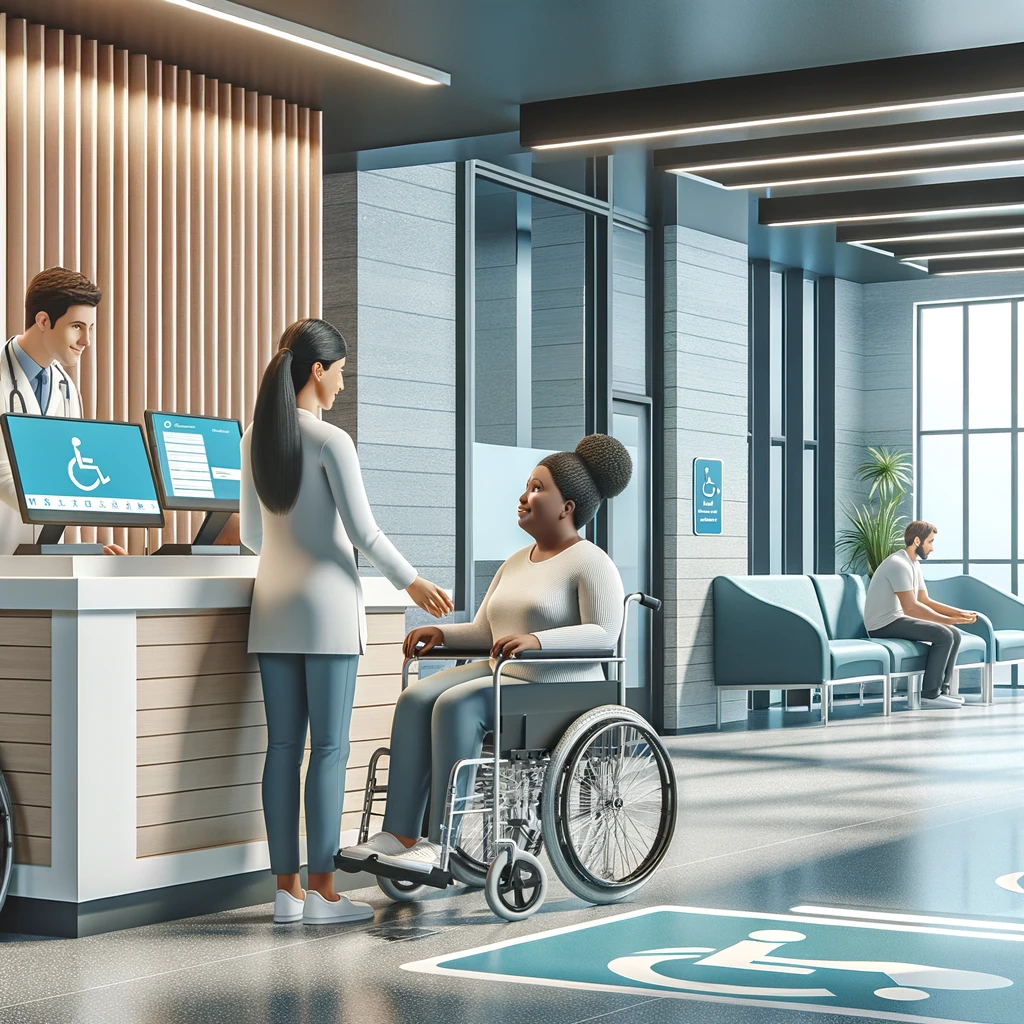
Smart transit hubs epitomize the convergence of technology and infrastructure aimed at creating more efficient transit systems. These hubs are integrated with IoT devices, real-time data feeds, and interactive services. However, integrating ADA standards within these high-tech environments requires more than just technological prowess. ADA compliance in these hubs involves ensuring physical accessibility, such as disabled parking spots, ramps, and elevators, as well as providing digital accessibility through user-friendly apps and interfaces.
Moreover, transit apps must be designed with accessibility in mind, ensuring compatibility with screen readers, voice commands, and other assistive technologies. This digital inclusion is crucial, as more transit users rely on digital platforms to navigate public transportation. Ensuring that these platforms are as inclusive as physical spaces represents a significant step forward in aligning next-gen transport with ADA standards.
The Role of Data and Analytics in Enhancing Accessibility
Data and analytics play a pivotal role in enhancing the accessibility of public transit under the ADA framework. By collecting and analyzing data from various sources, transit authorities can identify trends and areas for improvement, tailoring services to better meet the needs of individuals with disabilities. For instance, analyzing data on peak transit times for passengers who use wheelchairs can help allocate resources more effectively, ensuring sufficient accessible vehicles are available when needed most.
Additionally, real-time data can assist in alerting transit operators about issues affecting accessibility, such as malfunctioning elevators, and enable prompt action. Smart analytics can also enhance journey planning apps by providing real-time updates and navigation assistance for those with disabilities, improving the journey experience overall. This data-driven approach to ADA compliance is becoming a critical component of modern public transport systems, underscoring the intersection of technology and accessibility.
Challenges in Implementing ADA Standards in Next-Gen Transit
While the opportunities are vast, integrating ADA standards into next-gen public transportation also presents several challenges. One major obstacle is the potential discrepancy between technological advancement and regulatory frameworks. Regulatory bodies must keep pace with rapid technological changes to ensure that new developments remain within ADA compliance, which often requires revisiting and revising existing regulations.
Funding is another challenge, as implementing comprehensive accessibility features can involve significant investment. Transit authorities must prioritize resources and perhaps seek innovative funding approaches, such as public-private partnerships, to support these initiatives. There is also the challenge of ensuring that the voices of individuals with disabilities are heard throughout the planning and implementation stages, which requires genuine engagement and feedback mechanisms instead of token consultations.
Innovative Solutions Enhancing ADA Compliance
Despite challenges, numerous innovative solutions are paving the way toward a more accessible future in public transit. For instance, apps employing AI-driven solutions now can guide visually impaired users through transit systems. Augmented reality (AR) tools offer real-time navigation assistance, enhancing orientation and mobility for individuals with disabilities. Moreover, the advent of voice-activated services further broadens inclusivity, allowing seamless interaction with smart transit systems.
Manufacturers are also experimenting with fully self-deployable accessible features, such as adjustable seat heights in autonomous vehicles, promising a more personalized experience for users with disabilities. By embedding accessibility into the core of tech innovation, these solutions not only comply with ADA standards but also anticipate and exceed them, possibly setting new standards for future legislation.
Conclusion
In the realm of next-generation public transportation, the intersection of ADA compliance and technological innovation offers both unprecedented opportunities and significant challenges. Ensuring that autonomous vehicles, smart transit hubs, and data-driven analytics incorporate and expand upon ADA guidelines is imperative for fostering inclusive public transportation systems that benefit everyone. As the transportation landscape evolves, regulatory bodies, transit authorities, manufacturers, and technology developers must collaborate actively and consistently to align emerging technologies with ADA accessibility benchmarks.
Ultimately, committing to accessibility at the outset of any innovation leads to more inclusive outcomes, ensuring public transportation systems are not only state-of-the-art but also universally accessible. By mindfully incorporating ADA standards into the next-gen public transportation paradigm, we move closer to achieving an inclusive future where mobility is a right shared by all, irrespective of ability. It is imperative to nurture environments where accessibility and innovation coexist synergistically, thus setting the foundation for a more connected and equitable society.