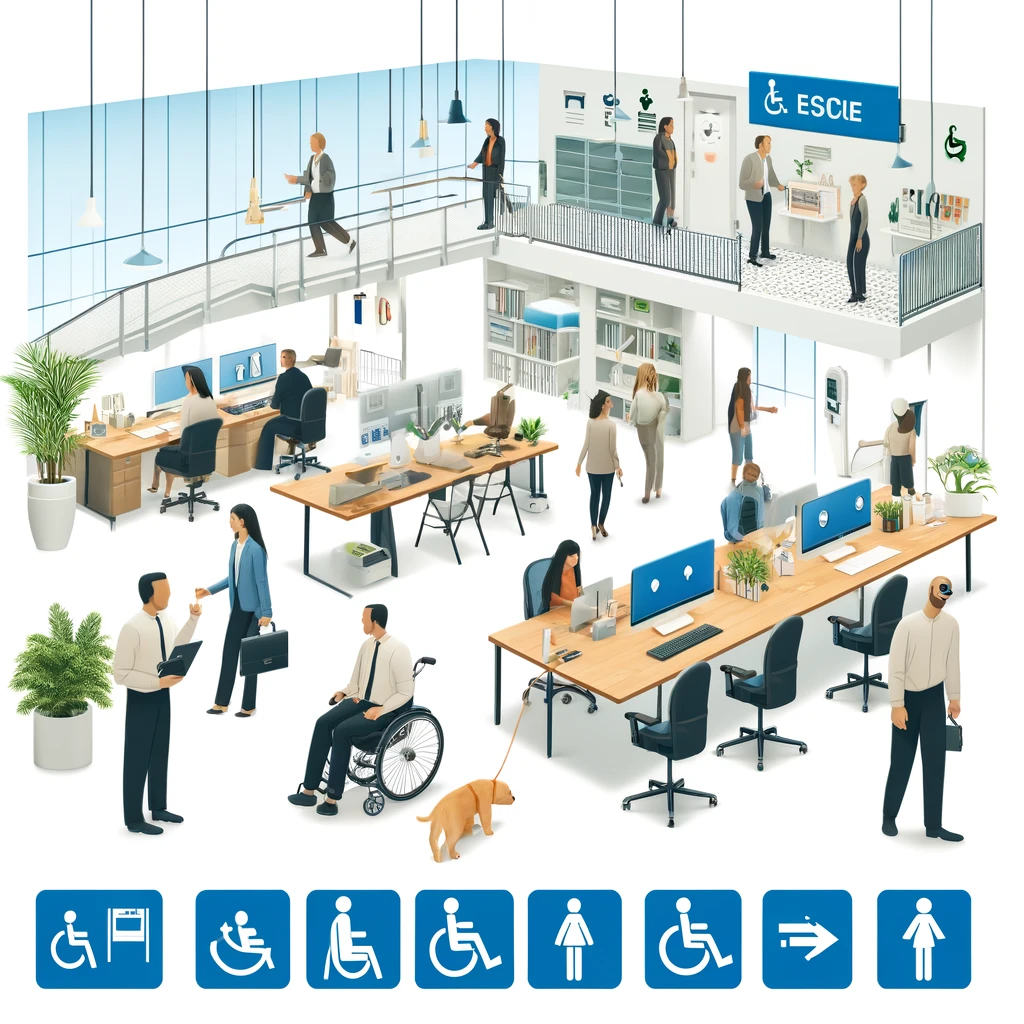
The healthcare sector plays a critical role in the well-being of individuals, providing essential services that support health and quality of life. Ensuring access to these services for all individuals, including those with disabilities, is not just a legal obligation but a moral one. The Americans with Disabilities Act (ADA) establishes clear guidelines to prevent discrimination against persons with disabilities, ensuring they can access healthcare services as effectively as others. Understanding and implementing ADA compliance in healthcare settings require a practical approach. This involves not only adhering to legal mandates but also embracing inclusion as a key value. ADA compliance within healthcare is multifaceted, encompassing physical spaces, online platforms, communication methods, and protocols for patient care. Each aspect must be scrutinized to identify barriers that might impede accessibility. From architectural elements like ramps and signage to digital access concerning websites and electronic health records, the spectrum of ADA compliance is broad. With increasing reliance on digital technologies in healthcare, the scope for compliance has widened, demanding that facilities integrate accessibility at multiple levels. Through an in-depth examination of successful strategies, healthcare entities can adopt a comprehensive framework that not only meets but potentially exceeds ADA requirements. This approach not only aligns with regulation but fosters an inclusive atmosphere conducive to providing optimal patient care.
Understanding ADA Compliance in Healthcare
At its core, ADA compliance in healthcare is about removing obstacles preventing individuals with disabilities from accessing services with ease and dignity. This compliance encompasses a wide array of aspects such as physical accessibility of medical facilities, communication aids, and website accessibility. By systematically addressing these components, healthcare providers can ensure equitable service provision.
Physical accessibility is crucial. Medical facilities must be designed or adapted to ensure that mobility limitations do not hinder individuals seeking care. This involves the installation of ramps, elevators, and the creation of accessible paths throughout the facility. Furthermore, examination rooms and medical equipment must be tailored to meet accessibility requirements, ensuring that all patients receive equivalent care without discrimination.
However, accessibility extends beyond the physical environment. Effective communication is paramount, particularly in the context of medical information sensitivity and complexity. ADA compliance requires healthcare providers to facilitate communication with individuals who have hearing, vision, or speech disabilities. This may involve providing qualified interpreters, real-time captioning for audio-visual content, or written documents in accessible formats such as braille or large print. By offering these resources, providers ensure that all patients can fully comprehend their medical options and retain agency in decision-making.
Moreover, the advent of technology means that healthcare services are increasingly provided online. ADA compliance, therefore, includes making digital platforms accessible. Websites must adhere to well-established guidelines to be usable by screen readers and other assistive technologies. This includes providing text alternatives for images, ensuring keyboards can navigate all interactive elements, and maintaining consistent and logical layouts throughout web pages.
Strategies for Implementing ADA Compliance
Implementing successful ADA compliance strategies involves comprehensive planning and continuous evaluation. Healthcare institutions must develop an inclusive framework that begins with internal awareness and extends into all aspects of service provision and patient engagement.
One effective strategy is to conduct regular accessibility audits. These audits provide an opportunity for facilities to identify potential barriers to accessibility within their environments and services. During such audits, key focus areas include physical spaces, technological platforms, communication methods, and training programs for staff. By regularly reviewing these elements, institutions can quickly address accessibility issues before they become systemic problems.
Furthermore, training staff on ADA compliance is an integral aspect of successful implementation. Healthcare professionals are the frontline facilitators of patient care, and their understanding of ADA requirements will greatly influence the accessibility and quality of services provided. Training programs should include educating staff about the needs of individuals with disabilities, the importance of empathy, and how to utilize assistive technologies and resources effectively.
Another critical strategy is engagement with stakeholders, particularly individuals with disabilities and advocacy groups. By involving these groups in planning and evaluation processes, healthcare facilities can gain invaluable insights into patient needs, improving accessibility measures. Listening to firsthand experiences allows facilities to tailor their services more precisely and responsively. Collaborations with advocacy organizations can also provide additional resources and expertise, enhancing overall compliance efforts.
Moreover, integrating universal design principles into the development and renovation of facilities can streamline compliance efforts. Universal design anticipates the needs of a diverse population and incorporates them into the initial planning stages. This foresight reduces the need for retrofitting, ultimately saving time and resources while ensuring spaces are welcoming for everyone.
Common Challenges in ADA Compliance
While the importance of ADA compliance is clear, various challenges can impede its successful implementation in healthcare settings. Financial constraints often pose a significant hurdle, as modifications to buildings, purchase of specialized equipment, or hiring qualified interpreters represent substantial expenses. Smaller clinics and practices may find these costs particularly burdensome. However, it is crucial to view ADA compliance as a long-term investment in patient safety and satisfaction.
Another challenge is navigating the complexities of ADA legislation and guidelines. Given the broad scope of ADA requirements, healthcare providers might struggle to understand the specific implications for their operations. In these situations, seeking expert guidance from ADA consultants can provide clarity. Providers must actively engage with legal resources to interpret and apply regulations effectively. Moreover, staying updated with industry standards and emerging best practices allows healthcare facilities to refine their compliance strategies continually.
Resistance to change can also present barriers. Institutions may be reluctant to adapt new practices or invest in the necessary resources for effective compliance. Overcoming this resistance requires strong leadership and a clear communication strategy emphasizing the value of inclusivity. Building a culture of accessibility within the organization fostered through regular training and awareness campaigns helps to shift perspectives and encourage proactive compliance measures.
Embracing Technology for Better Compliance
Technology holds immense potential for enhancing ADA compliance within healthcare. The use of telehealth platforms, health apps, and digital communication tools can offer greater flexibility and accessibility to patients with disabilities. However, it is crucial that these technologies are developed with accessibility in mind, ensuring they are compatible with assistive devices and include features beneficial to a wide range of users.
Implementing accessible electronic health records (EHRs) is also crucial. These systems should be designed to accommodate diverse needs, offering functionalities like enlarging text or voice narration to aid those with vision impairments. Moreover, training healthcare staff to use these systems effectively promotes seamless integration into routine workflows, enhancing the patient experience.
Furthermore, virtual reality (VR) and augmented reality (AR) provide innovative ways to simulate real-life scenarios for training purposes. Staff can use VR to better understand the challenges faced by individuals with disabilities, fostering empathy and improving patient interaction. AR applications can aid in navigation through healthcare facilities, offering visual and audio-guided tours for individuals with mobility or sensory impairments.
Investment in research and development of new tools and technologies tailored towards accessibility is strategic. Healthcare institutions should collaborate with tech companies and startups willing to pioneer accessibility solutions. This partnership can facilitate the creation of cutting-edge technologies designed with inclusivity at their core.
Conclusion
A practical approach to ADA compliance in healthcare is essential for ensuring equitable access to medical services for all individuals, regardless of their abilities. By deeply understanding the ADA’s requirements and embracing innovative strategies and technologies, healthcare providers can surmount common challenges and achieve successful compliance.
Fostering an inclusive culture that prioritizes accessibility benefits patients and the broader healthcare system. Compliance not only meets regulatory obligations but enhances service delivery, patient satisfaction, and overall health outcomes. However, achieving full ADA compliance is a dynamic process requiring ongoing commitment. Regular audits, continuous staff training, collaboration with advocacy groups, and investment in accessible technologies form the backbone of effective compliance strategies.
Healthcare entities must remain vigilant and proactive, ensuring their facilities and services evolve with emerging standards and technologies. Protecting the rights and dignity of individuals with disabilities is a fundamental responsibility of the healthcare sector. Through informed and practical compliance efforts, healthcare providers can advance towards a more inclusive and accessible future. Advocacy for ADA compliance will not only strengthen patient trust but secure a healthcare environment that is both equitable and exemplary.