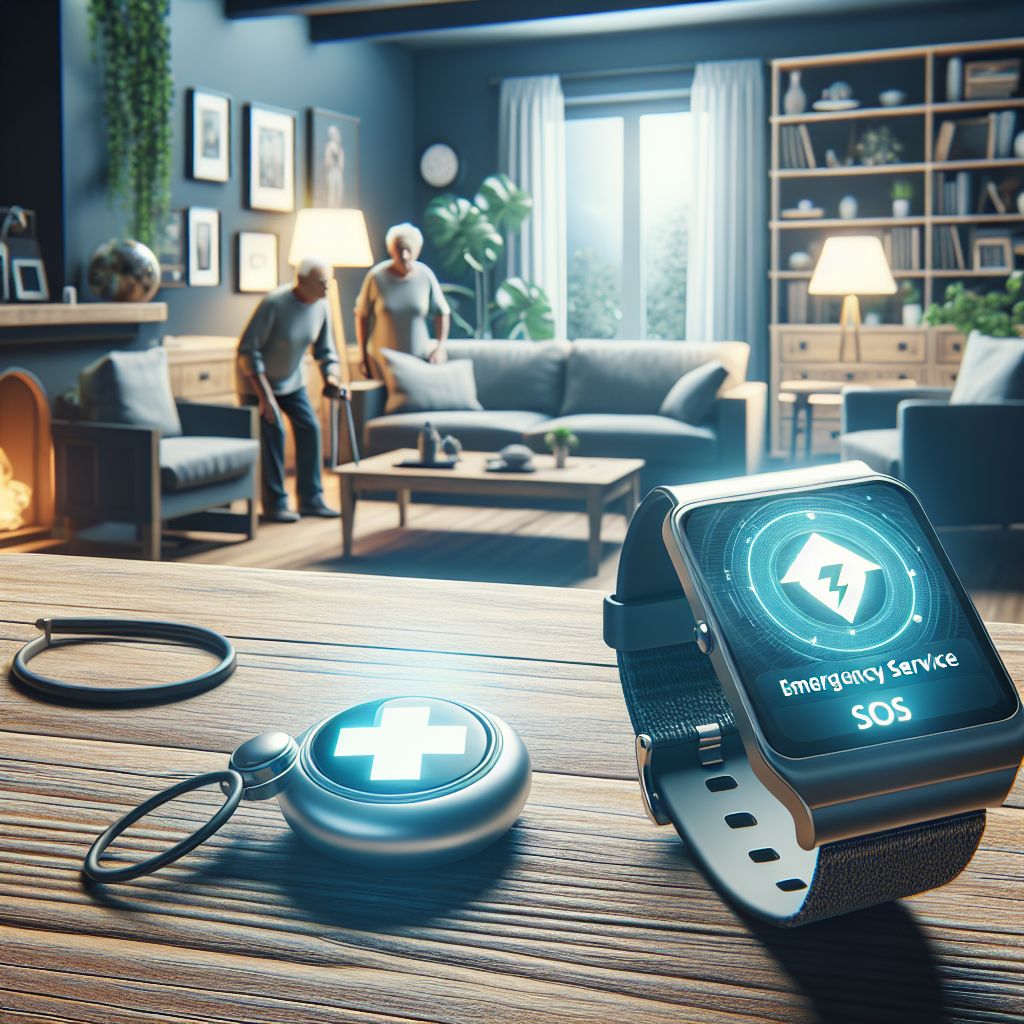
In today’s fast-paced and technologically advanced society, the integration of technology to enhance everyday life is unmistakable. For individuals with disabilities, these advancements have significantly improved accessibility, convenience, and safety. One such critical innovation is the Personal Emergency Response System (PERS).
Initially developed to assist elderly individuals in emergencies, PERS have evolved into sophisticated systems that ensure safety and independence for people of all ages and abilities. These devices and services allow individuals to summon help in an emergency situation, typically through a wearable device that connects to a response center. This center can dispatch assistance, such as medical personnel, family members, or other pre-designated contacts.
The Americans with Disabilities Act (ADA), passed in 1990, has played an essential role in promoting the development and widespread implementation of these systems. By mandating equal access to technology, the ADA has paved the way for PERS to become more accessible and sophisticated, catering to diverse needs and preferences.
PERS offer a lifeline for individuals with disabilities, providing peace of mind to users and their families. More importantly, they contribute to maintaining independence, allowing individuals to live freely while knowing help is just a button press away. This article explores the facets of PERS, including how they work, the types available, ADA compliance, and their benefits.
How PERS Work: An Overview
Understanding how Personal Emergency Response Systems operate is key to appreciating their value. The fundamental components of a PERS include:
- Wearable Transmitter: Typically designed as a pendant, wristband, or belt clip, these devices feature a button that, when pressed, signals the PERS base unit. They are lightweight, waterproof, and easy to use, ensuring comfort and functionality even during sleep or in the shower.
- Base Unit: Acting as the communication hub, the base unit connects to a telephone line or cellular network to relay signals from the transmitter to a monitoring center. Many modern base units include features such as high-sensitivity microphones and speakers for two-way communication.
- Monitoring Center: Staffed 24/7 by trained professionals, monitoring centers assess situations and dispatch appropriate help. They may contact emergency services, family members, or other designated individuals based on a pre-set protocol.
Modern PERS often integrate GPS technology, enabling accurate location tracking for users who are on the go. This feature is especially useful in emergencies where the user cannot communicate their location. By combining hardware and software, PERS provide immediate assistance and peace of mind, making them a critical tool for promoting safety and independence.
Types of PERS
PERS come in a variety of types, each tailored to meet specific needs and lifestyles. These include:
- In-Home PERS: Designed for use within the home, these systems consist of a wearable transmitter and a base unit that communicates over a landline or cellular network. They are ideal for individuals who primarily stay at home.
- Mobile PERS (mPERS): Built for active individuals, mPERS use mobile communication technology and GPS tracking to provide assistance wherever the user goes.
- Medical Alert Systems with Fall Detection: These systems use sensors to detect falls and automatically alert the monitoring center, even if the user cannot press the button.
- Automated Medication Dispensers: While not strictly a PERS, these devices ensure users take medications on time and alert caregivers if a dose is missed.
- Voice-Activated PERS: These systems allow users to summon help through voice commands, offering accessibility for individuals with limited manual dexterity.
- Customizable Emergency Plans: Many PERS systems offer tailored protocols for responding to alerts, ensuring personalized assistance.
By understanding these options, users and caregivers can select systems that best align with specific requirements and lifestyles.

ADA Compliance and PERS
The Americans with Disabilities Act (ADA) mandates that technology, including PERS, must be accessible to all individuals. ADA compliance ensures that PERS systems are inclusive and user-friendly. Key considerations include:
- Ease of Use: Devices must accommodate various physical and cognitive abilities, with large, easily pressed buttons and voice-activated options.
- Accessible Interfaces: Base units should provide visual, auditory, and tactile feedback, with adjustable volume controls and clear displays.
- Emergency Protocols: Monitoring center staff must be trained to communicate effectively with individuals who have speech, hearing, or cognitive impairments, using relay services or other aids when necessary.
- Information Accessibility: Manuals and instructional materials should be available in formats such as large print, braille, or screen-reader-compatible digital formats.
- Customization and Flexibility: Systems should offer adjustable settings and multiple ways to trigger alerts to cater to individual needs.
- Durability and Reliability: Devices must withstand daily use and environmental factors, such as water exposure, to function reliably in emergencies.
By adhering to ADA guidelines, PERS manufacturers ensure these systems are inclusive and effective for all users.
Benefits of PERS
The benefits of Personal Emergency Response Systems extend far beyond emergency assistance:
- Enhanced Safety: Immediate access to help reduces response time in emergencies, improving outcomes.
- Independence: Users can live independently without constant supervision, knowing help is always available.
- Peace of Mind: Families and caregivers gain confidence knowing their loved ones have reliable access to emergency services.
- Cost-Effective: PERS offer an affordable alternative to full-time caregivers or assisted living facilities.
- Emergency Prevention: Features like fall detection prevent minor incidents from escalating into major emergencies.
- User-Friendly Technology: Intuitive designs make PERS accessible, even for individuals who are not tech-savvy.
- Continuous Monitoring: Many systems provide 24/7 monitoring, ensuring help is available at any time.
- Customizable Features: Tailored options ensure PERS meet specific user needs, enhancing their value.
These benefits make PERS an essential tool for safety, independence, and peace of mind.
Conclusion
Personal Emergency Response Systems (PERS) are indispensable in today’s world, blending technology, safety, and accessibility. They empower individuals with disabilities, the elderly, and others with specific needs to maintain independence and live confidently.
PERS systems come in various types, each designed to cater to different lifestyles and preferences. Their compliance with ADA guidelines ensures inclusivity, enabling users to interact with the technology effortlessly and receive timely assistance. The benefits of PERS—ranging from enhanced safety to cost-effectiveness—underscore their role as a critical resource for users and caregivers alike.
Ultimately, PERS are more than just emergency devices; they are lifelines that enhance quality of life, promote dignity, and foster independence. By embracing this technology, we can create a safer and more inclusive society where everyone has the support they need to live freely and confidently.
Frequently Asked Questions
1. What is a Personal Emergency Response System (PERS) and how does it work?
Personal Emergency Response Systems, or PERS, are technological tools designed to enable individuals, especially the elderly or those with disabilities, to call for help during an emergency quickly and efficiently. These systems typically consist of a wearable device with a button, such as a pendant or wristband, which when pressed, sends an alert to a monitoring center. This alert notifies trained professionals or designated family members and friends to assess the situation and dispatch emergency services if necessary. The goal of PERS is to ensure timely assistance, thereby enhancing the safety and independence of users by allowing them to remain in their homes while still having an immediate link to help when needed.
2. Who can benefit from using a PERS?
While PERS were originally developed with seniors in mind, their usability extends to a variety of individuals who may benefit from enhanced safety measures. Besides elderly individuals who may be at higher risk of falls or medical emergencies, PERS are particularly beneficial for those with disabilities, chronic illnesses, or who are otherwise vulnerable due to health conditions. Furthermore, these systems can be essential for individuals living alone, providing peace of mind to both the users and their families by ensuring immediate access to help during emergencies. In essence, anyone who might face barriers in quickly summoning help independently can significantly benefit from these systems.
3. What advancements have been made in PERS technology to improve user experience?
Advancements in PERS technology have vastly improved user experience, adding features that go beyond the basic alert system. Today’s PERS devices often include GPS tracking, which allows for rapid location identification during emergencies, essential for those with a tendency to wander or for someone lost outside the home. Moreover, many systems now offer fall detection technology, automatically triggering an alert when a fall is detected without the user needing to press the button. Additionally, integration with smartphones and smart home devices has broadened the functionality, enabling features like medication reminders, daily check-ins, and two-way communication, allowing users to speak directly with a responder, increasing the systems’ overall utility and user interaction.
4. How secure is the data collected by PERS devices and systems?
Security and privacy are paramount concerns in the operation of PERS, given the sensitive nature of the data they handle. Most reputable PERS providers ensure that data is encrypted to protect against unauthorized access. They employ stringent data protection protocols that comply with healthcare privacy standards, such as the Health Insurance Portability and Accountability Act (HIPAA) in the United States. These measures aim to safeguard personal information including user health data, geographical location, and emergency contacts. It’s crucial for prospective users and their families to research and select PERS providers who adhere strictly to these standards to ensure both the safety and privacy of personal information.
5. Can PERS work outside of the home, and if so, how?
Yes, many modern PERS are designed to be fully functional beyond the confines of the home. Portable PERS devices equipped with cellular connectivity and GPS technology allow users to summon help from virtually anywhere with a signal, making these systems ideal for individuals who are active or frequently travel away from home. These mobile systems work by leveraging existing mobile networks to transmit alerts and location data to the monitoring center, ensuring that assistance can be dispatched to the user’s location, whether they’re in a public place or far from their residence. This capability substantially elevates the independence and safety of users, as they are assured of help availability wherever they go.