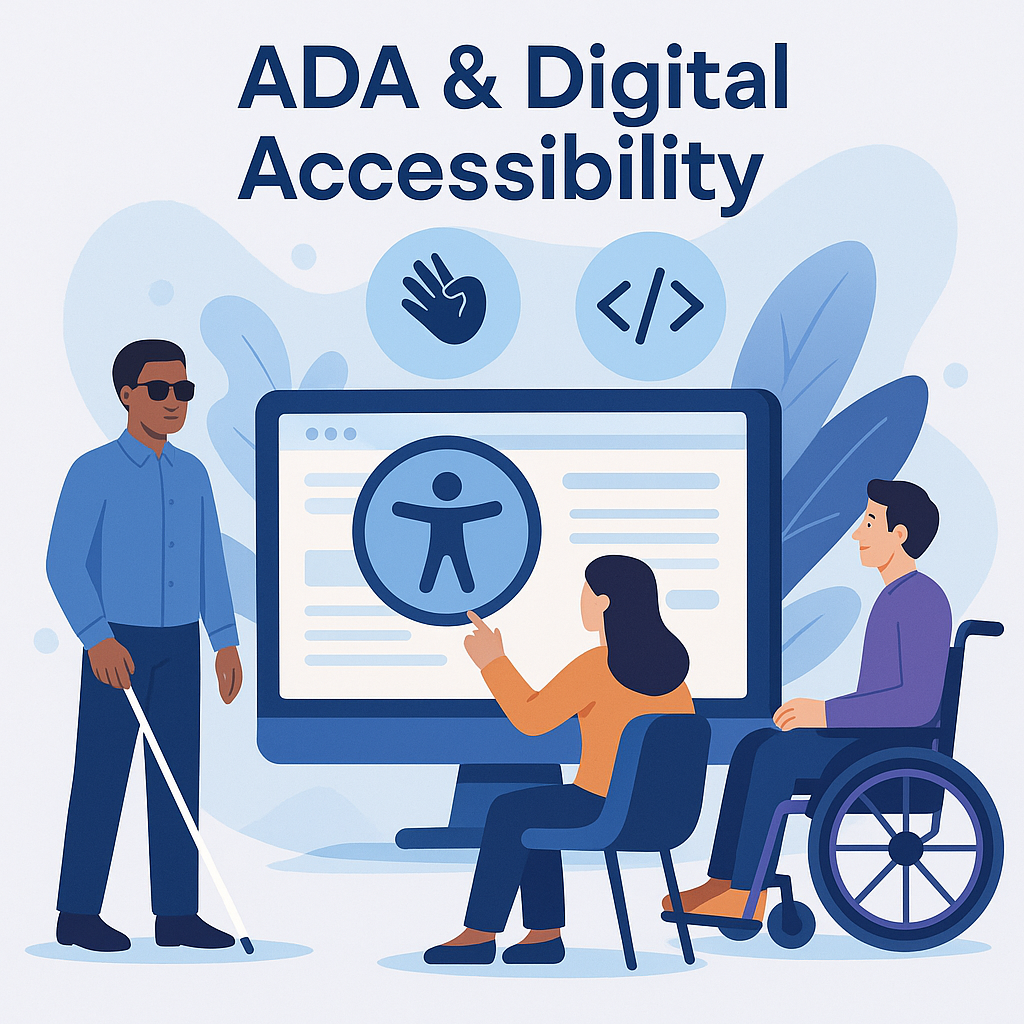
Introduction: Understanding the Importance of Digital Accessibility
The case of Gil v. Winn-Dixie Stores, Inc. is no mere footnote in legal history; it serves as a watershed moment in the realm of digital accessibility. At its core, this landmark case examined whether websites and digital platforms should comply with the Americans with Disabilities Act (ADA). The outcome has far-reaching implications, not only for legal professionals but also for businesses, web developers, and consumers alike. So, what exactly does digital accessibility mean? In simple terms, digital accessibility refers to the inclusive practice of ensuring that everyone, regardless of ability or disability, can access and use digital content available on websites, mobile apps, and other electronic media. As we dive deeper into this case, we will uncover why this matter is essential for fostering an equitable online world.
The Background: What Happened in Gil v. Winn-Dixie?
Gil v. Winn-Dixie Stores, Inc. emerged when Juan Carlos Gil, a legally blind individual, found himself unable to use the Winn-Dixie grocery store’s website. Gil, who relied on screen-reading software, argued that the inaccessibility of the website presented a barrier comparable to a physical obstruction at a brick-and-mortar store. Inaccessible digital content could prevent individuals like Gil from accessing essential information such as store locations, promotions, and online shopping. He argued that this violated the ADA, specifically Title III, which mandates that public accommodations provide equal access to goods and services for people with disabilities.
The case caught the public’s attention not only because of its focus on digital rights but also because it placed the ADA under a modern lens, questioning whether it applies solely to physical spaces or extends into the digital realm. It offered a real-world example of the struggles faced by millions of disabled individuals, impacting how online business is conducted.
The Legal Interpretations: How the Court Ruled
The Southern District Court of Florida ruled in favor of Gil, recognizing that the website’s inaccessibility constituted a violation of the ADA. According to the ruling, Winn-Dixie was required to update its site to include features accommodating screen readers, making their digital platform accessible to blind users. While the court did not explicitly state that all websites must adhere to ADA standards, it did establish that there was a strong connection between the physical locations of the business and its digital space. The result brought a wave of scrutiny upon numerous businesses, nudging them toward prioritizing digital accessibility.
This ruling was monumental because it set a precedent that legal obligations could extend into cyberspace. Understanding the court’s decision illuminates the critical issue businesses face in adapting their online platforms to ensure compliance with accessibility guidelines.
Real-World Impact: How Businesses and Consumers are Affected
The impact of the Gil v. Winn-Dixie case transcends legal circles, forcing businesses to strike a balance between cost, technology, and compliance. Many companies had to reassess their online strategies to mitigate similar litigation risks. Real-world examples soon followed; large corporations like Amazon and Netflix began evaluating the accessibility of their digital platforms. These changes underscore the case’s importance in prompting businesses to prioritize inclusive design, benefiting not only people with disabilities but enhancing the user experience for all consumers.
- Avoidance of legal repercussions
- Expanded customer base
- Improved SEO (Search Engine Optimization)
- Enhanced brand reputation
These real-world examples demonstrate that companies augmenting their digital channels to become ADA-compliant find not only reduced legal risks but also better customer satisfaction and loyalty. Improved accessibility often correlates with improved search engine performance, benefiting businesses by broadening their consumer outreach.
Challenges and Considerations: Obstacles to Digital Accessibility
Despite the undeniable importance of digital accessibility, challenges persist for businesses attempting to adapt. Many small- to medium-sized enterprises grapple with financial constraints, struggling to afford the technological upgrades needed to meet compliance standards. Additionally, the lack of clear legislative guidance on digital accessibility leaves many businesses in a gray area, unsure of the specific requirements needed to avoid legal pitfalls.
In other cases, companies encounter technical barriers ranging from outdated systems that cannot support modern accessibility features to inadequately trained staff who lack the expertise necessary for implementing these changes. These challenges highlight the complexity of adhering to accessibility standards, emphasizing the need for clear guidelines and support for businesses undergoing these transformations.
For example, a family-run bakery may face difficulties when adjusting its website to offer features like alternative text descriptions for images or keyboard navigation. When larger corporations experience similar setbacks, the impact is magnified, underscoring the critical need for industry cooperation.
The Ripple Effect: The Broader Significance of Gil v. Winn-Dixie
The ripple effects of Gil v. Winn-Dixie extend beyond the businesses themselves. Society at large benefits from enhanced digital accessibility, contributing to a more inclusive community where every individual has equal access to information and services. The case has sparked increased awareness, inspiring advocates, activists, and policymakers to continue pushing for robust changes in legislation and corporate practices.
| Stakeholder | Impact |
|---|---|
| Businesses | Heightened need for ADA compliance, potential tech upgrades |
| Consumers | Greater access to information, improved overall user experience |
| Legal System | Stronger precedent-setting, influence on future cases |
By influencing key stakeholders, the case exemplifies how a legal ruling can catalyze change across multiple domains, fostering a deeper understanding of the value of accessible technology.
Conclusion: The Path Forward for Digital Accessibility
The Gil v. Winn-Dixie Stores, Inc. case underscores the transformative potential of legal actions in driving digital accessibility. Through its influential ruling, the case has prompted a significant reevaluation of modern business practices, highlighting critical areas of improvement. For businesses still lacking compliant digital platforms, the case serves as a warning and a call to action. Fostering inclusive environments is no longer a mere ethical consideration; it is a legal and business imperative.
As we move closer to a future where digital accessibility becomes the norm rather than the exception, the lesson remains clear: inclusivity benefits everyone. From enhanced user experiences to expanded community outreach, businesses stand to gain considerably from prioritizing accessibility initiatives. For readers ready to take action, consider evaluating your own digital landscapes for accessibility gaps and embracing software and design solutions that include everyone. Let Gil v. Winn-Dixie be more than just a legal milestone; let it be a step towards real-world change.
Frequently Asked Questions
1. What is the case of Gil v. Winn-Dixie Stores, Inc. about?
The case of Gil v. Winn-Dixie Stores, Inc. centers around whether websites and digital platforms are required to comply with the Americans with Disabilities Act (ADA). It’s a crucial point of discussion for digital accessibility, as more activities are conducted online. The plaintiff, Mr. Gil, argued that the Winn-Dixie website wasn’t accessible to him as a legally blind individual using screen-reading software. This case questions if online sites should be considered “places of public accommodation” under the ADA, similar to physical spaces like stores and restaurants, which need to be accessible to people with disabilities. The outcome of this case provided valuable insights for businesses, legal minds, and technology developers, emphasizing the need for accessible digital experiences.
2. Why is this case considered a landmark in digital accessibility?
Gil v. Winn-Dixie Stores, Inc. is seen as a landmark because it addresses a gray area in the ADA concerning its application to digital spaces. With the advancement of technology, the internet has become an integral part of everyday life—whether it’s shopping online, managing finances, or simply connecting with others. However, not all websites are built with accessibility in mind, often limiting or completely restricting access for individuals with disabilities. This case raised significant attention to this issue, pushing forward the conversation about what it means for a website to be accessible and setting precedence for future legal interpretations regarding digital accessibility. It serves an educational role, proving how necessary it is for organizations to prioritize inclusivity in both physical and digital platforms.
3. What impact does this case have on businesses?
The outcome of Gil v. Winn-Dixie Stores, Inc. has a profound impact on businesses of all sizes. For one, it signifies the importance of ensuring their websites are in compliance with accessibility standards, like the Web Content Accessibility Guidelines (WCAG). Companies now have a stronger impetus to audit their digital offerings to identify and rectify accessibility barriers that might hinder individuals with disabilities. Failure to do so not only risks alienating a significant portion of the consumer market but also exposes businesses to potential litigation and legal challenges. More broadly, this case acts as a clarion call for companies to prioritize digital accessibility, integrating it into their broader inclusivity and diversity strategies. Ultimately, embracing the principles highlighted by this case can enhance a company’s reputation, broaden its customer base, and mitigate legal risks.
4. How does this case influence web developers and digital designers?
Web developers and digital designers are essential players in the realm of digital accessibility. The Gil v. Winn-Dixie ruling brings their responsibility to the forefront, urging them to incorporate accessibility best practices right from the design and development stages of a project. This case stresses the importance of using semantic HTML, alt text for images, keyboard navigability, and ensuring compatibility with screen readers. Developers are encouraged to familiarize themselves with the WCAG and other accessibility standards, recognizing that accessibility is not just a feature to add at the end but an inherent aspect of good web design. By embracing these principles, developers and designers can create more inclusive digital environments, potentially setting themselves apart in a competitive job market where accessibility expertise is increasingly valued.
5. How does this case affect consumers, particularly those with disabilities?
For consumers, especially those with disabilities, the Gil v. Winn-Dixie case represents a step towards greater inclusivity in the digital world. It serves as a beacon of advocacy, highlighting that digital access is a right, not a privilege. The ruling enforces the notion that consumers should have equitable access to digital content, just as they do in physical spaces. This increased attention to digital accessibility promises a more seamless online experience for individuals with disabilities, allowing them greater independence and empowerment in navigating and participating in today’s digital landscape. Furthermore, by bringing awareness to these issues, the case amplifies the voices of those advocating for their rights, promoting an environment where conversations about equality and access can thrive. As more websites adhere to accessibility standards, the digital world becomes a more inclusive place for everyone.


