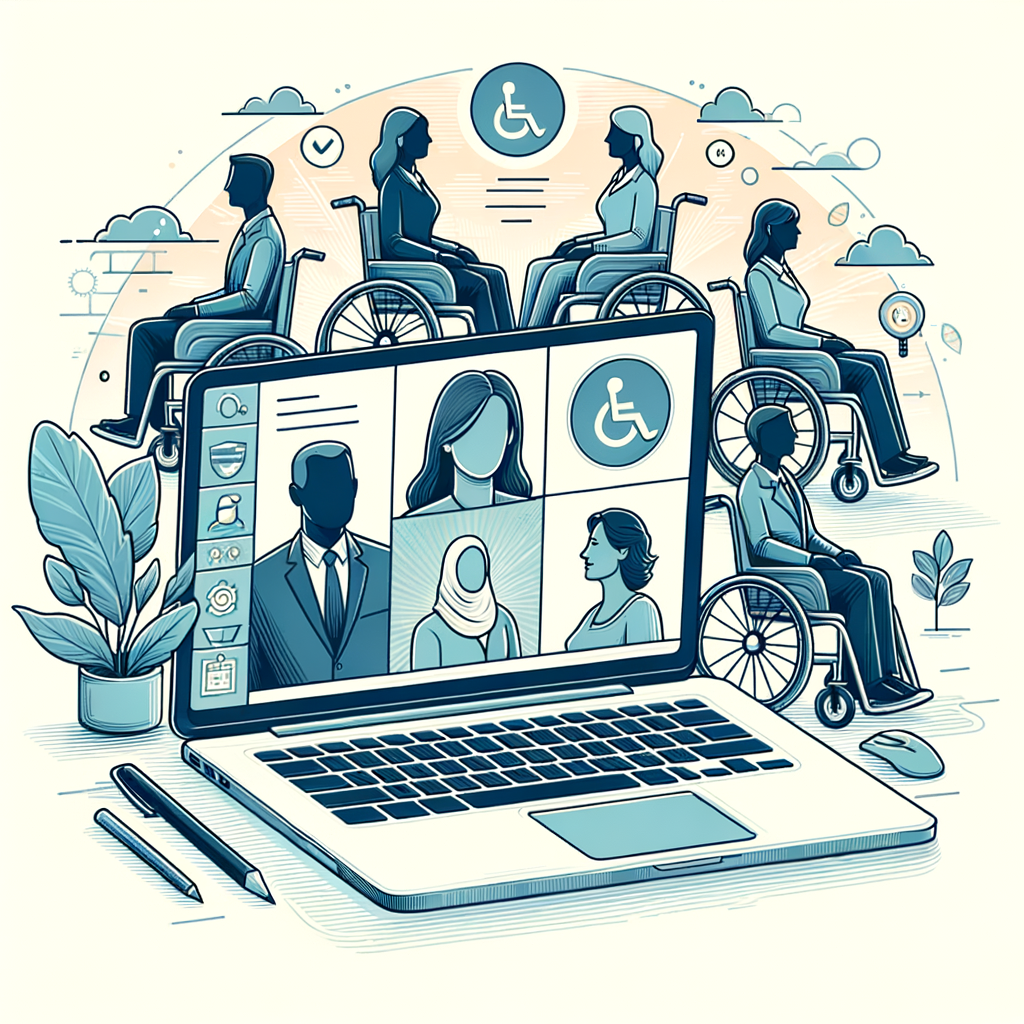
The Americans with Disabilities Act (ADA) represents a landmark shift in public policy and understanding concerning disability rights. Since its enactment in 1990, the ADA has paved the way for more inclusive environments, ensuring equal opportunity for individuals with disabilities. In today’s fast-paced digital world, educational webinars and online learning resources play an essential role in understanding and implementing the provisions of the ADA. This article will explore how these digital tools offer accessible, comprehensive insights and training on the ADA, enhancing compliance and fostering inclusivity. As technology evolves, online resources become increasingly valuable, offering interactive, on-demand education that bridges the gap between legal mandates and practical application. This introduction sets the stage for a comprehensive discussion on why online learning resources are critical and how they significantly impact various stakeholders, from educators to employers.
Webinars and online learning resources have become indispensable in disseminating crucial information about the ADA to a broad audience. They provide on-demand access to expert insights, guidance, and strategies for implementing ADA guidelines effectively. Online platforms have removed barriers to education and awareness, making it easier for organizations, educators, and individuals to stay informed about their responsibilities and the rights enshrined within the ADA. This increased access means that everyone from business owners to teachers can learn at their own pace, making the ADA’s principles more widely understood and applied. As we delve deeper, will see how specific webinars and online learning resources tailor their content to meet the varied needs of their audiences, ultimately supporting a more inclusive society.
Benefits of Educational Webinars on the ADA
Educational webinars on the ADA provide a dynamic platform for learning and gaining insights directly from experts in the field. These sessions often feature live discussions, engaging presentations, and real-time interactions with professionals who have substantial experience in ADA compliance and implementation. Such immediate access to knowledgeable sources can be incredibly beneficial for individuals and organizations seeking to understand or refine their approach to accessibility under the ADA framework. Webinars typically offer opportunities for questions, fostering an interactive learning environment that encourages deeper engagement with the material.
One of the most significant benefits of webinars is the ability for participants to engage with the content in real-time. This ensures that queries specific to an organization’s context can be addressed, providing practical advice alongside theoretical knowledge. With the option of participating from anywhere, individuals who would otherwise have barriers to attending traditional in-person events due to geographical constraints can benefit equally from these educational opportunities. Many webinars are also recorded, allowing for asynchronous learning where participants can revisit the content at their convenience, reinforcing learning and catering to various learning styles. This flexibility underscores the webinars’ inclusivity, reflecting the ADA’s own purpose of removing barriers.
Online Learning Platforms and Resources
Online learning platforms offer a variety of resources that are particularly useful for ADA education. These platforms range from university-sponsored courses to independent programs offered by specialized agencies or non-profit organizations dedicated to disability rights and accessibility issues. Coursera, edX, and Udemy, for instance, provide a plethora of courses on disability rights, which include in-depth modules on the ADA, designed to cater to different knowledge levels. Modules often explore the historical context of the ADA, its impact over time, current challenges, and the best practices for compliance.
These resources often include interactive components such as quizzes, discussion forums, and case studies, which are integral to retaining and applying information. Many platforms offer certificates upon completion, which can serve as tangible attestations of one’s commitment to advancing their understanding of ADA compliance. Additionally, specialized training from legal experts and practitioners can often be found through these platforms, providing authoritative perspectives. As such, online learning resources have become invaluable for ensuring ADA compliance and understanding among employers, educators, architects, and legal professionals, making them a pivotal part of professional development in these fields.
Targeted Learning Programs
Targeted learning programs within online platforms often cater to specific industry needs, offering tailored advice on ADA compliance relevant to particular sectors. The healthcare industry, for instance, requires nuanced understanding of accommodations, reasonable modifications, and policy formation. Specialized webinars and courses can hone in on these industry-specific nuances, equipping participants with practical strategies. Similarly, educational institutions benefit from programs that focus on making curricula accessible for students with disabilities, utilizing assistive technologies and adaptive learning strategies as instructed by ADA provisions.
The tourism and hospitality sectors, similarly, take advantage of directed learning opportunities that focus on accessibility standards pertinent to public accommodations and service modifications. By diving into industry-specific challenges and solutions, targeted learning ensures that participants gain applicable knowledge that directly impacts their professional roles and customer interactions. This targeted approach exemplifies how online learning resources can effectively cater to diverse professional fields, enhancing the ADA’s reach and application.
Role of Government and Non-Profit Organizations
Government agencies and non-profit organizations play crucial roles in providing freely accessible webinars and online resources on the ADA. The U.S. Department of Justice (DOJ) and the Equal Employment Opportunity Commission (EEOC) are among the government entities that offer guidelines, training materials, and webinars to help entities comply with ADA requirements. These resources often feature updates on ADA rulings and interpretations, providing organizations with the most current legal information necessary to ensure compliance.
Non-profits such as the ADA National Network offer comprehensive educational materials that articulate ADA principles in straightforward language, often providing region-specific information that addresses local compliance nuances. These organizations aim to bridge knowledge gaps by offering free or low-cost educational materials, ensuring that ADA education is accessible to all interested parties regardless of financial constraints. Their role is indispensable in advocating for widespread understanding and adherence to ADA standards, reinforcing the ongoing movement towards inclusivity and equality for individuals with disabilities.
Understanding ADA Guidelines through Case Studies
Case studies offer practical insights into the application of ADA guidelines, illuminating the challenges and successes encountered in real-world scenarios. By analyzing specific cases, participants can understand the complexities of implementing ADA standards and the potential impact of different approaches to compliance. Webinars and online courses frequently use case studies to illustrate the practical application of ADA provisions, providing tangible examples of how businesses and organizations can navigate compliance issues.
Educational case studies can cover various topics from the modification of public spaces to accommodate wheelchair access, the revision of workplace policies to support employees with disabilities, and the integration of assistive technologies within educational settings. By presenting multiple perspectives and outcomes, case studies serve as invaluable learning tools, teaching participants about potential pitfalls and best practices. This focus on real-world application helps demystify ADA compliance, making the law’s intentions and requirements more accessible and understandable for all stakeholders involved.
Expanding Accessibility through Technology
The digital age has significantly advanced ADA education by enabling the creation of more innovative outreach strategies. Technology-driven platforms incorporate various multimedia formats, including video tutorials, interactive modules, and downloadable content—each designed to enhance the learning experience and cater to different learning preferences. Through the use of these technologies, webinars and online resources become more engaging and effective, holding participants’ attention and improving retention of the material covered.
Moreover, technology enables platforms to incorporate various accessibility features, such as closed captioning, screen readers compatibility, and adjustable text sizes and colors to accommodate diverse learner needs. This adaptability allows educational content to transcend physical and sensory barriers, closely aligning with the ADA’s central tenet of inclusivity. As technology continues to evolve, the scope and reach of ADA educational resources are anticipated to expand, further supporting efforts to create an equitable society where information is universally accessible.
Continuous Learning and Professional Development
Continuing education remains a core component of professional development, particularly in fields impacted by ADA regulations. Employers are increasingly understanding the importance of investing in ongoing ADA education for their teams to remain compliant, reduce the risk of non-compliance consequences, and enhance their service delivery standards. Online learning resources offer an efficient way to implement continuous training programs that are not bound by geographical or scheduling constraints.
The continuous learning model fosters a proactive approach that goes beyond mere compliance, empowering professionals to innovate solutions and enhancements that align with the ADA’s vision. Regular updates and refreshers on ADA stipulations through webinars and courses keep professionals abreast of legislative changes and emerging practices, ensuring organizations consistently uphold their commitment to accessibility and inclusion. Continuous professional development in ADA comprehension is not only imperative for legal compliance but is also crucial in fostering workplaces and environments that resonate with societal values of equality and respect.
Conclusion
In conclusion, educational webinars and online learning resources are instrumental in effective ADA education, offering accessible, flexible, and diverse learning solutions that meet varied needs and circumstances. They play a crucial role in bridging the knowledge gap, enabling stakeholders across different sectors to effectively implement ADA guidelines and foster inclusivity. These digital tools facilitate on-demand, comprehensive learning experiences, from interactive webinars to industry-specific courses and case studies, supporting ongoing professional development and proactive engagement with ADA compliance.
With the continuous evolution of technological advancements, the reach and efficacy of ADA educational resources are set to expand, offering even greater opportunities to engage with and understand the law’s nuances. Their role in empowering businesses, educators, and professionals cannot be overstated; not only do they aid in legal compliance, but they also champion a broader mission of creating environments that promote equality and respect for all individuals. As online resources continue to innovate, they promise a future where ADA education is universally accessible, helping to build a more inclusive society for everyone.


