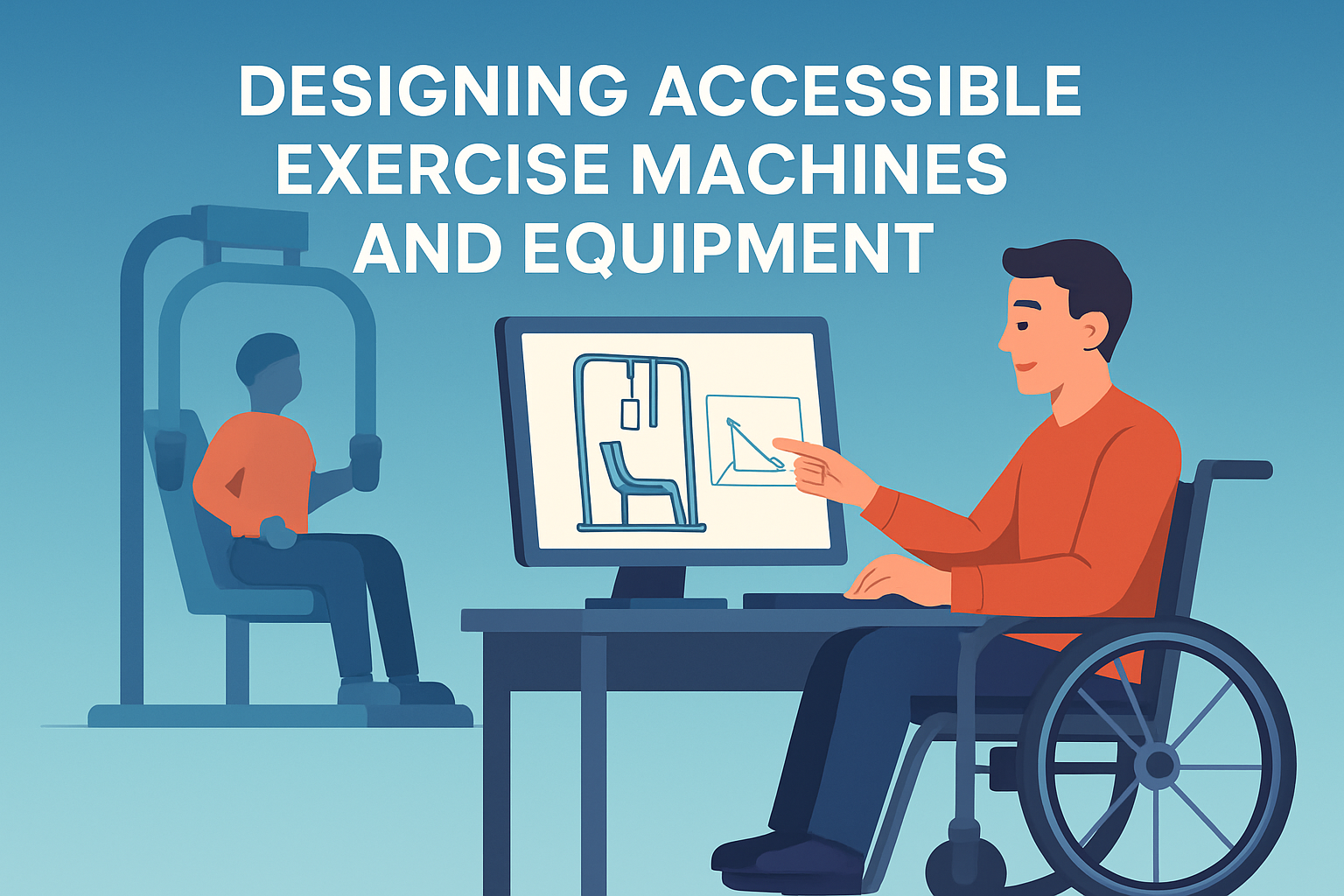
In an increasingly health-conscious world, the importance of exercise cannot be overstated. Regular physical activity contributes to overall wellbeing, reduces the risk of chronic diseases, and enhances mental health. However, many individuals face barriers when it comes to accessing fitness opportunities, particularly for those with disabilities. Designing accessible exercise machines and equipment is crucial for removing these barriers and promoting inclusivity in fitness environments.
Accessibility in this context refers to creating exercise equipment that can be used by individuals regardless of their physical abilities. This includes designing machines that consider diverse needs, such as adjustable features for users with mobility impairments, visual guidance systems for those with visual impairments, and enhanced safety mechanisms. By developing more inclusive fitness equipment, we can ensure that everyone has equal opportunities to engage in physical activity, leading to a more equitable and healthy society.
With a significant portion of the population living with some form of disability, the demand for accessible exercise options has never been higher. Organizations and manufacturers have a responsibility to meet this demand and create solutions that cater to a wide range of abilities. By prioritizing accessible design, gyms and fitness centers can expand their user base, improve customer satisfaction, and contribute positively to public health. This article will explore the essential aspects of designing inclusive exercise machines, using real-world examples to highlight effective strategies and innovations in this field.
Understanding the Needs of Diverse Users
The first step in designing accessible exercise equipment is understanding the diverse needs of potential users. This includes recognizing the various types of disabilities and identifying the common challenges people face when using standard fitness equipment. Individuals with mobility impairments may require machines with adjustable seating and handholds, while those with visual impairments might benefit from guided audio instructions and high-contrast displays.
Consider the example of seated elliptical machines. These are particularly beneficial for individuals with limited lower-body mobility. Such equipment often includes adjustable seating options that allow users to maintain a comfortable and stable position while exercising. Additionally, incorporating easy-to-reach handrails and accommodating various user heights can further enhance accessibility.
To address the needs of users with sensory impairments, designers can incorporate features such as tactile feedback and customizable auditory cues. Ensuring that machines are usable by individuals with hearing impairments, for instance, requires visual indicators and screen displays with large, high-contrast fonts. By considering these needs from the outset of the design process, manufacturers can create exercise equipment that truly meets the requirements of all potential users.
Incorporating Universal Design Principles
Universal design principles emphasize creating products that are usable by everyone, to the greatest extent possible, without the need for adaptation or specialized design. These principles can be applied to exercise equipment to enhance accessibility for a wide range of users. Features such as adjustable resistance levels, dual-functioning handles, and ergonomic designs are integral to developing inclusive equipment.
A real-world example of universal design in action is the hand cycle, a piece of equipment designed for both non-disabled users and those with limited leg mobility. Hand cycles enable users to perform cardiovascular exercises using their arms, catering to a broad audience. The design includes adjustable seating, handlebar configurations, and pedal resistance, allowing users to tailor the machine to their needs.
Such equipment not only promotes inclusivity but also encourages participation in physical activity by making exercise more approachable for individuals with different abilities. By prioritizing universal design, manufacturers can demonstrate their commitment to accessibility and consider the broader spectrum of user needs.
Integrating Technological Innovations
Technology plays a significant role in enhancing the accessibility of exercise equipment. By integrating cutting-edge features into fitness machines, designers can create more versatile and inclusive products. One innovative approach is the use of smart technology, which allows machines to adapt to individual users’ needs and preferences.
For example, Bluetooth compatibility and mobile app integration can offer personalized workout programs for users of varying abilities. Users can connect their devices to fitness equipment to follow tailored exercise routines, track their progress, and receive real-time feedback. Additional technological advancements, such as voice-activated controls and interactive displays, offer users with visual or mobility impairments an enhanced exercise experience.
Creating Safe and Supportive Environments
Safety is a top priority when designing accessible exercise equipment. It’s essential that users feel secure when using fitness machines, particularly those with disabilities. Safety features such as emergency stop buttons, padded surfaces, and sturdy construction can prevent accidents and injuries, ensuring a welcoming environment for all users.
An example of prioritized safety is the seated rowing machine, which often includes a built-in safety stop mechanism. This feature allows users to easily pause their workout in case of discomfort or malfunction, thereby reducing the risk of injury. Such safety considerations instill confidence in users and help create a supportive atmosphere.
Maintaining a clean and unobstructed layout within gym facilities is equally important. Ensuring that equipment is spaced appropriately allows users to navigate the area with ease, particularly for those using mobility aids. By fostering a safe and supportive environment, gyms and fitness centers can encourage individuals with disabilities to participate in physical activity confidently.
Collaborating with Users and Experts
Involving individuals with disabilities and accessibility experts in the design process is a critical step in developing effective exercise equipment. Their insights and experiences can provide valuable guidance in identifying potential barriers and crafting solutions that address specific needs.
A collaborative approach was taken by a prominent fitness equipment manufacturer in developing a new line of accessible strength training machines. They worked closely with physical therapists, occupational therapists, and individuals with disabilities to gather insights on functionality and usability. This collaboration resulted in the creation of equipment that accommodates various abilities, featuring adjustable resistance, ergonomic grips, and adaptable seating options.
By prioritizing user feedback and expert advice, manufacturers can ensure their products are truly inclusive and meet the diverse needs of the fitness community. Collaboration not only enhances the design process but also fosters a sense of belonging among users, reinforcing the commitment to accessibility.
Examples of Accessible Exercise Equipment
| Equipment | Accessibility Features | Benefits |
|---|---|---|
| Seated Elliptical | Adjustable seating, easy-to-reach handrails | Supports individuals with limited lower-body mobility |
| Hand Cycle | Universal design, adjustable handlebar | Enables cardiovascular exercise for limited leg mobility |
| Rowing Machine | Emergency stop, padded surfaces | Enhances safety and comfort during exercise |
| Treadmill with Visual Displays | High-contrast screens, audio guidance | Assists users with visual or hearing impairments |
The Future of Accessible Exercise Equipment
As the demand for inclusive exercise options continues to grow, the future of accessible exercise equipment is promising. Manufacturers and designers are increasingly recognizing the importance of integrating accessibility features into their products, resulting in more innovative and user-friendly solutions.
Looking ahead, advancements in technology and materials will likely lead to smarter, more adaptable equipment. We can expect to see products that offer real-time biometric analysis, adaptive resistance systems, and virtual reality workout experiences tailored to individual users. These developments will further enhance the accessibility and enjoyment of exercise for people with diverse abilities.
In addition, the continued focus on universal design principles and collaborative efforts will contribute to a more inclusive fitness culture. As awareness and understanding of accessibility issues increase, we can anticipate a more diverse and engaged fitness community, benefiting both individuals and society as a whole.
Key Takeaways and Call-to-Action
In conclusion, designing accessible exercise machines and equipment is a crucial endeavor that acknowledges the diverse needs of all potential users. By understanding unique user requirements, incorporating universal design, and leveraging technological innovations, manufacturers can create inclusive fitness solutions that promote an active lifestyle for individuals with disabilities.
Creating safe and supportive environments is equally important, ensuring that all users feel secure and confident when engaging in physical activity. Collaboration with users and accessibility experts can further enhance the design process, resulting in equipment that truly meets the needs of the fitness community.
The future of accessible exercise equipment is promising, with continued advancements expected to revolutionize the fitness industry. As designers and manufacturers prioritize inclusivity, they contribute to a more equitable and healthy society. For fitness facilities and individuals, the call-to-action is clear: embrace accessible solutions and champion inclusivity in all aspects of health and wellness.
Frequently Asked Questions
1. Why is designing accessible exercise equipment important?
Designing accessible exercise equipment is fundamental for creating an inclusive fitness environment that caters to everyone, including individuals with disabilities. It’s not just about complying with legal standards like the Americans with Disabilities Act (ADA); it’s about understanding that exercise is a vital aspect of overall well-being. Regular physical activity is known to decrease the risk of chronic illnesses such as heart disease, diabetes, and obesity. Moreover, it plays a crucial role in enhancing mental health by reducing anxiety, depression, and negative mood. When exercise equipment is accessible, it eliminates barriers and allows people with diverse physical abilities to participate fully and enjoy the benefits of regular physical activity. This inclusivity not only enriches the lives of individuals with disabilities but also promotes diversity and understanding in fitness spaces, encouraging an atmosphere of support and equality.
2. What features should accessible exercise machines include?
Accessible exercise machines should be designed with a variety of features to accommodate the needs of users with different abilities. Essential features often include adjustable seats, allowing for easy transfer from a wheelchair or customization for individual height requirements. Machines should also have simple, intuitive controls that are clearly labeled and within reach of wheelchair users. Additional space around equipment is critical to provide ease of movement, ensuring users can navigate safely. Equipment can also incorporate features like larger handles or grips and easily adjustable resistance levels to accommodate users with reduced hand strength or dexterity. Furthermore, some machines might include visual and auditory cues to guide users with sensory impairments, enhancing their ability to operate the equipment independently. Offering these features ensures that individuals can exercise comfortably, safely, and effectively, ultimately encouraging them to return and maintain a regular fitness regimen.
3. How can gyms and fitness centers better accommodate individuals with disabilities?
Gyms and fitness centers can take multiple steps towards better accommodation of individuals with disabilities, creating an environment where everyone feels welcome. Firstly, they should conduct accessibility audits to identify any physical or logistical barriers within their facilities. This includes ensuring all doorways, pathways, and equipment areas are wide and clutter-free. Staff training is crucial, focusing on inclusivity and sensitivity to the unique needs of disabled members, providing assistance when necessary while respecting their independence. Offering adaptive fitness programs or classes specifically designed for individuals with disabilities can encourage participation and foster a sense of community. Furthermore, advertising these accessible features and programs through their marketing efforts will help inform potential members with disabilities about the available amenities. Establishing partnerships with local disability organizations can provide valuable insights and feedback to improve services continually. By taking these proactive measures, fitness centers can become truly inclusive, healthy spaces that champion diversity and accessibility.
4. What are some common challenges faced when designing accessible exercise equipment?
Designing accessible exercise equipment comes with its own set of challenges. One of the primary challenges is the balance between inclusivity and functionality for a broad audience. Equipment needs to be adaptable for users with a wide range of physical abilities while still remaining efficient for those without disabilities. Achieving this balance often requires innovative engineering and design solutions, which can sometimes increase manufacturing costs. Another challenge is ensuring that the equipment meets safety standards while being easy to operate independently by users with disabilities. Manufacturers also need to consider spatial requirements—equipment must be compact enough to fit in various fitness settings but also large enough to allow for accessible use. Finally, there’s the challenge of aesthetic appeal; it’s important that accessible equipment doesn’t appear medical or clinical, which can deter non-disabled users. Designers and engineers must collaborate closely with disabled communities to understand their needs and preferences, resulting in equipment that is both functional and empowering for all users.
5. What role do user feedback and testing play in creating accessible exercise machines?
User feedback and testing are invaluable components of designing accessible exercise machines. Engaging directly with individuals who have disabilities allows designers and manufacturers to gain firsthand insights into the specific needs and challenges these users face. Through focus groups, usability testing, and pilot programs, users can provide critical feedback on various aspects of a machine’s design, such as ease of use, comfort, and accessibility. Testing ensures that the equipment meets the intended inclusive design goals and identifies any unforeseen issues that could hinder usability. This collaborative approach not only helps refine product features but also inspires design innovations that may not have been considered without user input. By prioritizing user feedback and rigorously testing prototypes, manufacturers can create exercise machines that genuinely meet the diverse needs of all individuals, encouraging widespread adoption and promoting a more inclusive fitness culture.