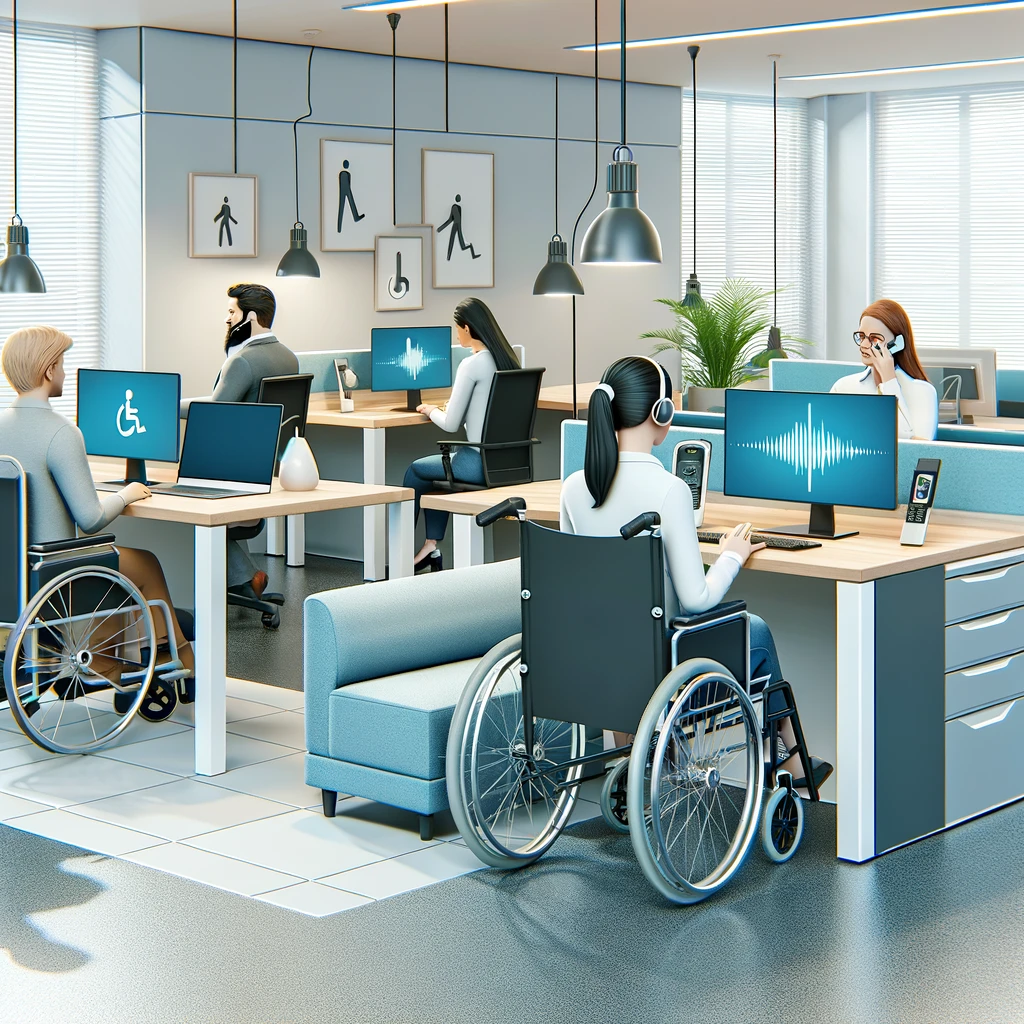
The Americans with Disabilities Act (ADA) is a landmark piece of legislation that has had a profound impact on various sectors, including the entertainment industry. Title III of the ADA specifically addresses public accommodations and services operated by private entities. This title has helped to ensure that people with disabilities have equal access to entertainment venues such as theaters, stadiums, concert halls, and museums. Over the years, the entertainment industry has made significant strides towards inclusivity, spurred by the requirements of the ADA. This article explores the transformative impact of ADA Title III on the entertainment industry, shedding light on the challenges faced, solutions implemented, and the ongoing journey towards full accessibility.
The ADA, passed in 1990, is designed to eliminate discrimination against individuals with disabilities and guarantee their full participation in society. Title III mandates that places of public accommodation, including entertainment venues, must be accessible to people with disabilities. This includes removing physical barriers and ensuring that facilities and services are usable by all. The entertainment industry, with its diverse and expansive range of venues, has had to adapt significantly in response to these regulations.
One of the primary impacts of ADA Title III is the requirement for physical accessibility. This includes wheelchair ramps, accessible seating, and restrooms. Additionally, it encompasses making accessibility-related modifications to existing structures or ensuring that new constructions comply with ADA guidelines. For many establishments, these changes required significant investments of time and resources. However, the benefits of creating inclusive environments have proven to be invaluable, not just for individuals with disabilities, but for the community at large.
Challenges in Implementation
Implementing the ADA’s requirements has not been without its challenges. One of the primary issues has been the financial cost associated with making older buildings compliant with accessibility standards. Many historic theaters and concert venues, for example, were constructed long before accessibility was a consideration. Retrofitting these buildings can be expensive and complex, often requiring significant structural modifications.
Another challenge has been ensuring that staff and management are adequately trained on ADA requirements and best practices for accessibility. This includes not just understanding the physical requirements, but also being aware of the needs and rights of people with disabilities. The entertainment industry has had to invest in training programs to ensure that employees are equipped to provide excellent service to all patrons, regardless of their abilities.
Moreover, the scope of ADA compliance extends beyond physical accessibility to also include auxiliary aids and services. For example, movie theaters must provide captioning and audio description for individuals who are deaf or blind. Ensuring that these technologies are available and functioning properly is an ongoing challenge that requires constant vigilance and updating.
Despite these challenges, the entertainment industry has made significant progress in becoming more inclusive. The commitment to accessibility has become a core value for many companies, driving innovation and improvement across the sector.
Innovative Solutions
In response to the ADA’s requirements, the entertainment industry has developed a range of innovative solutions to enhance accessibility. One notable example is the installation of assistive listening systems in concert halls and theaters. These systems amplify sound and deliver it directly to individuals’ hearing aids or cochlear implants, significantly improving the listening experience for those with hearing impairments.
Another innovation is the widespread adoption of closed captioning and descriptive audio in movie theaters. Modern digital projection technologies have made it easier and more cost-effective to provide these accessibility features. Many theaters now offer devices that allow patrons to view captions or listen to audio descriptions in sync with the movie, ensuring that everyone can enjoy the full cinematic experience.
In addition to technological advancements, design innovations have also played a critical role in enhancing accessibility. Universal design principles, which aim to create environments usable by all people without the need for adaptation or specialized design, have become increasingly prevalent. This approach not only benefits individuals with disabilities but also enhances the overall usability and comfort of the venue for all patrons.
The entertainment industry has also embraced the concept of sensory-friendly performances. These are specially designed performances with adjusted lighting, sound levels, and other elements to create a more comfortable and enjoyable experience for individuals with sensory processing disorders, such as autism. Many theaters and concert venues now offer sensory-friendly options, ensuring that everyone has the opportunity to participate in and enjoy live entertainment.
Ongoing Efforts and Advocacy
The journey towards full accessibility is ongoing, and the entertainment industry continues to make strides in this area. Advocacy plays a crucial role in driving these efforts. Organizations dedicated to disability rights, such as the National Association of the Deaf and the American Council of the Blind, work tirelessly to advocate for better accessibility in entertainment and other public accommodations.
Partnerships between entertainment venues and disability advocacy organizations have been instrumental in identifying areas for improvement and implementing effective solutions. These collaborations ensure that the voices of individuals with disabilities are heard and that their needs are addressed. Feedback from the disability community is invaluable in guiding the development of more inclusive practices and policies.
Additionally, the entertainment industry must stay abreast of evolving regulations and standards related to accessibility. The ADA is a dynamic piece of legislation, and amendments or new interpretations can impact compliance requirements. Remaining informed and proactive in addressing these changes is essential for continued progress in accessibility.
Education and awareness are also key components of ongoing efforts to improve accessibility. By fostering a culture of inclusivity and understanding, the entertainment industry can continue to break down barriers and ensure that everyone has the opportunity to enjoy their favorite activities.
The Role of Technology
Technology continues to play a significant role in advancing accessibility within the entertainment industry. The development and implementation of new technologies have opened up countless opportunities for innovation and improvement. From virtual reality experiences to mobile apps providing real-time translations and descriptions, technology is transforming the way individuals with disabilities engage with entertainment.
One exciting area of technological advancement is virtual reality (VR). VR has the potential to revolutionize the accessibility of entertainment by providing immersive experiences that can be tailored to individual needs. For example, VR can offer virtual tours of museums or concerts, allowing individuals with mobility impairments to explore and enjoy these experiences from the comfort of their homes.
Mobile apps are another powerful tool for enhancing accessibility. Apps can provide a range of services, including real-time captioning, audio descriptions, and even sign language interpretation. These tools enable individuals with disabilities to access information and participate in events more independently and confidently.
Moreover, technology can facilitate better communication between venues and patrons with disabilities. Digital platforms allow for easy dissemination of information about accessibility features, upcoming sensory-friendly events, and other relevant details. By leveraging technology, the entertainment industry can ensure that patrons with disabilities are well-informed and have a seamless, enjoyable experience.
Future Perspectives
Looking towards the future, the entertainment industry has the potential to set new standards in accessibility. Continued innovation, advocacy, and commitment to inclusivity will drive progress and shape the future of accessible entertainment. One area of focus is creating more opportunities for individuals with disabilities to be involved in the production and creation of entertainment. Representation matters, and ensuring that the voices and talents of people with disabilities are included in the industry is essential for true inclusivity.
Additionally, the entertainment industry must strive for universal design principles in all new constructions and renovations. By prioritizing universal design, venues can create spaces that are inherently accessible to everyone, reducing the need for specific adaptations and ensuring a more inclusive environment from the outset.
There is also growing recognition of the importance of mental health and neurodiversity within the context of accessibility. Entertainment venues are starting to consider the needs of individuals with anxiety, PTSD, or other mental health conditions when designing their spaces and programming. Creating environments that are welcoming and accommodating for individuals with diverse mental health needs is a crucial aspect of comprehensive accessibility.
The future of accessible entertainment will be shaped by an ongoing commitment to listening, learning, and evolving. By embracing a culture of continuous improvement, the entertainment industry can ensure that the joy and enrichment of entertainment are available to all, regardless of ability.
Conclusion
The Americans with Disabilities Act Title III has had a profound impact on the entertainment industry, driving significant changes to ensure that individuals with disabilities have equal access to public accommodations. From physical modifications to innovative technology solutions, the entertainment industry has made remarkable strides towards inclusivity.
Despite the challenges, the commitment to accessibility has proven to be a worthwhile investment, enriching the experiences of all patrons and fostering a more inclusive society. The ongoing efforts to enhance accessibility, advocate for disability rights, and embrace technological advancements continue to shape the future of the entertainment industry.
As we look forward, it is essential to remain vigilant, proactive, and collaborative in addressing the evolving needs of individuals with disabilities. By prioritizing universal design, embracing innovation, and fostering a culture of inclusivity, the entertainment industry can set new standards in accessibility and ensure that everyone has the opportunity to enjoy the magic of entertainment.
Ultimately, the impact of ADA Title III on the entertainment industry extends beyond compliance; it is about creating environments where everyone feels welcome, valued, and empowered to participate fully. The journey towards full accessibility is ongoing, but the progress made thus far is a testament to the industry’s dedication to inclusivity and equality.
Frequently Asked Questions
1. What is ADA Title III all about, and how does it impact the entertainment industry?
ADA Title III is a critical section of the Americans with Disabilities Act that addresses public accommodations and services operated by private entities. It mandates that businesses that provide goods and services to the public, such as those within the entertainment industry, must ensure accessible services for people with disabilities. This includes accessibility in theaters, stadiums, concert halls, museums, and other entertainment venues. The impact of ADA Title III on the entertainment industry has been substantial as it requires these spaces to be welcoming to all patrons, regardless of ability. Compliance can include physical modifications like ramps, seating arrangements, and accessible bathrooms, as well as auxiliary aids and services like sign language interpreters or closed captioning.
2. How have theaters specifically adapted to comply with ADA Title III requirements?
Theaters have taken several steps to comply with ADA Title III. Key adaptations include installing wheelchair-accessible seating with comparable sightlines to the stage or screen, ensuring accessible routes to these seats, and providing hearing assistance devices for those with auditory disabilities. Additionally, many theaters now offer captioning devices or performance programs in Braille. Staff training has also been prioritized to ensure those working within these venues are equipped to assist patrons with disabilities effectively and respectfully. The inclusion of such features exemplifies the industry’s commitment to inclusivity and compliance with ADA regulations.
3. What changes have stadiums and concert halls undergone due to ADA Title III?
Stadiums and concert halls have undergone significant transformations to comply with ADA Title III. Key changes include creating accessible seating areas and ensuring these are integrated alongside traditional seating to allow patrons with disabilities to enjoy events equally. These venues have also adapted entrances and pathways for better wheelchair access, installed elevators or lifts where necessary, and made sure that services like restrooms, concession stands, and ticketing areas are accessible. In terms of service enhancements, providing captioning services, assistive listening devices, and even sensory-friendly performances for individuals with sensory processing disorders is now more common.
4. How has ADA Title III influenced accessibility in museums and exhibitions?
Museums and exhibitions have made substantial improvements in accessibility due to ADA Title III mandates. This includes ensuring that exhibition spaces are navigable for wheelchair users and that information is accessible to everyone, including those who are blind or have low vision. Museums often provide tactile experiences or audio guides to engage visitors with different needs. They also ensure that signage is clear and available in multiple formats, and often offer guided tours designed specifically for individuals with disabilities. Training staff to assist and provide detailed information about accessible programs and resources available is also a key part of the ongoing commitment to inclusivity.
5. What are some common challenges faced by entertainment venues in implementing ADA Title III requirements, and how are they addressed?
Implementing ADA Title III requirements comes with its challenges, primarily due to cost and the need to modify existing structures. One common challenge is retrofitting old buildings, which often weren’t initially designed with accessibility in mind. This can be expensive and logistically complicated. To address these challenges, venues may phase in changes gradually, prioritize areas of most significant need, or apply for grants and financial aid designed to support accessibility improvements. Additionally, training staff and maintaining awareness of ongoing legal and accessibility trends is crucial in ensuring ongoing compliance. By embracing innovation and actively engaging with the disability community for input, entertainment venues can address these challenges more effectively and continuously enhance accessibility.