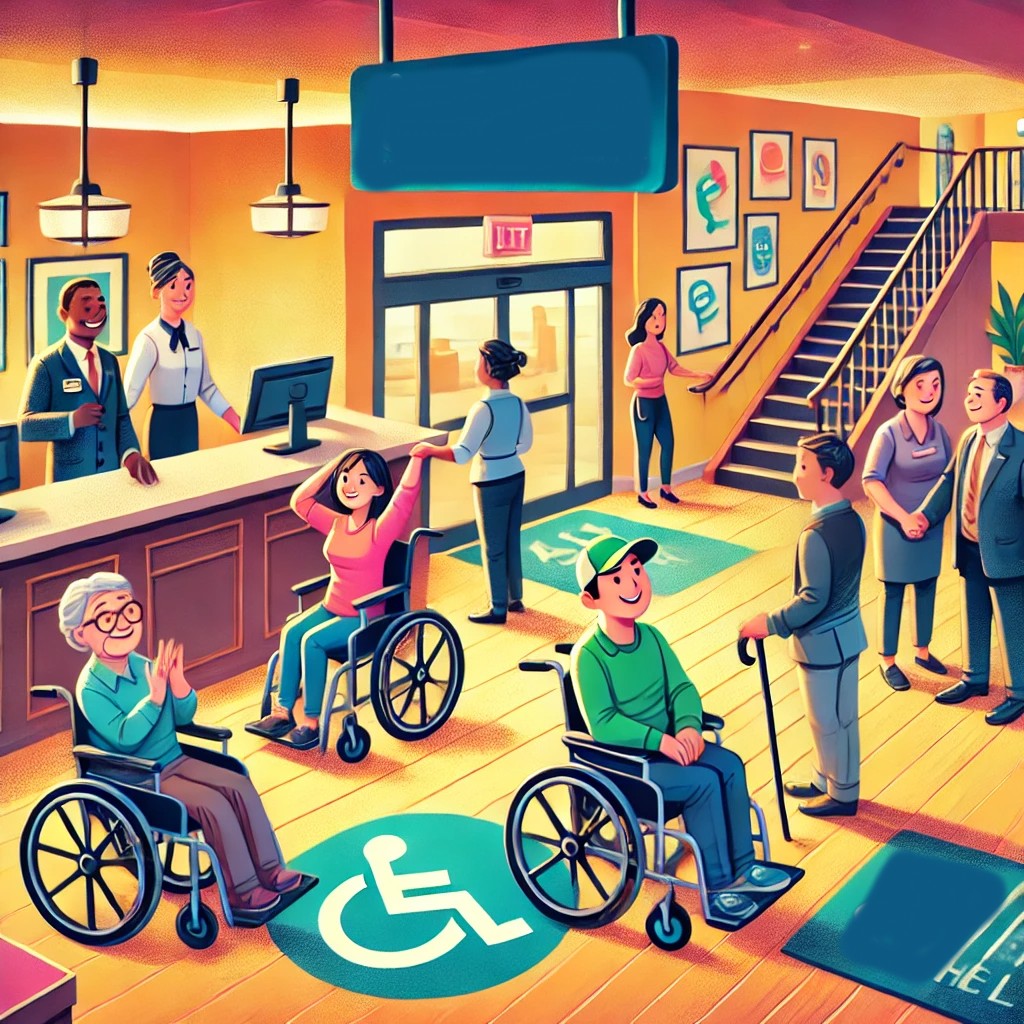
The Americans with Disabilities Act (ADA) was enacted in 1990 to prohibit discrimination against individuals with disabilities. This landmark civil rights legislation is divided into several titles that address different areas of public life. Title III specifically governs public accommodations and services operated by private entities, making it highly relevant to the hospitality industry. This comprehensive article explores the foundational aspects of ADA Title III and elucidates its far-reaching implications on hotels, restaurants, and other businesses within the hospitality sector. By understanding these requirements, hospitality providers can ensure compliance and create a more inclusive and welcoming environment for all their guests.
Introduction
The hospitality industry serves as a cornerstone of our economy, providing lodging, dining, and various recreational services to millions of travelers and customers annually. Ensuring that these services are accessible to individuals with disabilities is not just a legal obligation under ADA Title III but also an ethical imperative. The law mandates that businesses offering public accommodations take reasonable measures to remove barriers and provide effective communication for people with disabilities. This includes a wide spectrum of accommodations—from physical alterations to facilities, such as wheelchair ramps and accessible restrooms, to auxiliary aids and services, like sign language interpreters and Braille menus.
While compliance with ADA Title III might seem daunting at first, especially for small business owners, it is paramount for fostering inclusivity and broadening the customer base. Ignoring these legal mandates not only risks legal repercussions but also alienates a significant portion of potential customers. It’s crucial to understand that ADA compliance is a dynamic, ongoing process, requiring regular assessments and updates to accommodate emerging needs and technologies.
Therefore, this article will delve into the specific requirements of ADA Title III for the hospitality industry, examine the operational impacts, and offer strategic guidance for implementation. By gaining a clear understanding of these aspects, hospitality industry professionals will be better equipped to meet regulatory standards and provide exceptional service to all their guests, regardless of physical abilities.
Understanding ADA Title III Compliance
The primary goal of ADA Title III is to prohibit discrimination against individuals with disabilities in places of public accommodation. This entails making both structural and operational modifications to ensure accessibility. Key areas of compliance include:
Architectural Barriers
One of the most visible aspects of ADA compliance is the removal of architectural barriers. This includes ensuring that entrances, exits, ramps, corridors, and restrooms are accessible to individuals with mobility impairments. Moreover, hotels are required to provide a certain percentage of accessible rooms. These modifications may involve significant structural changes, which can sometimes be costly. However, financial incentives such as tax deductions and credits are available to encourage compliance.
Auxiliary Aids and Services
The provision of auxiliary aids and services is another crucial element. This involves offering tools and resources to improve communication with individuals who have visual, auditory, or speech impairments. Services could include providing Braille menus, sign language interpreters, or text telephones (TTYs). Ensuring that websites and online reservation systems are accessible to people with disabilities also falls under this category.
Reasonable Modifications of Policies
Businesses must also make reasonable modifications to their policies, practices, and procedures to accommodate individuals with disabilities. For instance, a “no pets” policy must be modified to allow service animals. Additionally, hotels and restaurants should train their staff to provide adequate assistance and to respond appropriately to the needs of guests with disabilities.
Understanding these requirements is the first step towards full compliance. The next sections will dive deeper into how these aspects specifically impact different sectors within the hospitality industry.
Implications for Hotels
Hotels are perhaps the most visibly affected by ADA Title III, as they must cater to guests’ varying needs round the clock. Here are some critical considerations:
Room Accessibility
Hotels are required to provide a percentage of accessible rooms based on the total number of available rooms. These accessible rooms must meet specific criteria, such as wider doorways, roll-in showers, and visual notification devices for door knocks or emergency alarms. In addition to physical features, many guests with disabilities rely on assistive technology, so offering amenities like vibrating alarm clocks and TTYs can greatly enhance their stay.
Common Areas
Accessibility doesn’t end at the guest room door. Hotels must ensure that all common areas, including lobbies, restaurants, pools, and fitness centers, are easily accessible. This often involves installing ramps, elevators, and lift systems for pools. Accessible parking spaces and pathways from parking to the entrance are also mandatory requirements.
Training and Staffing
Staff training is a vital component of ADA compliance. Hotel employees should be well-versed in how to assist guests with disabilities, from knowing how to operate accessibility features in rooms to understanding how to communicate effectively with guests who have different types of impairments. Ongoing training ensures that staff stay updated on best practices and new technologies in accessibility.
Restaurant Accessibility
Restaurants must also adhere to ADA Title III guidelines to ensure a fully inclusive dining experience. Key areas include:
Physical Accessibility
From the parking lot to the dining room, restaurants must be accessible to all patrons. This entails having sufficient accessible parking spaces and clear pathways leading to the entrance. Once inside, pathways between tables should be wide enough to accommodate wheelchairs, and at least a portion of tables should be at an accessible height. Restrooms must be equipped with grab bars, accessible sinks, and ample maneuvering space.
Menu Accessibility
Ensuring that menus are accessible is another crucial step. This can be achieved by providing menus in Braille or large print upon request. Additionally, digital menus with screen reader compatibility can also be an excellent solution.
Communication Considerations
Effective communication with guests who have sensory disabilities is paramount. Servers should be trained to read menus aloud or use assistive communication devices when necessary. Visual alarm signals and assistive listening devices for hearing-impaired patrons are also essential to ensuring a safe and enjoyable dining experience.
Challenges and Solutions in ADA Compliance
While ADA compliance is mandatory, it can pose several challenges for hospitality businesses. Here are some common hurdles and potential solutions:
Cost of Compliance
The cost of making necessary modifications can be a significant concern, particularly for small businesses. However, several financial aid programs, such as the Disabled Access Credit and the Barrier Removal Tax Deduction, can alleviate some of these expenses. Additionally, implementing changes incrementally can spread out the costs over time.
Keeping Up with Changes
The ADA is a living document that evolves to address emerging needs and technologies. Keeping up with these changes can be challenging. Regular training sessions and audits are essential to ensure ongoing compliance. Subscribing to ADA newsletters and updates from relevant authorities can also be helpful.
Balancing Business Needs
Businesses often struggle to balance the need for ADA compliance with other operational requirements. Collaborative planning that includes input from both internal teams and external experts, such as accessibility consultants, can help strike a balance. An inclusive design approach from the outset can mitigate many of these challenges.
Benefits of ADA Compliance
While ADA compliance might seem like an obligation, it offers several tangible benefits for businesses in the hospitality industry. Here’s why focusing on accessibility can be a game-changer:
Broader Customer Base
By making your business accessible, you open your doors to a broader range of customers. Approximately 26% of the U.S. population has some form of disability, representing a significant customer demographic. Enhancing accessibility can attract more guests and boost revenue.
Enhancing Reputation
Organizations known for their inclusive practices often enjoy a positive reputation, which can translate into customer loyalty and repeat business. Guests are more likely to frequent establishments where they feel welcome and well-served.
Legal Safeguards
Compliance with ADA Title III minimizes the risk of legal actions and penalties. It also protects businesses from potential lawsuits related to inaccessibility. Proactively addressing these issues can save time and money in the long run.
Competitive Advantage
In an increasingly competitive market, being an accessible and inclusive business can provide a competitive edge. Customers often consider accessibility a crucial factor when choosing where to spend their money. By standing out as an accessible venue, businesses can differentiate themselves from competitors.
Conclusion
Navigating ADA Title III compliance may initially seem challenging, but the benefits far outweigh the hurdles. Achieving and maintaining accessibility in the hospitality industry is not just about meeting legal requirements, but about fostering inclusivity and ensuring that everyone has equal access to services. From hotels to restaurants, understanding and implementing ADA guidelines leads to a more diverse customer base, enhanced reputation, and even economic benefits.
Moreover, ADA compliance is an ongoing commitment that requires regular monitoring and updates, as both the needs of individuals with disabilities and the ADA itself continue to evolve. Embracing this dynamic process positions businesses to not only meet current standards but also anticipate and adapt to future changes. As we have discussed, the keys to successful compliance lie in understanding the law’s requirements, prioritizing staff training, making gradual but impactful modifications, and seeking financial incentives to offset costs.
In essence, ADA Title III is a powerful tool for promoting equality and removing barriers. For the hospitality industry, adhering to these guidelines makes sound business sense and reflects a commitment to diversity and inclusion. As society progresses towards greater accessibility, businesses that prioritize ADA compliance today will be the frontrunners in tomorrow’s inclusive economy.
Frequently Asked Questions
1. What is ADA Title III, and how does it affect the hospitality industry?
The Americans with Disabilities Act (ADA) was signed into law in 1990 with the primary aim of prohibiting discrimination against individuals with disabilities and ensuring equal access and opportunities. Within this landmark civil rights legislation, Title III specifically targets public accommodations operated by private entities. This is profoundly significant for the hospitality industry because it includes hotels, restaurants, and other businesses that serve the public. ADA Title III mandates that these establishments remove physical barriers where possible and ensure that disabled persons receive the same level of service as everyone else. This means facilities must be accessible, communications need to be effective, and companies must make reasonable modifications to policies when necessary. Adhering to ADA Title III is not just a legal obligation but a commitment to inclusivity and excellent customer service.
2. What are the physical accessibility requirements for hotels under ADA Title III?
ADA Title III sets forth detailed guidelines for the physical accessibility of hotels and similar lodging facilities. These include requirements for entrances, access routes, and public spaces like lobbies, hallways, and dining areas. Specifically, hotels must provide accessible parking spaces, ramps where there are level changes, and elevators for multi-story buildings. Guestrooms with different levels of accessibility must also be available. Features such as wider doors, space for wheelchair maneuverability, and bathrooms with grab bars and roll-in showers are necessary. Additionally, any amenities like pools, fitness centers, and business centers should be accessible. Ensuring physical accessibility is vital to providing equal access and accommodating guests with diverse needs.
3. How does ADA Title III address effective communication in the hospitality sector?
Effective communication under ADA Title III is crucial as it relates to serving individuals with vision, hearing, or speech disabilities. The law requires that hospitality service providers make reasonable efforts to ensure that their communication with individuals with disabilities is as effective as with others. This could involve providing auxiliary aids and services such as text telephones (TTYs), sign language interpreters, written materials, or captioning for audio or video presentations. For example, hotels and restaurants might need to offer menus in braille or have staff available who can communicate in sign language. The choice of aid or service depends on the individual’s communication needs, and businesses must be prepared to have open discussions with guests to determine the best solutions.
4. What training should hospitality employees receive to comply with ADA Title III?
Training is critical for compliance with ADA Title III, as frontline employees are often the first point of contact for guests. Hospitality staff should be trained on the basic principles of the ADA, specifically Title III requirements, to ensure they can provide accessible and respectful services. Employees should be familiar with accessible features of their facility and know how to operate assistive devices. They should also receive guidance on communicating effectively with individuals with various disabilities. This includes using respectful language, understanding cultural competence, and demonstrating patience and open-mindedness. Training should also cover the procedures to follow if a guest requests an accommodation, ensuring such requests are handled promptly and appropriately. Regular refresher courses can help maintain a consistently high standard of accessibility throughout the industry.
5. What are the consequences of non-compliance with ADA Title III for hospitality businesses?
Non-compliance with ADA Title III can have serious repercussions for hospitality businesses. Legal consequences include the risk of lawsuits, which can result in substantial fines and require the business to undertake costly renovations or make other accommodations to meet compliance standards. Beyond legal sanctions, failing to comply can significantly harm a business’s reputation, deterring not only individuals with disabilities but also family, friends, and the broader community that values inclusivity. This can lead to a loss of clientele and revenue as patrons may choose to support businesses that prioritize accessibility and ethical practices. Thus, compliance is essential not only to avoid legal troubles but to foster a welcoming, inclusive environment that can lead to increased customer satisfaction and loyalty.