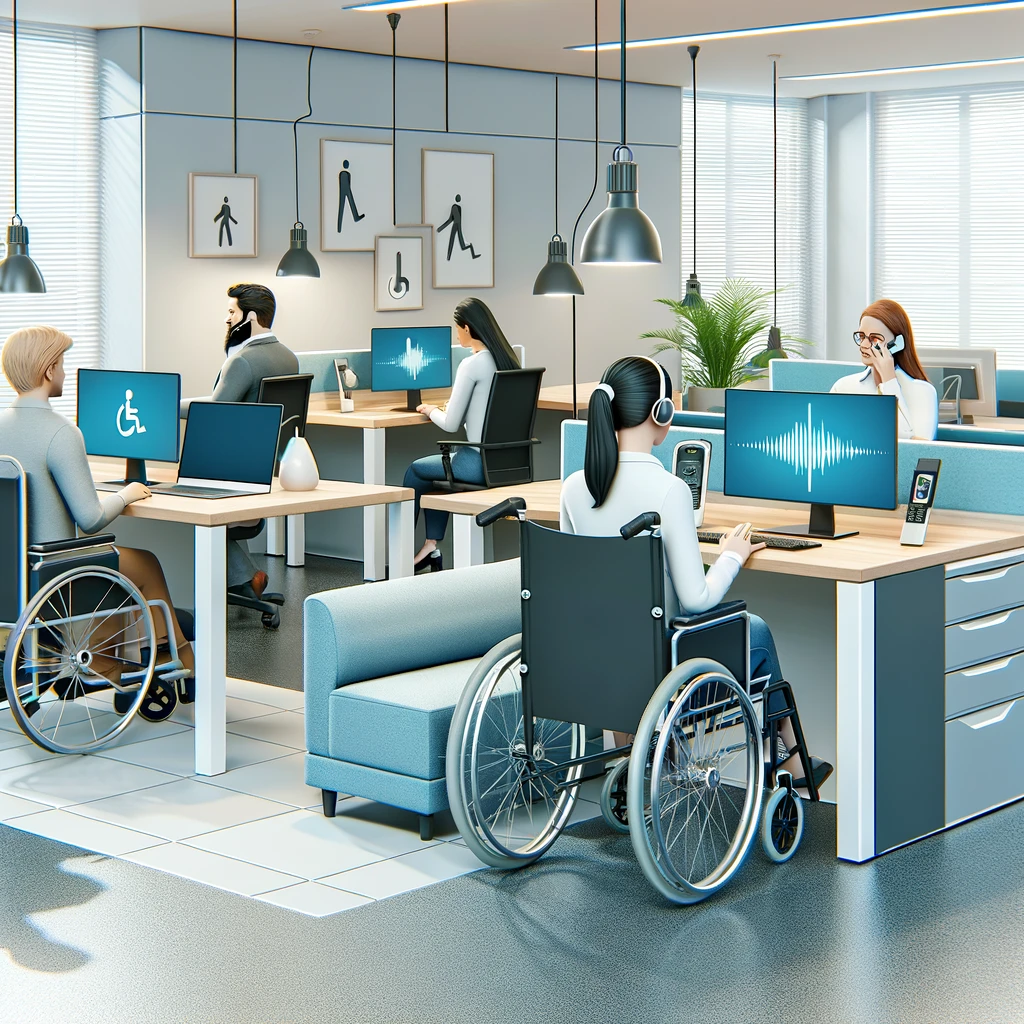
Since its establishment in 1990, the Americans with Disabilities Act (ADA) has revolutionized accessibility, ensuring equal rights and opportunities for individuals with disabilities. Designed to prohibit discrimination against those with disabilities in all areas of public life, the ADA has been an essential building block for fostering a more inclusive society. Today, technological advancements present new prospects for further enhancing ADA compliance, ushering us into a progressive era where technology and accessibility converge.
This article delves into the symbiotic relationship between technology and the ADA, examining how innovations are reshaping the landscape of accessibility. We will explore various technological tools and systems that are being utilized to ensure ADA compliance across different sectors. From smart home devices to advanced communication platforms, we will highlight the pivotal role technology plays in breaking down barriers and creating a more holistic, inclusive environment for everyone.
As we journey through this new frontier of ADA compliance, it is crucial to understand the implications of these technologies and how they can be integrated into everyday life. Moreover, we need to recognize the potential challenges and drawbacks that may arise, ensuring we address them proactively. Through this comprehensive exploration, we aim to shed light on the promising future of technology-aided ADA compliance, paving the way for a more accessible world.
The Evolution of Assistive Technologies
Assistive technologies have come a long way since the enactment of the ADA. In the early days, tools such as screen readers and hearing aids were groundbreaking innovations that significantly improved the lives of individuals with disabilities. However, the rapid pace of technological advancement over the past few decades has given rise to a new wave of sophisticated assistive devices.
For instance, digital accessibility tools like voice recognition software and real-time captioning have made it easier for individuals with auditory and visual impairments to navigate both online and offline environments. Additionally, the advent of smart home technology has introduced a new level of convenience and autonomy for people with mobility impairments. Devices like smart thermostats, lights, and door locks can now be controlled via voice commands or smartphone apps, reducing the need for physical exertion.
One of the most significant advancements in assistive technology is the development of brain-computer interfaces (BCIs). These cutting-edge systems enable individuals with severe physical disabilities to control computers and other devices using their brainwaves. Although still in the experimental stage, BCIs hold tremendous potential for enhancing the quality of life and independence of those with disabilities.
Technological Tools for Workplace Accessibility
Workplace accessibility is a critical aspect of ADA compliance, ensuring that individuals with disabilities have equal opportunities for employment and career advancement. Technology has played a vital role in leveling the playing field, making workplaces more inclusive and accommodating.
Telecommuting tools, for example, have become indispensable for employees with disabilities. Video conferencing software, collaborative platforms, and cloud-based applications allow individuals to work remotely, mitigating the physical challenges of commuting and navigating a traditional office environment. Furthermore, digital document management systems can be tailored to accommodate various accessibility needs, such as screen readers or text-to-speech software.
Another notable innovation is the rise of ergonomic workstations and adaptive equipment. Adjustable desks, ergonomic chairs, specialized keyboards, and mouse devices can be customized to meet the unique needs of employees with physical disabilities. Moreover, the implementation of voice-activated assistants like Amazon’s Alexa or Google Assistant has made it easier for individuals to perform tasks hands-free, enhancing productivity and independence.
Employers are also increasingly adopting inclusive hiring platforms that utilize AI-driven algorithms to eliminate biases and ensure fair hiring practices. These platforms can assess candidates based on their skills and competencies, rather than making judgments based on disabilities, further promoting workplace inclusivity.
Enhancing Public Spaces with Smart Technology
Public spaces, including transportation hubs, parks, and government buildings, are pivotal areas where ADA compliance is essential. Smart technology is transforming these environments, making them more accessible and user-friendly for individuals with disabilities.
For instance, smart transportation systems are integrating features like real-time GPS tracking, audio announcements, and visual displays to assist passengers with visual and auditory impairments. Additionally, mobile apps are being developed to provide detailed information about accessibility features in public spaces, such as the location of ramps, elevators, and accessible restrooms.
In parks and recreational areas, inclusive playgrounds equipped with sensory-friendly equipment and adaptive play structures are becoming increasingly common. Some parks are also implementing smart pathways embedded with sensors that provide navigational assistance to individuals with mobility challenges.
Moreover, smart city initiatives are focusing on creating ADA-compliant urban environments through innovations such as accessible public kiosks and interactive wayfinding systems. These technologies not only enhance the experience of individuals with disabilities but also promote a more inclusive and accessible society for everyone.
The Role of AI in Communication and Learning
Artificial intelligence (AI) is revolutionizing communication and learning for individuals with disabilities, breaking down barriers and fostering inclusivity. Advanced AI-driven applications are facilitating real-time communication and providing personalized learning experiences.
For individuals with hearing impairments, AI-powered speech-to-text platforms like Google’s Live Transcribe and Microsoft’s Cortana are making conversations more accessible. These applications can transcribe spoken language into text in real-time, allowing individuals to participate more actively in conversations and discussions.
Similarly, AI-driven language translation tools are bridging communication gaps for individuals with language-related disabilities. Applications like Google Translate and Microsoft Translator can translate text and speech into various languages, making communication more seamless and inclusive.
In the realm of education, AI is being used to develop personalized learning plans for students with disabilities. Adaptive learning platforms like DreamBox and Lexia use AI algorithms to assess students’ unique needs and tailor educational content accordingly. Moreover, AI-powered tutoring systems provide real-time feedback and support, enabling students to learn at their own pace and overcome challenges more effectively.
Addressing Ethical Considerations and Challenges
While technology offers promising advancements in ADA compliance, it is essential to address the ethical considerations and challenges associated with these innovations. Ensuring that technologies are designed with inclusivity in mind is crucial to prevent exacerbating existing disparities.
One significant concern is the digital divide, which can hinder access to technological tools for individuals with disabilities who may lack the necessary resources or digital literacy skills. Bridging this gap requires concerted efforts from governments, organizations, and communities to provide equal access to technology and digital literacy training.
Privacy and data security are also critical issues, particularly when dealing with sensitive information related to disabilities. Developers and organizations must prioritize robust data protection measures to safeguard users’ privacy and ensure that personal data is handled responsibly.
Moreover, the development of assistive technologies should involve input from individuals with disabilities themselves. Engaging with the disability community ensures that the technologies are user-centered and address the actual needs and challenges of the users. This collaborative approach not only leads to more effective solutions but also empowers individuals with disabilities by giving them a voice in the innovation process.
Conclusion
As we navigate the new frontiers of ADA compliance, technology holds the key to unlocking unparalleled opportunities for accessibility and inclusivity. From assistive devices and smart home technologies to AI-driven communication tools and personalized learning platforms, the potential of technology to transform the lives of individuals with disabilities is boundless.
However, realizing this potential requires a collaborative effort from all stakeholders, including governments, organizations, developers, and the disability community. By working together, we can ensure that technological advancements are designed and implemented with the principles of inclusivity and equity at their core.
As we look to the future, it is essential to remain vigilant about the ethical considerations and challenges that accompany these innovations. Addressing the digital divide, safeguarding privacy, and prioritizing user-centered design are critical steps in fostering a more inclusive society.
Ultimately, the fusion of technology and ADA compliance represents a beacon of hope for a more accessible world. By harnessing the power of technology and embracing a spirit of inclusivity, we can pave the way for a future where individuals with disabilities can thrive and participate fully in all aspects of life.
Frequently Asked Questions
1. How is technology enhancing ADA compliance in public spaces?
Technology is significantly transforming ADA compliance by introducing new tools and innovations that make public spaces more accessible and inclusive for individuals with disabilities. With the advent of smart technologies, various solutions are being tailored to remove barriers and provide seamless experiences for all users. For instance, sensor-driven technologies in elevators and public transport allow for automated adjustments based on user needs, such as voice-activated controls or personalized wheelchair settings. Additionally, augmented reality (AR) applications provide guided navigation through complex environments, making it easier for those with visual or cognitive impairments to move independently. Video remote interpreting services enable real-time communication for deaf or hard-of-hearing individuals in governmental and healthcare facilities, ensuring accessibility is upheld without sacrificing comfort or efficiency. These technological advancements are fostering an inclusive society where individuals with disabilities can navigate public spaces confidently and independently.
2. In what ways are smart home devices contributing to ADA compliance?
Smart home devices are at the forefront of transforming the living environments for individuals with disabilities, contributing enormously to ADA compliance. These devices offer convenience, safety, and enhanced independence without the need for external assistance. Voice-activated assistants, such as Amazon’s Alexa or Google Home, allow users to control lights, thermostats, and entertainment systems effortlessly, reducing reliance on physical interfaces. Smart doorbells and security systems equipped with cameras and intercoms are giving individuals with mobility or hearing impairments greater control over their home security. Additionally, smart sensors and alerts provide constant monitoring of environmental factors like air quality and temperature, ensuring optimal comfort for those with specific health needs. Through automation and customization, these technologies are bridging the gap between traditional home settings and accessible living, allowing individuals to lead more autonomous lives.
3. What role do mobile apps play in ADA compliance?
Mobile applications are vital in advancing ADA compliance by offering tools and services that cater to the diverse needs of individuals with disabilities. These apps act as personal assistants, providing features such as real-time transcription for deaf individuals or screen reader compatibility for those who are visually impaired. Navigation apps that utilize GPS technology and crowdsourced data are helping users avoid obstacles and plan accessible routes, whether gardening good paths or finding elevators and ramps. Moreover, apps designed for communication, employing alternative and augmentative communication (AAC) technologies, are empowering individuals with speech impairments to express themselves better and participate in social interactions more effectively. Mobile apps are not just accessories; they’re essential in promoting accessibility and enhancing everyday experiences for thousands of users.
4. How are technological innovations helping with workplace ADA compliance?
Technological advancements are reshaping workplace landscapes to make them more inclusive and aligned with ADA standards. Assistive software and hardware ensure that individuals with disabilities can access digital workspaces efficiently. For example, speech-to-text software and voice recognition technology enable individuals with dexterity impairments to interact with computers and complete tasks without physical constraints. Cloud-based project management tools support greater collaboration, allowing team members with various needs to work seamlessly together. Moreover, remote work technology, particularly relevant in the current pandemic context, offers flexible working options for individuals whose conditions make commuting challenging. Building technologies like smart lighting systems, adjustable desks, and accessibility-focused interior designs are also contributing to creating physically accommodating and comfortable work environments. These innovations are not only fulfilling ADA requirements but are also driving a cultural shift towards more diversity and inclusion in professional settings.
5. Are there any emerging technologies that show promise for improving ADA compliance in the future?
Indeed, several cutting-edge technologies are on the horizon that hold tremendous potential to further ADA compliance. The development of artificial intelligence (AI) and machine learning algorithms are promising in the creation of adaptable systems that learn and evolve with user needs. For instance, AI-powered personal assistants can be programmed to recognize and respond to non-verbal cues or changes in behavior, offering proactive support to individuals who may have difficulty communicating traditionally. The rise of wearable technology, such as smart glasses and sensory feedback devices, can provide real-time assistance and data to users, improving their interaction with the environment and people. Virtual reality (VR) and mixed reality (MR) platforms are already being explored for training and educational purposes, offering immersive experiences that can simulate scenarios for users to practice navigation and decision-making in a safe space. These technologies are not only exciting but are indicative of a future where ADA compliance is effortlessly integrated into every facet of life, creating a society that is truly accessible for all.