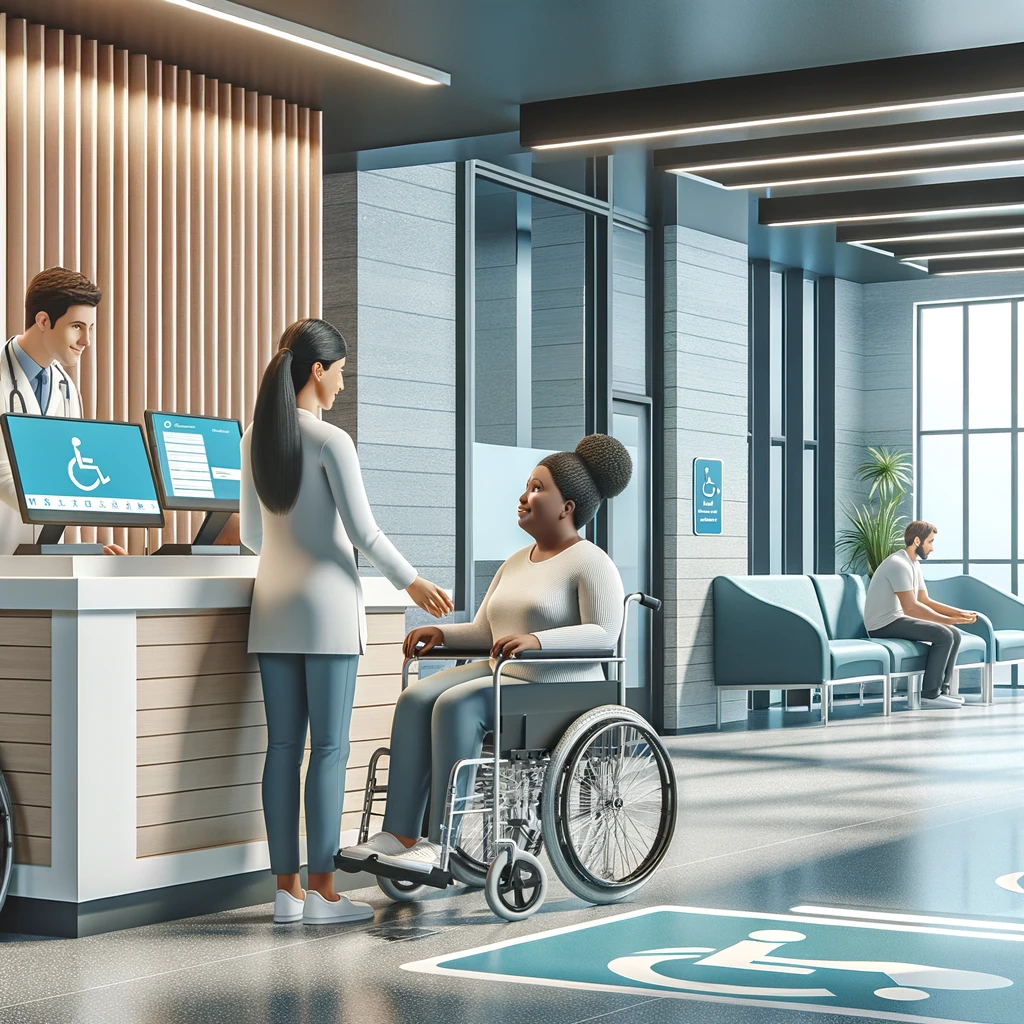
ADA protections in healthcare are not abstract legal promises; they shape whether a patient can schedule an appointment, understand a diagnosis, enter an exam room, use medical equipment, and give informed consent with dignity. In this hub on advanced topics in ADA rights, I want to ground the conversation in healthcare accessibility stories because stories reveal how the Americans with Disabilities Act works in real settings. The ADA is the federal civil rights law that prohibits disability discrimination in public life, while Section 504 of the Rehabilitation Act applies to entities receiving federal financial assistance, including most hospitals and clinics. In healthcare, these laws require effective communication, reasonable modifications to policies and practices, and physical access unless a specific legal defense applies. Those terms matter. Effective communication means providing auxiliary aids and services, such as qualified sign language interpreters, real-time captioning, or accessible documents, when needed for equal participation. Reasonable modifications means adjusting standard procedures, for example allowing a support person or changing how intake is completed, when doing so does not fundamentally alter the service. Accessibility matters because healthcare failures can quickly become safety failures: missed symptoms, delayed treatment, medication errors, preventable complications, and avoidable distrust. Over years of reviewing accessibility complaints, training staff, and helping organizations correct barriers, I have seen a consistent pattern. Problems rarely begin with bad intent. They begin with assumptions, rigid workflows, inaccessible technology, or outdated equipment. The best organizations fix those gaps before a patient is forced to fight for access.
Communication access in clinical care
The most frequent advanced ADA issue in healthcare is effective communication, especially for patients who are deaf, hard of hearing, blind, have low vision, speech disabilities, cognitive disabilities, or limited manual dexterity. The legal standard is not whether a hospital made some effort; it is whether communication with the patient was as effective as communication with others in the same situation. In practice, that requires an individualized assessment. A deaf patient discussing surgery may need a qualified American Sign Language interpreter, not handwritten notes. A blind patient reviewing discharge instructions may need an accessible digital document compatible with a screen reader, not a scanned PDF. A patient with a speech disability may need extra time and a communication board rather than rushed yes-or-no questions.
I have seen clinics reduce risk dramatically by building interpreter workflows into scheduling and triage instead of treating accommodation requests as last-minute exceptions. One health system I worked with created a flag in its electronic health record for preferred communication method, linked that flag to centralized interpreter dispatch, and trained staff to avoid using family members except in emergencies or when the patient specifically requested it and the arrangement was appropriate. That change improved informed consent quality and reduced appointment delays. The Department of Justice and the Department of Health and Human Services have repeatedly emphasized that relying on children or unqualified companions can compromise privacy, accuracy, and patient autonomy. Video remote interpreting can work when the connection is stable, the device is positioned correctly, and the patient can see the screen clearly. It fails when staff use a rolling tablet with weak bandwidth in a noisy emergency department. The lesson is simple: communication access is a clinical quality issue, not merely a customer service task.
Accessible medical equipment and exam room design
Healthcare accessibility often breaks down in the exam room. A facility may have an accessible entrance and still exclude patients because it lacks height-adjustable exam tables, accessible weight scales, transfer supports, or mammography equipment that can accommodate seated positioning. This is one of the clearest examples of advanced ADA rights in action because the barrier is not only architectural. It is procedural, clinical, and sometimes cultural. If staff are trained to examine a patient in a wheelchair because transferring seems inconvenient, they may miss pressure injuries, abdominal findings, foot problems, or skin changes that would be obvious on an exam table. Equal access to care requires equal access to the full exam, not a modified version that produces lower-quality medicine.
The 2017 U.S. Access Board standards for accessible medical diagnostic equipment provide important technical benchmarks, even where they are not yet mandatory in every context. They address transfer height, supports, and positioning for equipment such as examination tables, chairs, and weight scales. Forward-looking health systems use these standards in procurement because retrofitting after a complaint is more expensive and more disruptive. I have advised practices that thought one accessible exam room was enough, only to discover scheduling bottlenecks and patient privacy problems when every accessible appointment had to compete for a single room. A better model is distributed access: enough adjustable equipment across primary care, specialty care, imaging, and women’s health to match patient volume. Staff training is equally important. Safe transfer protocols, lift availability, and time allocations must support actual use of accessible equipment. Equipment without workflow change becomes expensive storage.
Digital accessibility from scheduling to patient portals
Modern healthcare begins online, which means inaccessible digital systems can block care before a patient reaches the parking lot. Appointment scheduling tools, intake forms, telehealth platforms, patient portals, billing pages, and post-visit summaries must be usable with screen readers, voice control, captions, keyboard navigation, zoom, and clear language. Courts and regulators increasingly treat websites and mobile applications as core service channels rather than optional extras. For hospitals and large physician groups, this is now a governance issue involving procurement, vendor management, content publishing, and quality assurance.
In real-world audits, I repeatedly find the same high-risk failures: unlabeled form fields, image-only PDFs, CAPTCHA tools without accessible alternatives, color contrast problems, telehealth controls that cannot be reached by keyboard, and automated reminder texts that link to inaccessible portals. These are not minor defects. They can prevent a patient from requesting an accommodation, completing registration, reading medication instructions, or joining a specialist visit. The best organizations align digital healthcare accessibility with Web Content Accessibility Guidelines, build accessibility language into vendor contracts, and test with assistive technology before launch. They also provide backup pathways, such as staffed phone scheduling and plain-language instructions, because compliance does not eliminate the need for human support. A patient who cannot upload insurance cards through a mobile app should not lose an appointment slot. Digital barriers are often the first sign that an organization has not integrated disability access into operations.
Policy modifications that make treatment possible
Some ADA protections in action look less like ramps and more like policy changes. Healthcare providers often need to modify standard rules so disabled patients can access treatment safely and effectively. That may include allowing a caregiver to accompany a patient during intake, adjusting no-food policies for diabetes management, permitting service animals in areas where the law allows them, extending appointment times for complex communication needs, or offering curbside check-in to a patient whose disability makes crowded waiting rooms dangerous. The key question is whether the modification is necessary for equal access and whether granting it would fundamentally alter the nature of the service or create a direct threat that cannot be mitigated.
One specialty clinic I reviewed had a blanket policy barring support persons during consultations. For many patients that seemed neutral, but for a patient with a brain injury affecting memory and processing speed, it undermined informed decision-making. Revising the policy to allow a support person, while preserving privacy controls and documentation standards, solved the problem with minimal burden. Another example involves methadone treatment programs and behavioral health settings, where rigid attendance or documentation requirements can unintentionally screen out people with mobility impairments, psychiatric disabilities, or chronic illness. Advanced ADA analysis requires organizations to examine whether their rules are truly essential or merely habitual. In my experience, once staff are trained to ask, “What barrier is this policy creating, and is there a safe alternative?” many conflicts become manageable.
| Barrier | Common healthcare setting | Practical ADA-aligned response |
|---|---|---|
| No interpreter available at consent discussion | Emergency department, surgery, labor and delivery | Use qualified on-site or high-quality video remote interpreter and document patient preference |
| Patient cannot transfer to fixed-height exam table | Primary care, gynecology, orthopedics | Provide height-adjustable table, transfer aids, and trained staff |
| Portal inaccessible to screen reader users | Scheduling, billing, follow-up care | Remediate to recognized accessibility standards and offer staffed alternatives |
| Support person barred by blanket policy | Specialty visits, outpatient procedures | Modify policy when necessary for equal access unless a specific legal exception applies |
Emergency care, behavioral health, and other high-risk settings
Advanced ADA rights become especially important in high-acuity settings where speed, privacy, and safety pressures are intense. Emergency departments must still provide effective communication and accessible triage, even during busy periods. Behavioral health units must avoid discriminatory assumptions about patients with intellectual, developmental, or psychiatric disabilities while balancing safety needs. Labor and delivery units must ensure deaf patients can communicate during labor, blind parents can access newborn care education, and patients with mobility impairments can use accessible bathrooms and postpartum rooms. Dialysis centers, oncology clinics, and rehabilitation programs face their own recurring issues, including fatigue-related scheduling needs, scent sensitivities, transportation coordination, and accessible infusion or therapy equipment.
These environments expose a common misunderstanding: staff sometimes believe the ADA disappears during emergencies or in specialized care. It does not. The law allows limited flexibility where immediate threats require fast action, but the duty to provide equal access remains. For example, if an emergency physician cannot wait for an on-site interpreter during resuscitation, that may be justified in the moment; continuing the entire hospitalization without qualified interpretation is not. In psychiatric settings, denying a service animal or communication aid based on generalized fear rather than an individualized assessment invites liability and harms care. Healthcare leaders should prioritize these units for drills, scripts, and escalation pathways because failures there carry the greatest clinical and legal consequences.
Enforcement, documentation, and systemwide accountability
Patients can enforce healthcare disability rights through internal grievance processes, state agencies, federal complaints, negotiated settlements, and litigation. Hospitals receiving federal funds must have grievance procedures under Section 504, and larger public entities have ADA coordinator obligations. Good compliance programs do more than react to complaints. They track accommodation requests, interpreter response times, inaccessible equipment incidents, portal error reports, and patient experience data by disability status when lawful and feasible. Documentation matters because organizations cannot improve what they do not measure. It also matters defensively. If a provider denied a requested accommodation, the record should show the individualized assessment, alternative measures considered, and the specific reason for the decision.
From an operational standpoint, the strongest healthcare accessibility programs share five traits: executive ownership, cross-functional governance, trained frontline staff, procurement controls, and patient feedback loops. Procurement is often overlooked. If a clinic buys inaccessible kiosks, fixed-height chairs, or software without accessibility testing, it bakes future discrimination into the system. Feedback loops are equally important. Patient advisory councils that include disabled community members routinely identify barriers administrators miss. When organizations treat complaints as free consulting rather than reputational threats, they improve faster. This hub on advanced topics in ADA rights should help readers navigate those linked issues across healthcare settings, from communication access and digital accessibility to policy modification, equipment standards, and enforcement strategy. The central lesson from real healthcare accessibility stories is consistent: access is achieved through systems, not slogans. When providers plan for disability access at every touchpoint, patients receive safer care, staff make better decisions, and organizations reduce legal risk. Review your scheduling process, exam rooms, digital tools, and accommodation policies now, then fix the barrier before the next patient has to prove they deserve equal care.
Frequently Asked Questions
1. How do ADA protections affect a patient’s healthcare experience in everyday situations?
ADA protections matter in healthcare because accessibility is not limited to ramps or parking spaces. In practice, the law shapes nearly every point of contact between a patient and a healthcare provider. That includes being able to schedule an appointment using a method the patient can access, communicate effectively with front-desk staff, enter the building and exam room, transfer safely onto medical equipment when possible, receive information in an understandable format, and participate fully in treatment decisions. Healthcare accessibility stories make this real. A patient who is deaf may need a qualified sign language interpreter for a complex consultation. A blind patient may need forms, aftercare instructions, or medication information in an accessible format. A wheelchair user may need an adjustable exam table or accessible weight scale. A patient with an intellectual or cognitive disability may need plain-language explanations and extra time to ensure informed consent. These are not special favors; they are examples of how equal access is supposed to work under the ADA. The law becomes meaningful when patients can obtain care with dignity, privacy, and independence rather than being forced to rely on family members, skip preventive care, or accept inferior treatment because basic access was missing.
2. What are some common examples of healthcare accessibility barriers that ADA protections are meant to address?
Common barriers in healthcare often fall into several categories: physical access, communication access, equipment access, policy barriers, and attitudinal barriers. Physical barriers can include inaccessible entrances, heavy manual doors, narrow hallways, inaccessible restrooms, or exam rooms too small for mobility devices. Equipment barriers are especially significant because a patient may technically get into a clinic but still be denied equal care if there is no accessible exam table, mammography machine, dental chair transfer support, or wheelchair-accessible scale. Communication barriers are just as serious. These may include refusing to provide qualified interpreters, relying on a child or companion to interpret, giving a blind patient unreadable paperwork, or failing to communicate in a way a patient with a speech disability can use effectively. Policy barriers can appear when offices refuse service animals, schedule patients in ways that ignore disability-related needs, or insist on communication methods that exclude some patients. Attitudinal barriers may be subtler but deeply harmful, such as assuming a disabled patient is not sexually active, does not need preventive screening, cannot understand treatment options, or should be spoken about rather than spoken to. ADA protections are designed to address these obstacles because healthcare access is not truly equal if a person can enter the building but cannot receive the same quality, privacy, or completeness of care as other patients.
3. Does the ADA require healthcare providers to provide communication accommodations like interpreters and accessible information?
Yes, the ADA generally requires covered healthcare providers to ensure effective communication with patients, companions when appropriate, and in many cases others who are part of the care process. Effective communication means more than simply exchanging a few words; it means the patient must be able to understand and participate in medical discussions at a level comparable to people without disabilities. Depending on the situation, that may require a qualified sign language interpreter, real-time captioning, assistive listening devices, written materials in accessible formats, screen-reader-friendly electronic documents, large print, plain-language communication, or other auxiliary aids and services. The appropriate accommodation depends on the individual’s needs and the complexity of the communication. For example, a routine blood draw may require less support than a discussion of surgery, cancer treatment, psychiatric care, or informed consent. Healthcare accessibility stories often show the consequences when providers fail in this area: misdiagnoses, uninformed consent, medication mistakes, fear, humiliation, and avoidance of future care. The ADA is intended to prevent exactly that. Providers cannot routinely shift the burden to the patient by saying “bring your own interpreter” or by relying on family members except in narrow circumstances. In healthcare, communication access is central to patient safety and autonomy, not an optional administrative courtesy.
4. How do real healthcare accessibility stories help people understand ADA rights better than legal summaries alone?
Stories show how ADA rights operate where it matters most: during stressful, time-sensitive, deeply personal healthcare encounters. A legal summary might explain that disability discrimination is prohibited, but a story reveals what that means when a patient cannot get onto an exam table, when prenatal care is delayed because no interpreter is scheduled, or when discharge instructions are given in a format the patient cannot read. These stories make clear that accessibility affects diagnosis, treatment, pain management, reproductive care, mental health care, emergency services, and long-term health outcomes. They also highlight that discrimination in healthcare is not always dramatic or intentional. Sometimes it appears as a pattern of “small” failures that add up to exclusion: rushed staff, inaccessible forms, no transfer equipment, assumptions about capacity, or refusal to modify routine practices. By grounding advanced ADA discussions in lived experience, healthcare accessibility stories help readers understand that civil rights protections are practical tools for preserving dignity, safety, and equal participation in medical decision-making. They also show that accessibility benefits everyone by improving clarity, patient trust, care quality, and system accountability. In that sense, stories do more than illustrate the law; they expose the real-world stakes of whether the law is followed.
5. What can patients and families do if they believe ADA protections were not respected in a healthcare setting?
When patients believe their ADA rights were not respected, it is often helpful to act promptly and document what happened. That can include writing down dates, names, locations, what accommodation was requested, how the provider responded, and what effect the barrier had on care. Saving appointment messages, discharge paperwork, bills, screenshots, and witness information can also be useful. In many situations, the first step is to raise the issue directly with the provider, clinic manager, hospital patient advocate, disability access coordinator, or compliance office, especially if an immediate fix is still possible. Patients can clearly explain the barrier and the accommodation or policy change needed, such as an interpreter for future visits, accessible documents, more accessible equipment, or a change in scheduling practices. If the issue is not resolved, patients may consider filing an internal grievance, submitting a complaint to the U.S. Department of Justice or other relevant agencies depending on the provider and circumstances, or consulting an attorney or advocacy organization focused on disability rights and healthcare access. Families can support this process, but the disabled patient’s voice and choices should remain central whenever possible. Healthcare accessibility stories often show that speaking up can lead not only to an individual remedy but also to broader institutional change. Better policies, staff training, communication procedures, and equipment access often result because one patient insisted that equal care under the ADA must be more than a promise on paper.